
Review · ULURU TOURS
Uluru: 4-Day Rock to Rock Adventure Tour
Uluru at sunset, Kata Tjuta at sunrise, and Kings Canyon from its rim make this four-day Red Centre trip a strong choice if you want more than a quick photo stop. You travel by air-conditioned bus, hike the major sites, sleep in a swag under the stars, and help turn camp chores into part of the adventure.
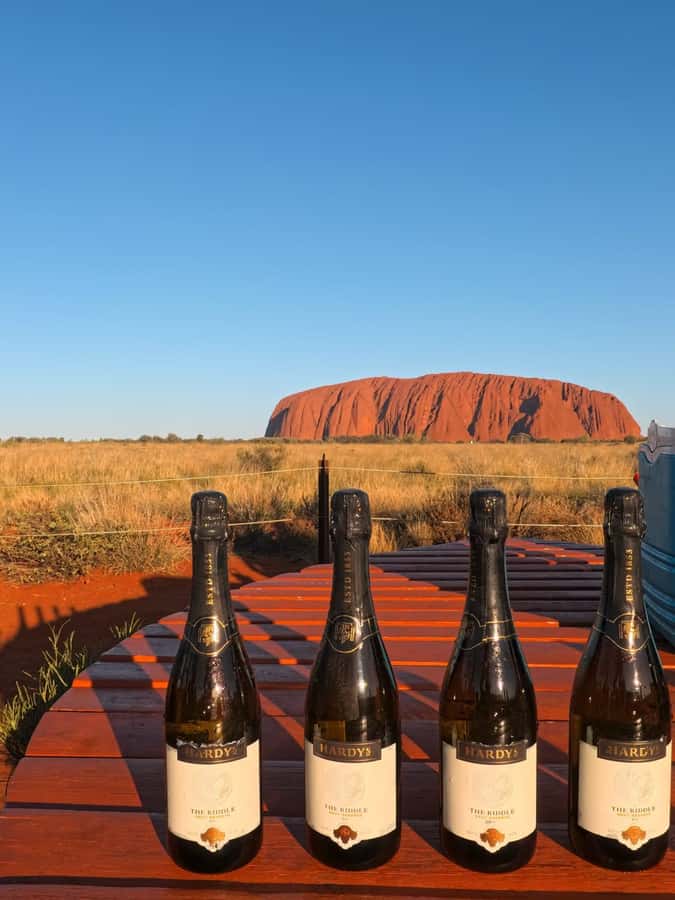
I like the mix of big scenery and real bush-camp routines. You get sparkling wine beside Uluru, a traditional BBQ at Kings Creek Station, and stories about Anangu culture, geology, plants, and animals from guides such as Sophie, Phoebe, Nat, Liv, Tim, and CJ. The trade-off is clear: this is an active trip with very early mornings, ground sleeping, hot days, flies, and shared cooking duties.
Key points to know before booking
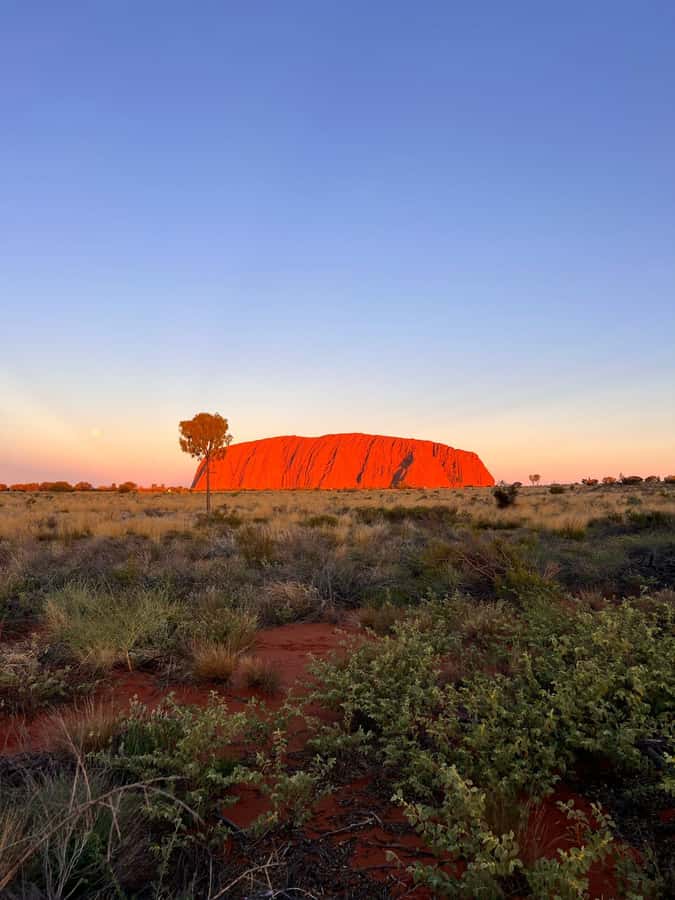
- Uluru sunset with sparkling wine: Your first evening pairs a guided walk with one of the Red Centre’s most memorable views.
- Valley of the Winds hike: Kata Tjuta is not just a lookout stop. You walk into its dramatic folds and rocky corridors.
- Kings Canyon Rim Walk: This is the major physical highlight, with steep sections and broad views across Watarrka National Park.
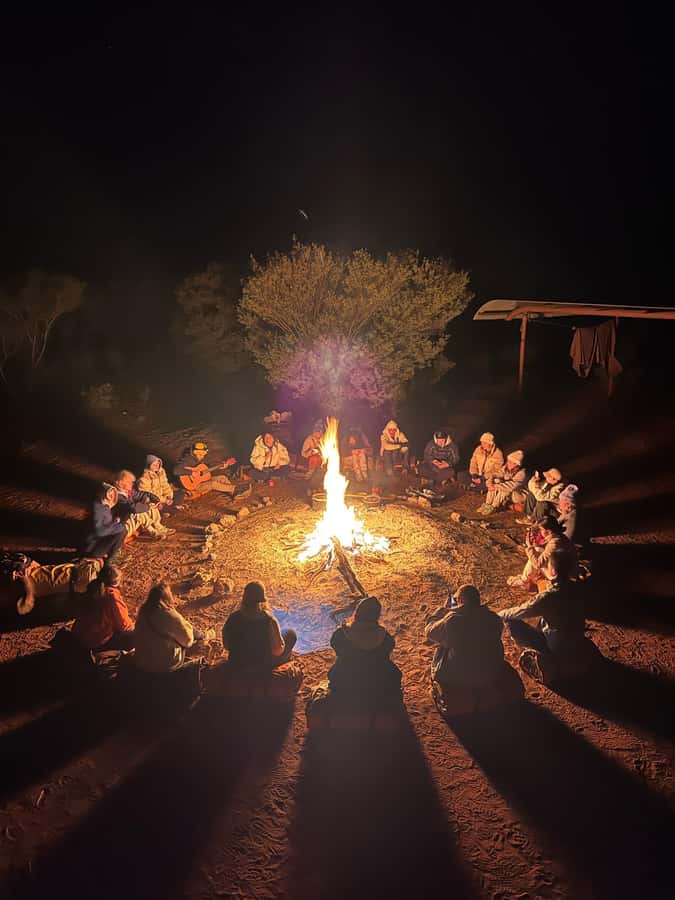
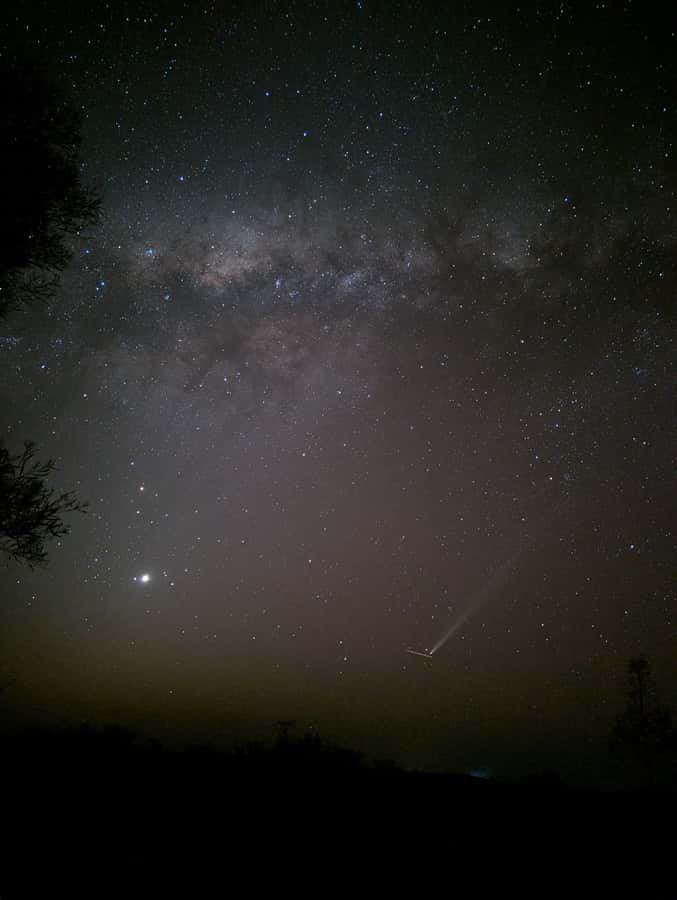
- Swag camping under the Milky Way: You sleep outdoors rather than in a tent, with campfires and desert stars overhead.
- Small-group spirit and shared chores: You help collect firewood and prepare meals, which gives the trip a more genuine bush feel.
- A tight final morning: The tour finishes near the airport around 10:00 AM, so check flight times carefully before booking.
Why four days works better than a rushed Uluru visit
The Red Centre is vast. Uluru, Kata Tjuta, Kings Canyon, and the George Gill Range are not close enough for a relaxed day trip between them. This tour handles the long drives while giving you time to walk, stop for photos, eat well, and sleep at different bush camps.
At $516 per person, the price looks high beside a simple day tour. But it includes camping, national park fees, an air-conditioned bus, an experienced guide, and all meals, including dietary requirements. You are also paying for transport across a remote part of Australia, not just for admission to one attraction.
The value improves if you want an active, social trip and would otherwise need to arrange several transfers, campsites, meals, and park fees yourself. It is less attractive if you prefer private rooms, a slow schedule, or the freedom to choose every stop.
The tour is designed for adults aged 18 to 49, with insurance covering people up to age 59. Children under 18 cannot join. Pregnancy, back problems, and heart problems are listed as reasons not to take part.
More Uluru Tours in Alice Springs
- From Alice Springs: Day Trip to Uluru with BBQ Dinner
★ 4.6 · 761 reviews - Ayers Rock Day Trip from Alice Springs Including BBQ Dinner
★ 4.5 · 639 reviews - Uluru, Kata Tjuta and Kings Canyon Camping Safari from Alice Springs
★ 5.0 · 162 reviews
Day 1: Uluru walks and a sunset worth planning around
The Alice Springs pickup begins between 6:00 and 6:15 AM. That early departure gives you the longest possible first day, though you should expect a tiring morning if you are not already in town. Pickup is also available from Ayers Rock Airport around 1:00 or 2:00 PM, depending on the service, and from Outback Pioneer Lodge or Sails in the Desert between 12:30 and 1:00 PM.
Once the group is together, you head toward Uluru and take a guided walk around the rock. The walk matters because Uluru is more than its famous red profile. From ground level, you can notice changing textures, caves, markings, and the way the rock changes colour and shape as you move around it.
Your guide also provides context about Anangu culture and the significance of the area. That guidance is especially useful here. Uluru is a place where respectful behaviour matters, and the tour includes reminders that some places should not be photographed because Anangu people want visitors to come and experience them directly.
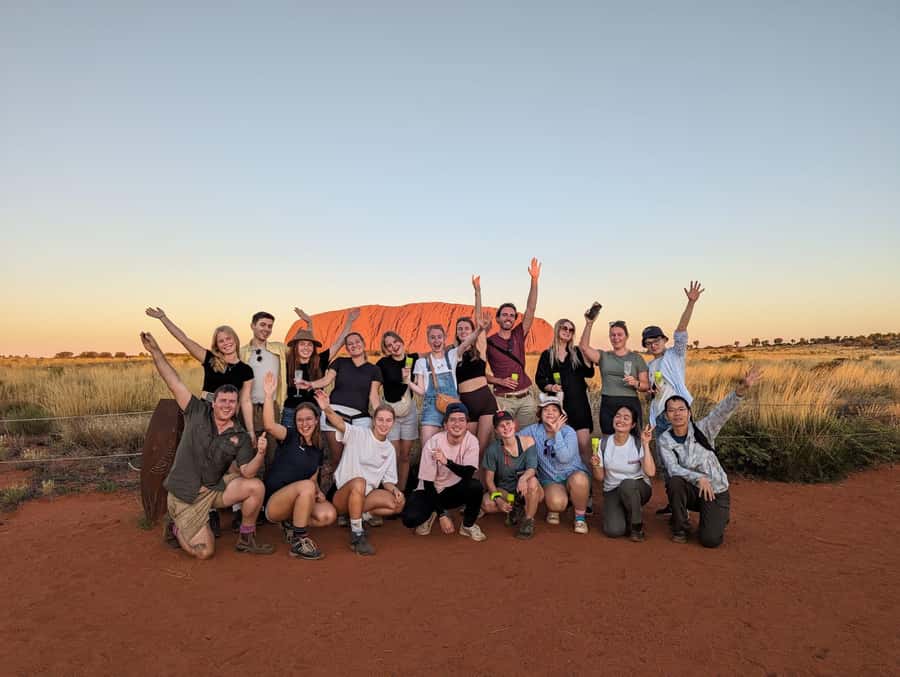
The sunset stop includes sparkling wine. It is a small comfort after the drive and walk, but it also gives the evening a sense of occasion without turning the experience into a formal event. Bring a camera, but do not let it keep you from watching the rock change in the fading light.
Dinner follows at camp, along with a hot shower. Then comes the first night in a swag under the desert sky. A swag is closer to a padded sleeping bag than a tent, so you are sleeping on the ground with the sky open above you. That is the part many people find most memorable, but it is also the moment when you learn if outdoor sleeping suits you.
A sleeping bag is not included. You can rent one on arrival for $30 AUD, or bring your own. A small pillow is also requested, and it will make a real difference after a long day.
Day 2: Kata Tjuta, the Valley of the Winds, and Kings Creek Station
Day two starts early. Very early starts are part of the deal because sunrise is central to the Red Centre experience, and the cooler hours are better for walking. Pack layers. Outback mornings can feel cold, while the afternoon may be hot enough to make every shaded rest worthwhile.
The sunrise stop focuses on Kata Tjuta, also known as the Olgas. The rounded domes create a different mood from Uluru. Uluru feels like one immense form, while Kata Tjuta breaks into a group of towering shapes and narrow passages.
The main walk is through the Valley of the Winds. This is not a flat stroll to a single viewpoint. You should expect inclines, uneven ground, and a proper hike. Comfortable shoes and hiking shoes are both listed among the things to bring, which tells you something about the terrain and the level of activity.
I like that the tour gives Kata Tjuta enough time for a walk rather than treating it as a quick roadside photograph. Your guide can point out geology, plants, animals, and cultural details along the way. The route and timing may also shift with weather, which is useful in a place where heat can change the quality of a hike quickly.
After lunch, the bus travels through the Outback toward Kings Creek Station. The drive is part of the experience, not dead time. You pass through wide open country and see the George Gill Range, with the red earth and changing rock formations providing a steady reminder of how far you are from Australia’s coastal cities.
Kings Creek Station is your base for the night. Dinner is a traditional Aussie BBQ cooked around a campfire under the stars. You help with some of the practical work on this tour, including meal preparation and collecting firewood. That may sound like extra effort, but it helps turn a group of strangers into a working camp team.
Facilities at the campsites are described as being in good condition, and a hot shower is available after the first night. Still, this is bush camping. You should bring a towel, swimwear, sunscreen, sunglasses, a reusable water bottle, and a face fly-net. Flies are part of the Outback package, not a sign that something has gone wrong.
Day 3: Kings Canyon and a second night outdoors
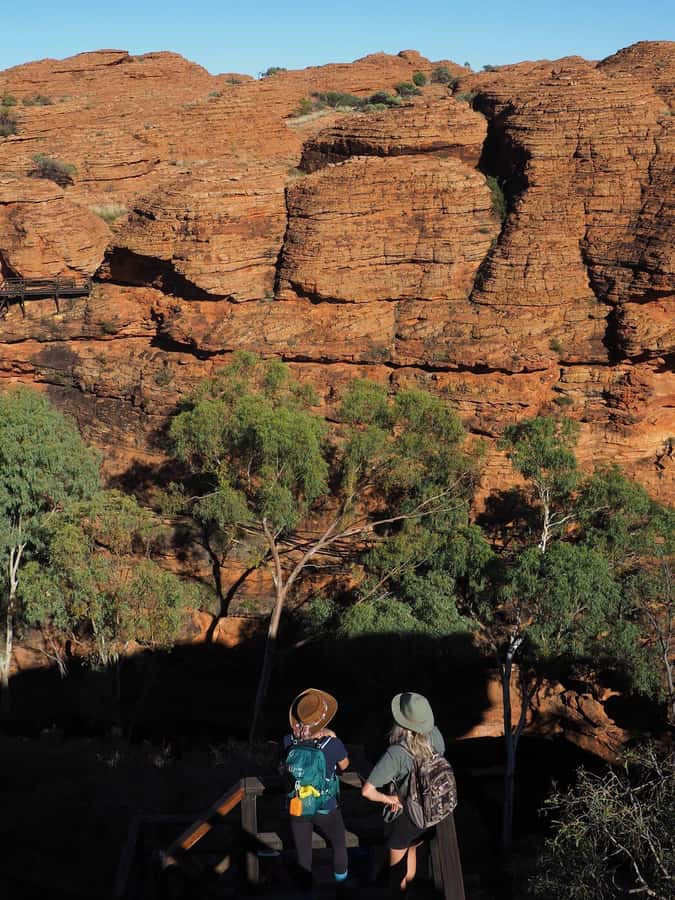
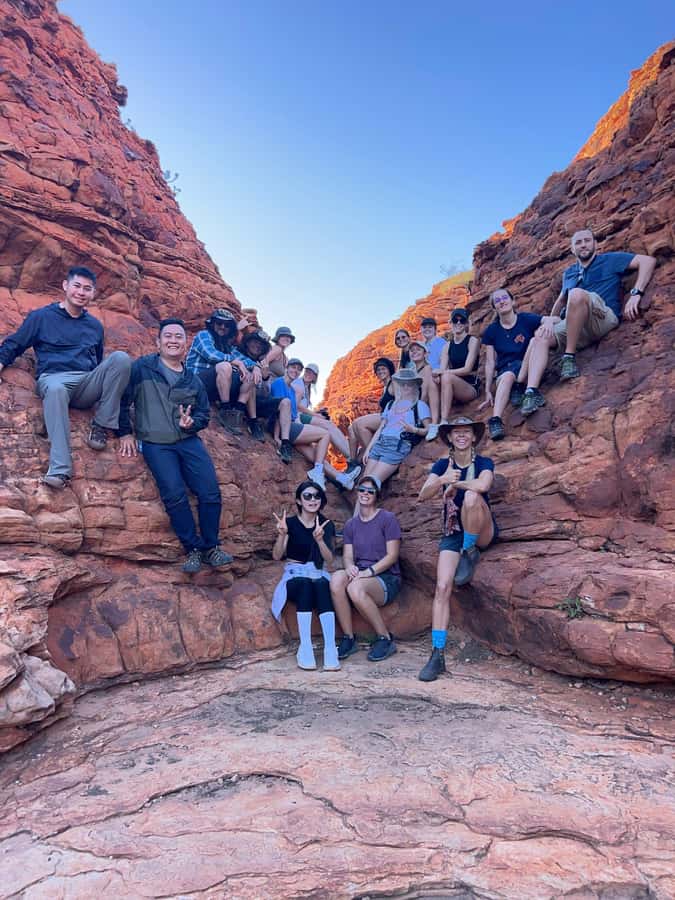
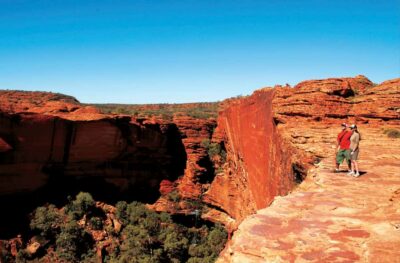
The Kings Canyon Rim Walk is the physical centrepiece of the trip. You hike around the rim in Watarrka National Park, with steep sections and broad views across the canyon country. The walk is often singled out as a highlight, and it is easy to see why: it gives you scale, height, and a much stronger sense of the region than a short lookout visit.
You should arrive ready to work. Wear proper footwear, carry water, apply sunscreen, and use a hat. The tour is not designed around sitting back while someone else does everything. You need enough fitness to enjoy a walk with inclines, especially after two early mornings and a night outdoors.
The Garden of Eden provides a quieter section of the route. It offers a change from the exposed rim and gives you a place to slow down before continuing. The guide helps manage the pace and group, which is useful when people have different walking speeds.
After the hike, you return to Kings Creek Station for lunch and some downtime. That rest matters. A four-day schedule packs in three major walking areas, so you need the quieter periods as much as the scenic ones.
The evening moves to a private bush camp at Curtin Springs Station. You can photograph sunset views of Mt Conner before settling in for the final night beneath the stars. Mt Conner is often mistaken for Uluru from a distance, so this stop adds another distinctive Red Centre sight without requiring another major hike.
The bush camp is also where the trip feels most basic. You use a swag, sleep on the ground, and may use a bush toilet. For some people, that is the best part. For others, it is the point where comfort limits become clear. I would choose this tour only if you can accept both possibilities.
A few more Alice Springs half-days to weigh up
- From Alice Springs/Yulara: 4-Day Red Centre 4WD Camping Tour
★ 4.6 · 68 reviews - 4 Day Uluru Kings Canyon West MacDonnell NP from Alice Springs
★ 4.5 · 59 reviews - Freedom 3/4 Day Hervey Bay Premium Whale Watching Cruise
★ 5.0 · 919 reviews - 4 Day Wild Tasmania Tour / Wildlife, Nature, Hiking / Inc. Accom
★ 5.0 · 126 reviews
Day 4: A slow morning and a careful airport plan
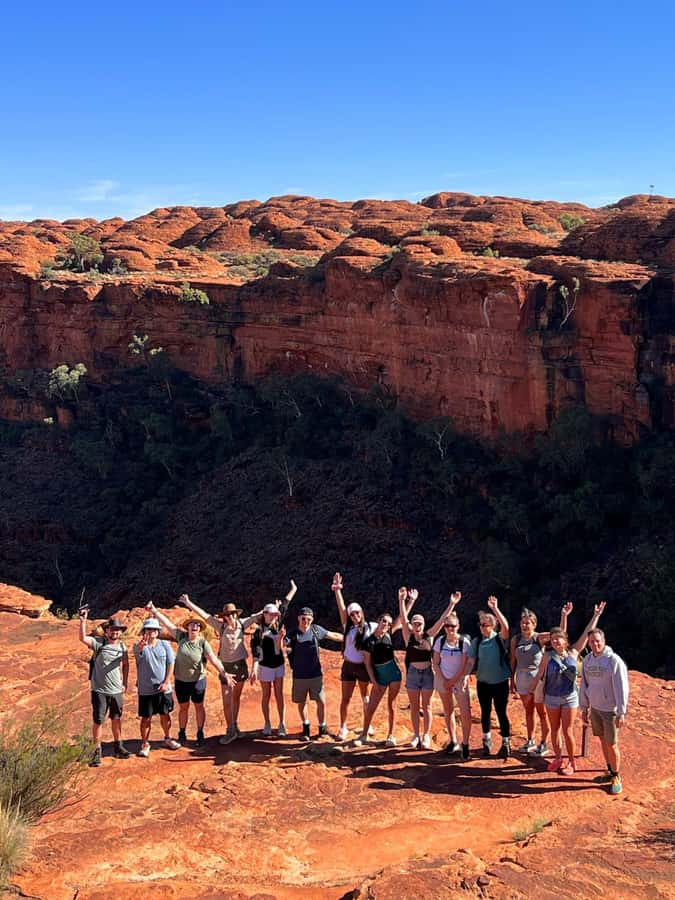
After several early starts, day four allows a sleep-in and a cooked breakfast. That slower opening is well judged. You are not forced straight from a pre-dawn wake-up into another long hike.
There is one final photo stop at Uluru before the tour ends at the airport around 10:00 AM. This timing can work well for a morning departure, but do not assume every flight will fit. One useful planning tip is to confirm whether a 10:00 AM flight is realistic for your exact pickup and airport arrangement before paying for your ticket.
The final morning is not meant to add another major attraction. It gives you one more look at Uluru and a clean finish after the longer walks and camp nights. If you need to return to Alice Springs rather than fly out, check the exact transfer plan when booking.
What the guides add to the experience
The guide can shape this trip more than any single stop. You spend long hours together on the bus, around meals, and beside campfires. A guide who explains the area clearly and keeps the group involved can make the drives feel social rather than tedious.
Different departures have featured guides including Sophie, Phoebe, Nat, Liv, Tim, CJ, Rachel, James, Lachie, Alex, and Lauchie. Sophie is praised for careful explanations of Anangu people, Uluru, Kata Tjuta, animals, and plants. Phoebe is known for bringing energy to the group, while Nat has adapted plans when weather affected the schedule.
Tim has used music and humour to help a busload of strangers connect. Liv has been praised for creating a friendly group atmosphere and handling vegan meals well. CJ has combined stories about Aboriginal culture, geology, and animals with close attention to how the group is coping.
You cannot choose the guide with certainty, so book the tour for its structure and activities rather than one individual. Still, the repeated importance of the guide tells you to value the human side of the experience. This is not a silent transfer between landmarks.
Food, camp life, and what to pack
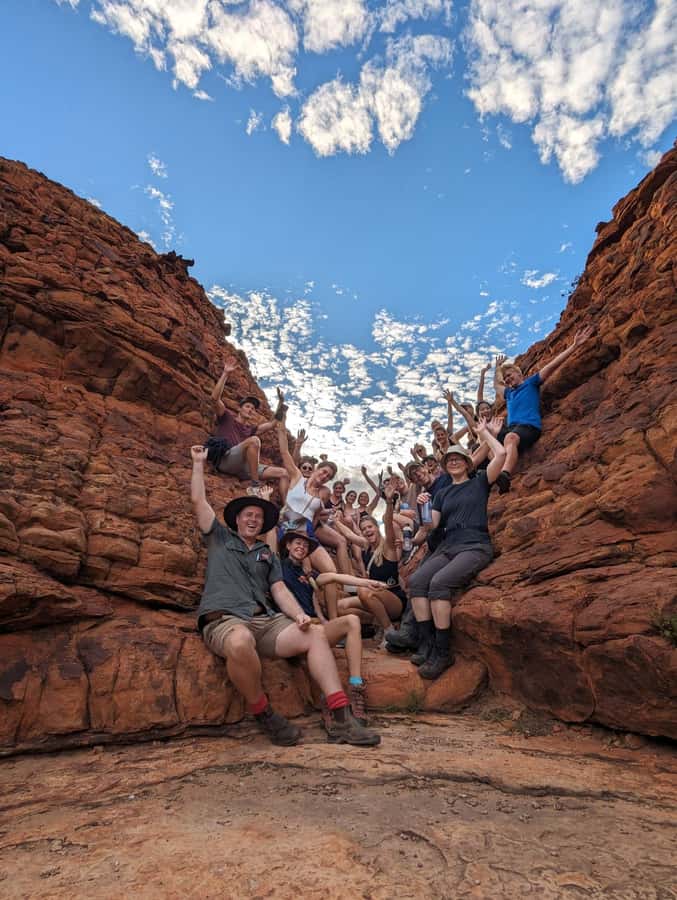
All meals are included, and dietary requirements can be accommodated. The food ranges from cooked breakfasts and packed lunches to BBQ dinners and camp meals. Past menus have included pasta and group treats such as chocolate cake, but you should not book expecting a fixed menu.
Shared cooking is part of the experience. You may collect firewood, help prepare meals, and take part in camp routines. That is a plus if you want a hands-on Outback trip. It is a drawback if you want staff to handle every task.
Pack light, with a small daypack for walks. Your main essentials are:
- Hiking shoes or sturdy comfortable shoes
- Warm layers for cold mornings
- A hat, sunglasses, sunscreen, and a fly-net
- A towel and swimwear
- Water and a reusable bottle
- A sleeping bag or $30 AUD rental money
- A small pillow
- Camera and personal toiletries
Layering is more useful than bringing one heavy jacket. Temperatures can shift sharply between dawn, midday, and night. You should also be ready for dust, heat, flies, and sleeping outdoors.
Who should book the Rock to Rock tour
I would recommend this trip to fit adults who want the Red Centre in an active, social format. You will get the most from it if you enjoy hiking, do not mind shared chores, can rise early for sunrise, and are happy to trade hotel comfort for stars and campfire evenings.
It works especially well if you have limited time and want to combine Uluru, Kata Tjuta, and Kings Canyon without arranging separate transport. The air-conditioned bus helps during hot drives, and the included meals reduce the planning burden in a remote area.
I would not choose it for a family holiday, a luxury break, or a gentle sightseeing schedule. The age rules are firm, and the walks can be demanding. People with back or heart problems, and pregnant women, should not book this activity.
Cancellation is free up to 14 days before departure. The tour is in English, and transport receives a high rating, with 89 percent of the published scores giving it the top mark.
Should you book it?
Book this tour if you want to see the Red Centre by walking through it, sleeping beneath it, and helping run a camp for four days. The strongest reasons are the Valley of the Winds, the Kings Canyon Rim Walk, the sunset and sunrise timing, and the chance to see the Milky Way from a swag.
Skip it if you need a private bed, dislike early mornings, or want complete control over your schedule. At $516, it is good value for an active all-in trip, but only if you use the included hikes, meals, transport, and camping experience. Bring layers, water, a fly-net, and the right attitude, and this has the makings of a memorable Uluru adventure.
FAQ
How long is the Uluru Rock to Rock tour?
The tour lasts four days.
What places does the tour visit?
The itinerary includes Uluru, Kata Tjuta, the Valley of the Winds, Kings Canyon, Kings Creek Station, Curtin Springs Station, the George Gill Range, and Mt Conner.
Is camping included?
Yes. Camping and national park fees are included, and you sleep in a swag on the ground under the stars.
Is a sleeping bag included?
No. You can bring your own sleeping bag or rent one on arrival for $30 AUD.
What meals are included?
Breakfast, lunch, and dinner are included according to the daily itinerary. Dietary requirements can also be accommodated.
Where can I be picked up?
Pickup is available from Alice Springs accommodation between 6:00 and 6:15 AM, Ayers Rock Airport around 1:00 or 2:00 PM, Outback Pioneer Lodge between 12:30 and 1:00 PM, and Sails in the Desert between 12:30 and 1:00 PM.
Can children join the tour?
No. Participants must be at least 18 years old. The tour is recommended for ages 18 to 49, and insurance covers people up to age 59.
Just added around Alice Springs
- Alice Springs to Uluru (Ayers Rock) Coach Transfer★ 4.5 · 39 reviews
- West MacDonnell Ranges & Standley Chasm Day Trip from Alice Springs★ 5.0 · 67 reviews
- Alice Springs Desert Park Nocturnal Tour★ 5.0 · 45 reviews
- Alice Town And Country Half Day Sunset Tour – Small Group★ 4.5 · 24 reviews
- Alice Springs Desert Park General Entry Ticket★ 5.0 · 150 reviews
- 3 Day Red Centre Kata Tjuta Kings Canyon Outback ex.Alice Springs★ 5.0 · 69 reviews
- West MacDonnell Ranges Half day Tour -Small Group★ 4.5 · 99 reviews
- 4 Day Uluru Kings Canyon West MacDonnell NP from Alice Springs★ 4.5 · 59 reviews
Uluru Tours, compared.

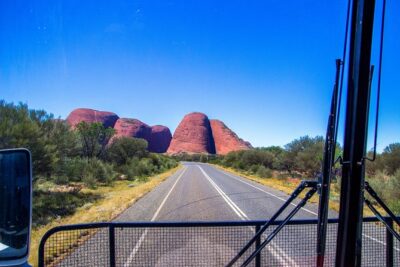
Ayers Rock Day Trip from Alice Springs Including BBQ Dinner
Read our review →
Kings Canyon: Full-Day Tour from Ayers Rock Resort
Read our review →
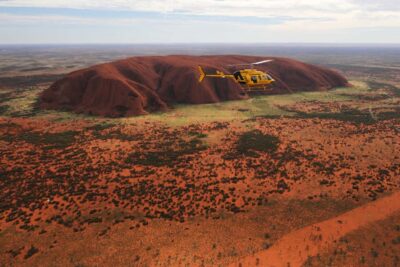
Uluru & Kata Tjuta 25-Minute Helicopter Experience
Read our review →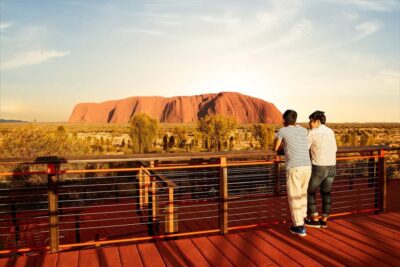
Sacred Sites & Sunset Tour with Wine & Cheeseboard
Read our review →Browse the lists this tour appears in