
Review · ALICE SPRINGS TOURS
Alice Springs Desert Park General Entry Ticket
The most striking part of Alice Springs Desert Park is how it shows that a desert is not empty. A walking trail takes you through woodland, sand, and river habitats, with plants and animals arranged in natural-looking settings rather than behind rows of plain cages. The nocturnal house adds another surprise, with bilbies and carnivorous ghost bats active in the dark.
I especially like the free-flying bird show and the chance to hear Aboriginal Arrernte stories tied to the land. I also like that you can set your own pace, staying for three hours or stretching the visit toward eight. The main consideration is the heat and the amount of walking, since this is an outdoor park and food, drinks, transport, and electric scooter hire cost extra.
Key points to know before you go
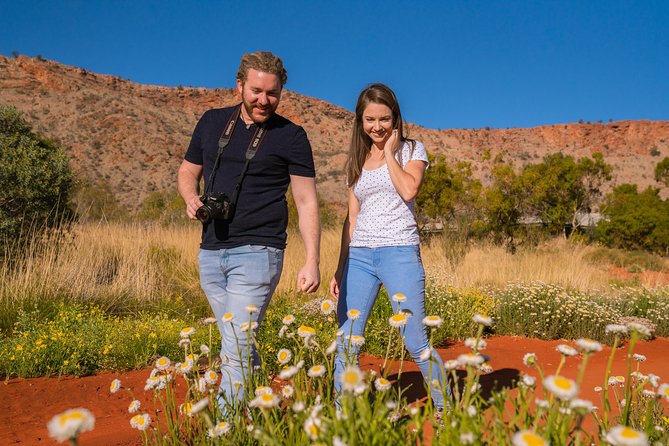
- Three desert habitats: Walk through woodland, sand country, and desert rivers to see how life changes with water and soil.
- A strong bird show: Birds of prey are shown in flight at the outdoor amphitheater.
- Rare night animals: The Nocturnal House features bilbies and carnivorous ghost bats.
- Aboriginal perspectives: Daily presentations share Arrernte traditions and Dreamtime stories.
- Flexible visit length: Allow three hours for the main sights, or stay much longer for talks, trails, and quiet observation.
- Simple family facilities: You will find a café, picnic and BBQ area, gift shop, and electric scooters for hire.
Why Alice Springs Desert Park works as a first stop
Alice Springs can feel vast and unfamiliar when you arrive. The Desert Park gives you a useful introduction before you head farther into Central Australia. In one place, you see the plants, animals, water sources, and human knowledge that make desert life possible.
I would not treat it as a standard zoo. The point is not to collect animals from around the world. The park focuses on Central Australian species and places them in habitats that reflect how they live. That makes the visit more useful than simply ticking off a list of native animals.
You begin at the park entrance, where you receive a map and the daily program. The program matters. Talks and animal presentations are spread through the day, so a quick look at the schedule helps you avoid arriving at an amphitheater after a show has started.
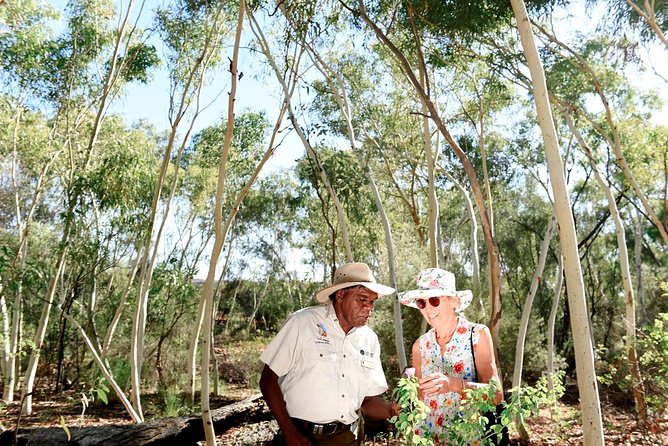
The visit is self-guided, but that does not mean you are left without explanation. Interpretive displays, keeper talks, and presentations fill in the details. Some of the most valuable sessions are led by Central Australian Aboriginal people, whose stories connect plants, animals, survival, and country.
The listed visit time is about three to eight hours. I would allow at least three hours if you want to see the main areas without rushing. Four or five hours gives you more breathing room for the bird show, Nocturnal House, waterhole exhibit, and a café or picnic stop. If you like plants, photography, or quiet animal watching, you can easily spend longer.
A few more Alice Springs half-days to weigh up
- From Alice Springs: Day Trip to Uluru with BBQ Dinner
★ 4.6 · 761 reviews - Ayers Rock Day Trip from Alice Springs Including BBQ Dinner
★ 4.5 · 639 reviews - Early Morning Ballooning in Alice Springs
★ 5.0 · 426 reviews
Following the woodland, sand, and river trail
The main walking route takes you through three broad desert environments: woodland, sand, and river. This layout gives the park a clear shape and helps you understand that Central Australian desert country is not one uniform place.
The woodland section shows how trees and smaller plants cope with dry conditions. Look closely at the botanical displays rather than racing toward the animal enclosures. A desert plant may not look dramatic at first, but the displays explain how vegetation supports insects, birds, and larger animals.
Sand country has a different feel. Here, you get a closer look at creatures and plants adapted to loose, dry ground. The path lets you move between areas at your own pace, which is useful if you want to pause for photographs or wait quietly for an animal to appear.
The river habitat is especially helpful for understanding the role of water in Central Australia. Even a waterhole can support fish, turtles, burrowing frogs, and yabbies. The aquarium lets you look into this underwater world without needing to guess what may be hiding below the surface.
I like this three-part design because it turns a walk into a simple lesson. You are not just seeing a plant or animal. You are learning why it belongs in that particular setting and what happens when water, shade, or sand changes.
Bring patience. Animals in naturalized enclosures may not pose beside the path on command. The reward is a more natural view, but the tradeoff is that you may need to linger and look carefully.
The Nocturnal House and Central Australia’s night shift
The Nocturnal House is one of the park’s most memorable stops. It reverses your normal day. You enter a dark indoor space to see animals that are active at night, including rare and endangered bilbies, also called macrotis, and carnivorous ghost bats.
This section is valuable because desert heat changes animal behavior. Many creatures avoid the worst daytime temperatures and come out after dark. The Nocturnal House gives you a chance to see that hidden part of desert life without waiting until midnight in the outback.
A keeper talk adds context. One especially well-regarded presentation is the nocturnal house talk, where you can learn more about the animals and their habits. Give yourself time here. The room is not just a quick corridor on the way to the next attraction.
Bilbies are a particular highlight. Their presence also points to the conservation work involved in protecting species that are rare or endangered. The park lets you see these animals while explaining that desert life can be fragile, even when the country looks tough.
The room may not suit everyone. It is dark, and some younger children may need time to adjust. Still, it is one of the best parts of the park for families because it feels different from the outdoor trail and gives children a clear answer to the question of what animals do at night.
The free-flying bird show at the outdoor amphitheater
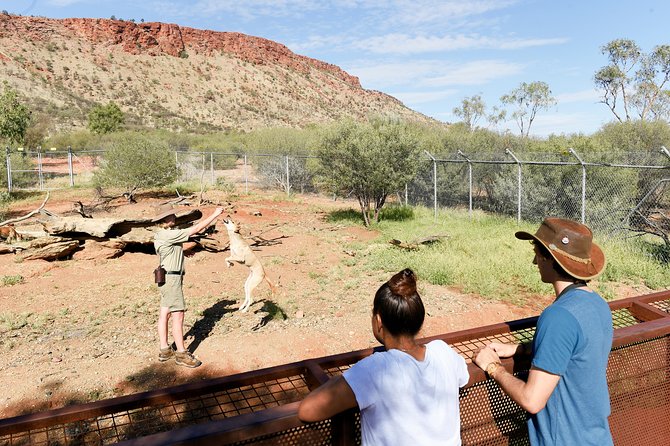
Plan your day around the bird show. Birds of prey are flown in the outdoor amphitheater, giving you a chance to see their speed, control, and hunting adaptations in action.
This is not just a static display with a bird perched on a keeper’s glove. The flight demonstration helps you notice how these animals use air and distance. It also breaks up the walking route with a scheduled event, which can be welcome in the middle of a warm day.
The bird show is frequently singled out as a highlight of the park, and I can see why. It adds movement and drama to a visit that otherwise depends on quiet observation. The program tells you when to arrive, so check the schedule as soon as you enter.
A guide named Reuben has been praised for combining wisdom and wit in his presentations. His approach shows why the staff talks matter. The animals attract you, but a good presenter helps you understand what you are seeing and why it matters.
The amphitheater is outdoors, so consider the sun when choosing where to sit. The supplied information does not give a detailed seating or shade plan, so the practical approach is to check the conditions on arrival and bring suitable sun protection.
Same base, a completely different day out:
- West MacDonnell Ranges Day Trip from Alice Springs
★ 4.5 · 364 reviews - Alice Springs: Early Morning Hot Air Balloon Flight
★ 4.9 · 243 reviews - Uluru, Kata Tjuta and Kings Canyon Camping Safari from Alice Springs
★ 5.0 · 162 reviews - Uluru: 4-Day Rock to Rock Adventure Tour
★ 4.9 · 141 reviews
Arrernte stories and practical desert knowledge
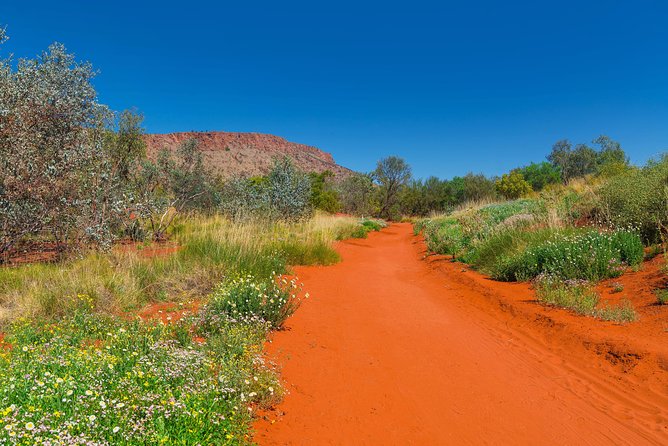
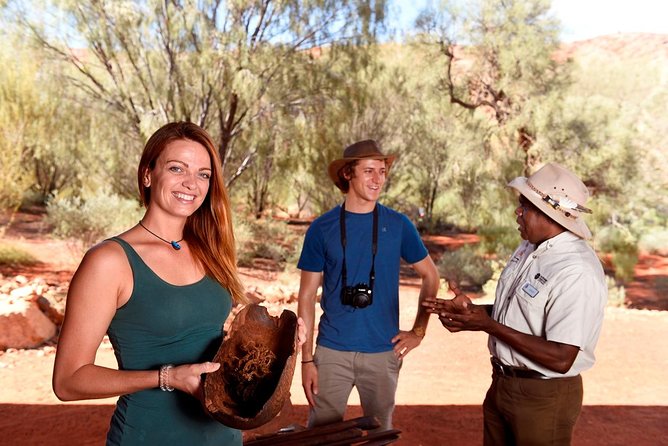
The human story is not an add-on here. Daily presentations explain the traditions of the Aboriginal Arrernte people and their Dreamtime stories, including the close ties between people and country.
This section adds depth to the animal exhibits. You learn how people used the desert’s plants and animals for food, medicine, and tools, and how knowledge of water and seasons made life possible in a difficult environment.
I would make a point of attending at least one Aboriginal presentation rather than spending the whole visit on the animal trail. The stories help you understand Central Australia as lived country, not simply a collection of scenic views and wildlife.
The park’s interpretive displays support these talks, so you can continue learning between scheduled sessions. Some presentations are delivered by Central Australian Aboriginal people, which gives the cultural material a direct local voice.
The information is most useful when you take your time. A quick photo of a sign will not have the same value as listening to the explanation and thinking about the connection between a waterhole, a plant, an animal, and the people who know that country.
Time, walking, food, and the $16 value

The listed price is $16, with admission included. Since the visit can last from roughly three to eight hours, that is a fair price for a substantial half-day or full-day activity, especially if you use the map and program well.
The value comes from variety. Your admission covers the walking habitats, animal enclosures, botanical displays, the Nocturnal House, aquarium area, scheduled talks, and free-flying bird show. You are not paying for one short presentation and then being sent on your way.
You will need to pay separately for food and drinks, electric scooter hire, and any additional animal encounters. Transport to and from the park is also not included, and there is no hotel pickup or drop-off.
The park has a café, gift shop, and picnic and BBQ area. That gives you options. Buy something at the café if you want convenience, or bring food and use the picnic area if you want to keep the day cheaper. The supplied information does not specify menus or prices, so I would not build your budget around a particular meal.
Electric scooters are available for an extra fee. This may be useful if walking for several hours is difficult, but the visit is built around paths and stops, so check the hire details before relying on a scooter as your main way to see the park.
The experience is near public transportation, and service animals are allowed. Most people can take part. The booking information lists a maximum of one traveler, which is unusual for a public attraction, so confirm the booking setup if you are arranging tickets for more than one person.
Who will enjoy this park most
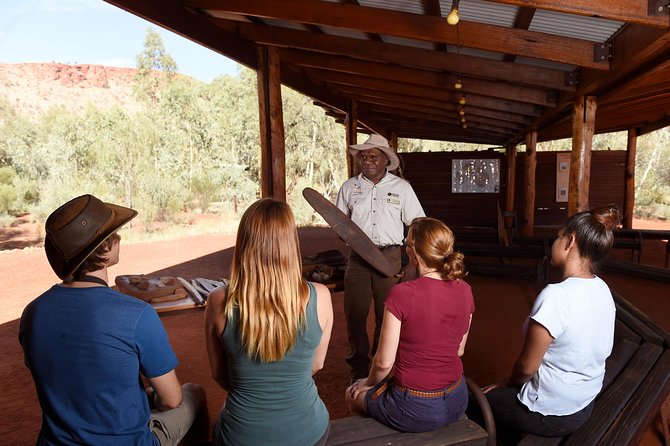
Families get a lot here. Children can watch birds fly, search for animals in the dark, look for aquatic life in the waterhole exhibit, and move between very different habitats. The park has enough variety to keep the day from feeling like one long walk.
It also suits adults who want context before visiting Uluru, the West MacDonnell Ranges, or other Central Australian sites. You leave with a better sense of how desert ecosystems work and how Aboriginal knowledge relates to country.
Bird lovers and wildlife photographers should allow extra time. Naturalized enclosures reward quiet observation, and the bird show provides the clearest chance to see animals in active motion.
The park may be less appealing if you want a tightly guided tour with constant commentary. Much of the visit is self-guided, and the amount you gain depends on how closely you follow the program and read the displays.
It is also not the right choice if you only have a very short stop in Alice Springs and cannot attend any of the talks. The admission still gives you access to the park, but the cultural presentations and bird show are important parts of its value.
Practical ways to plan your visit
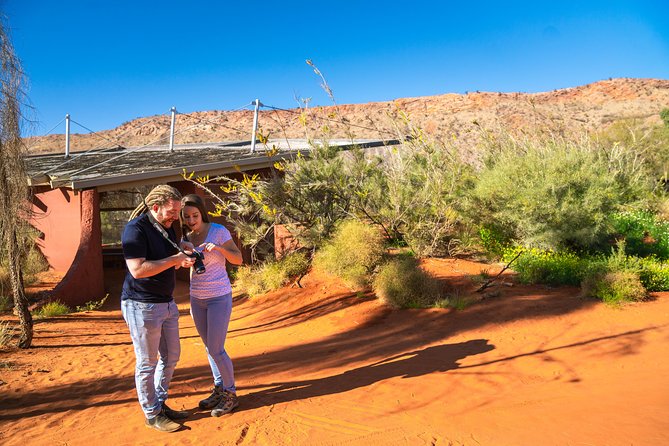
Start by checking the daily program at the entrance. Mark the bird show and any cultural or animal talks you want to attend, then fit the walking route around them.
Wear comfortable walking shoes and plan for outdoor conditions. The park includes outdoor trails and an amphitheater, while the Nocturnal House offers a cooler change of setting. The information provided does not state the exact amount of shade, so prepare for sun rather than assuming every path is covered.
Allow time to stop. The enclosures are designed for lingering, and rushing past them defeats the park’s purpose. If you have three hours, focus on all three habitats, the Nocturnal House, and the bird show. With more time, add a café or picnic break and revisit any enclosure where an animal was hiding.
If you are visiting as part of a larger Alice Springs program, such as a Ghan train group, the park works well as an opening activity. It gives you a broad introduction before more remote excursions, though you should still check how much free time your group schedule provides.
The cancellation terms are strict. The experience is non-refundable and cannot be changed for any reason, so choose your date carefully before paying.
Should you book Alice Springs Desert Park?
I would book it if you want one reasonably priced place to understand Central Australian wildlife, desert habitats, and Aboriginal culture. The best reasons are the free-flying bird show, the Nocturnal House, and the Arrernte presentations. Those three parts give the visit much more range than a simple walk through animal enclosures.
Book it especially if you have at least three hours and enjoy setting your own pace. Families, first-time visitors to Alice Springs, wildlife fans, and anyone curious about desert survival should find plenty to hold their attention.
I would skip it only if your schedule is too tight for the walking route and daily program, or if you prefer a fully guided experience from start to finish. For most people with half a day available, the $16 admission offers solid value and a thoughtful introduction to the living desert.
FAQ
How long should I allow for Alice Springs Desert Park?
The visit takes approximately three to eight hours. Allow at least three hours for the main habitats, Nocturnal House, bird show, and selected talks. You can stay longer if you want a slower visit, a café or picnic break, and more time at the enclosures.
Is the visit guided or self-guided?
The main visit is self-guided. You receive a park map and daily program, then follow the walking trail at your own pace. Staff presentations, interpretive displays, and scheduled animal talks provide added guidance during the day.
What animals can I see?
The park features native Central Australian wildlife in naturalized enclosures. The Nocturnal House includes bilbies and carnivorous ghost bats. The waterhole exhibit includes fish, turtles, burrowing frogs, and yabbies, and the outdoor bird show features birds of prey in flight.
Does the park include Aboriginal cultural information?
Yes. Presentations cover the traditions of the Aboriginal Arrernte people and Dreamtime stories about connections between people and the land. Many guide presentations are delivered by Central Australian Aboriginal people.
Are food and transport included in the ticket?
No. Food and drinks, transport to and from the attraction, hotel pickup and drop-off, electric scooter hire, and additional animal encounters are not included. The park has a café, picnic and BBQ area, gift shop, and electric scooters for hire.
Can I cancel or change my booking?
No. The experience is non-refundable and cannot be changed for any reason. If you cancel or request an amendment, the amount paid will not be refunded.
Just added around Alice Springs
- West MacDonnell Ranges & Standley Chasm Day Trip from Alice Springs★ 5.0 · 67 reviews
- Alice Springs to Uluru (Ayers Rock) Coach Transfer★ 4.5 · 39 reviews
- Alice Springs Desert Park Nocturnal Tour★ 5.0 · 45 reviews
- Alice Town And Country Half Day Sunset Tour – Small Group★ 4.5 · 24 reviews
- 3 Day Red Centre Kata Tjuta Kings Canyon Outback ex.Alice Springs★ 5.0 · 69 reviews
- West MacDonnell Ranges Half day Tour -Small Group★ 4.5 · 99 reviews
- 4 Day Uluru Kings Canyon West MacDonnell NP from Alice Springs★ 4.5 · 59 reviews
- From Alice Springs: Palm Valley 4WD Outback Safari + Picnic★ 4.5 · 64 reviews
Alice Springs Tours, compared.

Ayers Rock Day Trip from Alice Springs Including BBQ Dinner
Read our review →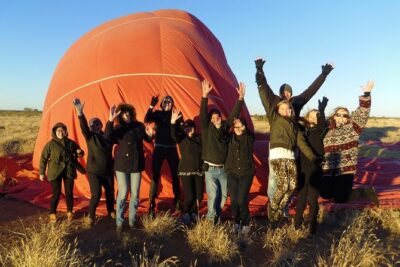
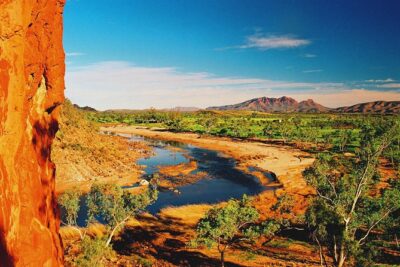
West MacDonnell Ranges Day Trip from Alice Springs
Read our review →

Uluru, Kata Tjuta and Kings Canyon Camping Safari from Alice Springs
Read our review →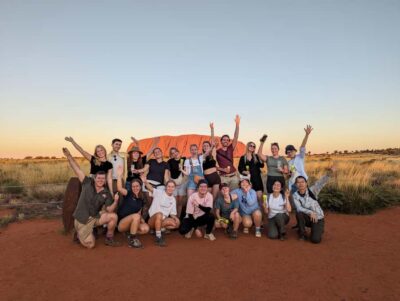
West MacDonnell Ranges Half day Tour -Small Group
Read our review →Browse the lists this tour appears in