
Review · ULURU TOURS
Uluru, Kata Tjuta and Kings Canyon Camping Safari from Alice Springs
The best part of this three-day safari is the way it links the Red Centre’s big three sights in one compact trip. You’ll see Uluṟu glow at sunset and sunrise, walk among the domes of Kata Tjuṯa, and finish with the excellent Kings Canyon rim walk. The long drives are real, but they are the price of reaching these remote places.
I like the early starts, because they put you on the trails before the worst heat and often before the biggest crowds. I also like the mix of scenery and culture, especially the Maruku Arts walk and the chance to hear Aboriginal stories from a First Peoples guide. The main caution is simple: this is active camping, not a soft hotel tour, and summer temperatures can reach 41 to 43°C.
Key points at a glance
- Three major Red Centre sites: Uluṟu, Kata Tjuṯa, and Kings Canyon all fit into three days.
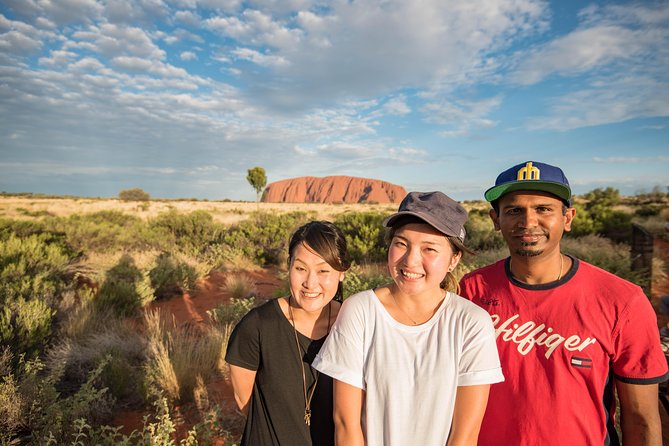
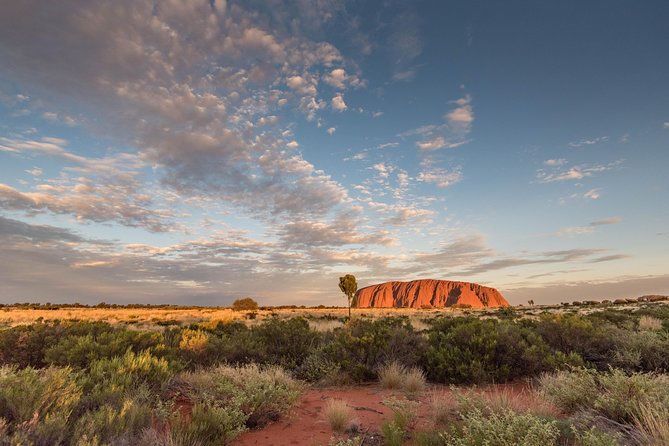
- Sunrise and sunset at Uluṟu: The rock changes from deep red to bright orange as the light shifts.
- Three substantial walks: Expect guided hikes at Kata Tjuṯa, around Uluṟu, and through Kings Canyon.
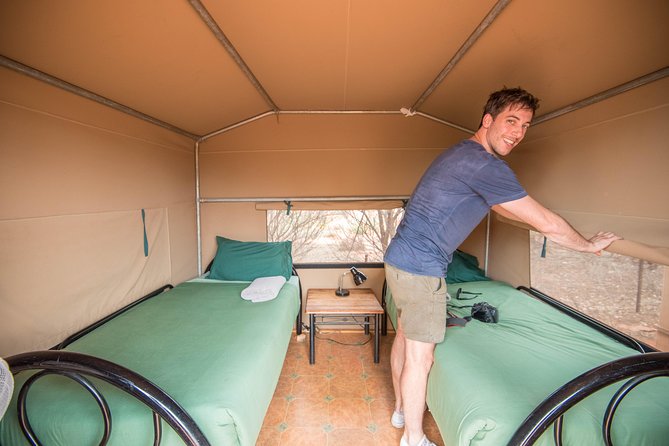
- Camping with two comfort levels: Tent cabins with beds are available, while swags offer a more basic night outdoors.
- Small group format: The maximum group size is 23 people, which helps keep the tour personal.
- Strong guides: Ty, Mishka, Lorrie, Ryan, Troy, Lachie, Libbi, and others have been praised for safety, storytelling, and local knowledge.
Why this three-day route works
This is one of the most efficient ways to see the Red Centre if you are starting in Alice Springs and do not want to arrange a car, campsites, meals, park entry, and guided walks yourself. The route covers a lot of ground, but the sights are so different that the trip does not feel like three versions of the same red-rock stop.
Uluṟu is the emotional centre of the trip. Kata Tjuṯa has a rougher, more enclosed feel, with 36 rounded domes rising from the desert. Kings Canyon brings high walls, a deep gorge, and the Garden of Eden, a shaded waterhole area that gives the final day a memorable finish.
The trade-off is time. Uluṟu is more than 400 kilometres from Alice Springs, so you spend many hours on the coach. I see that as a fair exchange for having someone else handle the driving, but you should not book this expecting a relaxed weekend with short transfers.
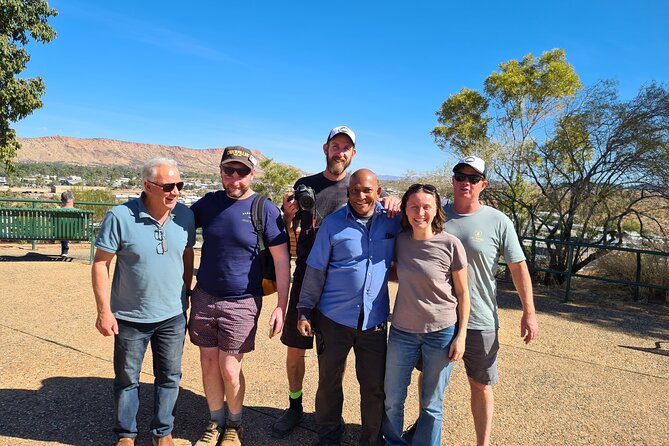
The group limit of 23 is useful. It is large enough to create a friendly campfire atmosphere, yet small enough for a guide to keep track of people on the walks. Groups can include younger people on working holidays, families, couples, and older hikers, so the pace and social mix may vary.
More Uluru Tours in Alice Springs
- From Alice Springs: Day Trip to Uluru with BBQ Dinner
★ 4.6 · 761 reviews - Ayers Rock Day Trip from Alice Springs Including BBQ Dinner
★ 4.5 · 639 reviews - Uluru: 4-Day Rock to Rock Adventure Tour
★ 4.9 · 141 reviews
Day one: Kata Tjuṯa before Uluṟu sunset
The tour begins at 5:40 a.m. at Stay at Alice Springs Hotel on Leichhardt Terrace. That is an early start, and you should have breakfast arrangements sorted before pickup. The first day includes a long transfer toward Uluṟu-Kata Tjuṯa National Park, so bring water, snacks, and patience for the coach ride.
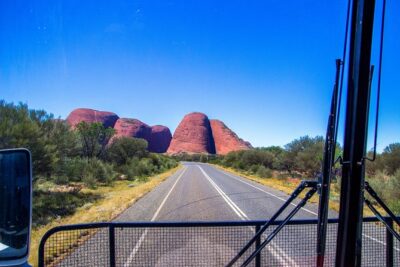
Kata Tjuṯa is the first major walk. Its 36 domes feel different from Uluṟu: less like one giant monolith and more like a cluster of huge rounded hills pressed together. The afternoon hike lets you see the formations from close range, with the track moving through narrow gaps and open views.
The walk is listed at about two hours, but heat can change how it feels. The Red Centre sun is hard on the body, and even a moderate trail becomes demanding when the temperature climbs. Bring a hat, sturdy shoes, and electrolytes. Several people found the walks manageable but tiring, especially when knee trouble or heat was involved.
The reward comes later at Uluṟu. As evening arrives, you stop for sunset and snacks while the rock shifts through shades of red, orange, and purple. The sunset viewing is not just a quick photo stop. It is one of the moments when the scale and isolation of the place really register.
The amount and type of sunset food can vary, so keep your expectations sensible. The experience includes snacks, but do not assume a champagne-style setup or a large meal at the viewing point. The proper evening meal comes at camp.
Camping in the Red Centre
The word glamping needs a little translation here. The more comfortable option uses tent cabins with steel-frame beds, lights, and, in some cases, a fan. That is a pleasant step up from sleeping on the ground, but it is still basic outdoor accommodation.
The second campsite can be more rugged. Facilities have been described as rough, with simple toilets and showers, limited power, and less protection from heat or insects. Conditions can also vary by camp and by season. You may find the setup comfortable and fun, or you may consider it too spartan.
Swags are the other sleeping choice. These are outdoor sleeping rolls used under the stars, usually around the campfire area. If you choose a swag, you need a sleeping bag. If you choose a tent cabin, the equipment requirement is different, so check the final instructions carefully before leaving Alice Springs.
Camping is also a shared effort. You may help prepare vegetables, set tables, wash dishes, or tidy the camp. That is part of the appeal for some people. Meals appear through group cooperation, and several guides have been praised for producing fresh, filling food in very basic conditions.
For others, camp organization has been a weak point. A guide may be driving, cooking, setting up, and managing the group at once. On some departures, that can mean slower meals or a rushed evening schedule. Bring a cooperative attitude, and remember that this is an outback camping safari rather than a staffed lodge.
Day two: Uluṟu at sunrise and the base walk
Day two starts before dawn. You may be up around 4:30 or 5:00 a.m., depending on the camp and the schedule. It sounds punishing, especially after a full first day, but the timing is smart. The air is cooler, the rock is quiet, and the light builds slowly across the desert.
The sunrise walk around Uluṟu is one of the strongest parts of the trip. The sun rises behind you, so Uluṟu itself is not the foreground for the rising sun. Instead, the rock begins to glow as daylight reaches it, while the surrounding ground remains dim. That contrast creates a calm, almost solemn scene.
The base walk can cover a substantial distance, with some departures completing around 10 kilometres. You get a closer view of caves, waterholes, folds in the rock, and the way the surface changes from smooth walls to weathered sections. Your guide adds information about plants, animals, geology, and Aboriginal culture along the way.
This is also a place where respectful conduct matters. Uluṟu is a deeply significant site for the Anangu people. The tour’s cultural approach is one of its strong points, and the guides have been praised for explaining the connection between people, stories, and country without treating the area as just a scenic backdrop.
Heat is the limiting factor. If you have trouble with your knees, are not used to long walks, or are visiting during a hot spell, tell your guide early. You can spend part of the day on the coach, but this is not a sightseeing tour built around short strolls.
More safari days around Alice Springs:
- From Alice Springs: Palm Valley 4WD Outback Safari + Picnic
★ 4.5 · 64 reviews - Ocean Safari Great Barrier Reef Experience in Cape Tribulation
★ 5.0 · 902 reviews - Kangaroo Island 75-Minute Coastal Safari
★ 5.0 · 607 reviews - Marine Eco Safari – Swim with Manta Rays
★ 5.0 · 493 reviews
The Cultural Centre and Maruku Arts
After lunch, the group visits the Uluṟu-Kata Tjuṯa Cultural Centre. The scheduled stop is only about 30 minutes, which is enough for a quick look but not enough for a detailed visit. If you want time to read exhibits, browse art, and think about what you have seen, this stop may feel too short.
The Cultural Centre is also a useful place to buy art and craft from First Peoples artists. Take your time when choosing anything to take home. Ask about the artist, the community connection, and the meaning of the work rather than treating it as a generic souvenir.
The Maruku Arts visit adds a more direct cultural element. You take part in an interpretive walk with an Aboriginal and Torres Strait Islander guide. This is a valuable counterpoint to the physical walks because it gives context to the places you are crossing.
The cultural walk is listed as a 30-minute activity. On some departures, the exact program may change, so do not build your entire understanding of Anangu culture around this one brief stop. Still, it is an important part of the itinerary and helps connect the scenery with living culture.
Day two at Watarrka National Park
After the Uluṟu activities, the coach continues to Watarrka National Park, home of Kings Canyon. This is another long transfer, but it positions you for an early start on the final day.
The campsite is described as exclusive, which generally means the group stays within the park rather than returning to a town hotel. The setting is the main attraction. At night, the sky can be spectacular, and one departure reported a particularly clear view of the Milky Way.
Facilities are basic, and power, lighting, showers, and toilet conditions may not match what you expect from the word glamping. Pack a small torch or headlamp, even if battery lights are available, and keep your gear organized so you are not searching for essentials in the dark.
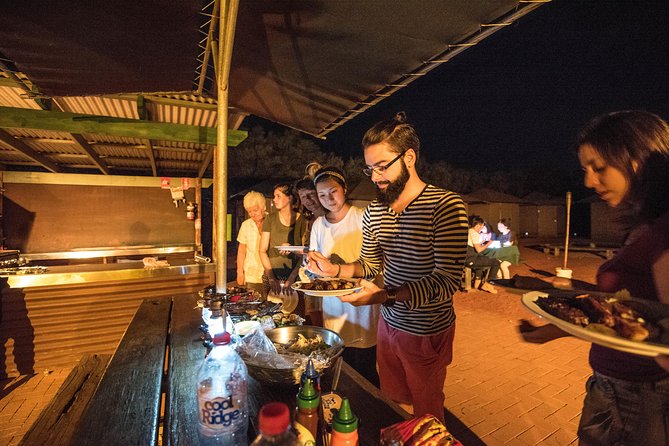
Dinner is part of the communal routine. Food has received some of the most consistent praise, with fresh-cooked meals described as plentiful and better than expected. The exact menu can vary, and one negative account reported meals that felt too limited, so I would still carry personal snacks.
Day three: Kings Canyon and the rim walk
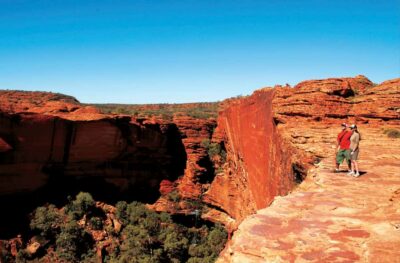
Kings Canyon is the grand finale, and for many people it becomes the surprise favourite. The gorge has sheer walls hundreds of metres high, with layered red rock, narrow passages, and wide views across the surrounding desert.
The main choice is the Kings Canyon rim walk. It is physically demanding, especially at the start, but the payoff is excellent. The route reaches high viewpoints and passes the Garden of Eden, an unusually lush waterhole area inside the canyon. You should choose the rim walk only if you are comfortable with a sustained hike and uneven ground.
The walk can take around four hours, and the heat matters. Start with plenty of water, use sun protection, and follow the guide’s instructions. If you have knee problems or limited fitness, ask what shorter options are available before committing to the route.
I would not skip the rim walk simply because it sounds challenging. It is the part of the tour most likely to make you glad you accepted an early alarm, a rough campsite, and hours on the coach. The canyon has a scale that photographs do not fully capture.
Guides, meals, and the group atmosphere
The guide can make or break a trip like this. You are relying on one person for transport, timing, safety, cooking, camp routines, and interpretation. Guides named in feedback include Ty, Asha, Mishka, Renée, Lorrie, Ryan, Troy, Lachie, Libbi, and Tai.
The most praised qualities are clear explanations, calm organization in the field, good storytelling, and attention to individual needs. Ty, Mishka, Lorrie, Ryan, and others have been singled out for keeping people safe and included while making the long days more entertaining.
A guide may also be stretched thin. Some departures have felt like a one-person operation, with the guide doing too much instead of assigning camp tasks. The experience works best when everyone helps rather than waiting for hotel-style service.
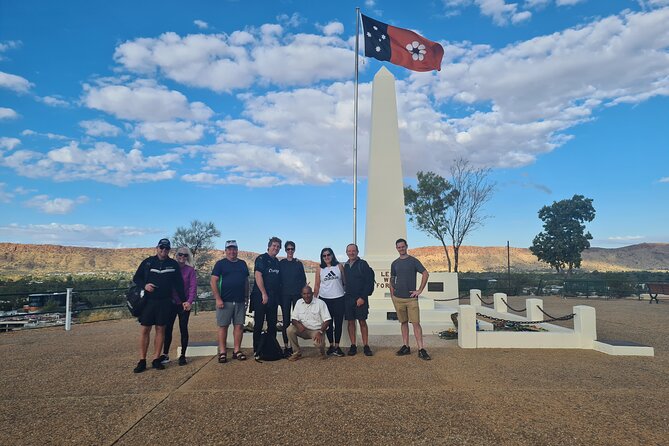
The social side is a genuine bonus. Shared cooking and campfire time create easy conversation, and groups often include people from many countries and age groups. You may prefer an early night in your tent, or you may sit outside under the stars with the rest of the group.
Price, physical demands, and practical value
At $713.66 per person, the tour is not cheap, but the price covers a lot: round-trip coach transport from Alice Springs, national park access, guided walks, camping, meals, and the planning needed to connect three remote sites.
The value is strongest if you do not want to hire a car or manage outback distances yourself. You also gain guides who can explain the places and handle the daily logistics. If you would rather have private rooms, long sleep-ins, and restaurant meals, the price will feel less attractive because this tour asks you to work for the experience.
The physical demands are serious. You may walk around Uluṟu for several hours, hike at Kata Tjuṯa, and complete the Kings Canyon rim walk. The coach time gives your legs a break, but the schedule remains active.
Pack:
- A wide-brimmed hat and sturdy walking shoes
- A refillable water bottle, ideally insulated
- Electrolytes and personal snacks
- Warm layers for cold mornings
- A torch or headlamp
- A sleeping bag if you choose a swag
- Simple clothing that can handle dust, heat, and camp chores
Pickup is offered from the Alice Springs meeting point, and the activity returns there at the end. Confirmation is sent within 48 hours, subject to availability. The tour requires a moderate fitness level and has a maximum of 23 people.
The cancellation terms are worth noting before you pay. You can receive a full refund if you cancel at least six full days before the start time. A cancellation two to six full days ahead receives 50 percent, while a cancellation less than two full days before departure is not refunded.
Should you book this Uluṟu camping safari?
I would book this tour if you have only a few days, want all three major sites, and are comfortable with early mornings, long drives, group meals, and basic camping. The sunrise walk at Uluṟu and the Kings Canyon rim walk alone make the route worthwhile.
I would think twice if you need reliable comfort, have difficulty with long hikes, or are visiting during extreme heat. In that case, a longer itinerary with more rest, or accommodation-based touring, may suit you better.
For the best balance of comfort and adventure, choose a tent cabin rather than a swag, carry serious hydration supplies, and treat the camp chores as part of the deal. This is a demanding trip, but it gives you a concentrated and memorable introduction to the Red Centre.
FAQ
Where does the tour start?
The tour starts at Stay at Alice Springs Hotel, 11 Leichhardt Terrace, Alice Springs, Northern Territory.
What time does pickup begin?
The listed start time is 5:40 a.m.
How long is the tour?
The experience lasts approximately three days.
Which places does the tour visit?
It visits Kata Tjuṯa, Uluṟu, the Uluṟu-Kata Tjuṯa Cultural Centre, Maruku Arts, Watarrka National Park, and Kings Canyon.
Are meals included?
Yes, meals are included during the camping safari.
Is camping included?
Yes, camping accommodation is included. The available setup may include tent cabins with beds or swags under the stars.
Do I need a sleeping bag?
You need a sleeping bag if you stay in a swag. You do not need one for a tent cabin, according to the supplied tour information.
How difficult are the walks?
The tour requires a moderate level of physical fitness. It includes guided walks at Kata Tjuṯa, around Uluṟu, and at Kings Canyon, including the challenging rim walk.
How many people can join the tour?
The maximum group size is 23 people.
What is the cancellation policy?
You can cancel at least six full days before the start time for a full refund. Cancellation two to six full days ahead receives a 50 percent refund. Cancellations less than two full days before the start time are not refunded.
Just added around Alice Springs
- Alice Springs to Uluru (Ayers Rock) Coach Transfer★ 4.5 · 39 reviews
- West MacDonnell Ranges & Standley Chasm Day Trip from Alice Springs★ 5.0 · 67 reviews
- Alice Springs Desert Park Nocturnal Tour★ 5.0 · 45 reviews
- Alice Town And Country Half Day Sunset Tour – Small Group★ 4.5 · 24 reviews
- Alice Springs Desert Park General Entry Ticket★ 5.0 · 150 reviews
- 3 Day Red Centre Kata Tjuta Kings Canyon Outback ex.Alice Springs★ 5.0 · 69 reviews
- West MacDonnell Ranges Half day Tour -Small Group★ 4.5 · 99 reviews
- 4 Day Uluru Kings Canyon West MacDonnell NP from Alice Springs★ 4.5 · 59 reviews
Uluru Tours, compared.

Ayers Rock Day Trip from Alice Springs Including BBQ Dinner
Read our review →
Kings Canyon: Full-Day Tour from Ayers Rock Resort
Read our review →
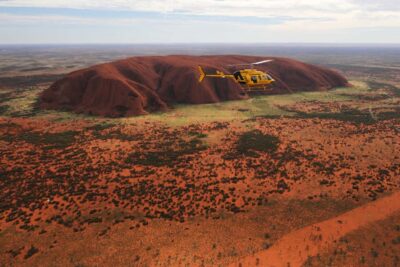
Uluru & Kata Tjuta 25-Minute Helicopter Experience
Read our review →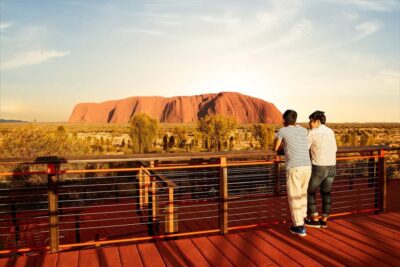
Sacred Sites & Sunset Tour with Wine & Cheeseboard
Read our review →Browse the lists this tour appears in