

Review · ALBANY TOURS
Albany: National Anzac Centre Entry Ticket
The most affecting part of Albany’s National Anzac Centre is its personal scale. Instead of presenting WW1 as a list of battles and dates, it places you alongside one of 32 real service men or women and follows that person from recruitment and training through convoy life, war, and the difficult years after 1918. I like the way the audio and interactive displays let you move at your own pace. I also like the final Pool of Reflections, where the names of 41,265 people who left Albany in the first two convoys appear beneath the water.
The $17 admission is good value if you can give the museum at least two hours, especially since it includes a history talk about the Princess Royal Fortress complex. The one drawback is the subject matter. This is a serious war museum, not a light family attraction, and its strong themes may be unsuitable for young children.
Key points to know before you go

- Follow one real person through WW1: Choose from 32 individual stories and track each life from recruitment to its final outcome.
- See where the Anzac story began in Australia: The first convoy left King George Sound on 1 November 1914.
- Use the interactive displays at your own speed: Audio, film, rare images, artifacts, and touch-based exhibits make the visit personal rather than lecture-like.
- Finish at the Pool of Reflections: The names of 41,265 servicemen and women who left Albany in the first and second convoys appear as part of the closing display.
- Add the Princess Royal Fortress talk: The admission includes a history talk and a free guided tour of the forts.
- Plan for two hours and comfortable shoes: The museum and fortress grounds are best treated as a substantial visit, not a quick stop.
Why Albany matters to the Anzac story
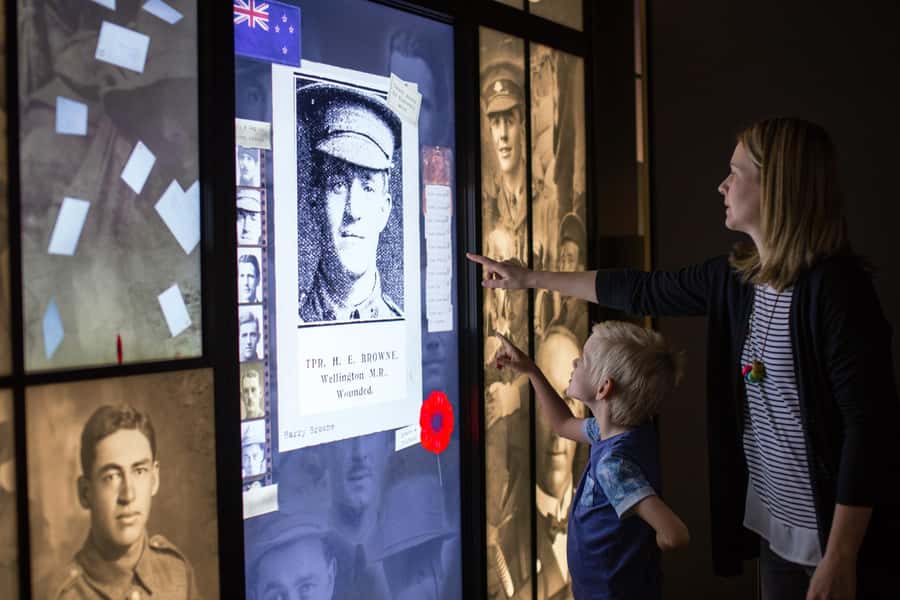
The National Anzac Centre sits within the Princess Royal Fortress, above King George Sound. This setting gives the museum an important sense of place. On 1 November 1914, the first convoy of Australian and New Zealand troops departed from Albany for the First World War.
For many of those men and women, Albany was the last sight of Australian soil. The museum’s story is therefore tied to an actual departure point, not simply a convenient exhibit location. You can look across the same broad waterway that carried the convoys away, then enter the centre to follow the people who sailed.
Albany is also linked to the first documented Anzac Day Dawn Service in Australia. That detail adds weight to a visit here, particularly if you are interested in how remembrance developed alongside the wartime story.
The museum does not ask you to treat the war as a distant chapter. It keeps bringing the story back to ordinary people: their decisions, fears, work, family ties, and uncertain futures.
A few more Australia half-days to weigh up
- Kalgan Queen Scenic Cruises a four hour sheltered water wildlife tour daily fun.
★ 5.0 · 474 reviews - National Anzac Centre General Entry Ticket
★ 4.5 · 210 reviews - Albany’s Historic Whaling Station Admission Ticket
★ 4.5 · 86 reviews
Choosing one of 32 personal stories
When you begin, you assume the identity of one of 32 actual service men or women. The centre then follows that person through the main stages of the war.
This is a smart way to handle a huge subject. WW1 involved many countries, fronts, and years of fighting. A conventional museum can leave you with scattered facts. Here, one individual gives you a thread to hold onto while the wider events unfold.
You follow the selected person through recruitment, training, and departure. The story then moves to life aboard the convoys, before reaching the conflicts at Gallipoli, in the Middle East, and on the Western Front. For those who returned, the story continues into post-war life.
That last stage matters. War museums often end when the fighting stops, but returning home did not mean that life instantly became normal. The centre includes the later fate of each character, giving the personal stories a proper ending, even when that ending is sad or unresolved.
I would take time to listen rather than rushing from screen to screen. One of the strongest features is that you can hear the stories at your own pace. You do not need to keep up with a guide or a fixed group. Pause when a story catches your attention, and move on when you are ready.
Interactive displays that keep the story human
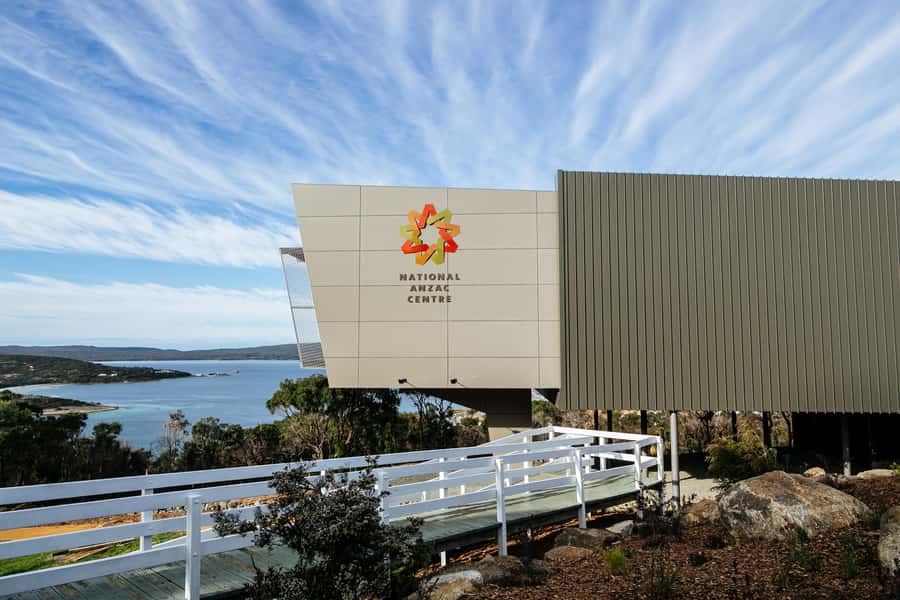
The centre uses multimedia displays, audio commentary, film, rare images, and wartime artifacts. The technology has a clear purpose: it links you to a person rather than using screens as decoration.
You may find yourself switching between personal material and the wider events of WW1. That contrast helps explain how large conflicts reached into private lives. A convoy, battle, or military campaign becomes easier to understand when it is connected to one of the people you have been following.
The self-guided format is useful for different types of visitors. If you already know a good deal about Anzac history, you can focus on details that interest you. If the subject is new to you, the personal sequence gives you a simple path through the displays.
There is also a quiet emotional effect to moving through the museum in this way. You begin with a person who has hopes and plans. You then see that person enter a system shaped by military orders, long journeys, battle, injury, separation, and loss.
The museum is informative, but it is not emotionally neutral. Some displays may be difficult, particularly for children or anyone sensitive to war material. Allow time afterward to step outside and take in the setting.
The convoy departure and King George Sound
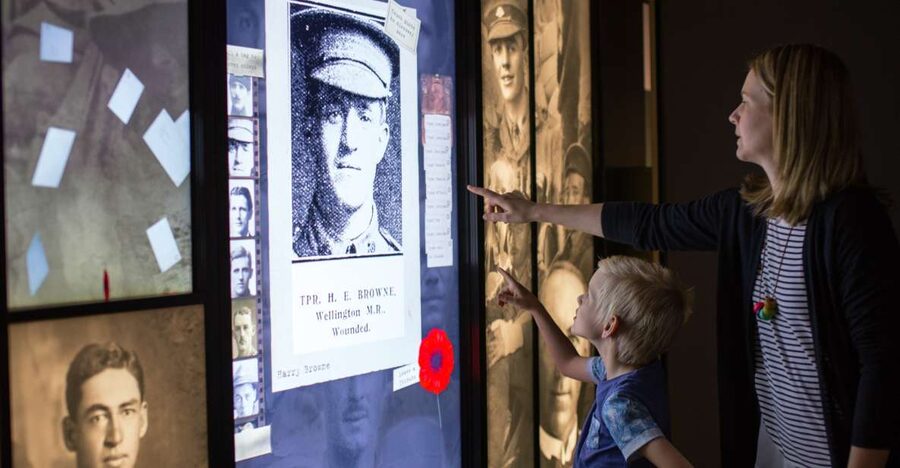
The first convoy left Albany on 1 November 1914. The National Anzac Centre uses that event as one of the main foundations of its story.
This is where the museum’s location does much of the work. You are not only learning that troops departed from Albany. You are visiting the place connected with that departure and the final Australian moments of many people who sailed.
The first and second convoys carried 41,265 servicemen and women from Albany. Their names return near the end of the museum experience, when they scroll beneath the Pool of Reflections.
That number can feel abstract on its own. The closing display makes it more personal by placing the names in view after you have followed an individual story. You have already spent time with one person, so the long list becomes a reminder of the many other lives behind the figure.
You should allow a little extra time for this section. It is not a spot to hurry through on the way to the exit.
Same base, a completely different day out:
- Sydney: Opera House Guided Tour with Entrance Ticket
★ 4.8 · 8,312 reviews - All Inclusive Blue Mountain,Scenic World,Lunch,Koalas,ferry
★ 5.0 · 7,832 reviews - Great Ocean Road Small-Group Eco Tour from Melbourne
★ 5.0 · 6,607 reviews - From Melbourne: Great Ocean Road, 12 Apostles, Wildlife Tour
★ 4.7 · 6,020 reviews
Ending at the Pool of Reflections
The final part of the centre brings the experience to a subdued close. The names of the 41,265 people from the first and second convoys appear beneath a Pool of Reflections.
The water imagery and scrolling names create a pause after the more active displays. You have listened, watched, and followed a story. Now you are asked to consider the scale of the departure and the number of families connected to it.
The selected character’s fate is revealed at this stage. That is a useful choice because it gives the story a clear destination. You learn what happened to the individual you followed, including whether that person returned and what came afterward.
You can then leave a message or feeling on the interactive Tribute Wall. This is not compulsory, and you may prefer simply to stand quietly for a moment. Still, it gives the visit a personal ending and a way to record your response to the Anzac stories.
Adding the Princess Royal Fortress
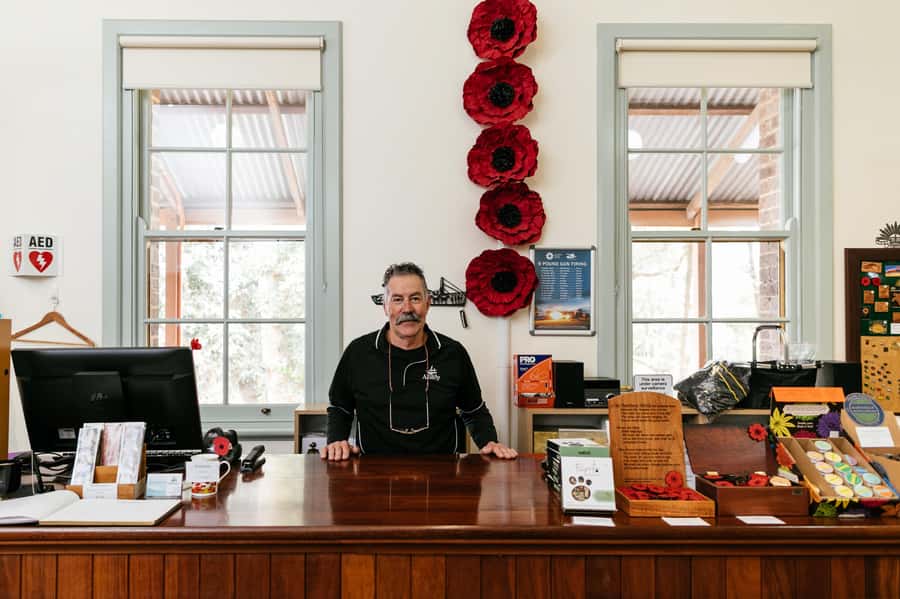
Your ticket includes a history talk about the Princess Royal Fortress complex, along with a free guided tour of the forts. This adds value to the museum admission and helps explain the military setting around the centre.
The fortress is more than a backdrop. It places the museum within a defensive site connected to Albany’s role as a port and departure point. The guided portion gives you a chance to look beyond the indoor displays and understand the wider complex.
Comfortable shoes are a sensible choice. You should also bring an umbrella, since weather can affect your time outdoors. The information provided does not give a fixed tour timetable, so check the available starting times when you plan your visit.
The fortress grounds also offer a useful change of pace. The museum asks for sustained attention, while the outdoor section lets you move through the site and connect the historical story with its physical setting.
How long to allow and how the day works
The centre is open every day of the year, including public holidays, except Christmas Day. Opening hours are 9:00 AM to 5:00 PM, with last entry at 4:00 PM.
You should allow at least two hours. That gives you enough time for the individual story, the main displays, the closing memorial section, and the Princess Royal Fortress material. If you listen carefully to the audio and take time with the names and Tribute Wall, you may want longer.
The ticket is valid for the full calendar day of issue. You can leave and return more than once on that day, which is useful if you want a break between the indoor museum and the fortress grounds.
You park in the main car park, then walk to the National Anzac Centre entrance. Hotel transfers are not included, so you need to arrange your own way to the fortress.
The host or greeter speaks English, and the centre is wheelchair accessible. No special booking time is stated as fixed in the information provided, so check availability for the day you want to visit.
Is the $17 admission good value?
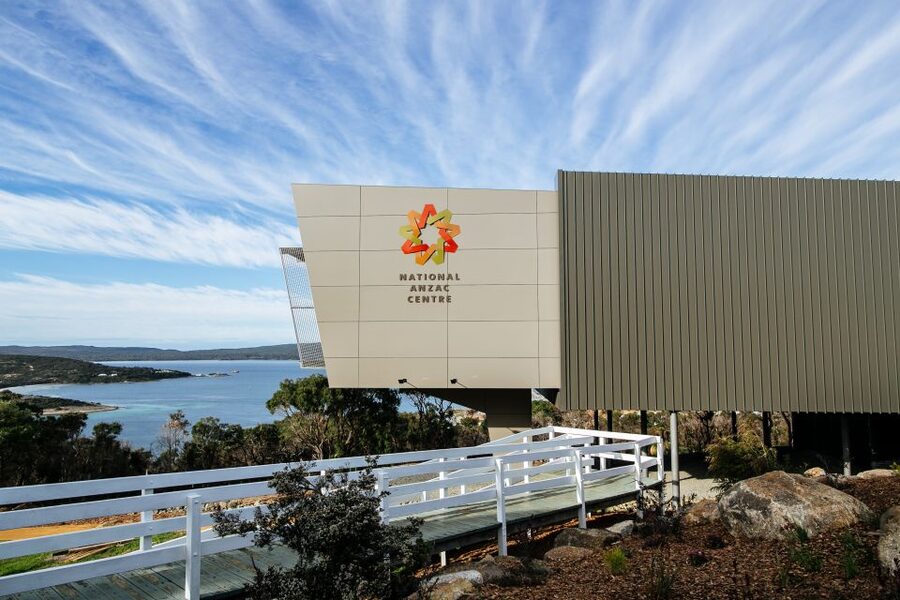
At $17 per person, the admission is modest for an experience that can fill two hours or more. The price includes entry to the National Anzac Centre and the history talk about the Princess Royal Fortress complex. The free guided tour of the forts adds another useful layer.
The value is strongest if you are interested in military history, family history, Australian identity, or museums that use personal testimony. You are not simply paying for a room of objects. You are getting a structured story, audio and film material, interactive features, a memorial display, and access to a significant historic site.
You can also use Australia’s National Archives to trace your family’s service record. The available information does not specify how much help is provided or exactly how the search works, so treat this as an added research opportunity rather than a guaranteed family-history result.
For a short visit, the value is weaker. If you only have 30 minutes, you will miss the point of the centre. The experience works best when you have time to follow a story and sit with the final memorial displays.
Who should visit, and who may want to skip it?
I would recommend the centre to adults, older children who can handle serious war themes, and anyone with a connection to Australian or New Zealand military history. It also suits people who prefer self-guided museums, since you can listen and read at your own speed.
The centre is not generally recommended for children aged seven or younger because of the strong war themes. Children under five are permitted free of charge, but the activity information also lists the experience as not suitable for children under five. In practical terms, I would not plan this as a visit for very young children.
You should also think about your own mood. This is an informative and moving experience, but it deals with conflict, death, separation, and the consequences of war. If you want a cheerful sightseeing stop, choose another attraction for the day.
If you are already visiting Albany’s historic sites, the National Anzac Centre fits naturally into a day around the Princess Royal Fortress. The setting, the convoy story, and the first documented Anzac Day Dawn Service location give the visit a local connection that a general war museum cannot provide.
Practical details for a smoother visit
Book the $17 ticket if you want the flexibility of reserving now and paying later. You can cancel up to 24 hours in advance for a full refund, which helps if your Albany plans depend on weather or changing schedules.
Wear comfortable shoes for the fortress grounds and bring an umbrella. Smoking and drones are not allowed.
The centre is open on public holidays other than Christmas Day, so it can be a useful option when other attractions have limited hours. Last entry is at 4:00 PM, but arriving earlier is wiser if you want the full museum and fortress experience.
Because the ticket is valid for the entire day, you can split the visit. Start with the museum, take a break, and return for the outdoor fortifications if the weather changes or you need time to process the indoor exhibits.
Should you book the National Anzac Centre?
Book it if you want a thoughtful Albany experience with a strong connection to place. The best reasons are the 32 personal stories, the ability to listen at your own speed, the 41,265 names beneath the Pool of Reflections, and the included fortress history component.
I would not book it for toddlers or for a quick stop between other activities. The subject is serious, and the centre deserves at least two hours.
For adults and older children interested in WW1, Australian history, family service records, or carefully designed museums, this is an easy recommendation. The $17 price is fair, the full-day ticket gives you room to plan around the weather, and the visit connects the Anzac story to the exact harbour from which so many people left Australia.
FAQ
How much does entry to the National Anzac Centre cost?
Entry costs $17 per person. Children under five are permitted free of charge, although the experience is not generally considered suitable for very young children because of its war themes.
How long should I allow for the visit?
Allow at least two hours. This gives you time for the interactive museum, personal story, Pool of Reflections, Tribute Wall, and Princess Royal Fortress material.
What are the opening hours?
The National Anzac Centre is open daily from 9:00 AM to 5:00 PM, including public holidays except Christmas Day. Last entry is at 4:00 PM.
Can I leave and return on the same day?
Yes. Your ticket is valid for the full calendar day of issue, and you may exit and re-enter multiple times that day.
Is the National Anzac Centre suitable for children?
Because of the strong war themes, it is not generally recommended for children aged seven or younger. Children under five are allowed to enter free, but the experience is listed as unsuitable for that age group.
Is the centre wheelchair accessible?
Yes, the National Anzac Centre is wheelchair accessible. The activity is in English, and you should wear comfortable shoes for the fortress grounds.
Just added around Australia
- 7-Day Super Value Tour of Tasmania: Explore Tasmania’s West and East Coasts★ 5.0 · 77 reviews
- Hobart: Bruny Island Adventure: Hiking, Highlights & Local tastes★ 4.0 · 23 reviews
- Cascades Female Factory Historic Site [official]★ 4.5 · 110 reviews
- A Day At Wineglass Bay★ 5.0 · 33 reviews
- 5-Day Best of Tasmania Tour from Hobart★ 5.0 · 184 reviews
- 6-Day Tasmanian Explorer Adventure Tour from Hobart★ 5.0 · 66 reviews
- 4 Day Wild Tasmania Tour / Wildlife, Nature, Hiking / Inc. Accom★ 5.0 · 126 reviews
- Bonorong Wildlife Park and Richmond Afternoon Tour from Hobart★ 4.5 · 113 reviews
Albany Tours, compared.

Kalgan Queen Scenic Cruises a four hour sheltered water wildlife tour daily fun.
Read our review →
Albany’s Historic Whaling Station Admission Ticket
Read our review →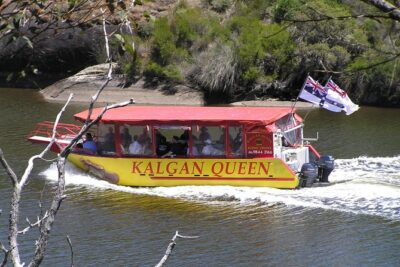
Browse the lists this tour appears in