
Review · ALBANY TOURS
Albany’s Historic Whaling Station Admission Ticket
The most striking part of Albany’s Historic Whaling Station is the chance to walk through a real former processing site, then board the Cheynes IV, the only preserved whale chaser ship in the world. This is not a polished theme park. It is a frank look at an industry that shaped Albany and Australia’s southwest.
I like the self-guided pace, since you can spend extra time with the short films, ship, artifacts, and marine art that catch your eye. I also like the unusual mix of exhibits, from a giant blue whale skeleton to precious scrimshaw and a small Australian wildlife area.
The main consideration is that parts of the experience can be confronting, especially for children or anyone uncomfortable with whaling history. Weather matters too, since much of the site is spread across outdoor areas, and a wet, windy day may shorten your visit.
Key Points
- Walk through converted whale-oil tanks where short films explain the whaling industry.
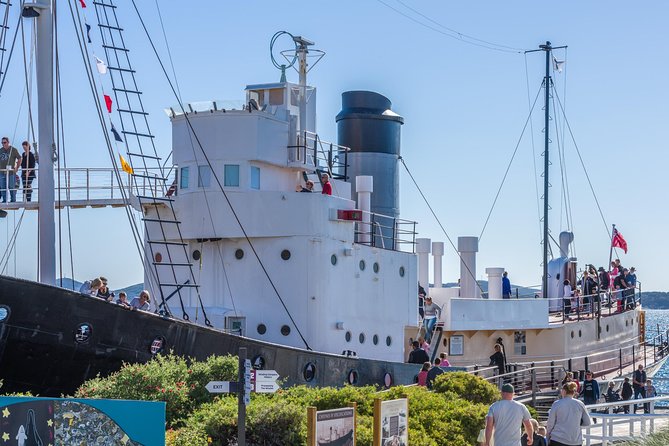
- Board the Cheynes IV, the world’s only preserved whale chaser ship.
- See a giant blue whale skeleton alongside marine animal art and scrimshaw.
- Explore at your own pace, with no guide or fixed tour schedule required.
- Allow 2 to 3 hours, plus time for the café or flower-garden BBQ facilities.
- Drive about 20 minutes from Albany CBD to reach the station.
Why Albany’s Whaling Station Matters
Albany’s Historic Whaling Station deals with a part of local history that is easy to overlook if you focus only on beaches and scenic bays. Whaling was once a major part of life here, and this former processing center gives you a physical sense of how that industry operated.
You are not simply looking at labels in a modern gallery. The site uses original structures, converted whale-oil tanks, machinery-related objects, ship displays, films, and personal artifacts to explain the work. That setting gives the subject more weight than a standard museum exhibit.
I find the experience valuable because it does not require you to treat the past as simple or comfortable. You can learn about the industry’s economic role while also facing the scale of the animals involved and the harsh nature of the work. The presentation is educational, but it is not necessarily light entertainment.
The station also helps explain why Albany became connected to whaling. You can see how a remote coastal community developed around an industry that has now ended. For anyone interested in Australian social history, maritime work, or changing attitudes toward wildlife, this is one of Albany’s more distinctive stops.
More history-led days in Australia:
- Ultimate Melbourne Walking Tour: History, Laneways & Culture
★ 5.0 · 1,451 reviews - Puffing Billy Railway: Heritage Steam Train Journey
★ 4.6 · 1,195 reviews - Morning World Heritage Cruise on the Gordon River from Strahan
★ 5.0 · 1,193 reviews
The 20-Minute Drive From Albany CBD
The station is about a 20-minute scenic drive from Albany CBD. That distance makes it easy to add to a day of sightseeing, but it is not a quick walk-in attraction from the center of town.
You should plan the drive as part of your visit rather than treating it as a last-minute stop. The site is large enough to reward a proper block of time, and rushing through it would mean missing the films, ship, outdoor displays, and art collections.
The station is open daily from 9:00 AM to 5:00 PM. Those hours give you useful flexibility, especially if you are fitting the visit around other Albany activities. A morning visit may work well if you want to spend the afternoon elsewhere, while a later arrival still leaves time for the main exhibits.
The drive itself is part of the appeal. The station sits beside one of Albany’s picturesque bays, so the setting feels tied to the sea rather than separated from it. You might find the coastal position especially rewarding on a clear day, though strong wind and rain can affect how long you want to remain outdoors.
Inside the Converted Whale-Oil Tanks
The converted whale-oil tanks are one of the site’s most unusual features. Instead of watching a film in an ordinary theater, you sit inside structures connected to the former processing operation.
Short films play within the tanks and help explain the whaling industry. This gives you a clear starting point before you tackle the larger collection of objects and displays. The films are useful if you know little about whaling, but they also provide context for the artifacts that follow.
I recommend taking your time here rather than treating the tanks as a quick photo stop. The physical setting makes the history feel immediate. You are standing inside part of the old facility, not just reading about it from a distance.
The subject can be difficult. The station does not hide the fact that whales were processed here, and some material may be unsuitable for young children or anyone sensitive to graphic elements. Children must be accompanied by an adult, and parents should decide in advance how much historical detail their children are ready to handle.
Aboard the Cheynes IV
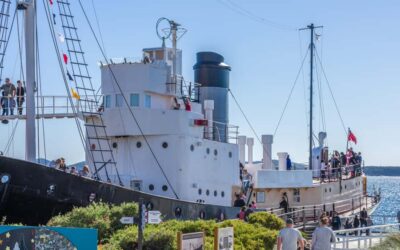
The Cheynes IV is likely to be the highlight for many people. It is described as the only preserved whale chaser ship in the world, giving the visit a strong maritime focus as well as a whaling focus.
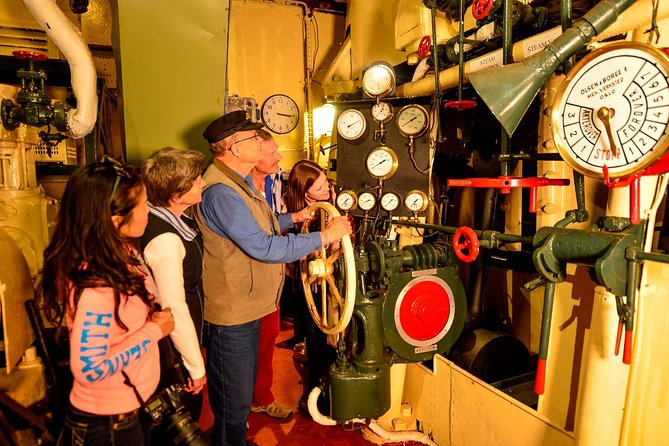
Boarding the vessel lets you move beyond general history and consider the practical side of the work. The ship helps you picture the people, equipment, and routines involved in whale chasing. Even if you are more interested in ships than whaling, this part of the visit gives you a reason to come.
You should expect some walking and climbing as you explore the site and vessel. A moderate level of physical fitness is recommended, so this may not be the easiest attraction for anyone who has trouble moving around uneven or shipboard areas.
The ship also breaks up the indoor exhibits. After watching films and viewing objects, you get a more active section of the visit. That variety helps keep the experience interesting over two or three hours.
A few more Australia half-days to weigh up
- Kalgan Queen Scenic Cruises a four hour sheltered water wildlife tour daily fun.
★ 5.0 · 474 reviews - National Anzac Centre General Entry Ticket
★ 4.5 · 210 reviews - Albany Wildlife and Scenic Cruise
★ 5.0 · 74 reviews - The Gap & Natural Wonders Tour
★ 4.9 · 36 reviews
The Blue Whale Skeleton and Marine Art
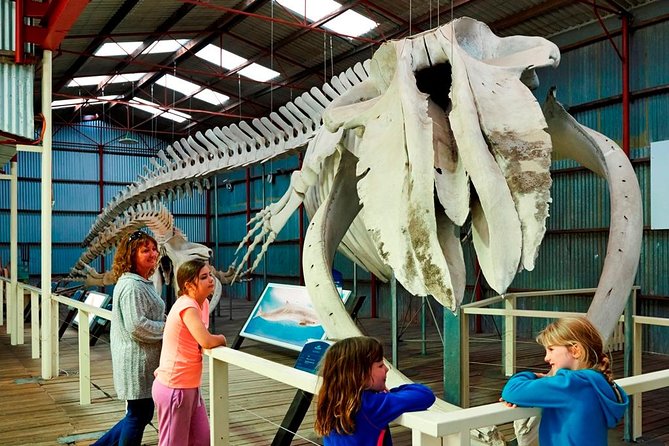
The giant blue whale skeleton provides the clearest sense of scale at the station. A whale is difficult to understand from photographs alone. Standing beside the bones gives you a much better impression of the animal’s size.
The skeleton is also an effective counterpoint to the former processing areas. You see the animal as a complete physical presence, not just as part of an industry. For many people, this will be the most memorable exhibit on site.
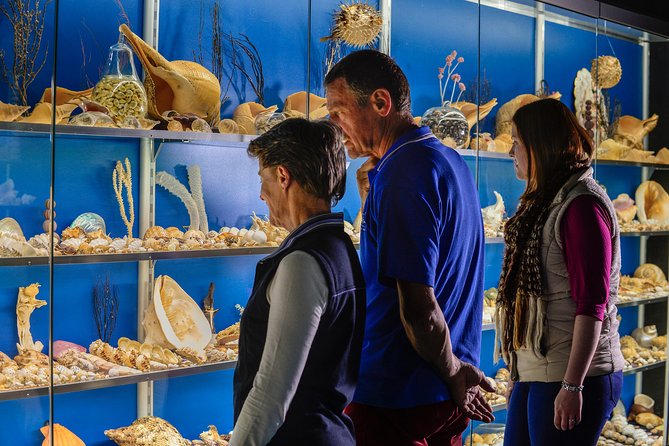
The marine animal art collection adds a different mood. It gives the museum a creative side and expands the subject beyond machinery, ships, and industrial objects. You can expect displays connected to marine life, with works that may appeal even if your main interest is art rather than history.
The collection of precious scrimshaw is another unusual feature. Scrimshaw refers to carved and decorated whale-related material, and it reflects the craft traditions connected with seafaring. This section is worth slowing down for because it shows how sailors and maritime communities used skill and patience to create objects from the materials around them.
Together, the skeleton, marine art, and scrimshaw make the station more varied than a single-subject industrial museum. You get natural history, craft, maritime culture, and local history in one visit.
Authentic Artifacts and the Australian Wildlife Area
The museum exhibits include authentic whaling artifacts and memorabilia. These objects help fill in the human side of the story. Instead of focusing only on the whales, the displays show the equipment, habits, and material culture linked to the people who worked in the industry.
I like this part because it gives you time to look closely. A self-guided visit means you can move quickly through familiar material or stop when an object raises questions. There is no group pace to follow and no need to wait for a talk to begin.
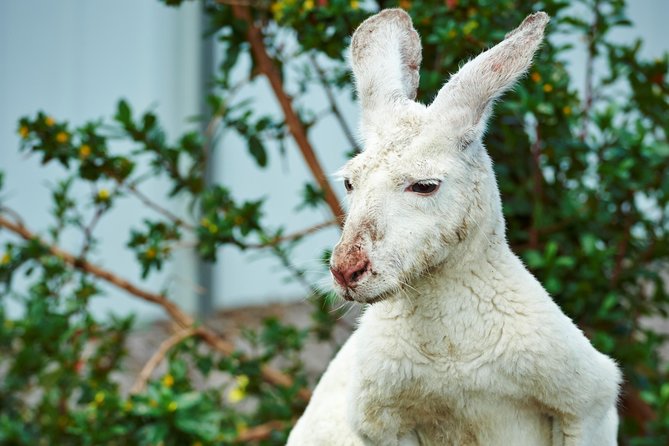
The site also includes a small Australian wildlife enclosure. It gives the visit a broader local character, though it should not be your main reason for booking. The whaling station and its maritime displays are the core experience.
If you are visiting with children, the wildlife area may provide a welcome change after the heavier historical material. It does not remove the difficult parts of the subject, but it adds another point of interest for families.
How Long to Allow
The suggested visit time is about 2 to 3 hours. That feels reasonable if you want to watch the films, board the Cheynes IV, see the skeleton, examine the art and scrimshaw, and browse the artifacts without rushing.
You can make the visit shorter if you focus on the major highlights. In that case, prioritize the whale-oil tanks, the ship, the blue whale skeleton, and the main historic exhibits.
You can also make it longer if the weather is comfortable and you want to spend time at the café or in the flower garden. The site gives you room to pause, which is useful after the more serious displays.
A wet and windy day can change the calculation. One person found the conditions limited the length of the visit, and that is worth taking seriously. Dress for Albany’s coastal weather, not just for the temperature in town. The station operates in all weather conditions, so rain will not necessarily close the experience, but it may make outdoor sections less enjoyable.
Food, the Café, and the Flower Garden
Food and drinks are not included in the admission price. You can visit the café overlooking one of Albany’s bays, which gives you a chance to rest before or after the exhibits.
The free BBQ facilities in the flower garden are a useful bonus if you bring your own food. This can help families or small groups manage the cost of a longer visit. It also makes the station easier to treat as a half-day outing instead of a quick museum stop.
Do not assume lunch is part of your ticket. Pack what you need or plan to buy food separately. The BBQ facilities are available to use, but the price does not include ingredients, drinks, or lunch.
The garden and café also give you a calmer place to process the subject. Whaling history is not an easy theme, and having somewhere to sit outdoors can make the visit feel less intense.
Is the $26.49 Admission Good Value?
At $26.49 per person, admission is reasonable if you plan to stay for close to the full 2 to 3 hours. You are paying for access to a large site with a former processing facility, films, a preserved whale chaser, a blue whale skeleton, marine art, scrimshaw, artifacts, and a wildlife area.
The value is strongest for people who like museums with real structures and objects rather than a short display in a standard gallery. The Cheynes IV alone gives the visit a feature that many local museums cannot match.
It is less compelling if you want a light, quick attraction or if you dislike difficult historical subjects. The ticket includes all activities and GST, but not food or lunch, so you should add those costs if you plan to spend most of the day there.
The self-guided format also helps the value. You can set your own pace, return to sections that interest you, and avoid paying for a fixed tour that may move too quickly. There is no named guide provided in the information, because this is designed as an independent visit rather than a guided walk.
Who Should Visit
I would recommend the station to anyone interested in Albany’s past, Australian maritime history, working ships, marine life, or the way communities change over time.
It suits adults and older children who can engage with serious material. Families can find enough variety in the ship, skeleton, wildlife area, films, and outdoor space, but parents should prepare children for the whaling subject and remain with them.
It also works well for independent visitors who dislike rigid schedules. You decide how long to spend at each display, and the opening hours leave room to fit the stop into a larger Albany day.
You may want to skip it if you have very limited time and are mainly visiting Albany for beaches or outdoor scenery. You may also find it challenging if you are uncomfortable with exhibits linked to whale processing. The station is honest about its subject, which is part of its value, but it will not suit every mood.
Practical Tips for a Better Visit
Wear shoes and clothing suitable for walking around a coastal site. A moderate physical fitness level is recommended, and the ship may require more movement than a standard indoor museum.
Give yourself enough time for the Cheynes IV. It is easy to spend too long at the first exhibits and then rush the ship near closing. Starting with the main film and ship can help you understand the site before browsing smaller displays.
Check the weather before setting out, even though the station operates in all conditions. Wind and rain may reduce the time you want to spend outdoors, and the visit includes more than one building or display area.
If you want to use the BBQ, bring your own food and allow time in the garden. If you prefer not to prepare a meal, budget separately for the café and drinks.
The ticket can be cancelled for a full refund if you cancel at least 24 hours before the experience start time. Changes or cancellations within 24 hours are not accepted for a refund, and cut-off times use Albany local time.
My Booking Verdict
You should book Albany’s Historic Whaling Station if you want a substantial, unusual museum visit that connects Albany to the sea and its working past. The preserved Cheynes IV, converted whale-oil tanks, blue whale skeleton, and scrimshaw collection give the experience more depth than a quick photo stop.
I would choose it on a day when you can spare at least two hours and when the weather is good enough to enjoy the outdoor parts. Pack food if you want to use the free BBQ, and be ready for a frank look at whaling rather than a soft-edged family attraction.
Skip it only if the subject is likely to upset you or if your Albany schedule is too tight for the drive and full visit. For most history-minded visitors, the admission price buys a distinctive and worthwhile stop.
FAQ
Where is Albany’s Historic Whaling Station located?
It is located about a 20-minute scenic drive from Albany CBD, beside one of Albany’s picturesque bays.
How long does the visit take?
You should allow approximately 2 to 3 hours, depending on how much time you spend with the films, ship, artifacts, art, and outdoor areas.
What are the opening hours?
The station is open Monday through Sunday from 9:00 AM to 5:00 PM.
Is the visit guided?
No. The experience is self-guided, so you can explore the museum and displays at your own pace.
What can I see at the station?
You can see converted whale-oil tanks with short films, the preserved Cheynes IV whale chaser ship, a giant blue whale skeleton, marine animal art, scrimshaw, whaling artifacts, memorabilia, and a small Australian wildlife area.
Is food included in the admission?
No. Food, drinks, and lunch are not included. A café is available, and free BBQ facilities can be used in the flower garden.
Can I cancel my booking for a refund?
Yes. You can receive a full refund if you cancel at least 24 hours before the experience start time. Cancellations or changes made within 24 hours are not refunded or accepted.
Just added around Australia
- 7-Day Super Value Tour of Tasmania: Explore Tasmania’s West and East Coasts★ 5.0 · 77 reviews
- Hobart: Bruny Island Adventure: Hiking, Highlights & Local tastes★ 4.0 · 23 reviews
- Cascades Female Factory Historic Site [official]★ 4.5 · 110 reviews
- A Day At Wineglass Bay★ 5.0 · 33 reviews
- 5-Day Best of Tasmania Tour from Hobart★ 5.0 · 184 reviews
- 6-Day Tasmanian Explorer Adventure Tour from Hobart★ 5.0 · 66 reviews
- 4 Day Wild Tasmania Tour / Wildlife, Nature, Hiking / Inc. Accom★ 5.0 · 126 reviews
- Bonorong Wildlife Park and Richmond Afternoon Tour from Hobart★ 4.5 · 113 reviews
Albany Tours, compared.
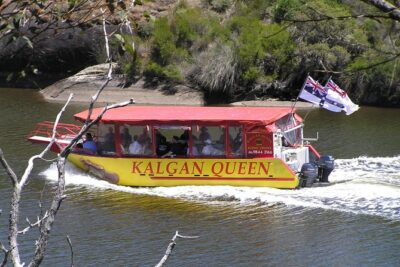
Kalgan Queen Scenic Cruises a four hour sheltered water wildlife tour daily fun.
Read our review →
Browse the lists this tour appears in