
Review · ALBANY TOURS
Albany: Historic Whaling Station Entry Ticket
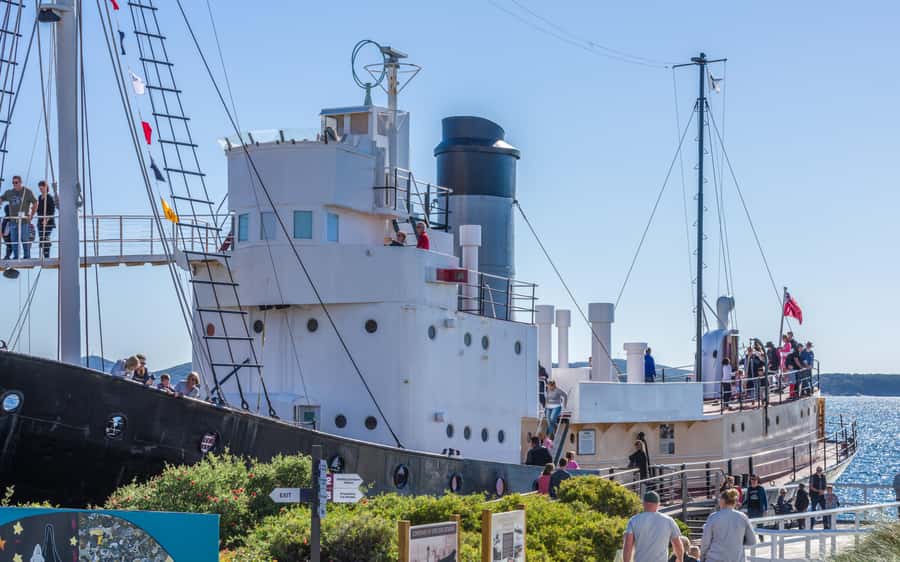
The most striking part of Albany’s Historic Whaling Station is that the whole working site survives. You can walk through the restored processing factory, board Cheynes IV, and see the machinery, tanks, exhibits, and marine remains that explain how Albany’s whaling industry once operated. This is not just a small museum with a few old tools.
I like the chance to see a giant blue whale skeleton at close range, and I like that your ticket also covers the Regional Wildflower Garden and Australian Wildlife Park. The short films inside the converted whale oil tanks add atmosphere, while the café and free BBQ area make it easy to turn the visit into most of a day.
The main drawback is emotional: the displays deal directly with the killing and processing of whales. Some people will find the subject upsetting, though the station also makes clear that commercial whaling in Australia has ended. You should also allow more time than a quick museum stop if you want to see every section.
Key points to know before you go
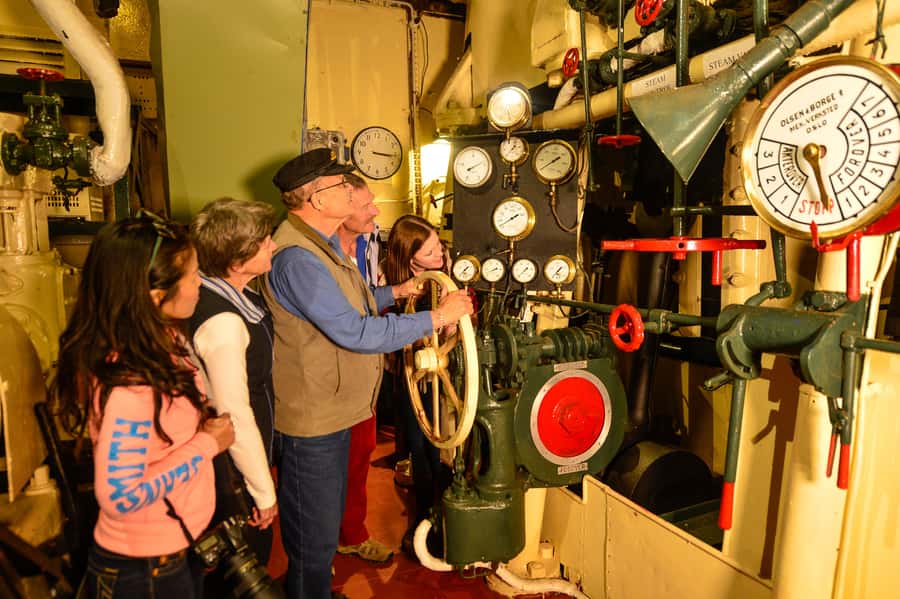
- The complete working site survives: Walk through a restored whale processing factory rather than viewing a collection of isolated objects.
- Cheynes IV is a rare ship to board: The preserved whale chaser lets you see the vessel used to find and pursue whales.
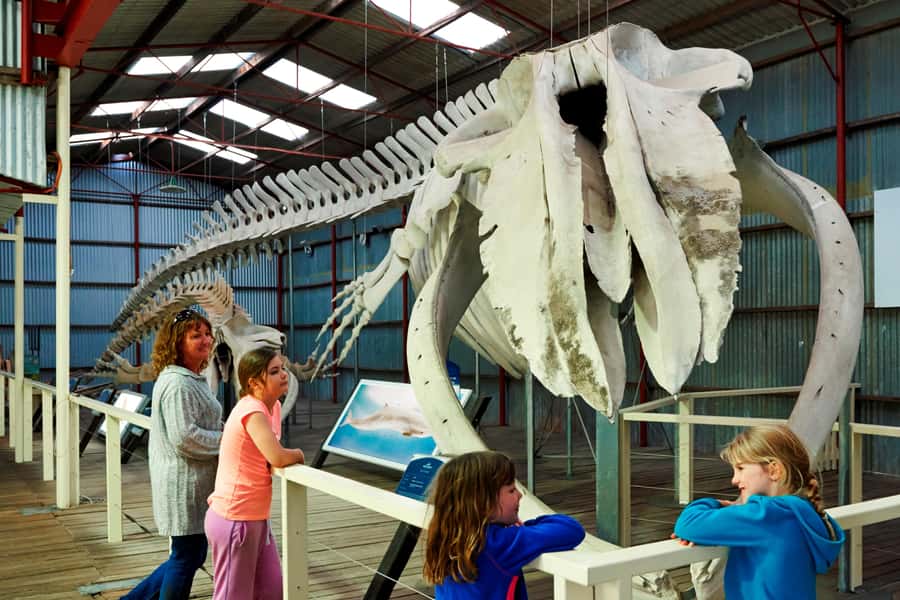
- The whale skeleton display is a highlight: The giant blue whale skeleton gives you a powerful sense of the animal’s scale.
- Old oil tanks now show short films: These enclosed spaces turn the station’s industrial past into a more atmospheric presentation.
- Your ticket covers more than the station: Add the Regional Wildflower Garden and Australian Wildlife Park at no extra admission cost.
- Plan for a full day: The station opens at 9:00 AM, while the garden and wildlife park open at 10:00 AM and close at 5:00 PM.
A working whaling station preserved at Albany
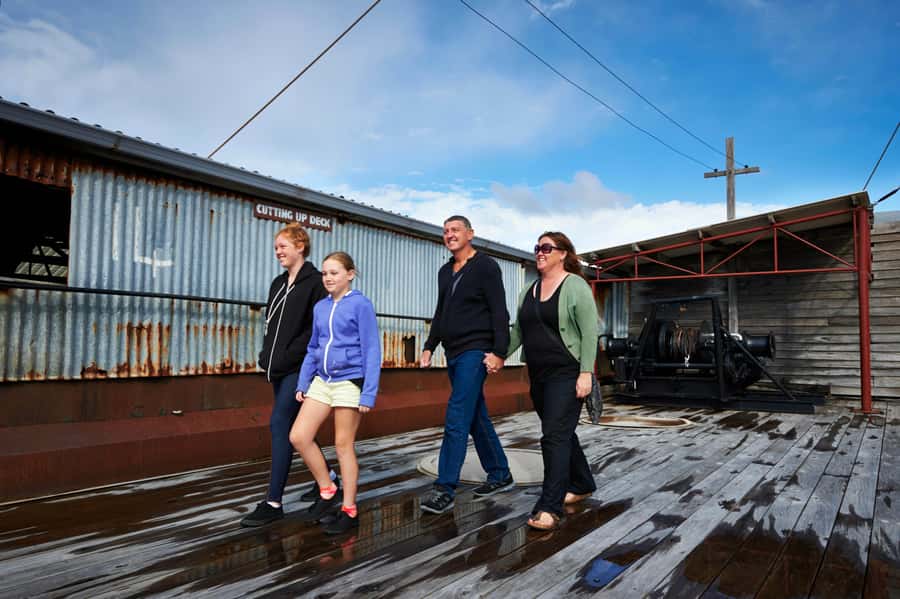
Albany’s Historic Whaling Station was the last operating whaling station in Australia. Its heritage value comes from the fact that the site remains together: factory, ship, tanks, displays, and surrounding attractions all form one visit.
That matters because the story is easier to understand when you can move through the same kinds of spaces used by the industry. You are not only reading about whaling. You are seeing where the work happened and how the station was arranged.
The experience is educational, but it is not light entertainment from start to finish. The exhibits deal with hunting, processing, and the end of an industry that caused major harm to whales. I think that directness is useful. It gives you a clearer picture of Albany’s past than a polished presentation that avoids difficult details.
At the same time, the site is set up for a broad audience. Families can combine the museum areas with gardens, a picnic, and the wildlife park. Adults interested in maritime history, conservation, industrial heritage, or marine life will find enough material to make the admission worthwhile.
More history-led days in Australia:
- Ultimate Melbourne Walking Tour: History, Laneways & Culture
★ 5.0 · 1,451 reviews - Puffing Billy Railway: Heritage Steam Train Journey
★ 4.6 · 1,195 reviews - Morning World Heritage Cruise on the Gordon River from Strahan
★ 5.0 · 1,193 reviews
Inside the restored whale processing factory
Start with the restored whale processing factory while you have plenty of time and energy. The building is the heart of the attraction, since it shows the scale and physical nature of the work.
You can expect a mixture of industrial spaces, museum displays, artifacts, and memorabilia. The sights and sounds are intended to give you a sense of the whaling process. That presentation may feel confronting, but it helps explain why the station was so important to Albany and why so much equipment and infrastructure was needed.
I recommend moving slowly through this section rather than treating it as a passage to the ship. Look at the machinery and working areas, then connect them with the objects and explanations in the museum exhibits. The combination gives you a better idea of how the station functioned than either the factory or the display cases could provide alone.
The factory is also where the site’s age and preservation become most apparent. You can see the difference between a modern museum built to imitate an industrial site and an actual workplace adapted for public access. That sense of place is one of the strongest reasons to choose this attraction over a standard maritime museum.
Boarding Cheynes IV, the preserved whale chaser
Cheynes IV is one of the visit’s most memorable stops. It is described as the world’s only preserved whale chaser ship, and boarding it adds a practical layer to the story.
The ship helps you picture the fleet side of the industry. The factory shows what happened on shore, while Cheynes IV represents the vessel and crew sent out to locate and pursue whales. That connection makes the visit feel like one complete operation rather than a collection of unrelated exhibits.
Allow time to look around rather than rushing across the deck. A ship is a compact workplace, and even a short visit can help you understand how much equipment and activity had to fit aboard. Comfortable shoes are important because the attraction includes walking through the factory, museum areas, gardens, and ship.
The ship may be the strongest feature for anyone interested in working vessels or maritime technology. If your main interest is wildlife rather than industry, the skeleton displays and short films may hold your attention longer. Still, I would not skip Cheynes IV. It is the part of the attraction that most clearly connects Albany’s whaling story with the sea.
The blue whale skeleton and marine displays
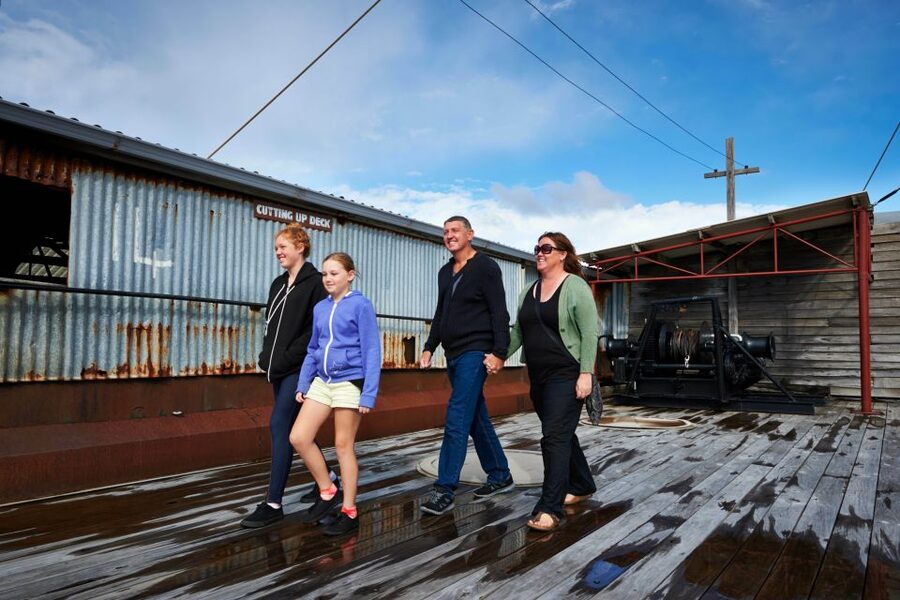
The marine skeleton collection gives the visit a very different mood. Instead of showing the industry’s machinery, it places the animals at the center of your attention.
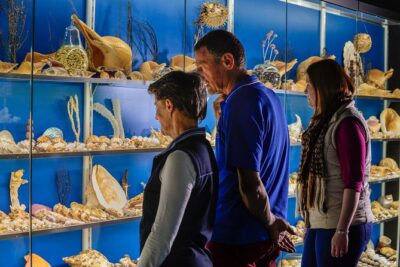
The giant blue whale skeleton is the obvious draw. A blue whale’s size can be hard to grasp from photographs or written measurements, but a full skeleton gives you a direct visual reference. You can see how enormous the animal was and compare that scale with the human-built spaces around it.
The collection also includes other marine animal displays and a pygmy whale skeleton. The pygmy whale is large enough to surprise you, even though it is far smaller than a blue whale. These exhibits work well for families because they offer a clear, visual lesson in marine biology without requiring a long technical explanation.
I also like the way the skeletons change the focus of the visit. The factory and ship explain human activity. The bones remind you of the animals affected by that activity. That contrast is not comfortable, but it is honest and gives the attraction more weight.
The station also includes a world-renowned marine animal art collection and precious scrimshaw art. Scrimshaw is especially relevant here because it links shipboard culture with whaling history. These pieces add a personal and artistic side to the industrial story.
A few more Australia half-days to weigh up
- Kalgan Queen Scenic Cruises a four hour sheltered water wildlife tour daily fun.
★ 5.0 · 474 reviews - National Anzac Centre General Entry Ticket
★ 4.5 · 210 reviews - Albany’s Historic Whaling Station Admission Ticket
★ 4.5 · 86 reviews - Albany Wildlife and Scenic Cruise
★ 5.0 · 74 reviews
Short films in the converted whale oil tanks
The former whale oil tanks now hold short films. This is a clever use of the old structures, since you watch the presentation inside spaces tied directly to the station’s former work.
The films add movement and sound to an attraction that otherwise relies heavily on objects, buildings, and written displays. One presentation uses 3D effects, giving the whales a startling sense of movement and size. You may find the effect vivid, especially when a whale appears to move close to the viewer.
This stop works best after you have seen some of the factory. You will understand more of the setting and why the tanks matter. If you prefer quiet museum displays, the film may feel more dramatic than necessary, but it gives children and less museum-focused adults something immediate to watch.
The films also provide a useful pause during a longer visit. You can step inside, sit through a short presentation, and then return to the exhibits with a clearer sense of the subject.
Museum artifacts, scrimshaw, and Albany’s past
The museum exhibits contain authentic whaling artifacts and memorabilia. These smaller objects fill in the human side of the story, showing how the station operated and how whaling shaped local life.
I would give these displays more attention than a quick glance. A large factory tells you about scale, but personal objects and working tools reveal routines. They help you consider the people who lived with this industry as part of everyday life, even when the work itself was dangerous and controversial.
The marine art collection and scrimshaw are useful additions because they show how whales appeared in culture as well as commerce. You are not limited to a technical account of ships and processing. The station also presents the ways people represented marine animals and carried reminders of the sea into their personal lives.
The attraction’s central lesson is not simply that whaling happened. It is that Albany has a complicated past. The town’s identity includes maritime work, industry, wildlife, and the later decision to stop commercial whaling. If you want a visit that avoids difficult history, this may not be the right choice. If you want a fuller picture, the frank presentation is a strength.
Regional Wildflower Garden and Australian Wildlife Park
Your ticket includes access to the Regional Wildflower Garden and Australian Wildlife Park, which changes the value calculation. You are not paying $25 for a short indoor museum visit alone.
The garden displays native plants from the region, including more than 100,000 species of native plants across the collection. The garden gives you a quieter change of pace after the factory and ship. It also helps place the whaling station in the wider natural setting of Albany’s south coast.
The Australian Wildlife Park adds another family-friendly section. You can learn about the native animals held there, giving children a chance to shift from industrial history to living wildlife.
The hours matter. The Historic Whaling Station is open from 9:00 AM to 5:00 PM, but the garden and wildlife park open at 10:00 AM. If you arrive right at opening, begin with the station itself, then move outside once the other areas open.
Do not treat the garden and wildlife park as minor extras if you are traveling with children. They provide variety and make it easier to spend several hours on site without asking young visitors to focus on museum displays the entire time.
Making a full day from a $25 ticket
At $25 per person, the ticket is good value if you use the full site. The price includes all exhibitions at the Historic Whaling Station, the Regional Wildflower Garden, and the Australian Wildlife Park.
The value is weaker if you arrive late and only have time for a quick walk through the factory. The attraction has enough separate sections to reward a planned visit, so I would avoid squeezing it into the final hour before closing.
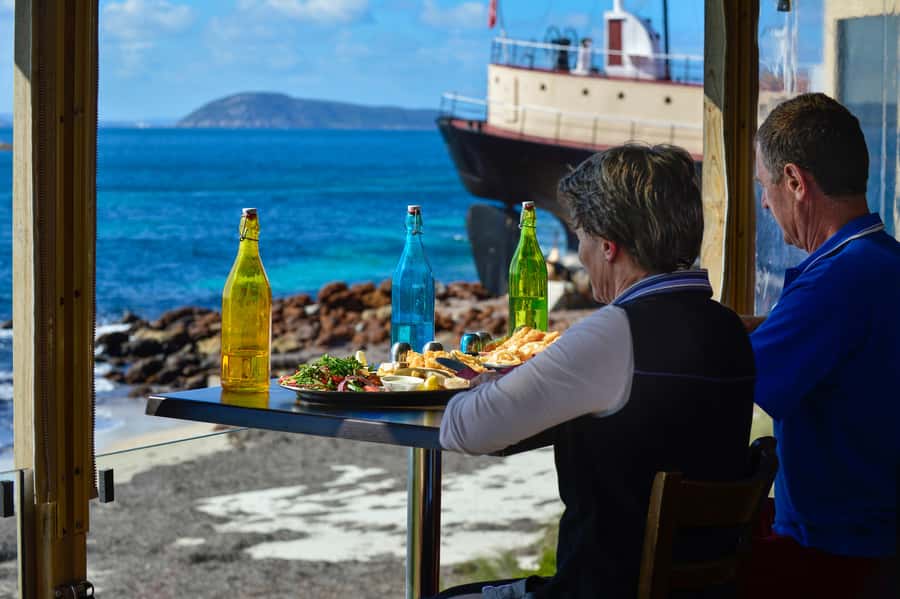
You can bring your own food and use the free BBQs and picnic area. That makes the visit more affordable for families and groups. There is also a café overlooking one of Albany’s picturesque bays, so you have an on-site option if you would rather buy coffee or a meal.
One booking specifically praised a morning coffee and scone, as well as a well-paced, friendly guided presentation. The standard attraction is primarily a self-paced admission, so do not assume that a named guide or a scheduled guided tour is part of every $25 ticket. If a hosted component is attached to your particular booking, check its details before you arrive.
A sensible plan is to arrive in the morning, see the factory and ship, watch the films, take your time with the skeletons and museum displays, then have lunch or a picnic before visiting the garden and wildlife park. That schedule gives you room to slow down when a display catches your attention.
Practical details for a smoother visit
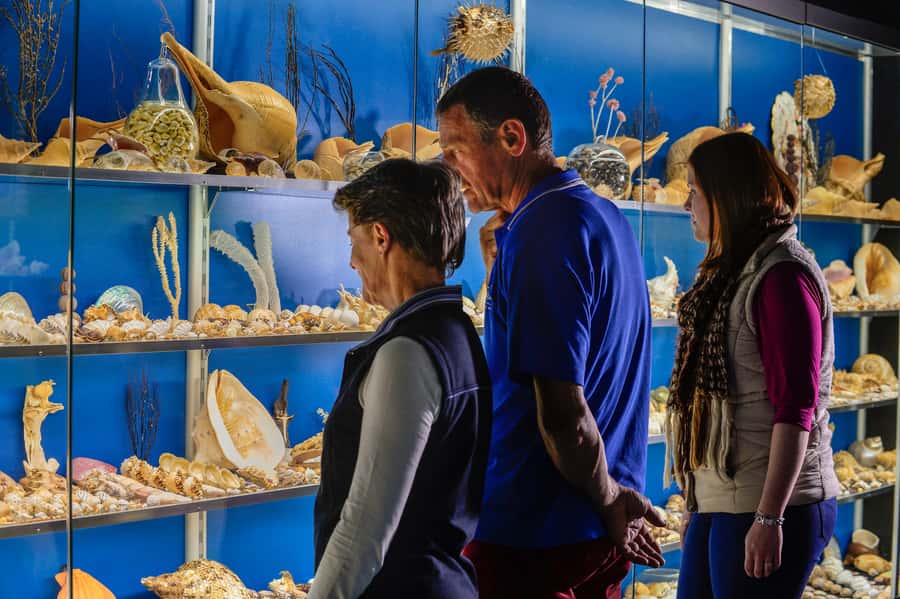
The meeting point is 81 Whaling Station Road, Torndirrup, Western Australia 6330. The activity is open seven days a week, with Christmas Day, December 25, as the only closure.
Wear comfortable shoes. You will be walking between indoor and outdoor areas, and the ship visit makes sensible footwear especially important. Bare feet are not allowed, and smoking and vaping are prohibited.
The attraction is wheelchair accessible. The provided information does not specify that every individual section has identical access conditions, so you may want to confirm any particular requirement before setting out.
The ticket is valid for one day from first activation. You can cancel up to 24 hours in advance for a full refund, and the reserve-now, pay-later option can help if your Albany plans are still shifting.
English is the listed language for the host or greeter and the experience information. Since much of the visit is self-paced, you should be prepared to read exhibit material and follow the site at your own speed.
Who will get the most from this visit
I would recommend the station to anyone interested in maritime history, industrial heritage, marine animals, or Albany’s local story. It also suits families because the wildlife park, garden, picnic space, and BBQs break up the more serious museum sections.
It is a good choice for a rainy or windy day, but you should still allow for outdoor walking if you want to see the full attraction. The garden and wildlife park add value in fair weather, while the factory, ship, tanks, and museum provide plenty to see indoors.
You may want to skip it if your only goal is whale watching in the wild. This is a historical attraction about the former whaling industry, not a whale-spotting cruise or a modern conservation tour.
You should also think about the subject matter. The station does not hide the fact that whales were killed and processed there. That can be upsetting, especially for children, but the clear presentation helps explain why the industry ended and why the site is now preserved for education.
Should you book Albany’s Historic Whaling Station?
Book it if you want a substantial Albany attraction rather than a quick photo stop. The restored factory, Cheynes IV, whale skeletons, films, art, gardens, and wildlife park give you enough variety for a full day, and $25 is reasonable when you use the entire admission.
I would make it a priority for a first visit to Albany if you have time for the complete site. Arrive early, wear comfortable shoes, and plan your meal so you do not rush the final outdoor sections. Skip it only if the subject of whaling is likely to make the day uncomfortable or if you are looking specifically for a live whale encounter.
FAQ
How long is the Historic Whaling Station ticket valid?
The ticket is valid for one day from first activation.
What are the opening hours?
The Historic Whaling Station is open daily from 9:00 AM to 5:00 PM. The Regional Wildflower Garden and Australian Wildlife Park are open daily from 10:00 AM to 5:00 PM.
What does the $25 admission include?
Admission includes all exhibitions at the Historic Whaling Station, the Regional Wildflower Garden, and the Australian Wildlife Park. Free BBQs and a picnic area are also available on site.
Where is the attraction located?
The meeting point is 81 Whaling Station Road, Torndirrup, Western Australia 6330, Australia.
Is the experience wheelchair accessible?
Yes, the activity is listed as wheelchair accessible.
What should I bring?
Bring comfortable shoes. Smoking, vaping, and bare feet are not allowed at the attraction.
Just added around Australia
- 7-Day Super Value Tour of Tasmania: Explore Tasmania’s West and East Coasts★ 5.0 · 77 reviews
- Hobart: Bruny Island Adventure: Hiking, Highlights & Local tastes★ 4.0 · 23 reviews
- Cascades Female Factory Historic Site [official]★ 4.5 · 110 reviews
- 5-Day Best of Tasmania Tour from Hobart★ 5.0 · 184 reviews
- A Day At Wineglass Bay★ 5.0 · 33 reviews
- 6-Day Tasmanian Explorer Adventure Tour from Hobart★ 5.0 · 66 reviews
- 4 Day Wild Tasmania Tour / Wildlife, Nature, Hiking / Inc. Accom★ 5.0 · 126 reviews
- Bonorong Wildlife Park and Richmond Afternoon Tour from Hobart★ 4.5 · 113 reviews
Albany Tours, compared.
Kalgan Queen Scenic Cruises a four hour sheltered water wildlife tour daily fun.
Read our review →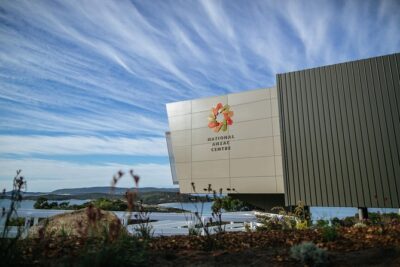
Albany’s Historic Whaling Station Admission Ticket
Read our review →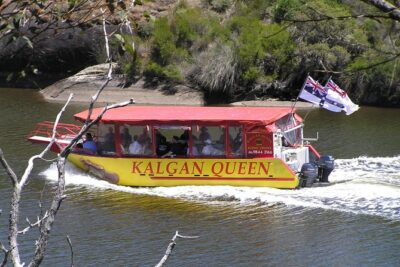
Browse the lists this tour appears in