
Review · DARWIN TOURS
Darwin: Small Group 2-Hour Heritage Walk
Darwin’s story is written into a surprisingly compact city center. On this two-hour walk, local guide John connects the old courthouse, Cyclone Tracy, wartime bombing, tropical architecture, and modern multicultural Darwin in one easy-to-follow route. You get the sort of street-level detail a bus tour cannot provide.
I like the small group limit of 10, which gives you room to ask questions. I also like the relaxed pace and the chance to see reconstructed buildings such as Brown’s Mart Theatre and the Palmerston Town Hall ruins. The main catch is practical: this is a continuous walk with few places to sit, so Darwin’s heat and your own fitness matter.
Key points at a glance
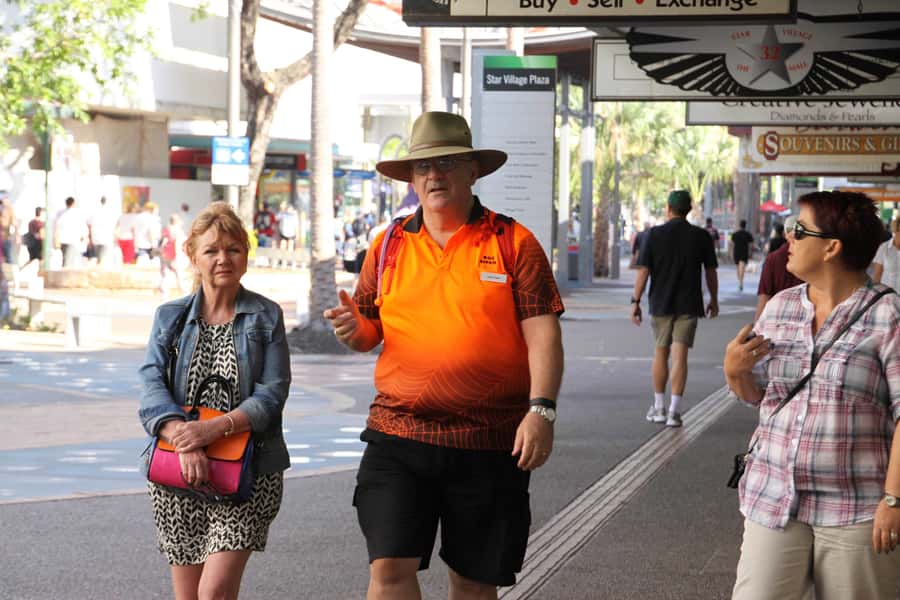
- John McDouall Stuart statue: Meet under the statue in Raintree Park, with your guide easy to spot in a bright orange shirt.
- Darwin’s defining disasters: Hear how World War II bombing and Cyclone Tracy changed the city.
- Historic buildings on foot: See the old courthouse, police station, Brown’s Mart Theatre, and Palmerston Town Hall ruins.
- Civic Darwin: Pass Government House, Parliament House, and the Supreme Court of the Northern Territory.
- Small and personal: The group is limited to 10, with a minimum of two paying participants.
- Good value at $41: Two hours of live English commentary costs less than many longer sightseeing activities, and the route adds context to the city’s central sights.
Why Darwin makes sense on foot
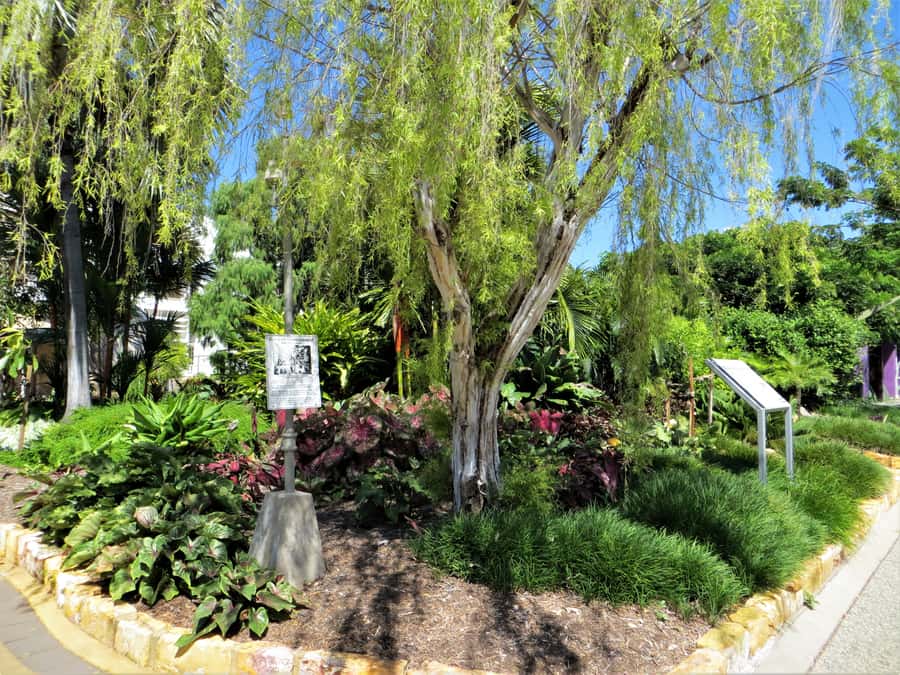
Darwin can seem modern at first glance. Its center has broad streets, tropical plants, public art, government buildings, and newer construction. Yet the city has been repeatedly damaged and rebuilt, so the past often appears in fragments rather than in one grand old quarter.
That is why a walking tour works well here. You can stop in front of a building, look closely at its details, and hear how it fits into Darwin’s story. You are not viewing the city through a bus window while the guide points vaguely toward something behind you.
The two-hour length is also sensible. It gives you enough time to cover the main central sights without turning the outing into an exhausting half-day march. The pace is described as leisurely, though you still need to keep walking for most of the tour.
John’s approach, based on the experience details and repeated praise for his local insight, appears to be conversational rather than rushed. He explains how Darwin developed, adds personal perspective, and leaves room for questions. That is useful if you have just arrived and want a quick sense of how the city fits together.
More history-led days in Darwin:
- Bombing of Darwin WWII Heritage Tours
★ 5.0 · 261 reviews - Darwin History and Wartime Experience Tour
★ 5.0 · 144 reviews - Darwin Heritage Walk
★ 4.5 · 101 reviews
Starting beneath the John McDouall Stuart statue
The meeting point is under the John McDouall Stuart statue in Raintree Park. Look for a guide wearing a bright orange shirt. This is a clear arrangement, but you should still allow enough time to find the statue and settle in before the walk begins.
The tour starts with the paths of early pioneers and then moves into Darwin’s civic center. The route finishes at Knuckey Street and the Esplanade, so you do not return to the starting point. That makes the walk handy if you want to continue exploring central Darwin afterward, but less convenient if you have left something at the meeting point.
The opening section helps establish the city’s beginnings before the tour turns to the events that shaped modern Darwin. Expect spoken commentary in English throughout. There is no food or drink included, so bring your own water.
World War II and the bombing of Darwin
World War II is one of the central subjects of the walk. Darwin was bombed during the war, and those attacks form an important part of the city’s identity. On this tour, the subject is tied to the streets and buildings around you rather than presented as a detached history lesson.
That context helps explain why Darwin does not look like an untouched colonial city. War damage, later rebuilding, and the region’s harsh weather all affected what survived. The guide’s job is to connect those changes so you can read the city more clearly as you walk.
This portion should appeal to anyone interested in military history, but it is not limited to that audience. If you know little about Darwin before arriving, the wartime story provides a useful framework for understanding the city’s age, layout, and rebuilt character.
Cyclone Tracy and a city rebuilt again
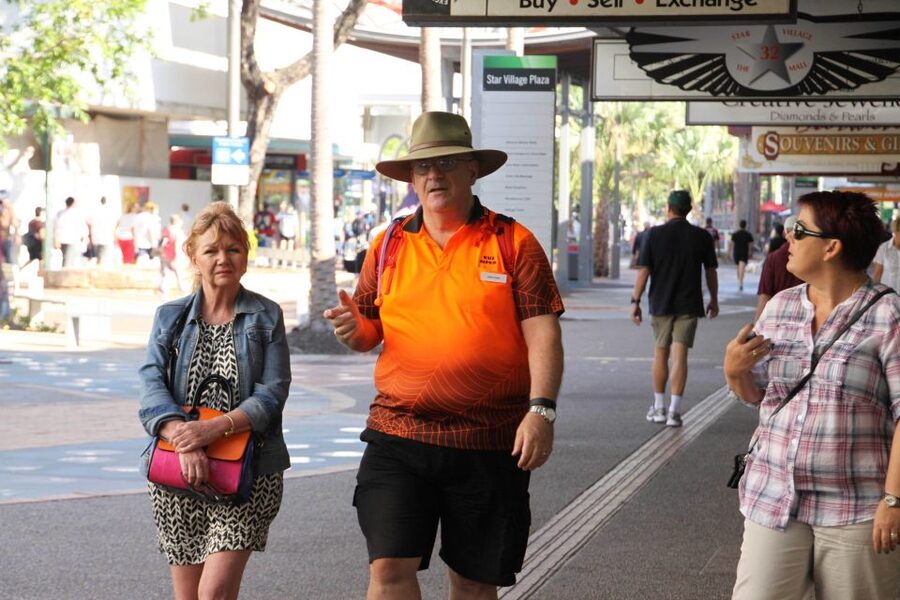
Cyclone Tracy is another major chapter. The cyclone struck Darwin in 1974 and transformed the city, but the tour information does not promise a museum visit or a dedicated indoor exhibit. Instead, the story is told as you move through the streets and view the buildings that remain or have been reconstructed.
That distinction matters. This is a guided outdoor history walk, not a formal disaster exhibition. You will gain a broad sense of how Cyclone Tracy affected Darwin and how the city recovered, while the guide explains the changes around you.
I find this kind of setting valuable because it keeps the story tied to place. You are hearing about a city rebuilt after both wartime attacks and a major cyclone while standing among its government buildings, older structures, and tropical streets.
More walking tours in Darwin:
- Sydney Opera House Official Guided Walking Tour
★ 4.5 · 3,770 reviews - From Sydney: Blue Mountains Tour with Waterfall Walk & Lunch
★ 4.8 · 2,400 reviews - Sydney The Rocks Guided Walking Tour
★ 5.0 · 1,546 reviews - Ultimate Melbourne Walking Tour: History, Laneways & Culture
★ 5.0 · 1,451 reviews
Reconstructed buildings with real texture
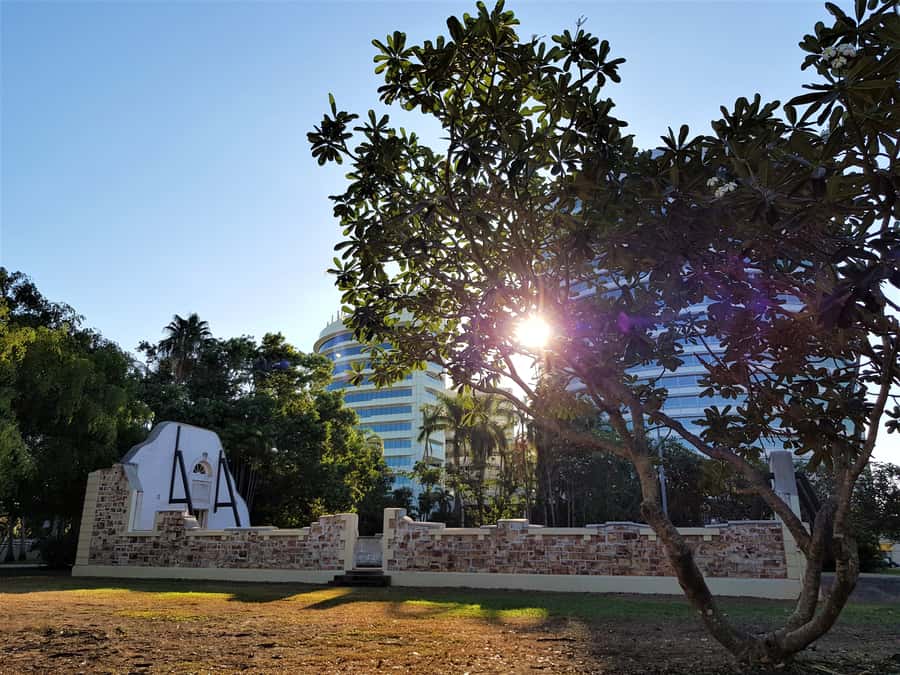
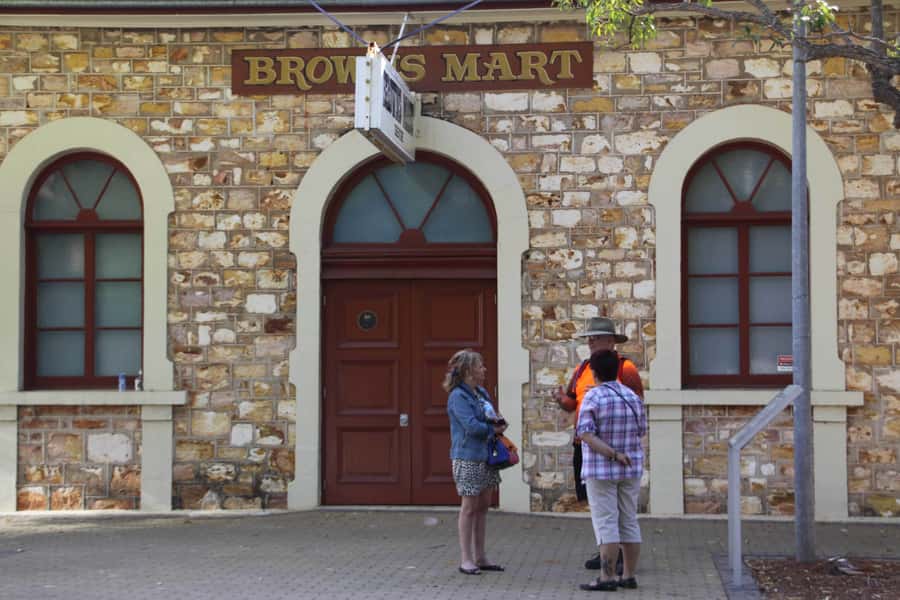
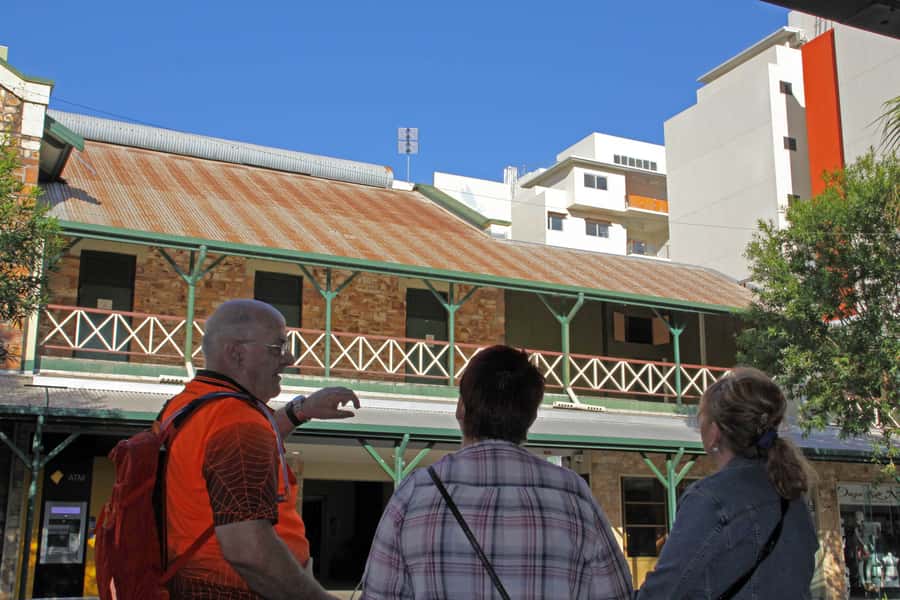
The old courthouse and police station are among the notable historic buildings on the route. These places give the walk a physical focus. Instead of hearing only about early administration, you get to see the buildings associated with it.
Brown’s Mart Theatre adds another layer. It is one of the remaining structures that has been painstakingly reconstructed, and its continued presence helps show how small pieces of early Darwin have been preserved.
The Palmerston Town Hall ruins offer a different kind of stop. Ruins do not provide the complete building experience, but they can make the effects of time, weather, war, and rebuilding easier to understand. Together, these sites show that Darwin’s heritage is not one neat block of old architecture. It is a collection of surviving, restored, and partial remains.
Your guide’s explanations are important here. Without context, a restored façade or a set of ruins can be easy to pass by. With a local guide, you can better understand why these sites matter and how they fit into the city’s development.
Government House, Parliament House, and the Supreme Court
The route also takes in three major civic buildings: Government House, Parliament House, and the Supreme Court of the Northern Territory. These stops shift the focus from early settlement and disaster to the way Darwin functions today as the capital of the Northern Territory.
You will view the buildings from the streets rather than take part in an inside tour. That keeps the experience moving, but it also means you should book this walk for exterior sightseeing and commentary, not for interior access.
The civic section helps balance the older stories. Darwin is not presented as a place frozen in the past. You see how the city’s political and legal institutions sit alongside older remains, public art, and tropical vegetation.
For first-time visitors, this is a useful orientation. After two hours, you should have a clearer mental map of the central area and a better idea of where to return for your own exploring.
Public art, tropical plants, and small details
One of the pleasures of walking is the chance to notice details that are easy to miss from a vehicle. The tour allows time for photographs of public artworks, architecture, historic structures, tropical plants, and wildlife.
The details will vary with the route and conditions, so do not expect a fixed wildlife encounter or a specific photo stop. Think of these as opportunities built into a walking tour. You can pause briefly, look around, and ask John about something that catches your eye.
This is also where the relaxed pace matters. A fast city tour may cover more ground, but it gives you less time to notice how Darwin’s tropical setting affects its streets and buildings. Bring a camera if you enjoy architectural shots or city details.
How the small group changes the experience
The group limit is 10 people, and the tour needs at least two paying participants to operate. A small group makes it easier to hear the commentary and ask questions without interrupting a large crowd.
There is also a chance of a very small group. One past booking had only two participants, which effectively made the walk feel private. You should not assume that will happen on your date, but the capped size still gives the outing a more personal feel than a large city tour.
John has been singled out for his friendly manner, clear explanations, and care with practical matters such as hydration and sun protection. That fits Darwin well. A guide who notices whether people are coping with the heat can make a real difference during an outdoor activity.
The tour is English only. If you need commentary in another language, this is not the right choice.
Is $41 good value?
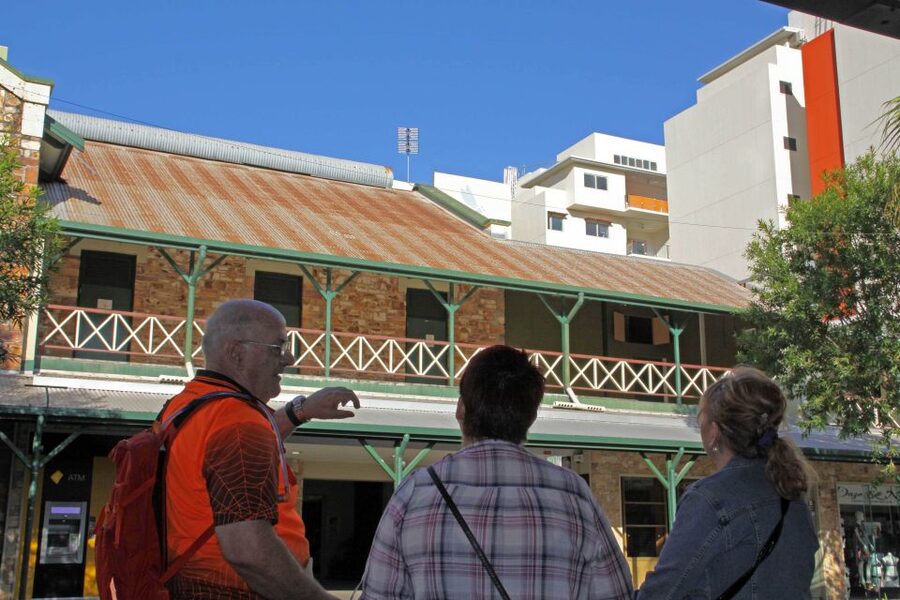
At $41 per person, the tour sits in a reasonable range for a two-hour guided city walk. You are paying for a live local guide, not transportation, meals, or admission to attractions.
The value comes from the interpretation. You can walk through central Darwin for free, but you would not automatically know why the old courthouse, police station, Brown’s Mart Theatre, and Palmerston Town Hall ruins matter. You might also pass Government House, Parliament House, and the Supreme Court without seeing how they connect to the city’s wider story.
I consider the price especially fair if you have limited time in Darwin. One past participant used the walk as a first introduction to the city, and that is exactly how I would use it. Take the tour early in your stay, then revisit the places that interest you most.
The activity does not include food or drink, so factor in the cost of your own water and any meal afterward. There is no hotel pickup or drop-off either. Since the meeting and finish points are both in central Darwin, this is best for people already making their own way around the city.
Heat, fitness, and what to bring
Darwin’s climate makes preparation essential. Bring a sun hat, sunscreen, water, and a camera. Hand sanitizer or tissues are also recommended.
The walk requires a reasonable level of fitness. There are not many spots to sit or rest, so you should be comfortable standing and walking for most of two hours. The pace is not intended to be strenuous, but the lack of regular seating is the key issue for anyone with limited mobility or low fitness.
Wear practical walking shoes and light clothing suitable for the weather. Bare feet are not allowed, and smoking and pets are not permitted. Assistance dogs are allowed.
Children under 10 are not suitable for this tour. Older children may be able to manage it, but the activity is built around spoken history and steady walking rather than hands-on entertainment.
Who should book this Darwin walk?
I would recommend it to first-time visitors, history fans, architecture lovers, and anyone who prefers a personal introduction to a city. It is also a good fit if you want to understand Darwin before spending time at other attractions.
The tour suits independent visitors who do not need hotel transportation and who are happy to meet in the city center. It works particularly well for people with only a short stay, since two hours can provide a useful foundation without taking up a full day.
You may want to skip it if you need frequent rest stops, do not understand English, or prefer air-conditioned sightseeing. It is also not the right activity if you want interior visits, food tastings, or a longer excursion beyond central Darwin.
The strongest reason to choose it is John’s local storytelling. His explanations cover wartime bombing, Cyclone Tracy, civic buildings, reconstructed heritage sites, and modern multicultural Darwin without requiring you to piece the story together yourself.
Final call: a smart first look at Darwin
Book this walk if you want Darwin’s main stories explained at street level, in a small group, by a guide who knows the city personally. At $41, it offers solid value for a two-hour orientation, especially when your time is limited.
Just prepare for the sun, bring water, and expect to keep moving. If those conditions suit you, Walk Darwin’s heritage tour is a practical way to see the city’s older remains, modern institutions, and tropical character in one compact outing.
FAQ
How long is the Darwin heritage walk?
The tour lasts two hours.
Where does the tour start?
It starts under the John McDouall Stuart statue in Raintree Park. The guide wears a bright orange shirt.
Where does the tour finish?
The walk finishes at Knuckey Street and the Esplanade in Darwin City, Northern Territory.
How many people can join the tour?
The group is limited to 10 participants. At least two paying guests are required for the tour to operate.
Is the tour available in languages other than English?
No. The live commentary is provided in English only.
What should I bring?
Bring a sun hat, sunscreen, water, and a camera. Hand sanitizer or tissues are also recommended.
More 2-Hour Experiences in Darwin
- Corroboree Billabong Wetland Cruises – 2 hour Sunset Cruise
★ 5.0 · 214 reviews - Darwin Harbour: 2-Hour Gaze and Graze Sunset Cruise
★ 4.6 · 165 reviews - Melbourne: 2-Hour City Highlights River Cruise
★ 4.1 · 1,804 reviews - Surfers Paradise: 2 Hour Surf Experience on the Gold Coast
★ 4.9 · 1,132 reviews
Just added around Darwin
- Darwin Combo: The Bombing of Darwin Experience & Darwin Harbour Cruise★ 4.5 · 123 reviews
- Tiwi Islands Cultural Experience from Darwin Including Ferry★ 4.0 · 97 reviews
- Bombing of Darwin World War II Tour with Harbour Cruise★ 4.5 · 219 reviews
- ETHICAL ADVENTURES – 1 Day premium Litchfield tour, small group★ 5.0 · 178 reviews
- Tiwi By Design Day Tour★ 4.5 · 163 reviews
- Litchfield Park & Jumping Crocodile Cruise★ 5.0 · 37 reviews
- Royal Flying Doctor Service Tourist Facility: Two Iconic Territory Stories★ 5.0 · 256 reviews
- 1-Hour Thunderball WWII Adventure Jet Skiing in Darwin★ 5.0 · 70 reviews
Darwin Tours, compared.
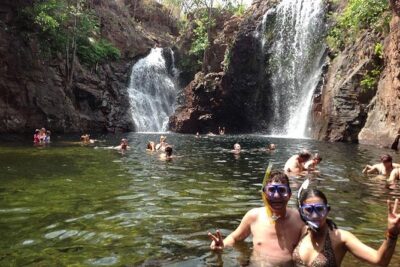
Litchfield National Park and Jumping Crocodile Cruise
Read our review →
Adelaide River Cruises – Jumping Crocodile Experience
Read our review →
Sunset 3-Hour Cruise from Darwin with Dinner and Sparkling Wine
Read our review →
Litchfield Park Tour & Jumping Crocodile Cruise
Read our review →
Kakadu Day Tour from Darwin with Offroad Dreaming
Read our review →
1 Day Corroboree Billabong Wetland Experience including 2.5 hour cruise + lunch
Read our review →Browse the lists this tour appears in