
Review · DARWIN TOURS
WWII Bombing of Darwin & Royal Flying Doctor Service
The most striking part of this Darwin attraction is the way VR and holographic storytelling turn two serious chapters of Australian history into something you can see and feel, rather than simply read on a wall. You move at your own pace through the Royal Flying Doctor Service story and the bombing of Darwin Harbor in 1942.
I especially like the chance to step inside a decommissioned RFDS Pilatus PC-12, and I like that the bombing story comes through several forms of media, including cinema sessions, interactive displays, and a viewing platform known as the Window of the 1942 bombing. The main drawback is that this is a self-guided visit in English, so you will need to read, listen, and manage the timing of the media sessions yourself.
Another practical point: allow about 1.5 hours if you want to see the entire facility without rushing. The ticket costs $21 per person, remains valid for six months, and includes two virtual reality experiences, headset audio translators, and holographic cinema sessions.
Key points to know before you go

- Two major Darwin stories in one visit: Learn how the RFDS developed in the Northern Territory and how the 1942 bombing affected Darwin Harbor.
- Technology does real work here: VR, holograms, and interactive displays help you follow events through personal stories and visual scenes.
- Walk through a real RFDS aircraft: The decommissioned Pilatus PC-12 gives the medical service a physical shape.
- Plan for 1.5 hours: Staff explain the session times when you arrive, so allow enough time for the full exhibition.
- The $21 ticket covers the main experience: Your entry includes the self-guided displays, audio translators, two VR experiences, and holographic cinema sessions.
- Check the entry time: Last entry is 3:00 PM on normal trading days and 2:00 PM on public holidays.
Two Darwin stories brought together at Stokes Hill Wharf
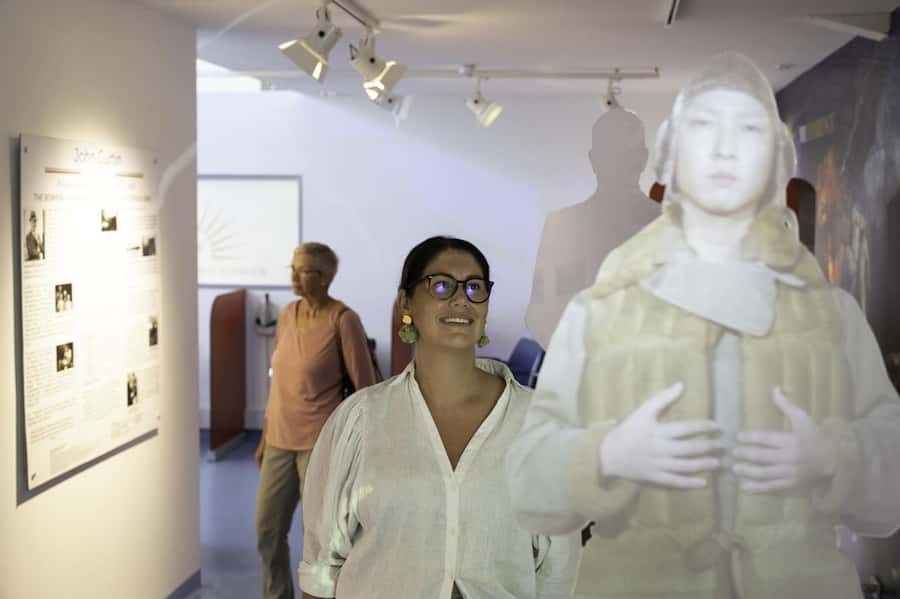
The RFDS Darwin Tourist Facility presents two stories that are closely tied to the Northern Territory. One follows the Royal Flying Doctor Service, which began aeromedical operations in the Northern Territory in 1939. The other looks at the bombing of Darwin Harbor in 1942, a moment that brought the war directly to Australia.
That pairing works well because the subjects have different moods. The RFDS section is about service, distance, medical care, and the people who made treatment possible across a huge area. The bombing section is more dramatic, showing the shock, danger, survival, and loss connected with the raids.
You do not need a long background lesson before arriving. The exhibits are designed to give you the setting as you go, and staff members are available if you need help finding the next part or understanding the session schedule.
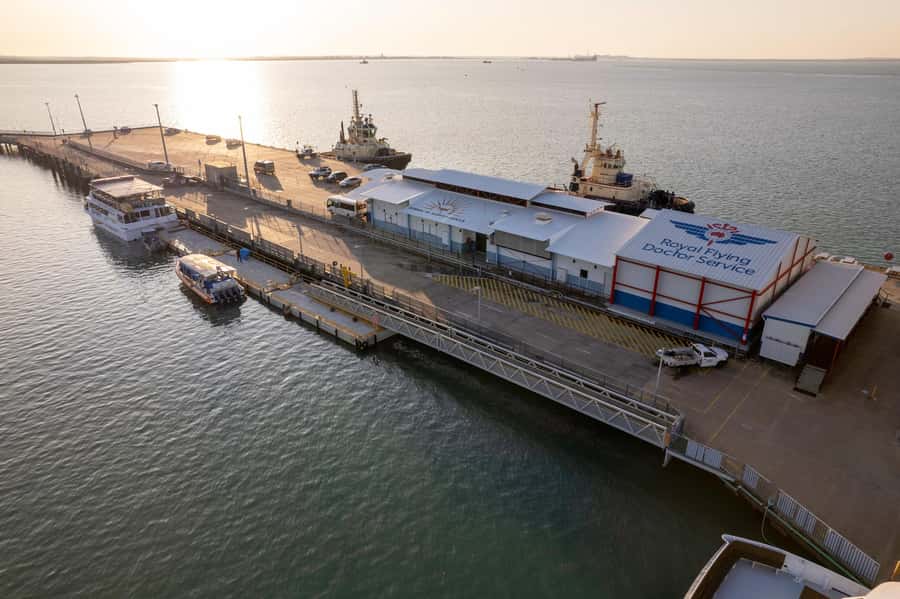
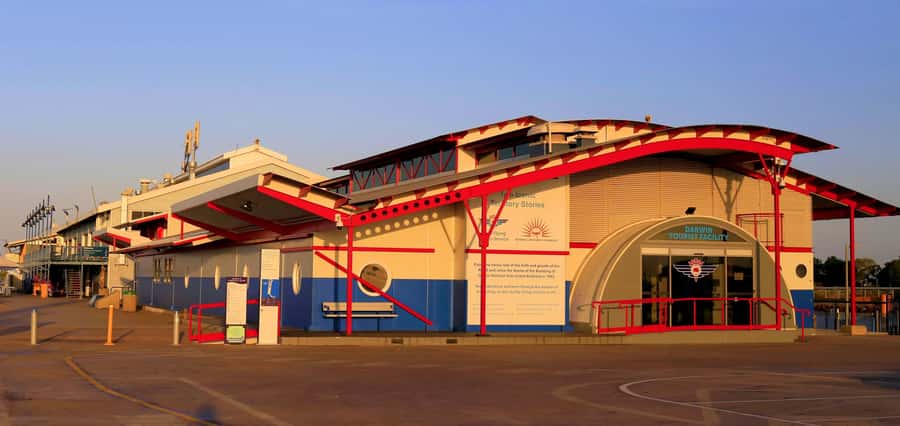
The attraction is at 45 Stokes Hill Road, Darwin City, at Stokes Hill Wharf. That location makes it an easy stop if you are already exploring the waterfront area, though no transport from elsewhere in Darwin is included in the ticket.
A few more Darwin half-days to weigh up
- Litchfield National Park and Jumping Crocodile Cruise
★ 5.0 · 2,119 reviews - Adelaide River Cruises – Jumping Crocodile Experience
★ 5.0 · 997 reviews - Sunset 3-Hour Cruise from Darwin with Dinner and Sparkling Wine
★ 5.0 · 980 reviews
Starting with the Royal Flying Doctor Service
When you arrive, a staff member gives you an outline of the facility. You also receive information about the holographic cinema times and the Window of the 1942 bombing platform. Pay attention at this point, since the visit is self-guided and the media sessions form an important part of the experience.
The RFDS exhibition begins with the service’s birth and growth. Its 1939 start in the Northern Territory matters because the service was built to deal with distance. Aeromedical care was not simply a faster way to reach patients. It was a way to connect isolated communities with medical help across a region where ordinary access could be difficult.
You learn through displays and interactive material rather than through a standard guided talk. That gives you freedom to pause at sections that interest you, but it also means you must set your own pace. If you tend to move quickly through museum panels, make a point of slowing down here. The human stories give the aircraft and equipment more meaning.
The attraction also looks at the people behind the service. The focus is not only on machines or flight routes. You hear about the heroes and survivors linked with these events, which helps show how much depended on individual skill, courage, and quick decisions.
Stepping inside the Pilatus PC-12
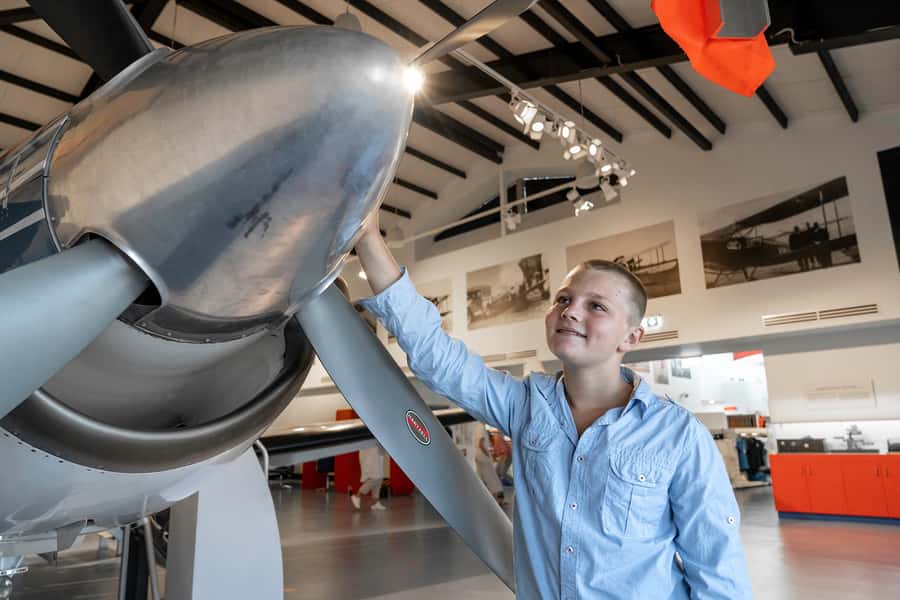
The decommissioned RFDS Pilatus PC-12 is one of the most useful parts of the visit. You can see a fully equipped aeromedical plane up close, rather than trying to picture the aircraft from photographs or text.
For many people, this will be the clearest link between the RFDS story and the practical work of the service. The plane gives you a sense of how medical care and air travel were brought together. It also helps younger visitors understand that this was a working medical environment, not just a passenger aircraft.
I would give yourself enough time around the PC-12. Look closely at the medical setup and think about what it meant to provide care in the air. The exhibition does not require you to be an aviation enthusiast. The aircraft is useful precisely because it makes the wider story easier to grasp.
The visit remains self-guided, so you will not have a guide explaining every part of the plane. Staff are available to assist, though the format is still based on your own exploration.
Seeing the bombing of Darwin through technology
The second major section covers the bombing of Darwin Harbor in 1942. This part uses modern presentation tools to show how the raids affected Australia and the people caught up in them.
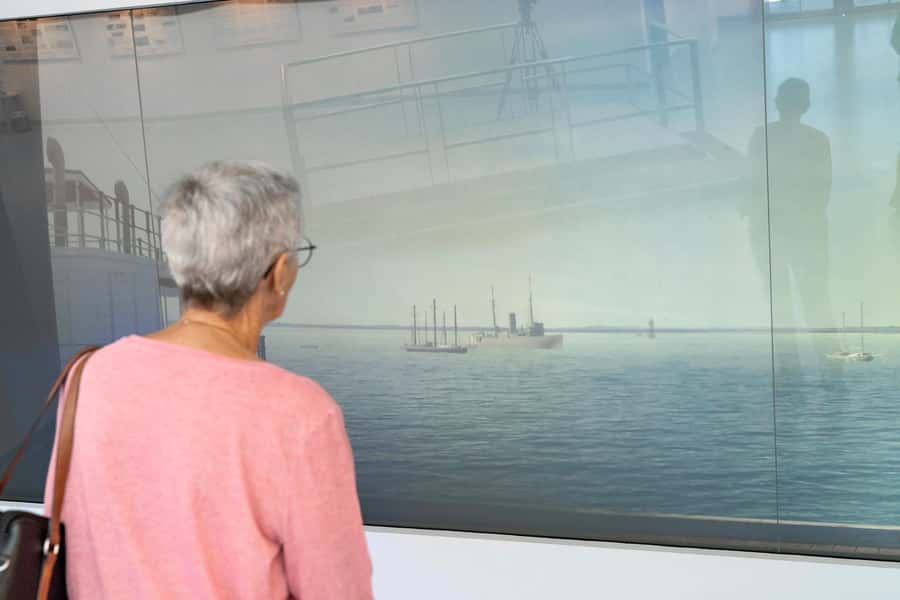
The Window of the 1942 bombing platform is one of the scheduled elements. It gives the story a specific viewing point and helps shift you from general background into the drama of the attacks. Staff explain the timing when you arrive, so you can fit it into your visit rather than guessing when to go.
The holographic cinema sessions add another layer. Holograms can sometimes feel like a gimmick, but here they are used to bring personal accounts and historical scenes into the exhibition. The goal is not just to show you a date and a list of events. It is to help you understand the human scale of what happened.
You will also find interactive storytelling focused on survival and heroic actions. That approach gives the bombing section emotional weight without requiring a traditional lecture. If you prefer quiet displays and long written explanations, the technology may feel a little busy. If you learn better through images, sound, and short scenes, it should hold your attention.
Same base, a completely different day out:
- From Darwin: Litchfield Park Tour & Jumping Crocodile Cruise
★ 4.9 · 829 reviews - Charles Darwin Dinner Cruise
★ 4.5 · 820 reviews - Kakadu Day Tour from Darwin with Offroad Dreaming
★ 5.0 · 776 reviews - Cape Adieu Darwin Sunset Dinner Cruise
★ 5.0 · 750 reviews
Why the VR experiences are worth your time
Your ticket includes two virtual reality experiences. These are not optional extras that require another payment, so they add useful value to the $21 entry price.
VR can help place you inside an event or environment that is hard to show through a normal display. In this facility, it supports the stories of the RFDS and the bombing of Darwin Harbor. You gain a visual sense of events while still having the other exhibits to provide context.
The technology also gives the visit variety. You might read a display, examine the aircraft, watch a holographic session, and then use VR. That change of pace is one reason the facility may take longer than expected. One recent booking note described the use of newer technology as a reason to stay longer than planned, and that is sensible advice for your own schedule.
Do not treat the VR as the entire attraction. It works best when you also spend time with the written and physical exhibits. The aircraft, survivor stories, and historical explanations give the digital parts something solid to support.
A self-guided format with helpful staff
This is not a guided walking tour. You meet a staff member at the start, receive an outline, and then explore independently. Staff remain available to help as required, which gives you some support without locking you into a group timetable.
That format suits you if you like choosing what to read and how long to stay at each display. It also works well for families or mixed-interest groups, since one person can spend more time with the aircraft while another focuses on the bombing exhibits.
The tradeoff is that you need to pay attention to the cinema and Window platform timings. A guided tour would keep everyone together automatically. Here, you have more freedom, but you are responsible for making the schedule work.
The host or greeter speaks English, and English is the stated language for the experience. Headset audio translators are included, which may help you follow the content if English is not your first language. The available information does not specify the full range of translated languages, so check with staff on arrival if that matters to you.
How long to stay and when to arrive
The recommended time for the complete facility is 1.5 hours. That is long enough to move through both stories, see the aircraft, use the VR experiences, and attend the scheduled cinema elements.
You might spend less time if you only want a quick look, but that would mean skipping some of what makes the ticket worthwhile. The modern media sessions have set timings, and rushing can leave you waiting awkwardly or missing a segment.
Last entry is 3:00 PM on normal trading days. On public holidays, last entry is earlier, at 2:00 PM. I would avoid arriving close to those cutoffs, since entry is not the same as having enough time to view the facility properly.
The ticket is valid for six months, with starting times subject to availability. That is useful if your Darwin plans may change. It does not mean the visit lasts six months. It means you have a long period in which to use the booking.
What the $21 price includes
At $21 per person, this is a moderate-cost attraction rather than a major day expense. The value depends on whether you use the full mix of features.
Included are:
- A self-guided tour
- Headset audio translators
- Two virtual reality experiences
- Holographic cinema sessions
- Access to the RFDS and Darwin bombing exhibits
- Access to the decommissioned Pilatus PC-12 display
You are not paying for a short presentation alone. The ticket covers a full facility visit with physical exhibits and several kinds of digital storytelling. If you allow the full 1.5 hours, the price works well for a focused Darwin history stop.
The value is less clear if you are only interested in aircraft or only want a quick WWII display. The attraction divides its time between the RFDS and the bombing of Darwin, so you should have at least some interest in both.
The 4.8 rating from 34 reviews points to a strong overall response, though the sample is not large. The written comments highlight the audio-visual presentation and the different ways of learning about both subjects. One useful detail is that the newer technology can keep you there longer than expected, so do not place an important appointment immediately afterward.
Who will get the most from this visit
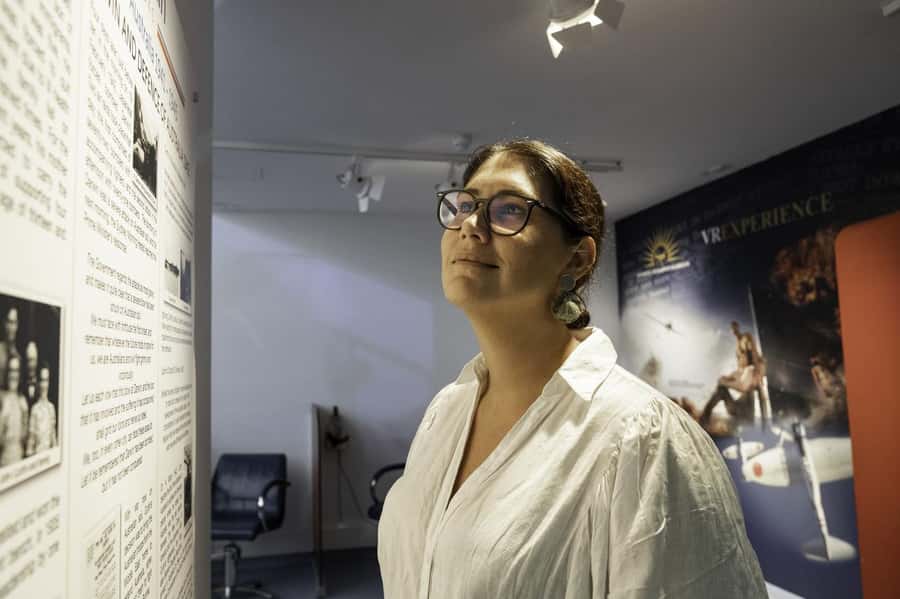
I would recommend this facility to you if you enjoy Australian history but prefer a display that uses more than printed panels. The VR and holograms make the visit active, while the aircraft and personal accounts keep it tied to real people and real equipment.
It is also a good choice for families, since the different formats can appeal to different ages. Children may respond first to the aircraft or VR, then pick up more of the story through the interactive exhibits. Adults who want more context can spend longer with the historical material.
The attraction suits visitors with a limited Darwin schedule as well. At 1.5 hours, it is substantial without taking up a full day. Its waterfront location can also fit into a broader visit around Stokes Hill Wharf.
You may want to choose something else if you strongly prefer a live guide, a long academic lecture, or a tour conducted in a language other than English. The staff can assist, but the main format is independent exploration.
The facility is wheelchair accessible, which is important for planning a comfortable visit. For any detailed access question beyond that, ask the provider before you go, since the supplied information only confirms general wheelchair accessibility.
Practical booking and cancellation advice
You can cancel up to 24 hours in advance for a full refund. That gives you a reasonable safety net if weather, transport, or other Darwin plans change.
The reserve now and pay later option lets you hold a place without paying at the time of booking. Starting times still depend on availability, so check the calendar rather than assuming every time will be open.
There is also skip-the-ticket-line entry, which can save a little time at the facility. You still need to meet the staff member on arrival so you can receive the outline and learn the media session schedule.
Because last entry is earlier on public holidays, check the day of your visit carefully. A late arrival may leave you with too little time for the full exhibition, even if you technically enter before closing.
Should you book the RFDS and Darwin bombing experience?
I would book this for $21 if you want a clear, compact introduction to two important Northern Territory stories and you enjoy visual technology. The aircraft display gives the RFDS section a physical focus, while the VR, holograms, and cinema sessions make the bombing story easier to follow than a basic museum panel display.
Give yourself 1.5 hours, arrive well before the last entry time, and listen carefully to the staff briefing. You will get the best value by treating the attraction as a complete visit rather than a quick photo stop.
Skip it if you want a fully guided tour or have no interest in one of the two subjects. For most visitors who want history presented in a direct, modern way, this is a sensible Darwin stop with a fair price and enough variety to hold your attention.
FAQ
Where is the RFDS Darwin Tourist Facility?
It is at 45 Stokes Hill Road, Darwin City, Northern Territory 0800, Australia, at Stokes Hill Wharf.
How much does admission cost?
The listed price is $21 per person.
How long should I allow for the visit?
Allow about 1.5 hours to view the facility in its entirety.
What does the ticket include?
The ticket includes a self-guided tour, headset audio translators, two virtual reality experiences, and holographic cinema sessions.
Is the experience guided?
It is a self-guided visit. A staff member or greeter gives you an outline when you arrive, and staff are available to assist if needed.
What language is the experience in?
The host or greeter speaks English, and English is the stated language for the experience. Headset audio translators are included.
Is the facility wheelchair accessible?
Yes, the facility is listed as wheelchair accessible.
What is the cancellation policy?
You can cancel up to 24 hours in advance for a full refund. You can also reserve now and pay later, subject to availability.
Just added around Darwin
- Tiwi Islands Cultural Experience from Darwin Including Ferry★ 4.0 · 97 reviews
- Bombing of Darwin World War II Tour with Harbour Cruise★ 4.5 · 219 reviews
- Darwin Combo: The Bombing of Darwin Experience & Darwin Harbour Cruise★ 4.5 · 123 reviews
- ETHICAL ADVENTURES – 1 Day premium Litchfield tour, small group★ 5.0 · 178 reviews
- Tiwi By Design Day Tour★ 4.5 · 163 reviews
- Litchfield Park & Jumping Crocodile Cruise★ 5.0 · 37 reviews
- Royal Flying Doctor Service Tourist Facility: Two Iconic Territory Stories★ 5.0 · 256 reviews
- 1-Hour Thunderball WWII Adventure Jet Skiing in Darwin★ 5.0 · 70 reviews
Darwin Tours, compared.
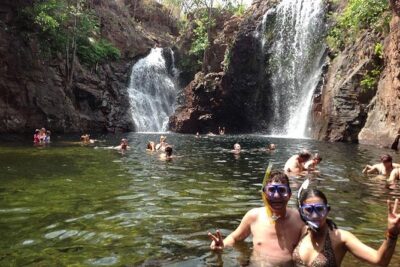
Litchfield National Park and Jumping Crocodile Cruise
Read our review →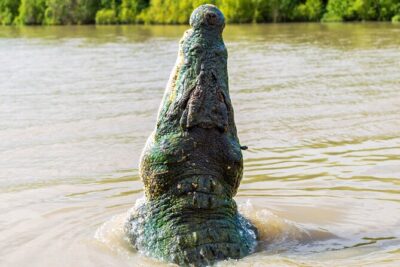
Adelaide River Cruises – Jumping Crocodile Experience
Read our review →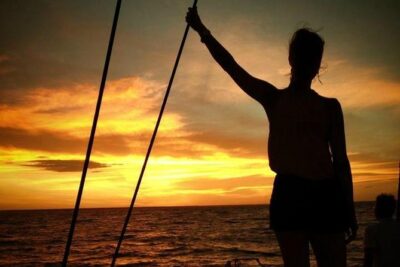
Sunset 3-Hour Cruise from Darwin with Dinner and Sparkling Wine
Read our review →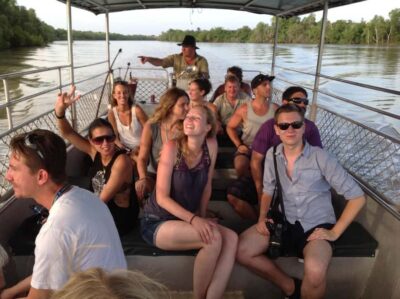
Litchfield Park Tour & Jumping Crocodile Cruise
Read our review →
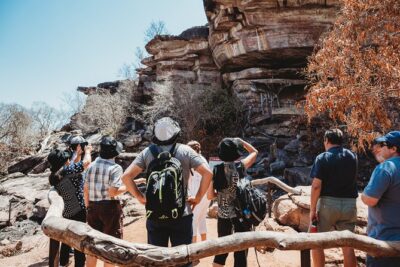
Kakadu Day Tour from Darwin with Offroad Dreaming
Read our review →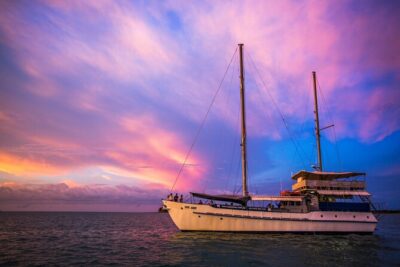
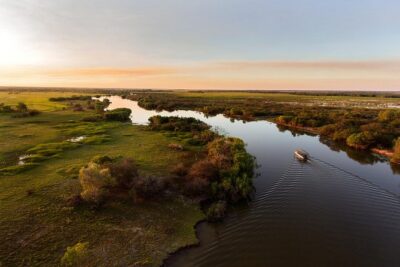
1 Day Corroboree Billabong Wetland Experience including 2.5 hour cruise + lunch
Read our review →Browse the lists this tour appears in