
Review · FARMS
Rockhampton: Koorana Crocodile Farm Guided Tour
The most memorable part of Koorana Crocodile Farm is the chance to hold a small crocodile while learning why these powerful reptiles matter. You also get a close look at feeding time and, in the right season, the eggs and hatchlings that keep the farm going.
I like the tour’s mix of hands-on fun and real conservation work, along with the guides’ clear passion. Kia is praised for his lively explanations, while Mel is known for making the experience engaging even on a hot day. The main thing to consider is the outdoor setting: bring water, sunscreen, a hat, and insect repellent, and expect the tour to focus more on crocodile behavior than on a broad collection of animals.
Key points to know before you go
- Hold a small crocodile: You can pose for a photo with a young crocodile under staff supervision.
- Watch feeding time: The farm walk includes crocodile feeding by the staff.
- Visit at the right season: Egg collection takes place from December to February, with hatching usually from February to May.
- Learn before you look: The tour begins with conservation, commercialisation, farm history, and a crocodile behavior video.
- Allow 90 minutes: The tour is fully guided in English and admission is included in the $28 price.
- Plan for heat: Comfortable shoes, water, sunscreen, a camera, and insect repellent are useful.
Meeting crocodiles at Queensland’s first commercial farm
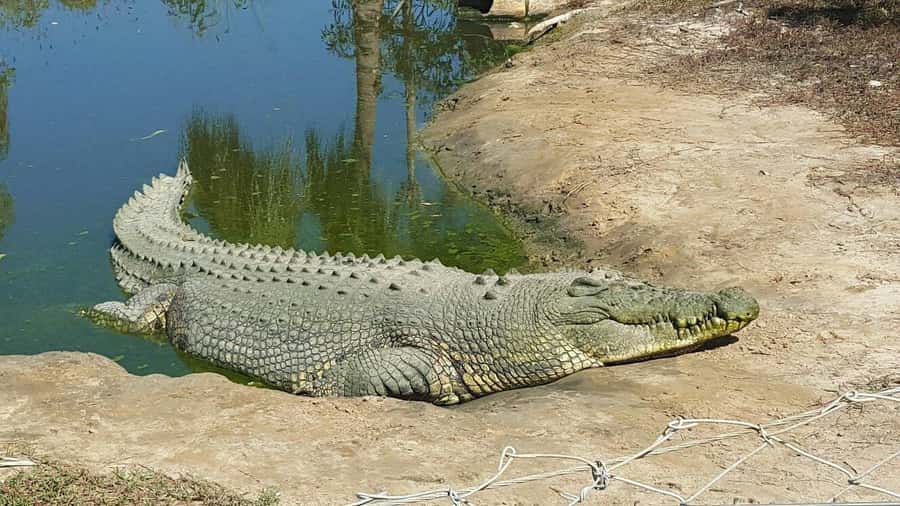
Koorana Crocodile Farm gives you a close look at crocodiles in a setting that is part working farm, part education center, and part wildlife encounter. The farm is Queensland’s first commercial crocodile farm, so the visit is not presented as a simple animal show. You learn how crocodiles behave, how they breed, and how conservation connects with commercial farming.
That distinction matters. A crocodile is not a cuddly zoo animal, and the tour does not try to pretend otherwise. The staff explain the animals’ behavior and keep the focus on safe, controlled viewing. You see the reptiles at close range, but the experience is built around understanding them rather than treating them like photo props.
The full visit lasts about 90 minutes. That is a useful length for a stop near Rockhampton or the Capricorn Coast. You get enough time for a proper introduction, video, farm walk, feeding session, and small crocodile photo opportunity without giving up most of your day.
More farm visits around Australia:
- Amazing Yarra Valley Wine Tour + Chocolate, Farm Fresh, Gin
★ 5.0 · 1,566 reviews - Hidden Gems: Boutique Full-Day Wine, Farm & Lunch Tour
★ 5.0 · 881 reviews - Melbourne: Yarra Valley Wine, Choc, Farm Fresh, Gin Tour
★ 4.9 · 258 reviews
The opening talk explains conservation and commercialisation
Your guide starts with an introductory talk about crocodile conservation and commercialisation. This gives the rest of the visit some context. Instead of seeing rows of crocodiles first and asking questions later, you begin with the reasons a farm like this exists and the role crocodiles play in the wider environment.
The tone depends on your guide. Kia has been praised for his enthusiasm, clear explanations, and strong respect for the animals. Mel is another guide who has been singled out for making the visit warm and entertaining. The names matter because good guiding is central here. The farm itself is interesting, but the guide is the person who turns a series of enclosures into a useful lesson.
Expect plenty of questions about crocodile behavior. The tour focuses on how the animals live and respond to their surroundings, rather than offering a quick parade of unrelated creatures. You may learn why crocodiles behave in certain ways, how their life cycle works, and how staff handle them safely.
The talk is in English. If English is not your first language, you may find a fast-speaking guide harder to follow. One practical tip is to stay close enough to hear clearly and ask the guide to slow down if needed. The content is aimed at a general audience, and the guides encourage questions.
The video gives you a useful base before the farm walk
The next part is a video presentation on crocodile behavior and the farm’s history. This might sound less exciting than standing beside a crocodile, but it serves a purpose. You get the basic ideas before heading outside, so the farm walk has more meaning.
The video also helps explain the difference between crocodiles and alligators, a subject that comes up often during the tour. If you already know a fair bit about reptiles, this section may feel familiar. For families and first-time visitors, it is a good way to get the essentials without relying on a long outdoor talk in the heat.
I like this order. The farm walk becomes more than a photo stop because you have already heard what to watch for. You can pay attention to movement, feeding responses, and the way the animals occupy their enclosures.
The farm walk brings you close to feeding time
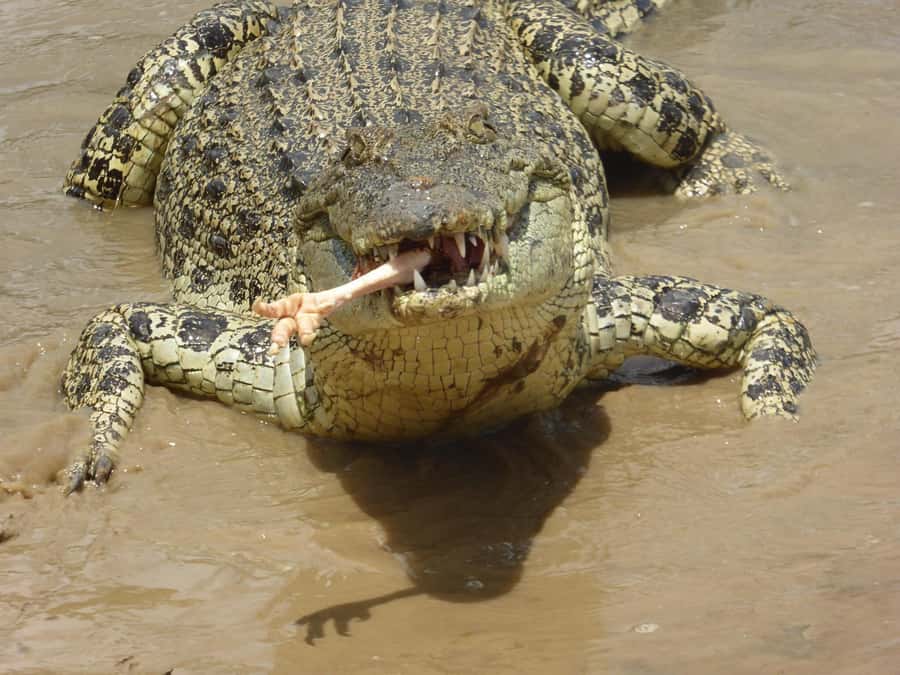
The outdoor walk is the heart of the experience. You move around the farm with your guide and see crocodiles being fed by staff. Feeding time gives you a clear view of the animals’ strength and speed, but it is also a lesson in behavior.
Do not expect constant action. Crocodiles may spend long periods still, and the feeding session can be more about anticipation than nonstop movement. That is part of the value. You see how these animals conserve energy and respond when food appears, rather than watching a carefully timed performance every few minutes.
The guides keep the group focused on safety. That is especially important when you are close to large crocodiles. The experience is exciting without asking you to take foolish risks. The staff handle the feeding, and you observe from the permitted areas.
The outdoor setting can be hot, particularly in warmer months. Wear comfortable shoes and bring water. Sunscreen, a hat, and insect repellent are sensible choices. A camera is also worth packing, though you should keep it ready for the smaller crocodile photo opportunity rather than expect to photograph every animal at close range.
One point to keep in mind is that the visible crocodiles may mainly be breeding pairs. If you are hoping to see every part of the farm’s production process, the standard tour may not cover each stage in detail. The focus is behavior, conservation, and observation.
A few more Australia half-days to weigh up
- Sydney: Opera House Guided Tour with Entrance Ticket
★ 4.8 · 8,312 reviews - Sydney Opera House Official Guided Walking Tour
★ 4.5 · 3,770 reviews - From Cairns: Self-Guided Kuranda Trip with Train and Skyrail
★ 4.6 · 3,392 reviews - Whitsundays Guided Jet Ski Tour
★ 5.0 · 3,348 reviews
Holding a small crocodile is the photo moment
The hands-on part is simple but memorable. If you feel brave, you can hold a small crocodile and have a photo taken. Staff supervise this encounter, and the animal is small enough for the experience to be controlled.
This is the moment children usually remember, although children under three are not permitted on the tour. Older children can find it thrilling, and adults often enjoy it just as much. You do not need to be a reptile expert. You only need to listen carefully to the staff and decide if you are comfortable taking part.
The experience is not really about cuddling a crocodile. It is about seeing the animal’s body, texture, and alertness up close while learning how staff manage a young reptile. The careful handling also reinforces the main lesson: crocodiles are fascinating, but they are still wild animals with serious power as they grow.
Bring a camera, but check how the photo process works when you arrive. The activity information includes the hands-on photo opportunity as part of the tour. One past visitor referred to paying $40 to hold a baby crocodile, while the listed admission price for this experience is $28 per person. If the photo or handling arrangement matters to your budget, confirm the current details with the farm before booking.
Eggs and hatchlings depend on your travel dates
Seasonal timing can change the visit in a meaningful way. From December to February, staff may carry out nest raids to collect eggs. From February to May, you may see baby crocodiles hatching.
These are not guaranteed year round attractions. If you are especially interested in eggs or newborn crocodiles, plan around the stated months and check what is happening on your chosen date. The standard tour still includes the farm walk and behavior lesson outside those periods, but the seasonal activity can add a rare look at the beginning of a crocodile’s life.
The egg collection process also connects the farm’s daily work with conservation and breeding. You are not just looking at animals in enclosures. You are seeing how staff monitor nests and manage the next generation of crocodiles.
A visit during hatching season may be particularly rewarding for families, photographers, or anyone interested in animal life cycles. Still, it is wise to keep expectations sensible. Hatching is a natural process, not a scheduled stage show, so you may see eggs, hatchlings, or evidence of the process depending on timing.
What the $28 price gets you
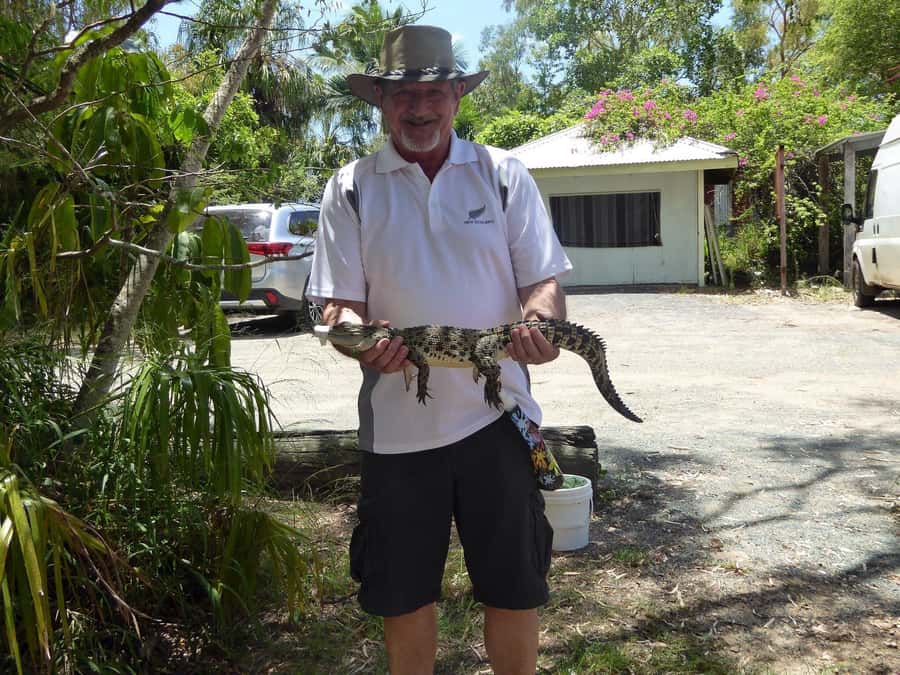
At $28 per person, the tour offers solid value if you want more than a quick animal encounter. The price covers a 90 minute guided visit, the introductory talk, the video, the farm walk, crocodile feeding, and the small crocodile photo opportunity.
The value comes from the range of activities packed into a short visit. You are not paying only to look over a fence. You receive explanations from a live English-speaking guide, see a working crocodile farm, watch staff feed the animals, and may take part in a supervised close encounter.
I would compare it with the cost of other short wildlife attractions in the Rockhampton area, but the practical strength here is the focused subject. If crocodiles interest you, the tour gives you a clear, concentrated experience. If you want a large wildlife park with many species, this is not that kind of outing.
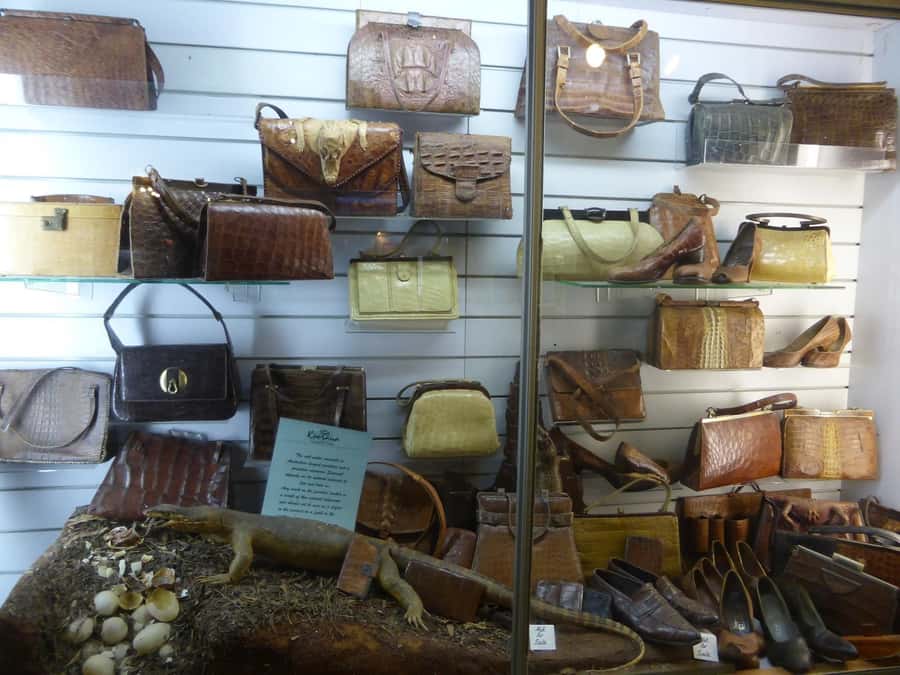
Food and drinks are not included, so bring water. Do not count on a meal being part of the ticket, even though crocodile products and food may be associated with the wider farm operation. The listed tour inclusions are the guided activities, not catering.
Flexible booking is another useful point. You can reserve and pay later, and cancellation is available up to 24 hours before the activity for a full refund. That helps if your Queensland road trip plans are still shifting.
Who will enjoy this tour most
I would recommend Koorana Crocodile Farm to families with children over three, couples looking for an unusual stop, and anyone curious about Australian wildlife and farming. The baby crocodile encounter gives the tour an easy fun factor, while the behavior and conservation talks give adults something more substantial.
It also suits people who prefer a guided activity over wandering through an attraction alone. The guides are a major part of the experience. Kia’s energetic style has worked well for people who enjoy questions and lively storytelling, while Mel has been praised for keeping the group engaged in hot conditions.
The tour may be less suitable if you dislike heat, insects, outdoor walking, or close contact with reptiles. It is also not suitable for pregnant women or children under three. If you want a slow, quiet wildlife viewing session with no handling, you may prefer to skip the photo opportunity and focus on the farm walk.
Non-native English speakers should allow for the possibility of a fast-speaking guide. The information is accessible, but staying attentive is important during the opening talk and video.
Practical tips for a smoother visit
Wear shoes you can walk in comfortably. The farm walk is part of the tour, and practical footwear is more useful than sandals that offer little support.
Bring a camera, sunscreen, water, and insect repellent. A hat is also a wise addition, especially during the warmer months. The outdoor sections can feel hot, and shade may not be available at every point.
If you are visiting between December and May, ask about the current seasonal activity. December through February is the period for nest raids and egg collection, while February through May is the usual hatching period. The dates overlap in February, so that month may offer more than one possible seasonal focus.
Listen closely during the safety instructions. The crocodile photo is a supervised activity, not a chance to handle the animal however you wish. You will get a better photo and a better experience by following the staff’s directions.
Finally, leave time for questions. The guides’ explanations are one of the strongest parts of the tour, and the subject offers plenty to discuss, from crocodile behavior to the difference between conservation and commercial farming.
Should you book Koorana Crocodile Farm?
Book it if you want a short, well-guided crocodile experience near Rockhampton with a strong educational side. The combination of feeding time, farm history, conservation information, and a supervised baby crocodile photo gives you more substance than a simple animal viewing stop.
The $28 price is reasonable for 90 minutes of guided activities, especially if you take part in the hands-on photo and ask questions. Try to visit during the egg collection or hatching months if those stages interest you, but do not dismiss the tour outside the seasonal window.
Skip it if you want a broad Australian wildlife park, a catered outing, or an indoor activity. For everyone else, pack water and sunscreen, listen to the guide, and come ready to meet one of Australia’s most impressive reptiles at close range.
FAQ
How long is the Koorana Crocodile Farm tour?
The guided tour lasts 90 minutes.
How much does the tour cost?
The listed price is $28 per person.
What does the admission include?
Admission includes the 90 minute guided tour, an introductory talk, a crocodile behavior video, the farm walk, crocodile feeding, and a supervised photo opportunity with a small crocodile.
Is the tour guided?
Yes. The tour has a live English-speaking guide.
Can I hold a crocodile?
You can hold a small crocodile for a supervised photo opportunity.
Can I see crocodile eggs?
You may see eggs and learn about the hatching process. Nest raids and egg collection usually take place from December to February.
When can I see baby crocodiles hatching?
Baby crocodiles may hatch from February to May.
Are food and drinks included?
No. Food and drinks are not included.
What should I bring?
Bring comfortable shoes, a camera, sunscreen, water, and insect repellent.
Who cannot take part in the tour?
Children under three and pregnant women are not permitted to take part.
Just added around Australia
- 7-Day Super Value Tour of Tasmania: Explore Tasmania’s West and East Coasts★ 5.0 · 77 reviews
- Hobart: Bruny Island Adventure: Hiking, Highlights & Local tastes★ 4.0 · 23 reviews
- Cascades Female Factory Historic Site [official]★ 4.5 · 110 reviews
- A Day At Wineglass Bay★ 5.0 · 33 reviews
- 5-Day Best of Tasmania Tour from Hobart★ 5.0 · 184 reviews
- 6-Day Tasmanian Explorer Adventure Tour from Hobart★ 5.0 · 66 reviews
- 4 Day Wild Tasmania Tour / Wildlife, Nature, Hiking / Inc. Accom★ 5.0 · 126 reviews
- Bonorong Wildlife Park and Richmond Afternoon Tour from Hobart★ 4.5 · 113 reviews
Farms, compared.
Amazing Yarra Valley Wine Tour + Chocolate, Farm Fresh, Gin
Read our review →
Hidden Gems: Boutique Full-Day Wine, Farm & Lunch Tour
Read our review →
Experience Coffin Bay Oyster Farm and Bay Tour
Read our review →
Hidden Gems Margaret River: Authentic Wine & Farm Experience
Read our review →
Incredible Islands Tour – Horizontal Falls & Cygnet Bay Pearl Farm
Read our review →
Experience Coffin Bay Short and Sweet Oyster Farm Tour
Read our review →
Cygnet Bay Pearl Farm Behind-the-Scenes Tour & Live Harvest
Read our review →Browse the lists this tour appears in