
Review · MELBOURNE TOURS
Moonlit Sanctuary Conservation Park Entry Ticket
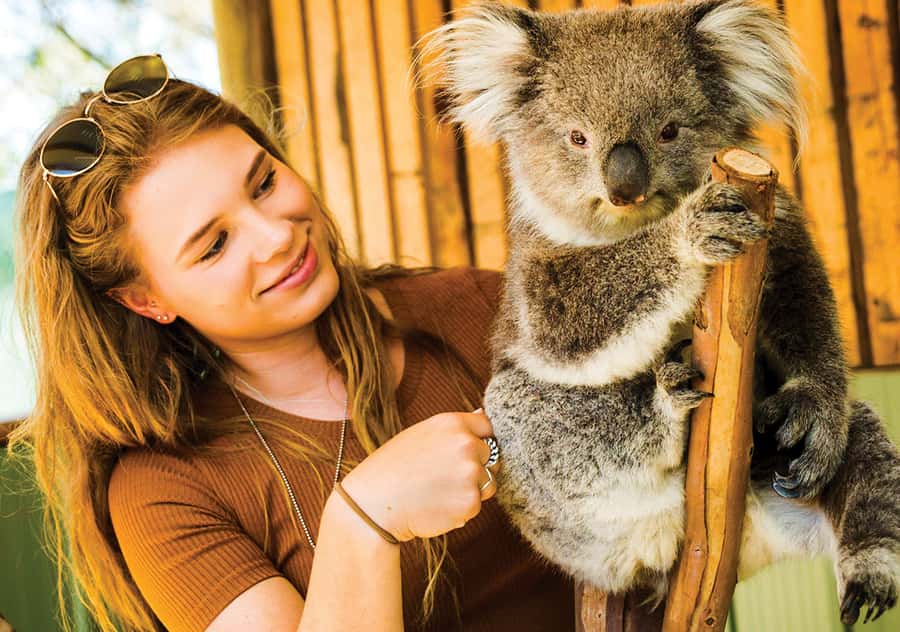
Moonlit Sanctuary gives you something many wildlife parks cannot: free-ranging kangaroos and wallabies that you can approach, feed, and gently pat. Add koalas, wombats, dingoes, Tasmanian devils, parrots, reptiles, and daily keeper talks, and you have a very full introduction to Australian wildlife in one stop.
I like the close animal access and the serious conservation work behind it, especially the care given to endangered species such as orange-bellied parrots, southern bettongs, spot-tailed quolls, and Tasmanian devils. I also like the relaxed layout, with shade, rest areas, nearby parking, a café, and a gift shop. The main consideration is time: the basic ticket covers entry for one day, but popular koala and wombat encounters may require extra payment and can fill quickly.
Key things to know before you go
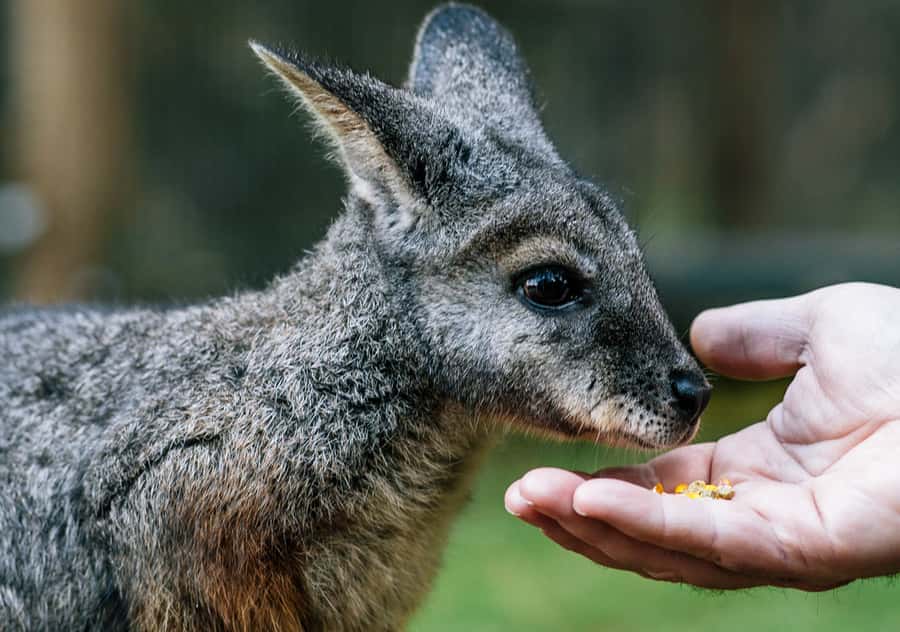
- Free-ranging kangaroos and wallabies: You can walk among about 80 kangaroos and wallabies and buy food for a closer encounter.
- More than 60 native species: Expect mammals, birds, reptiles, fish, amphibians, and insects across 10 hectares of bushland and wetlands.
- Daily keeper talks: Talks help you understand the animals rather than simply photograph them. Keeper Olly received special praise for his kangaroo presentation.
- Extra animal encounters: Koala and wombat experiences may be available for an added fee, but time slots can sell out.
- A useful Melbourne side trip: The sanctuary is about 50 minutes southeast of central Melbourne and lies on the route toward Phillip Island.
- Family-friendly but not only for children: The animal access, shows, café, and spacious paths suit families, couples, and wildlife-focused visitors.
Walking into Australian bushland near Pearcedale
Moonlit Sanctuary sits at 550 Tyabb-Tooradin Road in Pearcedale, roughly 50 minutes southeast of central Melbourne. It is also positioned near the top of the Mornington Peninsula and along the way to Phillip Island, making it a practical stop if you are building a day or longer outing around the famous penguins.
The setting matters. This is not a small indoor animal display where you move from one glass case to the next. The sanctuary covers 10 hectares of bushland, with animals in large natural enclosures and wetlands used by waterbirds. Colorful parrots move through the air, while the grounds give you room to pause instead of rushing from exhibit to exhibit.
Your admission is valid for one day, so you can take the visit at an easy pace. I would allow several hours at a minimum if you want to see the talks and shows, feed the kangaroos, and stop for food. The full day option makes sense if you want to catch several presentations or add a paid encounter.
A few more Melbourne half-days to weigh up
- Great Ocean Road Small-Group Eco Tour from Melbourne
★ 5.0 · 6,607 reviews - From Melbourne: Great Ocean Road, 12 Apostles, Wildlife Tour
★ 4.7 · 6,020 reviews - Laid back, Yarra Valley Wine Tour: Wine, Cider, Gin, Beer + Choc
★ 5.0 · 4,552 reviews
The kangaroo and wallaby walk is the star
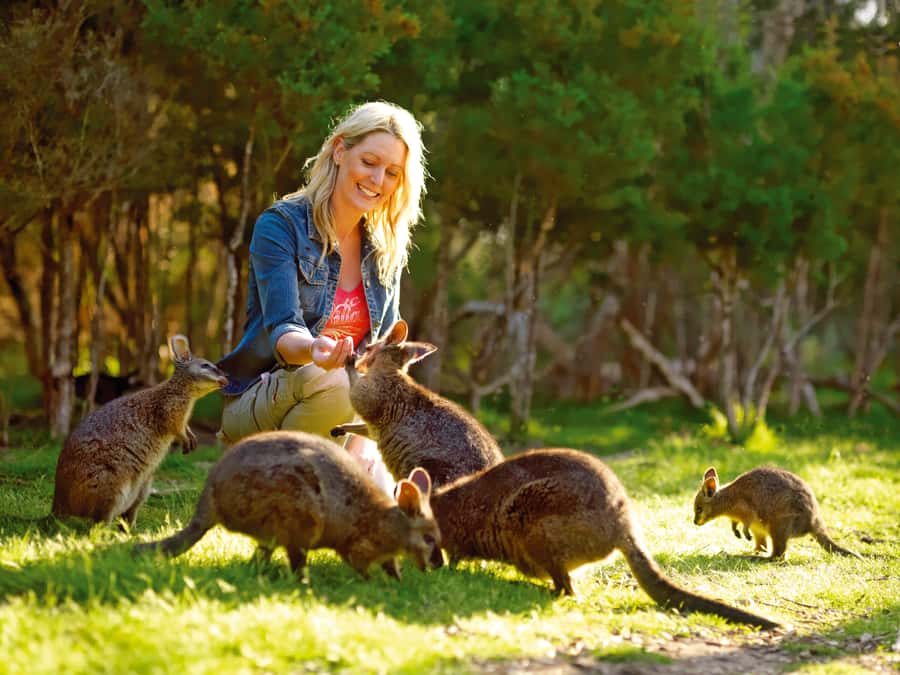
The free-ranging kangaroo and wallaby area is the part most likely to shape your day. Around 80 animals roam through the bush, and you get the chance to approach them at ground level rather than viewing them from behind a barrier.
Food costs extra, with one recent visit noting a small additional charge of $3. Feeding is not essential, but it changes the experience. A kangaroo resting beneath a tree is interesting to watch. A wallaby edging closer as you hold out food gives you a far more direct connection with the animal.
Keep your movements calm and let the animals choose the distance. Children may want to rush in, but a slower approach usually works better. You should also remember that these are living animals, not props arranged for a photo. The pleasure comes from watching their behavior as much as from touching them.
Morning can be a useful time for the feeding area, especially in warmer weather. One visitor found the animals more active and hungry early in the day, while another noted that kangaroos and wallabies moved under the trees as the temperature rose. You might find the same pattern, so an early arrival is worth considering during summer.
The walkway is spacious and can handle a good number of people, although the sanctuary may still feel busier at popular feeding times. Shade and places to rest make this section easier on families and anyone who does not want to stand for long periods.
Koalas, wombats, and extra encounters
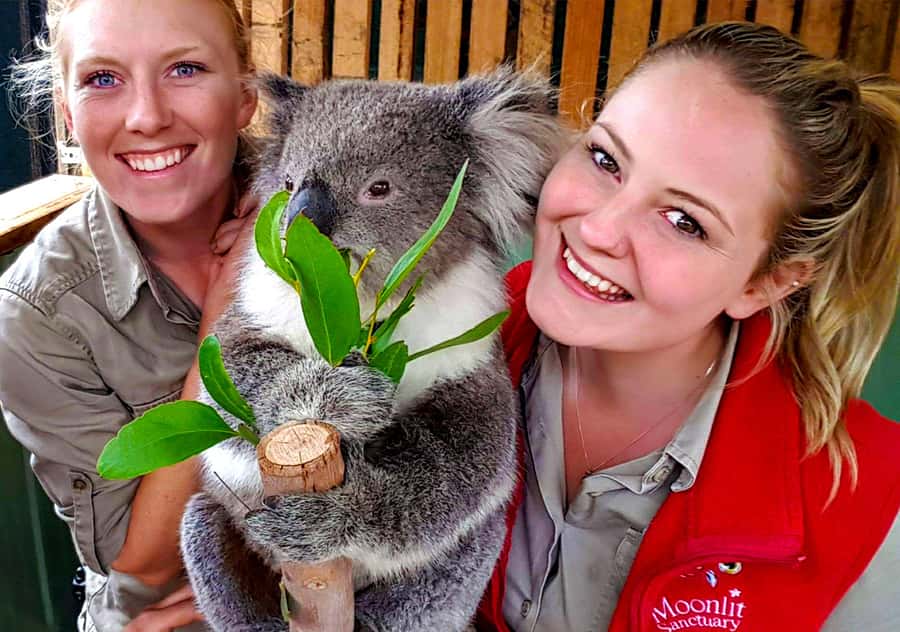
Koalas are part of the sanctuary experience, but a close koala encounter may be a separate purchase from the $24 entry ticket. This is an important detail to check before you arrive. Some visitors have added the experience on the day, while others have found that special time slots were limited.
If meeting a koala is the main reason for your visit, ask about availability as soon as you arrive. Wombat encounters can also sell out, and the number of time slots may be limited. The basic ticket still lets you see the animals at the sanctuary, but it does not guarantee a place in every special encounter.
These add-ons can be good value if you care about a particular species. They are less necessary if your main goal is to see a broad range of Australian wildlife, since the entry ticket already includes the grounds, animal displays, keeper talks, and shows.
The best choice depends on your group. A child who has dreamed of touching a koala may consider the added cost worthwhile. An adult interested in conservation may prefer to spend more time with the Tasmanian devils, quolls, or bettongs instead.
Tasmanian devils and endangered Australian species
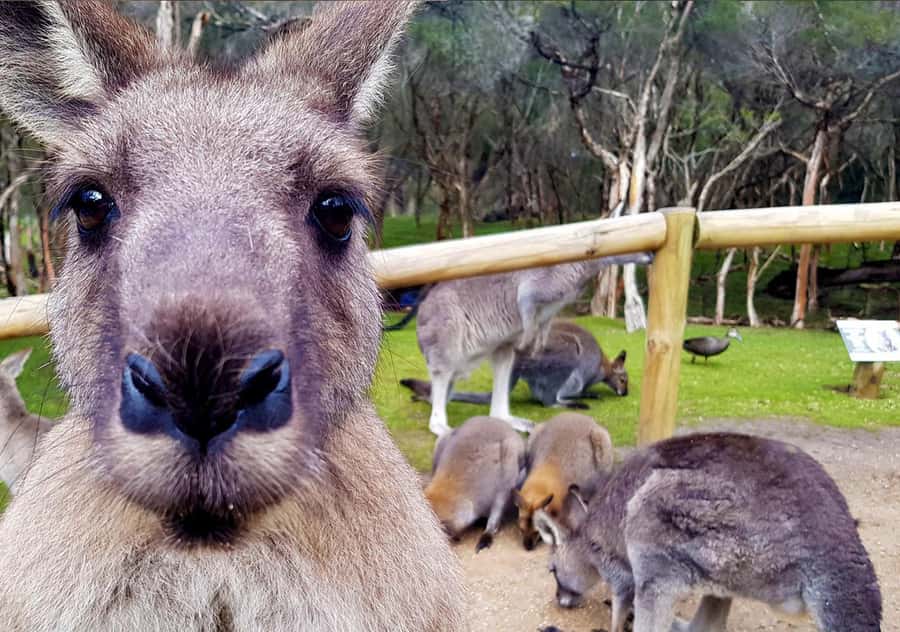
Moonlit Sanctuary is not only a place for easy animal encounters. It also protects species that are threatened or less familiar to international visitors.
Tasmanian devils are one of the major draws. Their compact size and fierce reputation make them fascinating, but the larger value is learning why conservation parks matter for animals under pressure in the wild. The sanctuary also protects red-bellied pademelons, southern bettongs, spot-tailed quolls, and the critically endangered orange-bellied parrot.
The orange-bellied parrot adds an important conservation angle to the visit. You might easily walk past a small bird without realizing how rare it is. A keeper presentation can turn that quick sighting into a clearer understanding of the work involved in protecting native species.
Other animals include wombats, dingoes, eagles, pythons, and many kinds of birds. Waterbirds use the wetlands, and parrots add movement and color above the paths. The mix is useful for first-time visitors who want more than the usual kangaroo and koala checklist.
Same base, a completely different day out:
- Great Ocean Road Reverse Itinerary Boutique Tour – Max 11 Guests
★ 5.0 · 4,186 reviews - Penguin Parade, & Wildlife Encounters Eco Tour from Melbourne
★ 5.0 · 3,774 reviews - Melbourne: Yarra Valley Wine, Gin, Whisky and Chocolate Tour
★ 5.0 · 3,667 reviews - Great Ocean Road Tour w/ Deluxe Minibus & Top-Rated Guide
★ 4.8 · 2,644 reviews
Keeper talks and the Animals in Action show

The daily keeper talks give structure to your visit. Instead of simply following the paths, you can plan around presentations and hear how the animals behave, what they eat, and why certain species need protection.
Keeper Olly received a particular mention for teaching visitors about kangaroos. A strong talk can make the feeding area more rewarding because you begin to notice posture, movement, and social behavior rather than seeing every animal as simply a photo opportunity.
The Animals in Action show has been a highlight for many visitors. It brings some of the sanctuary’s residents into a more focused presentation and helps show what they can do. The exact animals and presentation details are not specified, so check the daily schedule when you arrive.
The talks are especially useful for children, but adults benefit too. Australian wildlife can look familiar from photographs, yet the details are easy to miss. A keeper can explain the difference between species and connect the individual animals to wider conservation work.
Try not to schedule your entire day so tightly that you spend it hurrying between talks. Choose the presentations that interest you most, then leave time to return to the kangaroo area or sit near the wetlands.
A practical half-day or full-day visit
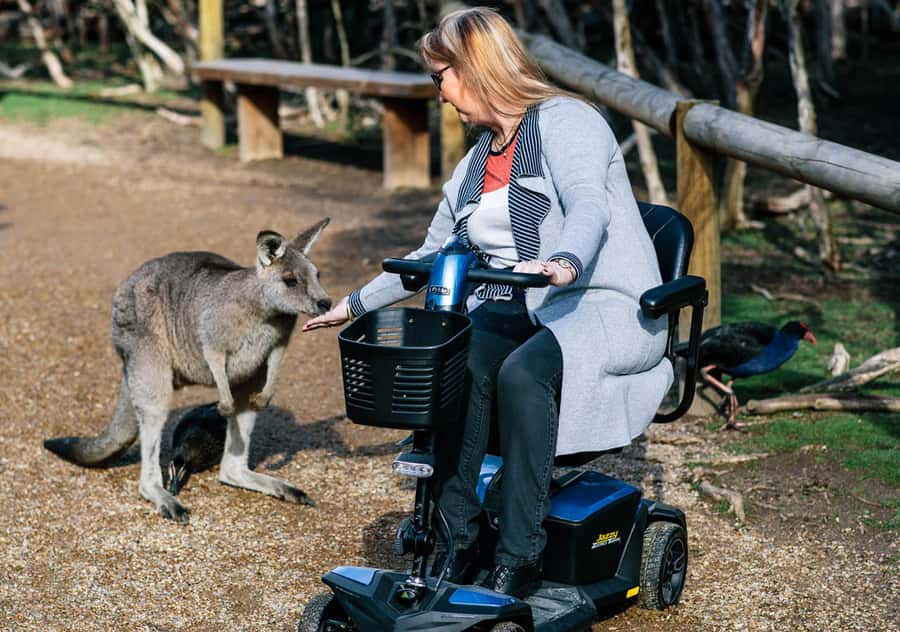
You can see the main animal areas in a few hours, but the one-day ticket gives you freedom to stretch the visit. A simple plan might look like this:
- Begin with the kangaroos and wallabies while the animals may be more active.
- Check the keeper-talk and show times.
- Visit the koalas, wombats, dingoes, Tasmanian devils, and smaller endangered species.
- Stop for lunch or a drink at the café.
- Return to any missed presentations or spend more time in the free-ranging animal area.
- Finish with the gift shop if you want a souvenir.
This order is only a suggestion. If a koala or wombat time is available, build the rest of your day around it. The sanctuary is large enough that you may appreciate a slower pace, with breaks under the shade rather than treating the grounds like a racecourse.
The café gives you a useful pause, especially with children. Food and service have received positive comments, and the gift shop is described as reasonably priced. Those small conveniences matter when you are spending several hours at a wildlife park.
What the $24 entry ticket is worth
At $24 per person, the ticket is reasonably priced for access to a full day at a 10-hectare park with more than 60 Australian species. You are paying for the grounds, the animal areas, daily talks, and wildlife shows, not just a single animal viewing platform.
The value is strongest if you use the whole visit. Arrive, see one koala, and leave after an hour, and the ticket will feel less useful. Spend several hours with the talks, free-ranging animals, endangered species, and show, and the price becomes easier to justify.
Budget separately for feeding food and special animal encounters. The extra charges are not hidden in the sense that the entry ticket excludes them, but you should know that the most hands-on moments may cost more. If your budget is firm, the included activities still provide plenty to see.
The conservation purpose also adds value. Your admission supports a place caring for threatened Australian species, while the talks explain why those animals need protection. That makes the visit more meaningful than a simple photo stop.
Comfort, access, and family details
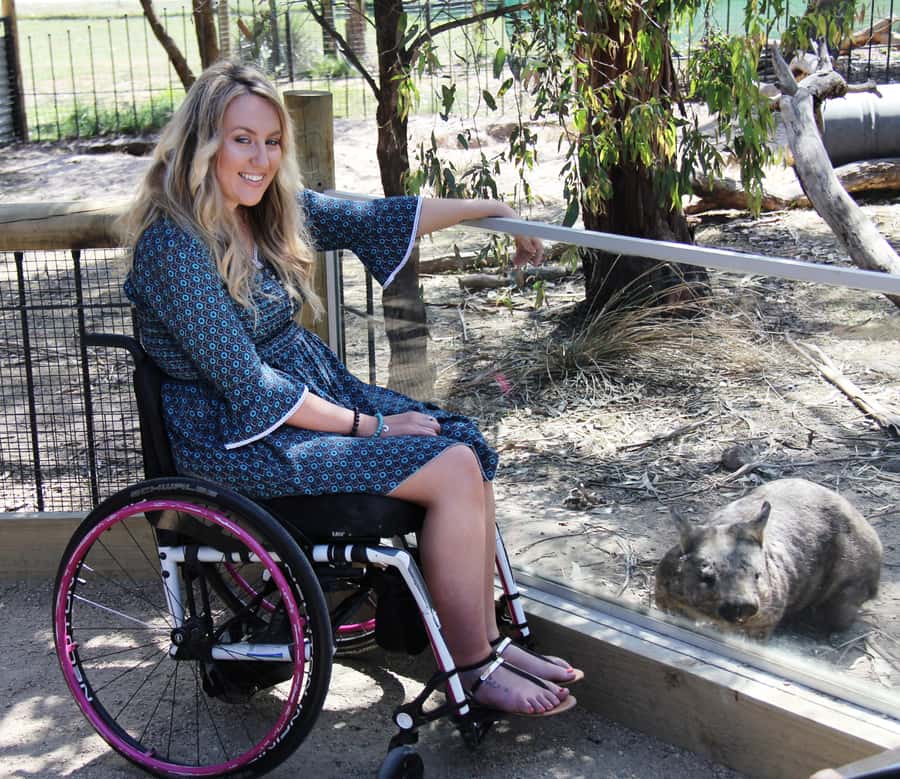
The grounds are clean and well laid out, with shade and places to rest. Parking is close to the entrance, which reduces the amount of walking before you even reach the animal areas.
The sanctuary is wheelchair accessible. That does not guarantee that every individual path or encounter will feel equally easy, but the overall facility is designed to welcome visitors with mobility needs.
Children should be supervised around the animals, and unaccompanied minors are not allowed. The close access is a major attraction, but it also means your family needs to follow staff instructions and treat the animals gently.
Warm weather can bring flies, and one family found them bothersome for a child. Insect spray is provided, but you may still want to dress for outdoor conditions. Shade helps, yet this remains a bushland park, not a fully enclosed attraction.
Who will enjoy Moonlit Sanctuary most
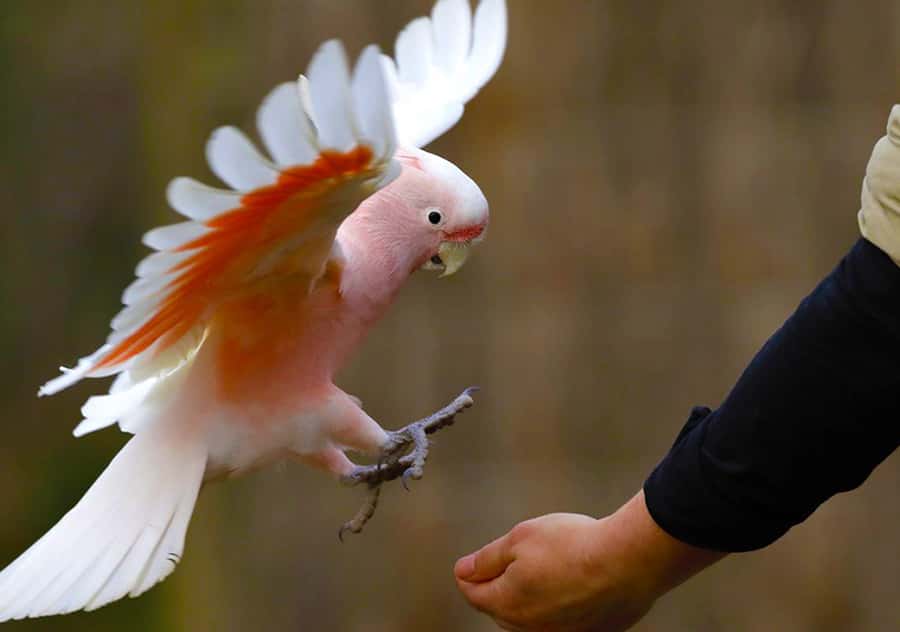
I would recommend this experience to families who want more than a standard city attraction. Children can feed wallabies, see koalas, watch shows, and meet animals that may be new to them. The space to rest and the on-site café make the day easier for parents.
It also suits first-time visitors to Australia. In one place, you can see kangaroos, wallabies, koalas, wombats, dingoes, Tasmanian devils, pythons, eagles, parrots, waterbirds, and endangered species.
Wildlife-focused adults will appreciate the conservation work and keeper talks. Couples can enjoy the quiet bushland setting and take the visit at their own pace. The sanctuary is less suited to someone who wants a quick, guaranteed close-up with every animal without paying for extras or checking time slots.
If you are already planning Phillip Island, the location makes this a logical addition. Just remember that combining both attractions can create a long day, so check your timing before booking special encounters.
Should you book Moonlit Sanctuary?
Book it if you want close contact with Australian animals, especially kangaroos and wallabies, and you have at least several hours to give the park. The $24 admission offers solid value, with talks, shows, broad species variety, and a real conservation purpose.
Book early or ask at the entrance about koala and wombat encounters if those are essential to your plans. If you are happy to explore at your own pace, watch the presentations, and feed the free-ranging animals, the standard ticket should be enough.
I would skip it only if you have very little time, dislike outdoor wildlife settings, or want every special encounter included in one price. For most families, first-time Australia visitors, and anyone interested in native species, Moonlit Sanctuary is a friendly and worthwhile stop southeast of Melbourne.
FAQ
Where is Moonlit Sanctuary located?
Moonlit Sanctuary is at 550 Tyabb-Tooradin Road, Pearcedale, Victoria 3912, Australia.
How far is Moonlit Sanctuary from central Melbourne?
The sanctuary is about 50 minutes southeast of central Melbourne.
How long is the admission valid?
The ticket is valid for one day.
How much does entry cost?
The listed entry price is $24 per person.
What animals can I see?
You can see more than 60 Australian species, including kangaroos, wallabies, koalas, wombats, dingoes, Tasmanian devils, eagles, pythons, parrots, waterbirds, fish, amphibians, and insects.
Can I feed the kangaroos and wallabies?
Yes. Kangaroos and wallabies roam freely in parts of the sanctuary, and you can buy food for an additional fee.
Are koala encounters included?
The entry ticket includes access to the sanctuary, but a close koala encounter may cost extra.
Can I book a wombat encounter?
Wombat encounters may be available for an additional fee. Time slots can fill, so ask about availability when you arrive.
Does the sanctuary offer animal presentations?
Yes. Daily keeper talks and wildlife shows cover the sanctuary’s mammals, reptiles, birds, and other animals. The Animals in Action show is one of the featured presentations.
Is Moonlit Sanctuary wheelchair accessible?
Yes, the sanctuary is wheelchair accessible.
Can children visit without an adult?
No. Unaccompanied minors are not allowed.
Can I cancel my booking?
You can cancel up to 24 hours in advance for a full refund. A reserve-now, pay-later option is also available.
Just added around Melbourne
- Melbourne: 3-Hour Foodie Discovery Walking Tour★ 4.9 · 313 reviews
- Melbourne: Laneway Bar Tour Where Locals Drink★ 4.8 · 289 reviews
- Melbourne: Ghosts of Williamstown Guided Ghost Walking Tour★ 4.4 · 47 reviews
- Melbourne: Spirit Of Melbourne Yarra River Lunch Cruise★ 4.9 · 65 reviews
- Sorrento: Dolphins & Seals Snorkeling Cruise w/ Lunch★ 4.1 · 52 reviews
- Melbourne: Great Ocean Road Ultimate 12 Apostles with Lunch★ 4.5 · 272 reviews
- Premium Great Ocean Road Reverse Tour 13Pax Max Hotel PickUP★ 4.8 · 155 reviews
- Melbourne City Cruise with Tea, Coffee, and Commentary★ 4.3 · 189 reviews
Melbourne Tours, compared.

Laid back, Yarra Valley Wine Tour: Wine, Cider, Gin, Beer + Choc
Read our review →
Great Ocean Road Reverse Itinerary Boutique Tour – Max 11 Guests
Read our review →
Penguin Parade, & Wildlife Encounters Eco Tour from Melbourne
Read our review →
Great Ocean Road Tour w/ Deluxe Minibus & Top-Rated Guide
Read our review →
Melbourne Great Ocean Rd Reverse Tour London Bridge Wildlife
Read our review →
Great Ocean Road Extended–Top Stops&London Bridge
Read our review →Browse the lists this tour appears in