
Review · AUSTRALIA
Mission Beach: Tully River Half Day White Water Rafting
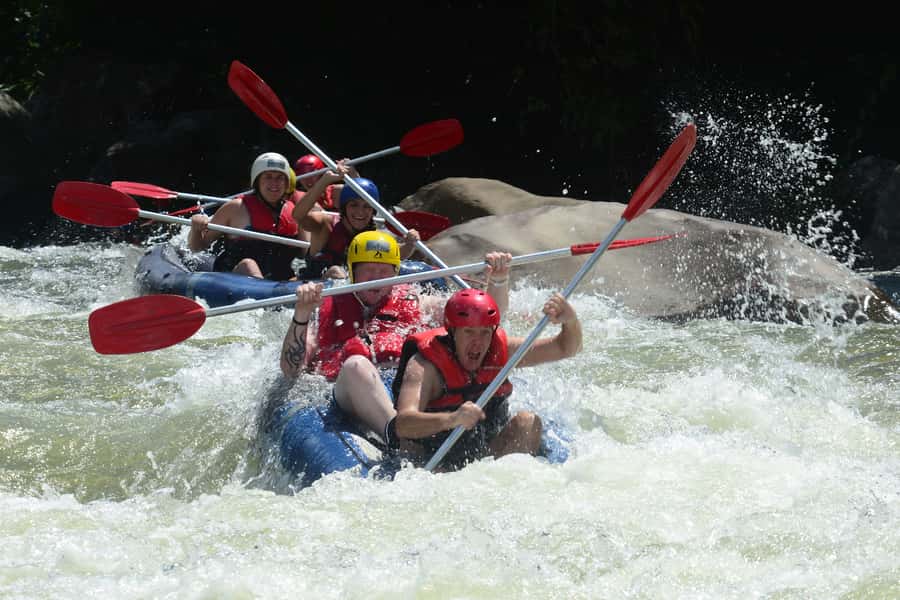
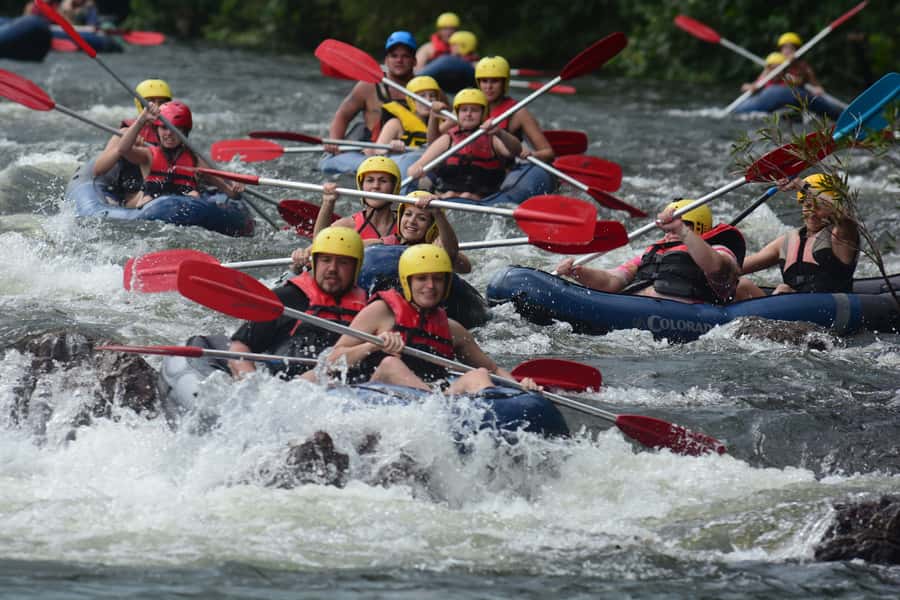
The best part of this Tully River rafting trip is that you do not simply sit in a raft and let a guide do all the work. You and your small team steer a sports raft through grade 2 and 3 rapids, learning as the river grows faster and rougher. Around you, the gorge cuts through rainforest in one of Queensland’s oldest wild settings.
I like the gentle opening section, where you can learn the strokes without being thrown straight into trouble. I also like the simple finish: rafts get loaded, you change into dry clothes, and a cold beer or soft drink helps mark the end of a wet, physical morning.
The main drawback is the meeting point. You must reach the Tully Gorge Camping and Day Use Area unless you arrange a pickup from Mission Beach or Tully ahead of time. A small delay has also affected at least one departure, so confirm the pickup or meeting details before setting out.
Key points at a glance
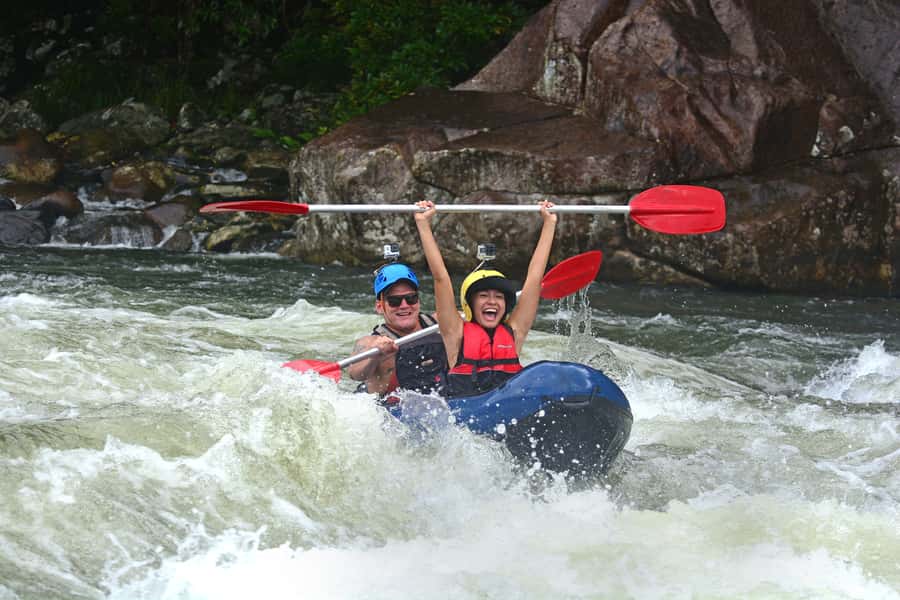
- Self-steered sports rafts: You paddle, turn, read the current, and share control with your raft partners.
- Grade 2 and 3 rapids: The river builds from easy practice water to faster sections with rocks, foam, and sharp turns.
- 45-minute gorge drive: The trip to the river follows winding Tully Gorge Road into a World Heritage National Park.
- Four hours door to door at the activity: The session includes instruction, rafting, packing up, and a post-rafting drink.
- All core equipment included: You receive a helmet, life jacket, paddle, and raft.
- Bring proper wet-weather gear: Swimwear, a towel, dry clothes, sunscreen, a plastic bag, and enclosed shoes or sandals are essential.
Why this Tully River trip feels different
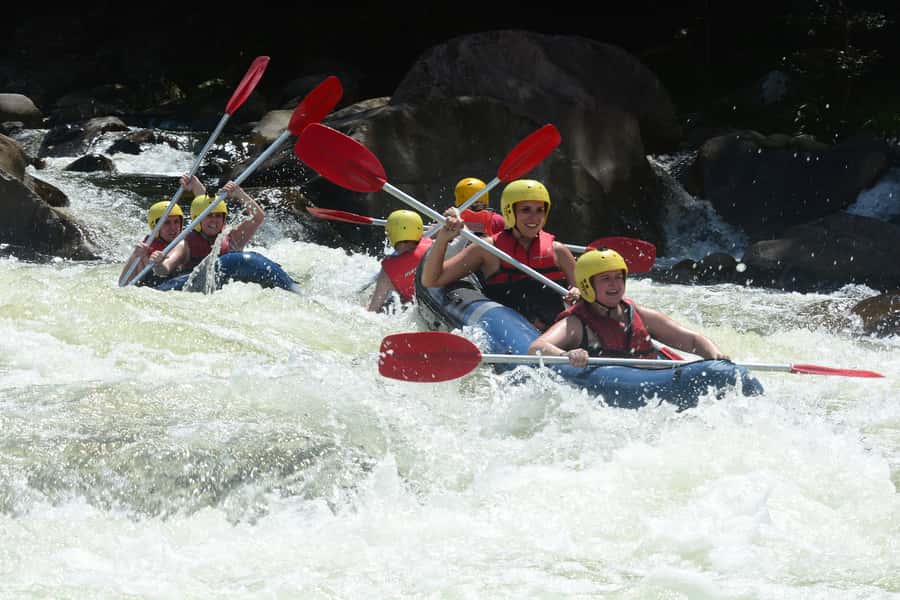
Many rafting outings put you in a large boat with a professional at the back. This one gives you more responsibility. You are paired into your own sports raft, then taught how to move it through the water under the guide’s direction.
That makes the trip feel more active than a standard scenic float. You will need to listen, paddle when told, watch the current, and help the raft turn. The rewards are immediate. Every successful turn gives you more control, and each rapid feels less mysterious than the one before it.
The setting adds plenty without needing extra entertainment. The Tully River runs through Tully Gorge, with rainforest along the banks and steep, winding access roads leading into the recreational park. You get a good look at the surrounding country on the drive, but once the rapids begin, keep your eyes on the water.
The advertised price is $106 per person. That is fair value if you want a compact burst of river action rather than a full-day outing. The fee covers the raft, paddle, helmet, life jacket, instruction, guide support, and a beer or soft drink afterward. It does not cover accommodation transport unless you arrange a pickup in advance.
Other Australia days that fill the same trip:
- Sydney: Opera House Guided Tour with Entrance Ticket
★ 4.8 · 8,312 reviews - All Inclusive Blue Mountain,Scenic World,Lunch,Koalas,ferry
★ 5.0 · 7,832 reviews - Great Ocean Road Small-Group Eco Tour from Melbourne
★ 5.0 · 6,607 reviews
From Mission Beach to Tully Gorge
The meeting point is the Tully Gorge Camping and Day Use Area on Tully Gorge Road, Queensland 4810. The map pin is reported to be in the correct place, but do not rely on a last-minute guess. Check your route before leaving, especially if you are driving from Mission Beach.
The road from the beach or Tully takes about 45 minutes. It is not just a transfer. You travel along winding Tully Gorge Road toward the World Heritage National Park and Tully Gorge Recreational Park. This gives you a gradual change from the coastal area into a more remote rainforest setting.
Pickup from Mission Beach and Tully is available, but it must be arranged before the day of the trip. If you have not arranged it, you are responsible for getting to the gorge meeting point at the stated start time.
Allow a little patience around departure. One booking resulted in a wait of more than 20 minutes at the meeting point, and another person noted that the guides arrived about 20 minutes late. That may not be typical, but it is a good reason to keep your schedule flexible and have the operator’s contact details with you.
Getting fitted and learning the basics
At the day-use area, you meet the English-speaking guides, unload the rafts, and receive your safety gear. The included equipment is straightforward: helmet, life jacket, paddle, and raft.
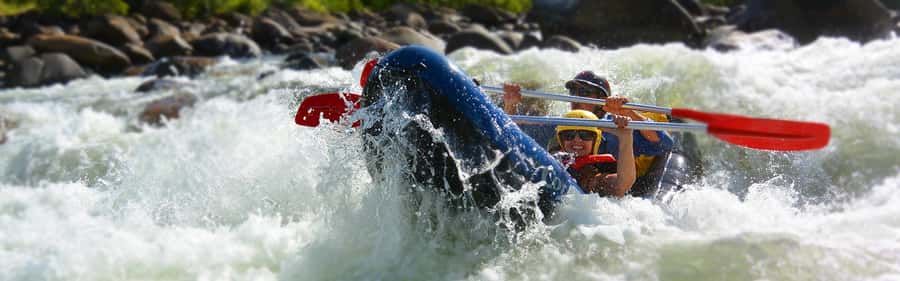
Wear swimwear under your clothes. You will get wet, and in the stronger rapids you may be hit by a wall of spray or soaked as the raft comes through the flow. Bring a towel, dry clothes, and a garbage bag or other plastic bag for wet gear afterward.
Footwear matters. The instructions allow enclosed shoes or sandals, but open footwear should be secure enough to stay on. Closed-toe shoes are listed among the recommended items, so they are the safer choice if you have them.
You will first receive rafting instruction and get paired with the people sharing your raft. This is an important part of the trip, not a quick formality. Since the raft is self-steered, you need to know how to paddle, turn, and respond to directions before the river speeds up.
A baseball cap is useful under the helmet. It can help shield your face from the sun, though you should make sure it fits comfortably beneath the helmet. Apply sunscreen before entering the water, and remember that rain does not remove the need for sun protection.
Starting in calm water
The first section of the Tully River is calm. This is where the guides show you how the raft responds and help you become comfortable with the basic moves.
I like this structure. You are not expected to master the raft on dry land and then perform perfectly in a rapid. You get a chance to test your paddle strokes in moving water, find out how quickly the raft turns, and learn how your partner’s movements affect the boat.
Listen closely here. The guides point out how to travel through the river and what to watch for. The better you understand the current in the calm section, the more prepared you will feel when rocks and foam appear.
There is also a useful mental shift at this stage. A raft can seem simple, but steering depends on timing. You must watch where the water is going, not just where you want the boat to go. That makes this a hands-on activity for people who like learning by doing.
Same base, a completely different day out:
- From Melbourne: Great Ocean Road, 12 Apostles, Wildlife Tour
★ 4.7 · 6,020 reviews - Ocean Rafting: Whitehaven Beach, Snorkelling & Hill Inlet Lookout
★ 5.0 · 4,777 reviews - Laid back, Yarra Valley Wine Tour: Wine, Cider, Gin, Beer + Choc
★ 5.0 · 4,552 reviews - From Sydney: Blue Mountains Full-Day Trip
★ 4.5 · 4,471 reviews
The practice rapid comes first
After the calm instruction section, you tackle a practice rapid. It is a stretch of smaller rapids designed to let you work on paddling and turning before the harder sections arrive.
This is where the trip finds its rhythm. You will likely make small corrections, discover how quickly the water changes the raft’s direction, and start to coordinate with the others in your boat. The guides stay involved and show you the best way to approach the river.
Do not worry if your first turns are untidy. That is exactly what the practice section is for. You are building control rather than chasing speed. The activity is described as suitable for people from age six, but it is not a passive family ride. Anyone joining should be comfortable getting wet, following instructions, and taking part physically.
Grade 2 and 3 rapids on the main run
Once your group is more confident, the rapids become larger and trickier. You will need to read the current, avoid rocks, steer into the right line, and sometimes take the rapid head on.
The river gives you a clear sense of progress. At first, the focus is on basic paddling. Later, you are making faster decisions while water breaks over the raft. You may come out drenched, but that is part of the appeal. The physical work and sudden bursts of speed create the trip’s main thrill.
Grade 2 and 3 rapids offer excitement without being presented as an extreme expedition. Still, the water is active, and conditions can vary. The trip operates rain or shine, so be prepared for a wet day from the start. The guides remain with you, but you still need to take safety instructions seriously.
The best moments will come when the raft responds as a team. A clean turn, a successful run through foam, or a well-timed paddle gives you a clear feeling of achievement. It is the kind of fun that comes from doing something slightly difficult together, not from simply watching scenery pass.
The rainforest and gorge are a strong part of the setting, but this is not a sightseeing cruise. You may want to look at the banks and enjoy the surroundings, yet the next rapid can arrive quickly. Pay attention first, admire the gorge between sections.
What happens after the final rapid
At the end of the river run, the group loads the rafts onto the trailer. This is practical rather than glamorous, but it is part of the outing’s hands-on nature.
Then comes a cold beer or soft drink. It is a small inclusion, yet it works well after several hours of paddling and getting soaked. You change into the dry clothes you packed and head back.
There is no hotel drop-off included. If you are using your own car, you return to it at the Tully Gorge meeting point. If you have arranged a Mission Beach or Tully pickup, confirm the return plan when you book.
The real value of $106
At $106, this is priced as a focused half-day adventure. You are paying for four hours of activity, transport along the gorge road during the organized outing, equipment, instruction, guide support, and a drink afterward.
The value is strongest if you want active time on the water without committing a full day. It also works well if you are based around Mission Beach or Tully and already plan to visit the gorge area.
The price is less attractive if you expect a long scenic journey, a large meal, or door-to-door transport. None of those are included. You need to bring your own food and organize your route to the starting point unless a pickup has been arranged.
The current overall score is 4.6 from 40 ratings, with the strongest praise focused on fun and clear guidance. That matches the design of the outing: the appeal is not luxury or extensive sightseeing, but learning a skill, tackling rapids, and laughing when the river wins a round.
Who should book this rafting trip?
You should consider it if you want:
- A half-day activity with real paddling rather than a passive boat ride
- Grade 2 and 3 rapids with instruction along the way
- A rainforest gorge setting
- A guided outing that still gives you a role in steering
- A compact adventure that fits around other Queensland plans
It may not suit you if you have limited mobility, are pregnant, or are uncomfortable in fast-moving water. Children under six cannot join. The activity is also not suitable for anyone who arrives intoxicated.
People with mobility concerns should call before booking to discuss the conditions. Getting into and out of a raft, managing wet equipment, and paddling through rapids all require physical participation.
Bring a waterproof camera only if you accept the risk. GoPro mounts are available on some helmets, but you need the correct attachment. The operator may provide backup ties, yet any camera or device remains your responsibility and should be insured for rafting.
Should you book the Tully River half-day trip?
Book it if you want an active, fairly priced introduction to white-water rafting and you like the idea of steering your own boat. The calm opening, practice rapid, and gradual move into grade 2 and 3 water give you a sensible learning curve, while the rainforest gorge keeps the setting memorable.
Skip it if you need a perfectly timed schedule, dislike getting completely wet, or want a scenic ride with little physical effort. Confirm your pickup or meeting point carefully, pack the right footwear and dry clothes, and leave room in your day for a possible delay.
For the right person, this is a lively four-hour outing with a clear payoff: you learn the basics, face increasingly lively rapids, and finish with a drink and a good story.
FAQ
Where does the rafting trip begin?
It begins at the Tully Gorge Camping and Day Use Area on Tully Gorge Road, Queensland 4810, Australia.
Can I get picked up from Mission Beach or Tully?
Yes, pickups are available from Mission Beach and Tully, but you must arrange one in advance. Without a pre-arranged pickup, you need to reach the gorge meeting point yourself.
How long does the activity last?
The rafting activity lasts four hours. The drive from Mission Beach or Tully to the gorge takes about 45 minutes.
What level of rapids will I raft?
You will navigate grade 2 and grade 3 rapids, beginning with calm water and a practice rapid before moving into larger sections.
Is instruction included?
Yes. The guides provide rafting instruction, pair you with others in a raft, and show you how to paddle, turn, and approach the rapids.
What equipment is provided?
A helmet, raft, paddle, and life jacket are included.
What should I wear and bring?
Bring swimwear, a towel, dry clothes, sunscreen, a hat or baseball cap, sandals or enclosed shoes, and a plastic or garbage bag for wet clothes. A waterproof camera is optional.
Can I bring a GoPro?
Yes, but you need the correct attachment. Some helmets have mounts, and an attachment may be available for purchase. You bring and use the device at your own risk.
Does the trip operate in rain?
Yes. The activity takes place rain or shine.
Who cannot join the rafting trip?
The activity is not suitable for pregnant women, people with mobility impairments, or children under six. Anyone who is intoxicated cannot take part.
Just added around Australia
- Shore Excursion-Hobart Wanderer★ 5.0 · 87 reviews
- Old Hobart Pub Walking Tour★ 4.5 · 91 reviews
- kunanyi/Mt Wellington Tour and MONA Admission★ 4.5 · 69 reviews
- kunanyi/Mt Wellington Ultimate Experience Tour from Hobart★ 4.5 · 83 reviews
- Hobart: Mt. Field, Mt Wellington & Wildlife – Active Day Tour★ 5.0 · 112 reviews
- Mt Field National Park and Russell Falls from Hobart★ 5.0 · 49 reviews
- Maria Island Ferry – Hobart Bus Connection (Return Service)★ 5.0 · 23 reviews
- Hobart Sightseeing Cruise including Iron Pot Lighthouse★ 5.0 · 184 reviews