
Review · MELBOURNE TOURS
Melbourne Zoo: 1-Day Entry Ticket
Melbourne Zoo gives you a broad wildlife day without leaving the city. In one visit, you can move from Asian and African rainforest exhibits to Australian bushland, then finish with little penguins and fur seals beneath the surface. The zoo covers enough ground to fill a half or full day, depending on your pace.
I like the zoo’s clear zones and generous sitting areas, which make it easier to plan a visit with children or older relatives. I also like the scheduled keeper presentations, where a short talk can add useful context to an animal you might otherwise simply walk past. The main drawback is that some animals may be resting out of sight, especially in hot weather, and food can be expensive.
Key points to know before you go
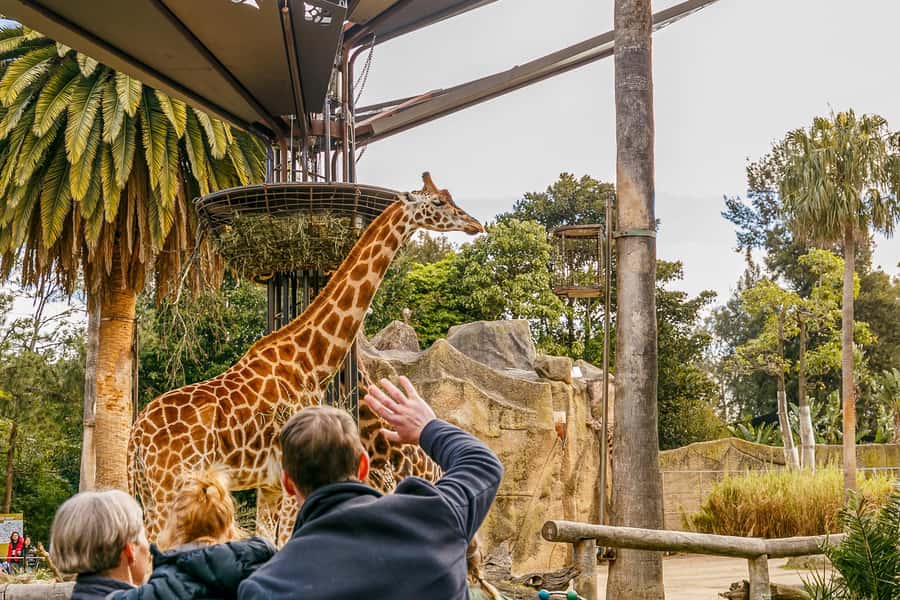
- More than 320 species: Expect animals from Australia, Asia, Africa, and other parts of the world in one large city zoo.
- Australian wildlife up close: Koalas, kangaroos, wombats, and emus appear in a bush setting.
- Plan on several hours: The zoo can take half a day, but a full day gives you time for talks, rest stops, and missed exhibits.
- Easy public transport: Tram 58 stops directly outside, while Royal Park Station is beside the zoo.
- Keeper talks add value: Presentations run at set times, so check the daily schedule when you arrive.
- Paid upgrades are optional: Behind-the-scenes and close-up animal experiences are not part of the general admission ticket.
Getting to Melbourne Zoo from the city centre
The zoo is about 10 minutes from central Melbourne, so you do not need to arrange a costly private transfer. Public transport is the sensible choice for most people.
Tram 58 runs from William Street in the city centre toward Toorak and stops directly outside Melbourne Zoo. Trains from Flinders Street Station use the Upfield line and stop at Royal Park Station, the zoo’s own station. Bus route 505 runs between Moonee Ponds and Melbourne University and also stops outside the entrance.
This matters because parking can be frustrating on busy days. One local visitor specifically found parking difficult, so I would use the tram or train if you are staying in central Melbourne. It also lets you treat the zoo as an easy city outing rather than a separate day trip.
The zoo opens from 9:00 AM to 5:00 PM every day of the year. I would arrive close to opening time, especially during school holidays, weekends, or hot weather. Early arrival gives you a quieter start and a better chance of seeing animals before the day warms up.
More zoos and animal parks in Melbourne:
- Werribee Open Range Zoo: Entry Ticket
★ 4.5 · 646 reviews - From Melbourne: Werribee Open Range Zoo & Werribee Mansion
★ 4.2 · 28 reviews - Blue Mountains Small-Group Tour from Sydney with Scenic World,Sydney Zoo & Ferry
★ 5.0 · 3,709 reviews
What your one-day ticket includes
The $37 ticket covers general admission to Melbourne Zoo for one day. You can walk through the exhibits at your own speed and attend animal keeper presentations held at set times.
It does not include meals, drinks, or close-up animal encounters. Behind-the-scenes options are available as upgrades, so the basic ticket works best if you want to explore independently rather than pay for a scheduled animal encounter.
The value depends on how long you stay. For a quick two-hour visit, the price feels less convincing. If you arrive early and spend four to seven hours walking, stopping for talks, taking breaks, and seeing several animal areas, it becomes a stronger buy.
Check the direct Melbourne Zoo price before booking through a third-party site. Some people have found online third-party tickets more expensive than buying directly from the zoo. The listed price here is $37 per person, but prices can change.
Families should pay close attention to the age rules. Children aged three and under enter free every day. Children under 16 enter free on weekends, Victorian school holidays, and Victorian public holidays. That can make a major difference to the total cost of a family day out.
Starting with the animal zones
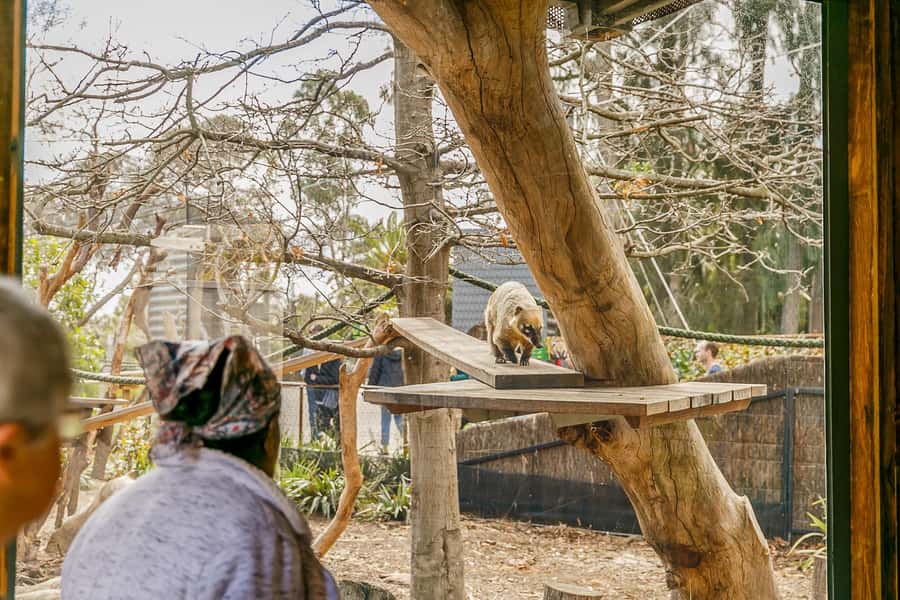
Melbourne Zoo is laid out in broad areas for different animal groups. This helps you make sense of a large site, though the many paths can still be confusing on a first visit.
Pick up or check the map as soon as you enter. The map is useful for finding the main exhibits, but some paths and side routes are not always obvious. A few people have missed areas by following the route too quickly, while others found the on-site volunteers very helpful when they lost their way.
I would not try to see every enclosure in a straight line. Instead, choose two or three priority areas, then use the keeper talks and animal activity to shape the rest of your day. This is a better approach than marching around the zoo and discovering at closing time that you missed a favourite exhibit.
The grounds are well planted, with plenty of seats and places to pause. That makes the zoo less tiring than a bare, tightly packed collection of enclosures, though you should still expect a lot of walking. One afternoon is enough for a quick look, but a full day is more comfortable if you want to take your time.
Asian and African rainforest exhibits
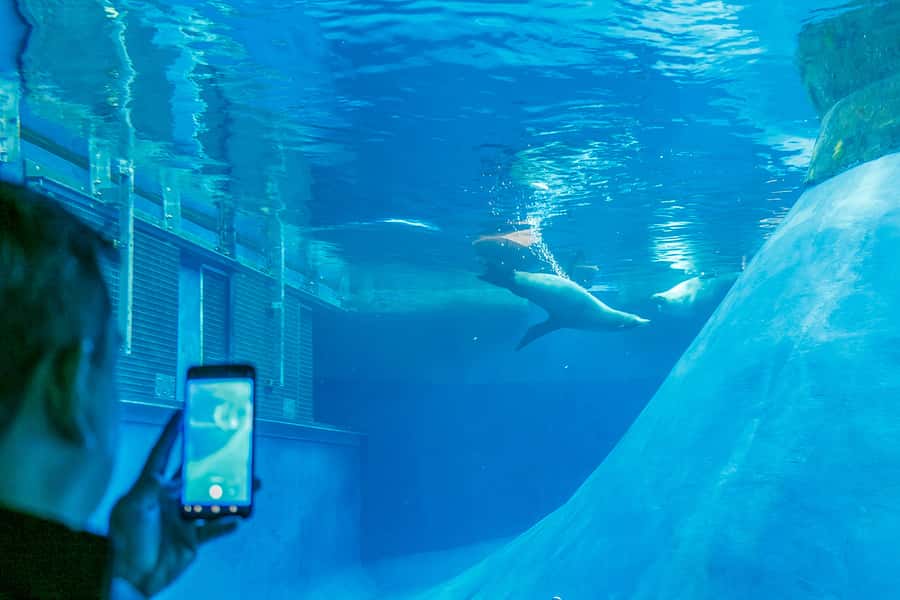
The Asian and African rainforest areas are among the main reasons to allow several hours. You can look for tigers, monkeys, and other rainforest animals in settings designed around vegetation and shelter rather than a row of small cages.
The approach is particularly good for observing animal behaviour. A tiger may be moving through its area, while monkeys could be high in the trees or hidden among planting. That natural style is rewarding when an animal is active, but it also means you cannot count on seeing every species at every visit.
The Sumatran tiger area has drawn especially strong interest. If a volunteer is available near the exhibit, take the time to ask questions. A volunteer once spent around 20 minutes explaining Sumatran tigers, which shows how much extra detail you can gain by stopping instead of simply taking a photograph.
The monkey exhibits can be less predictable. Some areas may be closed or animals may be out of view, so keep expectations flexible. This is a zoo visit, not a guaranteed checklist.
A few more Melbourne half-days to weigh up
- Small-Group Phillip Island Afternoon Day Trip from Melbourne
★ 5.0 · 566 reviews - Phillip Island Day Trip from Melbourne with Penguin Plus Viewing Platform
★ 5.0 · 383 reviews - From Melbourne: Day Trip to Mt Buller by Premium Tour Coach
★ 4.6 · 220 reviews - From Melbourne: Reverse Great Ocean Road Day Trip with Lunch
★ 4.5 · 123 reviews
Lion Gorge and the big cats
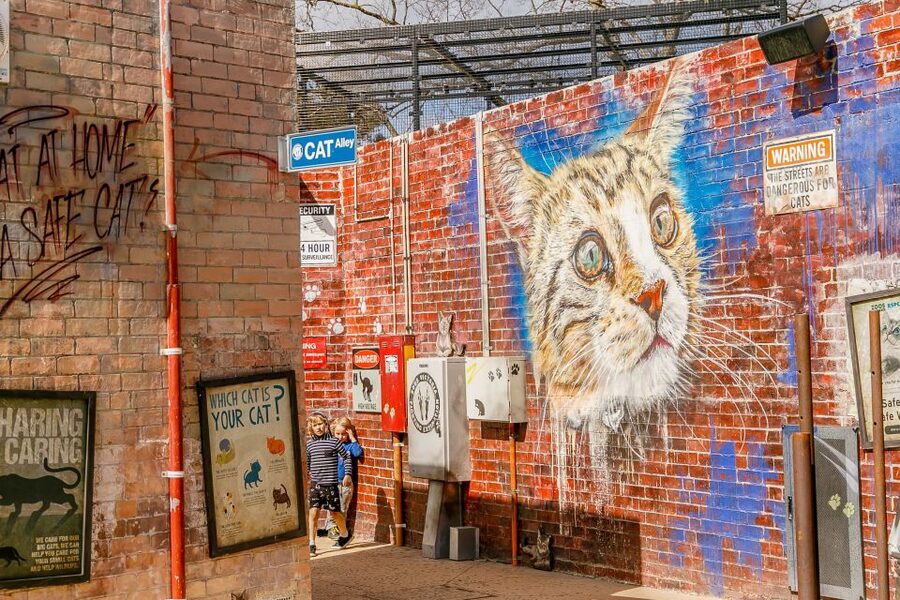
Lion Gorge gives you a focused chance to look into the lion pride’s exhibit. It is one of the zoo’s headline areas, but large cats do not follow a visitor timetable.
The same applies to tigers and snow leopards. Several people have loved the snow leopard enclosure, especially when the animal came close to the glass, while others arrived when big cats were sleeping, hidden, or unavailable. On hot days, animals often become harder to spot.
That uncertainty is worth accepting before you go. The zoo’s planted, spacious settings are better for animal welfare and natural behaviour, but they can reduce the guaranteed viewing you get in a compact exhibit. If seeing one particular species is your only reason for visiting, you may leave disappointed.
Keep moving back through the area later if you have time. An animal that is hidden in the morning may be active in the afternoon, though there is no promise that it will appear.
The Butterfly House and smaller encounters
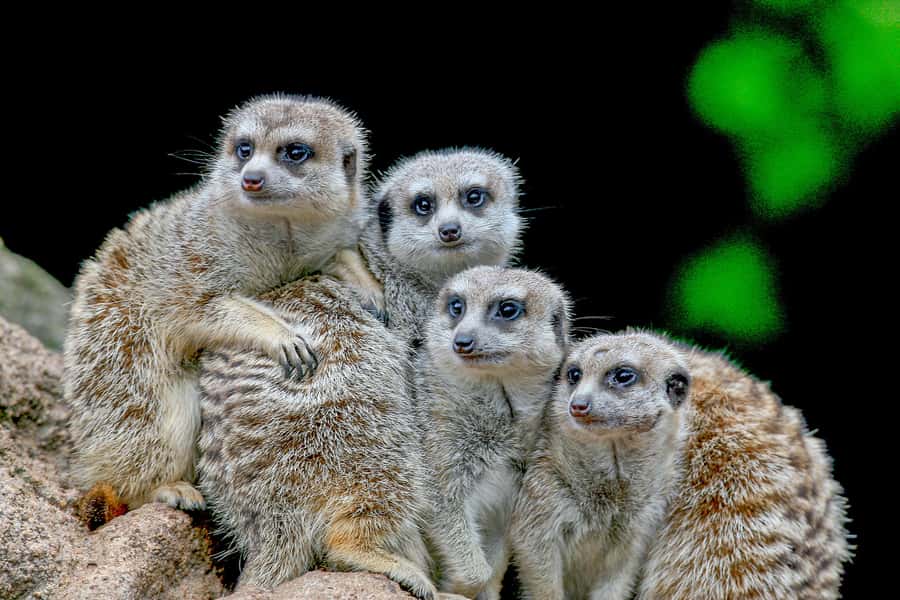
The tropical Butterfly House offers a change of pace from the large mammals. It is enclosed, warm, and built around close viewing, making it a good stop when you want something slower and more intimate.
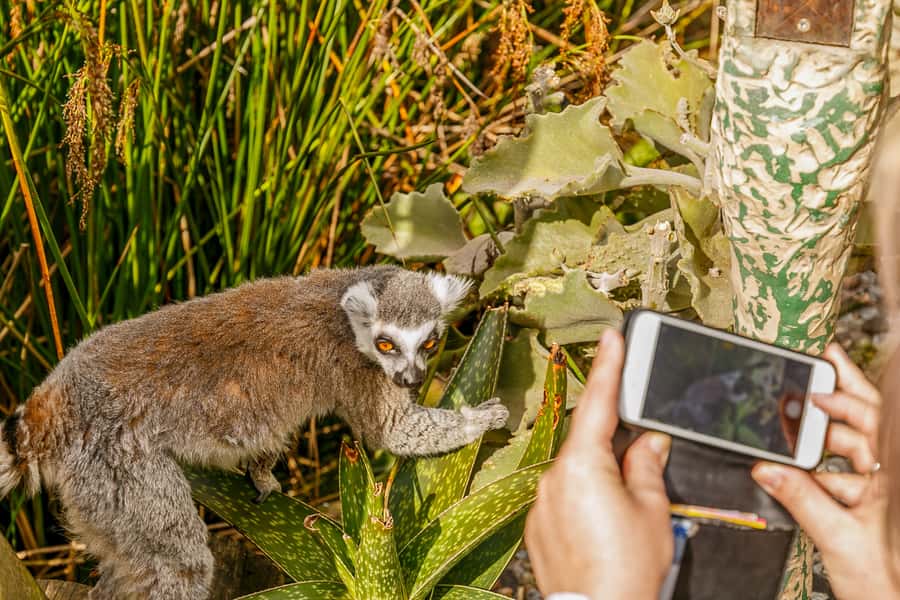
Smaller animals can often be just as memorable as the headline species. Lemurs and meerkats have been particular favourites, and the zoo also has many opportunities to watch animals at fairly close range.
A handler may sometimes be present with a parrot near the start of the zoo, but this is not listed as a guaranteed part of the ticket. Treat such moments as a bonus rather than planning your schedule around them.
This section works well for families because it breaks up the walking. Children who have begun to tire from large enclosures may regain interest when they can search for smaller, more active animals.
Australian bushland and native wildlife
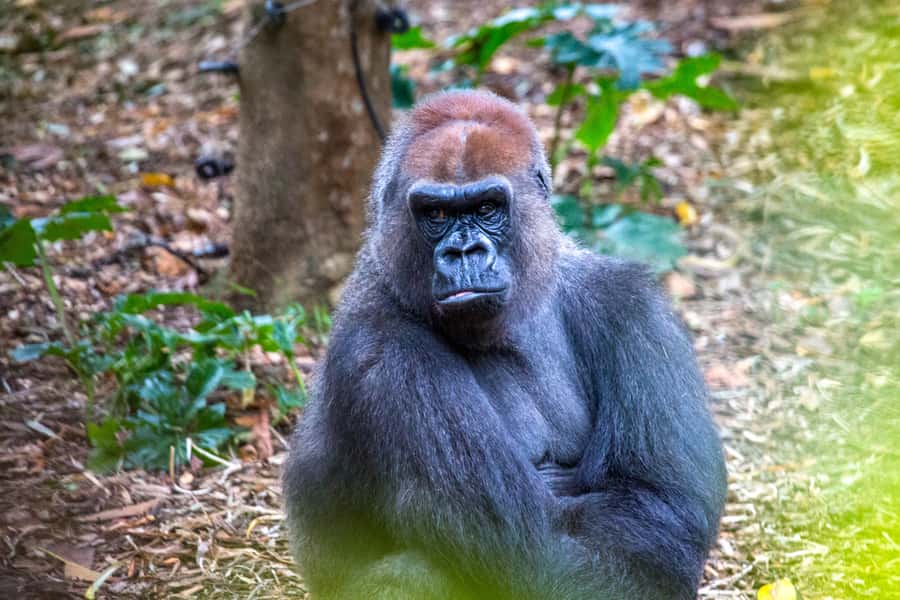
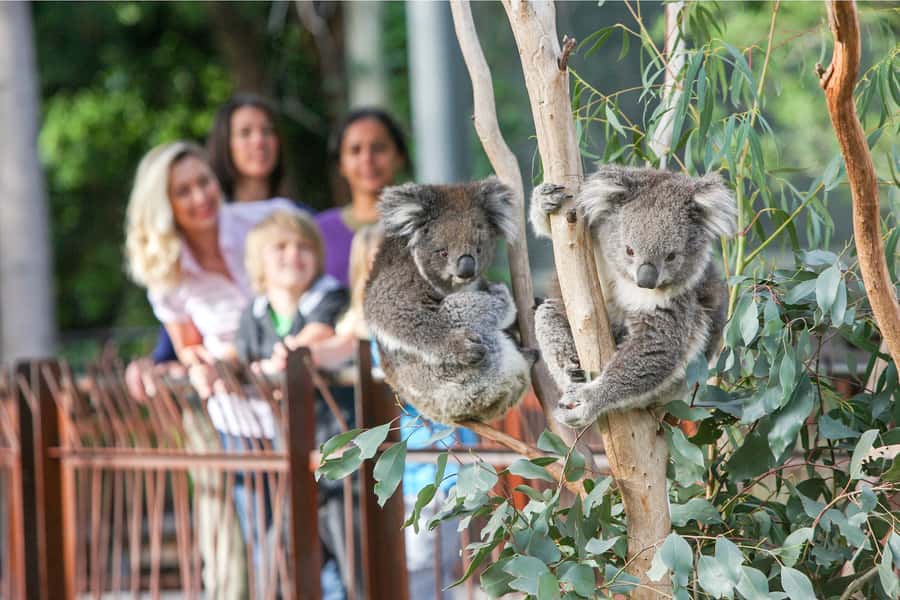
The Australian bush setting brings the visit back to local wildlife. You can see koalas, kangaroos, wombats, and emus, giving visitors from overseas a useful introduction to animals they may not encounter elsewhere.
For international visitors, I would make this area a priority even if you have seen animals in other parts of Australia. The setting helps connect the species to the country rather than presenting them as isolated displays.
Koalas can be quiet and still, while kangaroos may not always be in the most obvious place. Wombats and emus also have their own rhythms. Slow down, read the signs, and give yourself time to look properly instead of assuming an empty first glance means an empty exhibit.
The Australian section is also a good choice for families with mixed interests. Younger children can focus on familiar-looking animals such as kangaroos, while adults can spend more time learning about native species and conservation.
Penguins, seals, and the underwater world
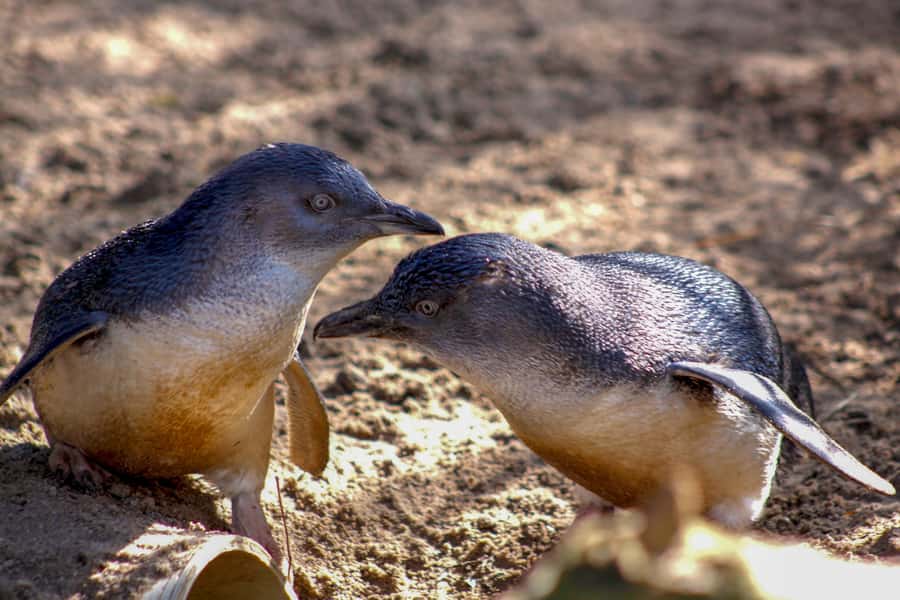
The underwater area features Victoria’s little penguins and Australian fur seals. These exhibits provide a welcome contrast to the outdoor paths and are especially useful if the sun is strong.
Little penguins are a local highlight, particularly for visitors who want to see Victorian wildlife in a zoo setting. Fur seals bring more movement and energy to the water areas, including a seal pool that has been a favourite stop for some visitors.
Allow extra time here rather than treating it as a quick corridor between larger exhibits. Water animals can be easier to watch for longer periods because their movement is continuous, and the indoor setting gives you a break from walking.
As with the land animals, availability can vary. The zoo cannot guarantee that every animal will be visible on the day, so build your visit around the experience of the whole zoo rather than one enclosure.
Keeper presentations and volunteer help
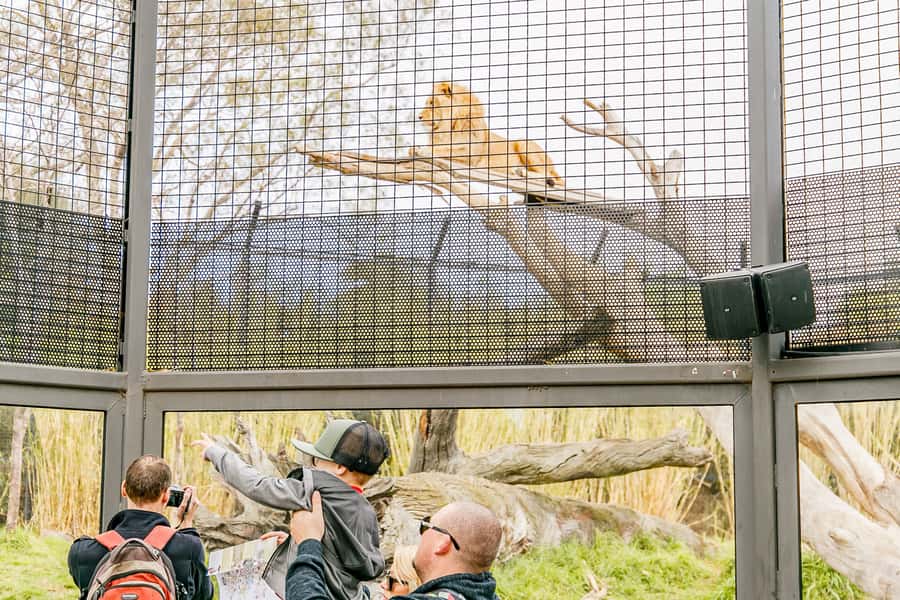
The scheduled keeper presentations are included with admission and are one of the best ways to add depth to the ticket. Check the times when you enter and mark one or two on your map.
These talks help you understand animal habits and care instead of simply moving from sign to sign. Staff members and volunteers are often willing to point you toward an exhibit or explain what you are looking at.
I would ask for help if the map feels unclear. The zoo is easy to walk around once you understand the zones, but first-time visitors can miss side paths and less obvious areas. Older visitors may prefer a slower route with more stops, and a quick question can save a long unnecessary walk.
The talks can attract school groups, especially during holidays. If a presentation is important to you, arrive a few minutes early and stand where you can hear clearly.
Food, shade, and the practical side of the day
You will find places to eat and rest inside the zoo, along with picnic areas. The grounds have many seats, which makes a difference on a long visit.
Food prices can feel high, and gluten-free choices may be limited. One family found no suitable gluten-free food, so bring your own requirements into your planning rather than assuming every dietary need will be covered. Drinks and ice cream are available, and some people have found the dining choices better than expected, but the experience is not uniformly budget-friendly.
Melbourne weather can change the feel of the day. On hot days, some animals may be resting out of sight and walking can become tiring. Cooling fans and ice cream stops help, but bring water, wear comfortable shoes, and plan breaks.
A full circuit can leave your feet sore. I would rather see fewer exhibits properly than rush through the whole zoo. The layout is generally easy to follow, but the size of the grounds means you should treat this as a walking day.
Who will enjoy Melbourne Zoo most?
This is a strong choice for families, especially if you can use the free child entry on the relevant days. Play areas, animal zones, seats, and short talks give children several ways to stay interested.
It also suits solo visitors and couples who enjoy setting their own pace. You can spend extra time at the snow leopard glass, sit near the seals, or pause in the Butterfly House without keeping up with a group.
International visitors will find the mix of Australian and overseas wildlife useful. The zoo is close enough to the centre to fit into a Melbourne itinerary without consuming a full day of transport.
I would be more cautious if you have limited mobility and want to cover every area quickly. The zoo is wheelchair accessible, but it is large and includes substantial walking. Plan a shorter route, use the seats, and ask staff for directions to make the day easier.
Should you book the Melbourne Zoo ticket?
Book it if you want a flexible, city-based wildlife day with Australian animals, big cats, rainforest areas, penguins, seals, and keeper talks. The $37 admission is reasonable when you stay for most of the day, especially for visitors who value a broad collection rather than a single signature exhibit.
Arrive early, use public transport, check the presentation schedule, and compare the ticket price with the zoo’s own website before paying. Bring food if you need strict dietary choices, and accept that a sleeping or hidden animal is part of the deal.
Skip it if you only have a short window or need a guaranteed sighting of a particular species. For everyone else, Melbourne Zoo offers a well-planned day close to the centre, with enough variety to keep both children and adults interested.
FAQ
How much does Melbourne Zoo admission cost?
The listed price is $37 per person for one day of general admission.
How long should I allow for Melbourne Zoo?
Allow at least half a day, but a full day is better if you want to see many areas, attend keeper presentations, and take regular breaks.
What time does Melbourne Zoo open?
Melbourne Zoo is open from 9:00 AM to 5:00 PM every day of the year.
Is Melbourne Zoo open on public holidays?
Yes. Melbourne Zoo is open 365 days a year, including public holidays.
Are children admitted free?
Children aged three and under enter free every day. Children under 16 enter free on weekends, Victorian school holidays, and Victorian public holidays.
What animals can I see at Melbourne Zoo?
The zoo has more than 320 species, including tigers, lions, monkeys, meerkats, penguins, koalas, kangaroos, wombats, emus, and Australian fur seals.
Are keeper talks included?
Yes. Animal keeper presentations at set times are included with general admission.
Are behind-the-scenes experiences included?
No. Close-up and behind-the-scenes experiences require an upgrade.
How do I reach Melbourne Zoo by public transport?
Tram 58 stops directly outside the zoo. Trains from Flinders Street Station use the Upfield line and stop at Royal Park Station. Bus route 505 also stops outside.
Is Melbourne Zoo wheelchair accessible?
Yes. The activity information states that Melbourne Zoo is wheelchair accessible.
Just added around Melbourne
- Melbourne: 3-Hour Foodie Discovery Walking Tour★ 4.9 · 313 reviews
- Melbourne: Laneway Bar Tour Where Locals Drink★ 4.8 · 289 reviews
- Melbourne: Ghosts of Williamstown Guided Ghost Walking Tour★ 4.4 · 47 reviews
- Melbourne: Spirit Of Melbourne Yarra River Lunch Cruise★ 4.9 · 65 reviews
- Sorrento: Dolphins & Seals Snorkeling Cruise w/ Lunch★ 4.1 · 52 reviews
- Melbourne: Great Ocean Road Ultimate 12 Apostles with Lunch★ 4.5 · 272 reviews
- Premium Great Ocean Road Reverse Tour 13Pax Max Hotel PickUP★ 4.8 · 155 reviews
- Melbourne City Cruise with Tea, Coffee, and Commentary★ 4.3 · 189 reviews
Melbourne Tours, compared.

Laid back, Yarra Valley Wine Tour: Wine, Cider, Gin, Beer + Choc
Read our review →
Great Ocean Road Reverse Itinerary Boutique Tour – Max 11 Guests
Read our review →
Penguin Parade, & Wildlife Encounters Eco Tour from Melbourne
Read our review →
Great Ocean Road Tour w/ Deluxe Minibus & Top-Rated Guide
Read our review →
Melbourne Great Ocean Rd Reverse Tour London Bridge Wildlife
Read our review →
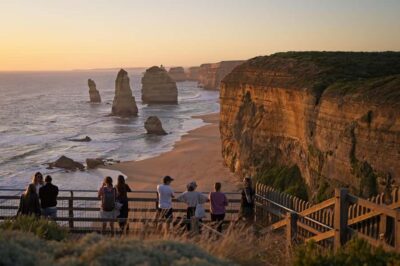
Great Ocean Road Extended–Top Stops&London Bridge
Read our review →Browse the lists this tour appears in