

Review · MELBOURNE TOURS
Melbourne: SEA LIFE Aquarium Entrance Ticket
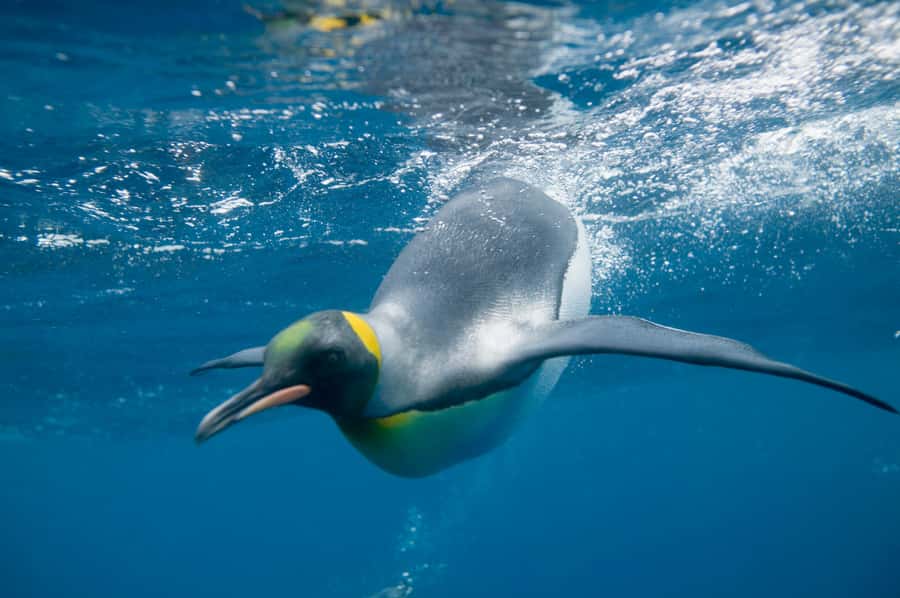
The star here is the Antarctic penguin exhibit, where King and Gentoo penguins slide across the ice and swim close to the viewing areas. I like the mix of crowd-pleasers and odd Australian creatures, especially the giant saltwater crocodile Pinjarra and the unusual elephant sharks. I also like that daily talks and feedings give the visit more shape than a simple walk past tanks.
The aquarium is easy to reach at the corner of Flinders Street and King Street, beside the Yarra River and opposite Crown. I love the clear route through 12 zones and the chance to spend two to four hours indoors, but expect crowds during school holidays, wet weather, and busy weekend periods. A few attractions or touchscreens may occasionally be closed or out of order.
Key points at a glance
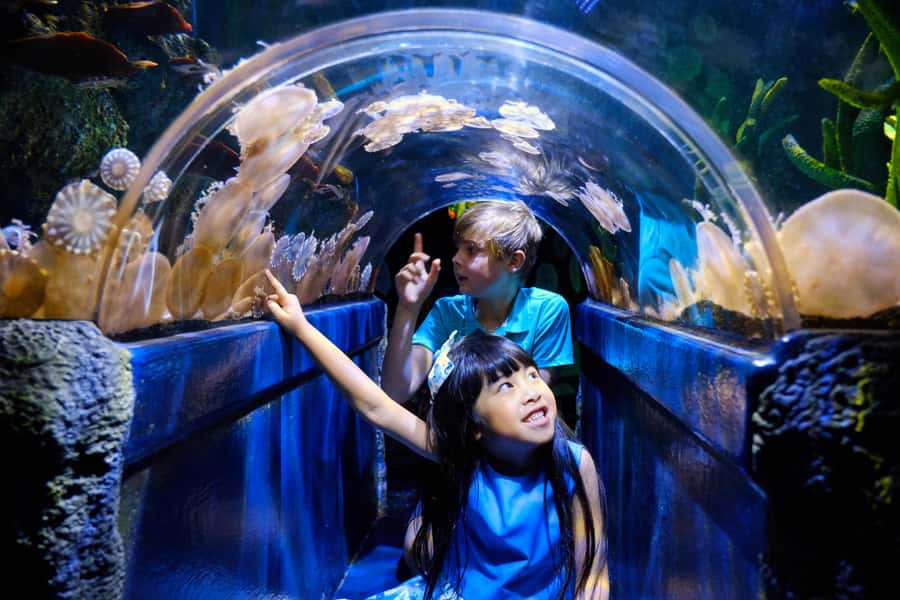
- Penguins at the finish: King and Gentoo penguins provide one of the most memorable parts of the visit, especially for young children.
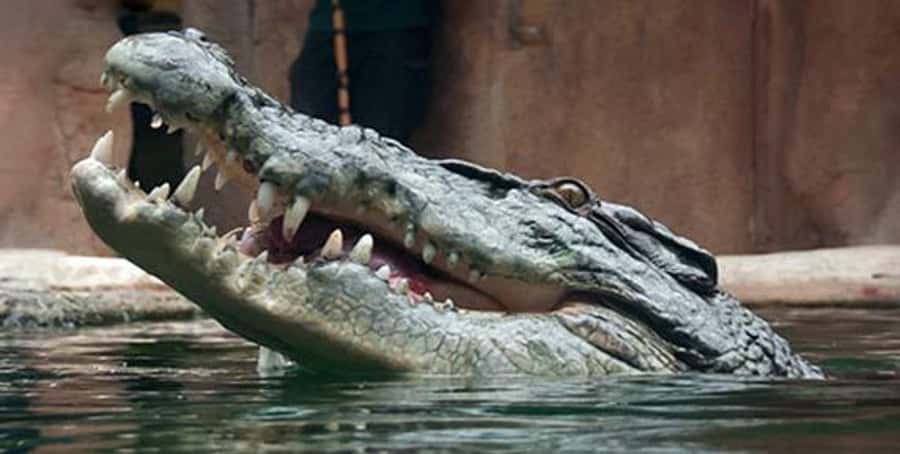
- Pinjarra the crocodile: See one of Australia’s largest saltwater crocodiles, although animal viewing can vary.
- A huge Oceanarium: The 2.2 million litre tank brings fish, sharks, rays, and other marine life into view from several angles.
- Odd and fascinating species: Look for elephant sharks, seahorses, weedy dragons, giant crabs, and lobsters.
- More than tanks: Daily presentations, shark and ray feedings, touch pools, children’s activities, and a 4D film add variety.
- Flexible booking: Entry costs $28 per person, tickets are valid for one year from purchase, and cancellation is free up to 24 hours before the visit.
Finding SEA LIFE beside the Yarra River
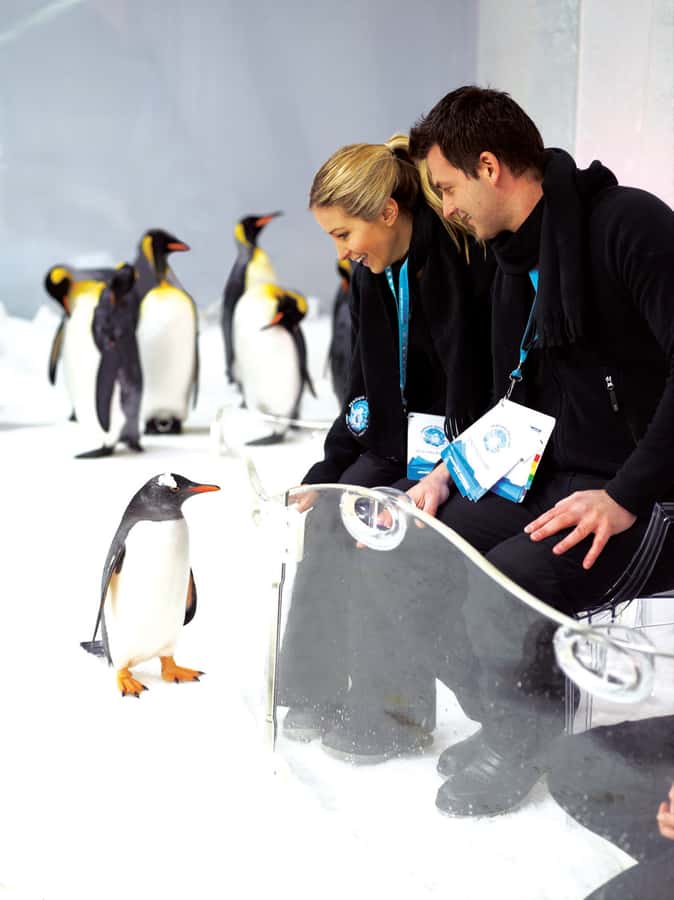
SEA LIFE Melbourne Aquarium sits in the middle of Melbourne’s CBD, on the corner of Flinders Street and King Street. The building is on the Yarra River, opposite the Crown Entertainment Complex, so it is a handy stop when you are already exploring Southbank, the riverfront, or central Melbourne.
The location is one of the aquarium’s strongest practical points. You do not need to set aside a full day of transport and sightseeing just to reach it. One visit can fit neatly into a city morning, a rainy afternoon, or a family day that also includes nearby attractions.
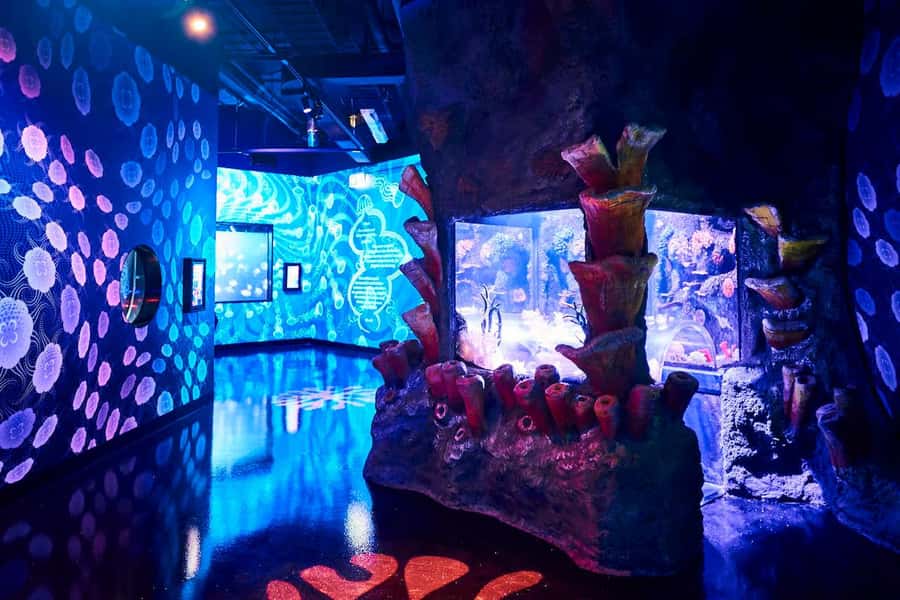
The entrance area has featured renovation work at times, so do not judge the whole experience from the first few steps. Once inside, the aquarium spreads through 12 zones, with exhibits arranged around different habitats and types of marine life.
I would allow two to four hours. Two hours works if you keep moving and focus on the major exhibits. Families with small children may spend longer because of the touch pools, activity areas, feeding times, and repeated stops at the penguins. One family spent four hours here, while another found children were ready to leave after about an hour. Your pace matters more than the advertised one-day validity.
More aquariums in Melbourne:
- SEA LIFE Sydney Aquarium Entry Ticket
★ 4.3 · 1,025 reviews - SEA LIFE Sydney Aquarium Entrance Ticket
★ 3.5 · 551 reviews - Cairns Aquarium Admission Ticket
★ 4.5 · 534 reviews
A self-guided route with plenty of stopping points
This is primarily a self-guided aquarium visit rather than a guided tour. You move through the zones at your own speed, reading signs, watching the animals, and joining staff presentations when the timing works.
That freedom suits me. You can slow down at a tank that catches your eye or move on from an exhibit that does not interest your group. It also lets adults linger over information while children head toward the next colorful display.
The route is generally easy to follow, but the map may not always make the location of each section clear. If you lose track of where you are, ask staff rather than spending time circling. Staff presentations are worth fitting into your plan, since they add explanations that you will not get from simply walking past the glass.
The aquarium is designed for mixed ages. Toddlers can watch movement and bright colors, school-age children can learn about habitats and animal behavior, and adults have enough unusual species to keep the visit from feeling like a children-only stop.
Crowding is the main issue. School holidays, rainy days, and busy afternoons can make the viewing areas tight, especially around popular tanks and children’s activities. If you want a calmer visit, choose a less busy time rather than assuming the aquarium will always feel quiet.
Stingrays, sharks, and the 2.2 million litre Oceanarium
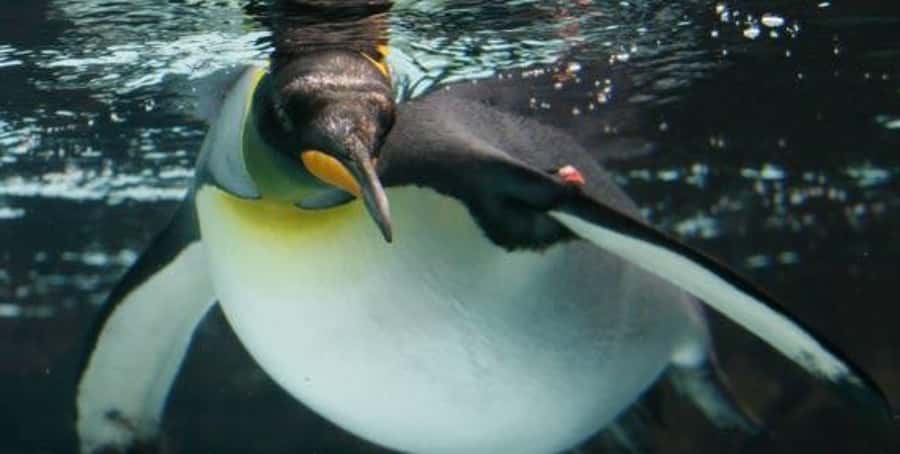
The Bay of Rays is one of the best places to slow down. Stingrays look very different from the small fish that fill many aquarium tanks, and their size can surprise you when they pass close to the viewing area.
You may also encounter shark and ray feeding sessions during the day. These scheduled moments give you a reason to watch for a while, rather than treating the animals as background scenery. Check the daily program after entering so you can decide which talks and feedings fit your route.
The Oceanarium holds 2.2 million litres of water and gives the aquarium a sense of scale. The volume matters because it allows larger species and groups of fish to move through a broad underwater setting rather than a small display tank. There is also an opportunity to feed fish from the top of the Oceanarium, but treat this as an additional activity and confirm the schedule and availability directly with SEA LIFE.
The shark displays are another strong stop, particularly if you are visiting with children who want recognizable animals. The aquarium balances these familiar species with smaller exhibits that reward careful looking. You might notice that a small, oddly shaped animal creates as much interest as a large shark once you know what to look for.
Pinjarra, the saltwater crocodile
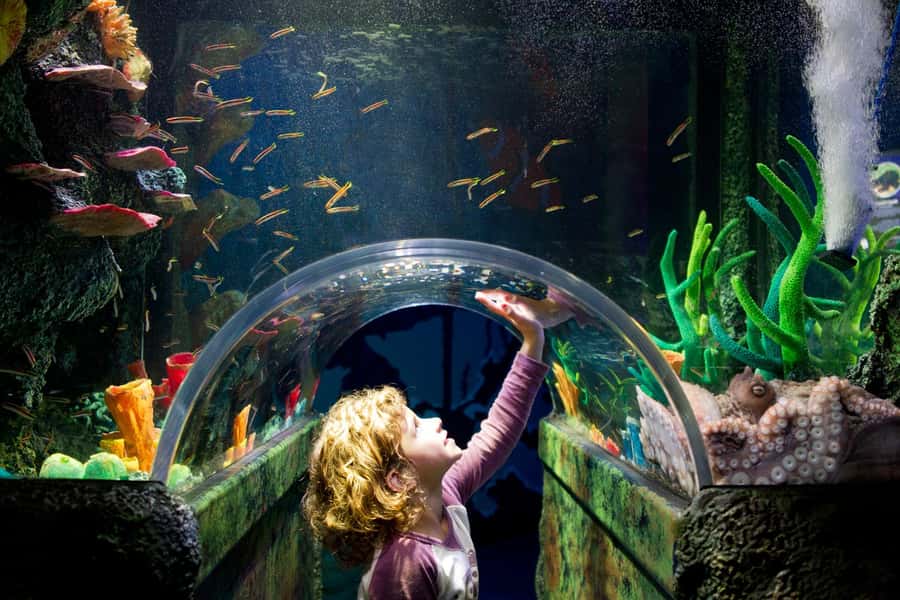
Pinjarra is one of Australia’s largest saltwater crocodiles and one of the aquarium’s most impressive individual animals. A crocodile this large gives the visit a clear Australian connection, rather than making the aquarium feel like a collection of generic tropical fish.
Animal viewing is never guaranteed. One person missed seeing the crocodile during a visit, even though staff helped by showing photographs. That is a useful reminder to keep expectations sensible. The exhibit is a must-see when Pinjarra is visible, but the animal may be resting out of sight or temporarily unavailable.
The crocodile also changes the rhythm of the visit. After looking through many underwater tanks, you come to a large land-and-water animal that feels solid, ancient, and slightly intimidating. Children often remember this stop alongside the penguins, even though the animals could not be more different.
A few more Melbourne half-days to weigh up
- Great Ocean Road Small-Group Eco Tour from Melbourne
★ 5.0 · 6,607 reviews - From Melbourne: Great Ocean Road, 12 Apostles, Wildlife Tour
★ 4.7 · 6,020 reviews - Laid back, Yarra Valley Wine Tour: Wine, Cider, Gin, Beer + Choc
★ 5.0 · 4,552 reviews - Great Ocean Road Reverse Itinerary Boutique Tour – Max 11 Guests
★ 5.0 · 4,186 reviews
Seahorses, elephant sharks, and small Australian oddities
Some of the most rewarding displays are not the largest. The seahorse paternity ward explains an unusual part of reproduction: male seahorses carry the developing young. This is the sort of exhibit that turns a quick aquarium walk into a lesson you may still be discussing afterward.
The display of elephant sharks is another reason to pay attention to the less familiar names. SEA LIFE presents these unusual animals as the only display of elephant sharks in the world. Their appearance is stranger than the name suggests, and they give you a break from the usual parade of colorful reef fish.
Look also for weedy dragons, giant crabs, lobsters, and other smaller creatures. Giant crabs and lobsters near the entrance have made an immediate impression on young children, while weedy dragons tend to reward patient viewing. These animals are easy to miss if you rush toward the penguins, so I would keep the first part of the route unhurried.
The educational value is strongest when you read the information panels and listen to a presentation. The aquarium explains habitats and animal behavior in a way that works for children without making adults feel talked down to. A few visual touchscreens have not always worked, but the printed displays and staff talks still provide useful context.
Ocean Invaders and the world of jellyfish
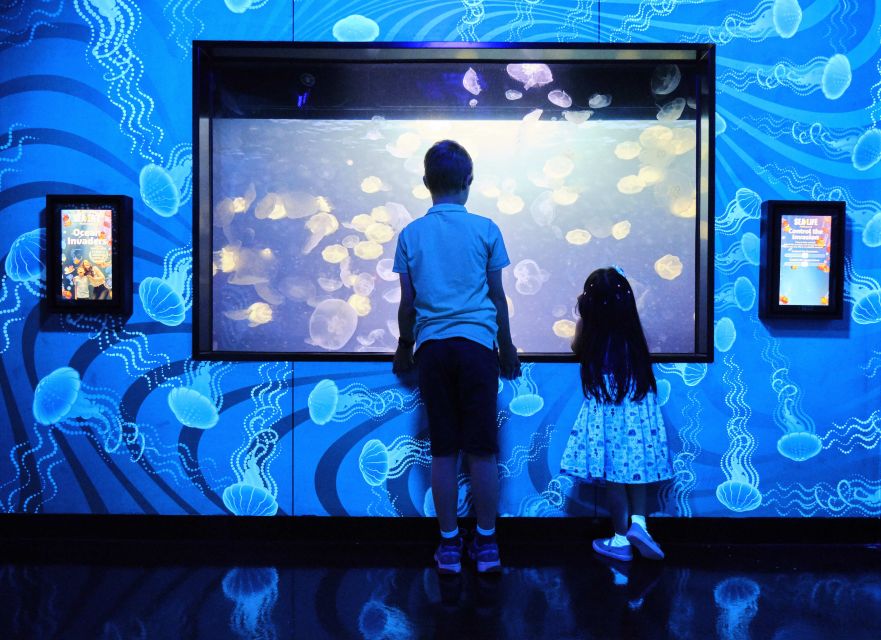
The Ocean Invaders area takes you into the world of jellyfish. Jellyfish displays depend less on large animals and more on movement, light, shape, and timing. Their slow drifting creates a quieter pause between the larger, louder family attractions.
I would not rush this section. Jellyfish can look almost simple at first, but the changing forms become more interesting when you watch for a few minutes. The exhibit also helps explain why aquarium visits are not only about finding the biggest creature in the building.
This area is particularly useful for balancing the visit. After the excitement of crocodiles, rays, and penguins, jellyfish offer something calmer. Adults who enjoy photography or careful observation may spend more time here than children do, so use the flexible self-guided format to split interests when needed.
Antarctic penguins and the final stretch

The penguin exhibit is the emotional high point for many people. King and Gentoo penguins slide, swim, and move across an icy Antarctic setting. Their behavior is easy to understand at a glance, which makes them a reliable hit with toddlers and adults alike.
The layout places the penguins toward the end of the route, so they work as a strong finish. If you are visiting with children, you may want to save enough energy for this section rather than treating it as one more tank among many.
Viewing spaces can become crowded, especially when several families stop at once. Young children may struggle to see through a packed crowd, so give yourself time and wait for a gap instead of pushing through. The penguins are worth a patient look because you can watch them both on land and in the water.
The Antarctic setting also adds variety to the aquarium’s Australian and tropical exhibits. You move from warm-water species and local oddities to animals adapted to cold conditions. That change helps the 12-zone route feel more varied than a long corridor of similar tanks.
Talks, touch pools, the 4D film, and children’s activities
Daily animal presentations and shark and ray feedings give you a chance to hear explanations from the SEA LIFE team. No named guide is assigned to this ticket, and you are not part of a fixed group. You simply join the scheduled talk that interests you.
This arrangement works well if you prefer independence. It is less useful if you expect a guide to lead you from zone to zone or answer questions continuously. Staff have been helpful and able to answer questions during presentations, so I would make a point of asking about an animal while the staff member is nearby.
Touch pools add a hands-on element, though availability and operation can vary. They are especially helpful for children who find it hard to spend long periods looking through glass. Kids’ activities can also break up the route and give younger visitors a reason to stay engaged.
The 4D cinema show is an optional extra feature and has been a welcome bonus for many families. It adds a short change of pace, but do not build your whole visit around it because attractions may sometimes be closed. Ask about current show times and availability when you arrive.
What $28 gets you, and when it feels worthwhile
At $28 per person, the basic ticket is good value if you plan to stay for several hours and make use of the full range of exhibits. The price covers entrance to the aquarium, not every optional activity. For a family, the total rises quickly, so the visit is most worthwhile when you take your time rather than treating it as a one-hour stop.
The strongest value comes from the variety packed into one indoor attraction: more than 10,000 aquatic animals, 12 zones, penguins, a crocodile, rays, sharks, jellyfish, seahorses, and unusual species such as elephant sharks. You also have daily presentations, feeding sessions, touch pools, children’s activities, and the 4D cinema to add structure.
The value is weaker if your children lose interest quickly or if you arrive during a crowded period and cannot get close to the displays. One family found an hour enough, while another spent four hours. I would think of the ticket as a flexible half-day option, not a guaranteed full-day attraction for every age group.
Tickets are valid for one year from the purchase date, which is useful if your Melbourne plans change. You must still select a specific entry timeslot on the aquarium’s own website after booking, and optional experiences need their own date and time confirmation. Cancellation is free up to 24 hours before the visit, with a full refund, and a reserve-now, pay-later option is available.
Practical tips for a better visit
Book your entry time before you go. A general ticket alone is not the whole timing process, since the aquarium requires you to select a specific slot through its own website after booking.
Arrive with a loose plan. Check the presentation and feeding schedule first, then build your route around the times you care about. This is better than walking through every zone quickly and discovering later that you missed the talk you wanted.
Allow extra time during school holidays or wet weather. The aquarium can become quite packed, and strollers or groups of children may make narrow viewing areas harder to navigate. If you are visiting without children, avoid the busiest family periods when possible.
Keep an eye on the condition of the facilities. Most of the displays are well maintained, but occasional touchscreen failures and temporary exhibit closures have occurred. The café is convenient, and hot chips have been considered reasonably priced, though tables and floors have not always been as tidy as they should be.
Crown offers nearby parking, and the aquarium’s central location makes it practical to reach from city hotels. The entrance is directly at Flinders and King streets, beside the river, so you can combine the visit with a walk across the riverfront rather than making it an isolated outing.
Who will enjoy SEA LIFE Melbourne most
I would recommend this aquarium most strongly to families with children from toddler age through primary school. The penguins, crocodile, rays, touch pools, film, and activity areas provide enough changes of pace to hold attention.
It also works well for adults. The unusual species, seahorse reproduction display, jellyfish exhibits, and Australian animals give you more to think about than a basic fish collection. One adult visitor enjoyed the aquarium without children, and I can see why, especially if you like taking your time at the smaller exhibits.
The aquarium is a sensible rainy-day choice because the entire experience is indoors. Just remember that bad weather also sends many other people inside. If your priority is peace and quiet, choose your timing carefully.
It may not suit you if you want a long, guided wildlife tour or a large open-air animal park. This is a self-guided city attraction. Its value depends on how much you enjoy observing animals through glass, reading explanations, and joining scheduled activities.
Should you book SEA LIFE Melbourne?
Book it if you want a convenient indoor attraction with strong family appeal and a good range of marine life in one central location. The penguins, Pinjarra, Bay of Rays, and jellyfish give the visit several memorable anchors, while the smaller exhibits reward anyone who slows down.
I would buy the $28 ticket when I had at least two hours available, especially with children or in poor weather. I would be more cautious if I had only an hour, disliked crowds, or expected every attraction to be operating on the day.
Choose a timeslot, check the daily program, and save time for the penguins at the end. With those simple steps, SEA LIFE Melbourne makes a practical and enjoyable addition to a Melbourne city visit.
FAQ
Where is SEA LIFE Melbourne Aquarium?
SEA LIFE Melbourne Aquarium is on the corner of Flinders Street and King Street, beside the Yarra River and opposite the Crown Entertainment Complex.
How much does admission cost?
The entrance ticket costs $28 per person.
How long is the ticket valid?
The ticket is valid for one year from the purchase date. Your visit itself is listed as valid for one day.
Do I need to choose an entry time?
Yes. After booking, you must select a specific entry timeslot through SEA LIFE Melbourne’s own website. Full instructions are sent with the booking confirmation.
What is included in the ticket?
The ticket includes entrance to SEA LIFE Melbourne Aquarium. Optional activities may require separate confirmation and are not stated as part of the basic entrance ticket.
Can I cancel the booking?
Yes. You can cancel up to 24 hours in advance for a full refund. A reserve-now, pay-later option is also available.
Just added around Melbourne
- Melbourne: 3-Hour Foodie Discovery Walking Tour★ 4.9 · 313 reviews
- Melbourne: Laneway Bar Tour Where Locals Drink★ 4.8 · 289 reviews
- Melbourne: Ghosts of Williamstown Guided Ghost Walking Tour★ 4.4 · 47 reviews
- Melbourne: Spirit Of Melbourne Yarra River Lunch Cruise★ 4.9 · 65 reviews
- Sorrento: Dolphins & Seals Snorkeling Cruise w/ Lunch★ 4.1 · 52 reviews
- Melbourne: Great Ocean Road Ultimate 12 Apostles with Lunch★ 4.5 · 272 reviews
- Premium Great Ocean Road Reverse Tour 13Pax Max Hotel PickUP★ 4.8 · 155 reviews
- Melbourne City Cruise with Tea, Coffee, and Commentary★ 4.3 · 189 reviews
Melbourne Tours, compared.

Laid back, Yarra Valley Wine Tour: Wine, Cider, Gin, Beer + Choc
Read our review →
Great Ocean Road Reverse Itinerary Boutique Tour – Max 11 Guests
Read our review →
Penguin Parade, & Wildlife Encounters Eco Tour from Melbourne
Read our review →
Great Ocean Road Tour w/ Deluxe Minibus & Top-Rated Guide
Read our review →
Melbourne Great Ocean Rd Reverse Tour London Bridge Wildlife
Read our review →

Great Ocean Road Extended–Top Stops&London Bridge
Read our review →Browse the lists this tour appears in