
Review · MARGARET RIVER TOURS
Marine Discovery Centre
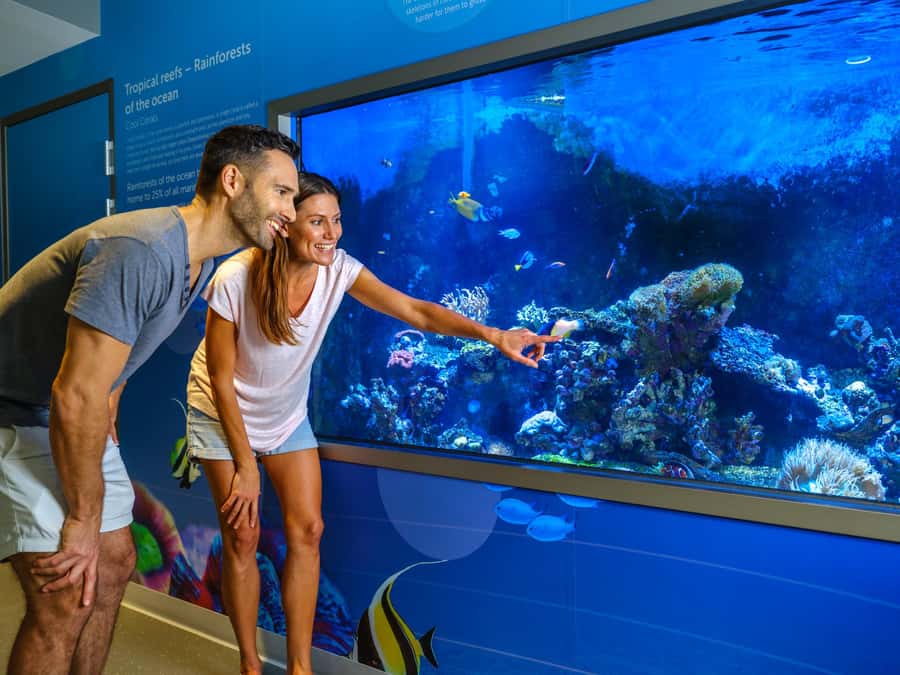
The best part of the Marine Discovery Centre is that you can learn about Bunbury’s wild bottlenose dolphins without getting wet or relying on a lucky sighting. Fourteen aquariums, live feeding sessions, a 360-degree digital dolphinarium, films and hands-on displays make this a useful stop in Koombana Bay.
I like the way the centre links animals to their local setting, from freshwater river life to offshore reef species. I also like the all-day ticket: you can spend about 90 minutes inside, return later, or pair the visit with lunch and a separate dolphin cruise. The main limitation is simple: there are no dolphins in aquariums or ocean pens, so you will not get a guaranteed close-up dolphin encounter indoors.
Key points to know before you go
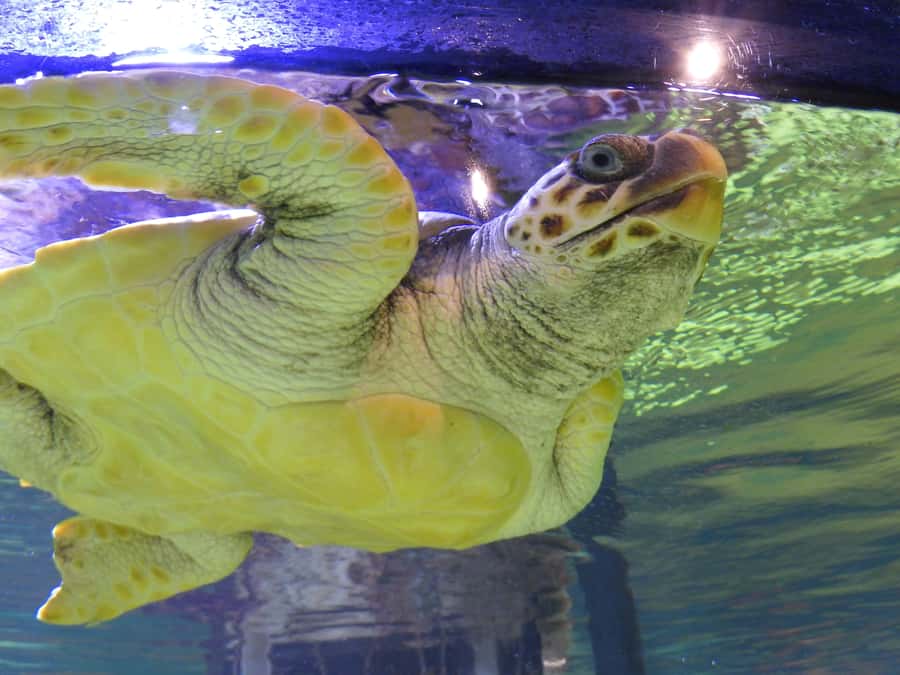
- Fourteen aquariums follow the region’s waterways: See marine plants and animals from freshwater river areas through to temperate offshore reef habitats.
- The dolphin story is based on wild animals: The centre works with bottlenose dolphins in Koombana Bay, with no dolphins held in tanks or ocean pens.
- A 360-degree digital dolphinarium adds atmosphere: Films and digital displays give you a closer look at dolphin life and their environment.
- Four feeding programs run each day: Plan your visit around a feeding session for a more active aquarium experience.
- Your $16 ticket lasts all day: The centre is open from 9am to 3pm, and the recommended visit takes about 90 minutes.
- The centre suits many ages and abilities: Interactive activities, films, displays and wheelchair access make it workable for families and mixed-age groups.
Start with Bunbury’s wild dolphin story
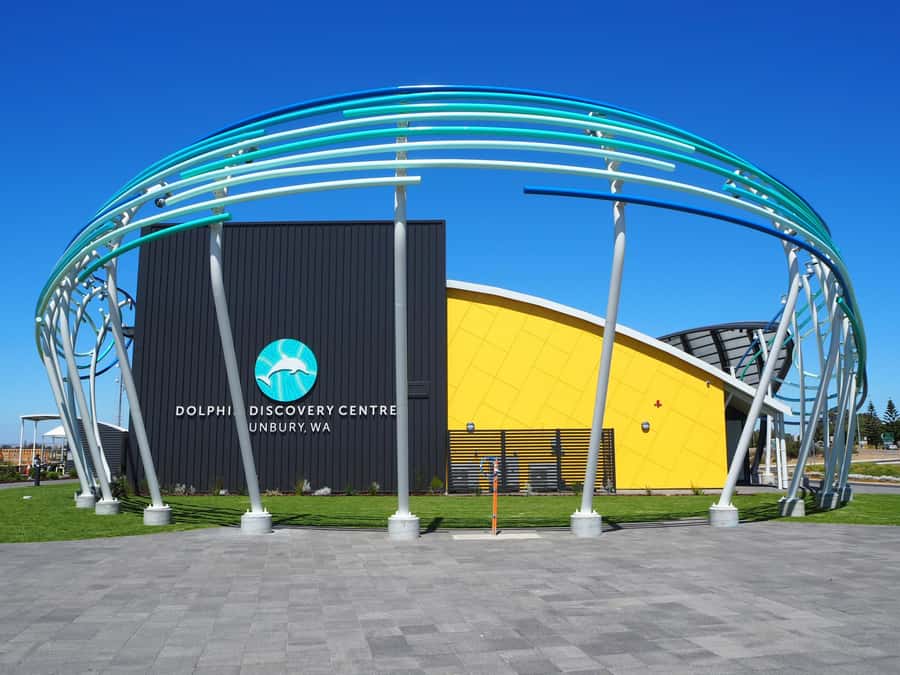
The Dolphin Discovery Centre is built around the bottlenose dolphins of Koombana Bay. That focus matters because the centre is not simply a collection of tanks with a dolphin theme added on top. It explains the animals, their environment and the way they fit into the local bay.
You begin at the front tour desk inside the Dolphin Discovery Centre in Bunbury, where you present your ticket or voucher. From there, the Marine Discovery and Interpretive Centre is self-guided. You can set your own pace, stop for a film, spend extra time at an activity station, or move quickly through sections that are less interesting to you.
That freedom is especially handy with children. A grandparent visiting with three children aged six, four and four found that the group stayed absorbed for about an hour and a half. That is a useful guide for families: the recommended 90 minutes is realistic, but the centre does not force you out once you have seen the main displays.
The dolphin message is also refreshingly honest. If wild dolphins choose to visit the Interaction Zone outside the centre, staff will let you know. You might then have the chance to see them in their natural environment, but this depends on the dolphins. The indoor admission does not promise that encounter.
A few more Margaret River half-days to weigh up
- The Margaret River wine tour for people who don’t do tours!
★ 5.0 · 1,969 reviews - Hidden Gems: Boutique Full-Day Wine, Farm & Lunch Tour
★ 5.0 · 881 reviews - Margaret River Wine, Brewery & Distillery Tour with Lunch
★ 4.5 · 488 reviews
Follow the waterway from river to reef
The aquariums tell a local ecological story rather than presenting unrelated sea creatures in separate boxes. You move through displays featuring marine plants and animals from the temperate zone, with the story running from freshwater river environments toward offshore reef habitat.
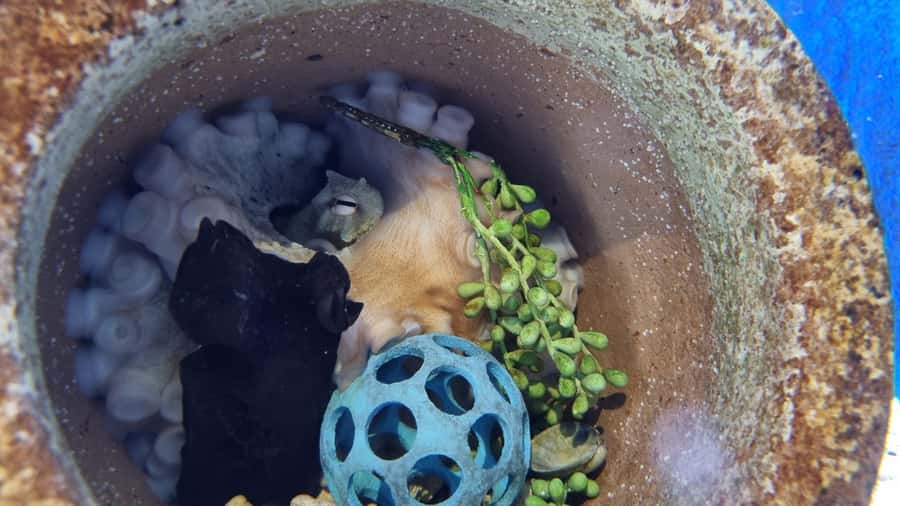
That approach gives the aquariums some purpose. A shark display, octopus tank or coral aquarium is interesting on its own, but the wider setting helps you understand where these animals live and how the region’s habitats connect. You can compare different kinds of marine life instead of treating every tank as an isolated exhibit.
The centre includes themed fish and animal displays featuring sharks, octopus and coral. The exact focus of your visit will depend on the feeding schedule and current presentation, but the centre is designed to mix natural displays with technology and interpretation.
I would allow extra time at the aquariums if you have young children. They can look for movement, colors and familiar animal shapes while older children and adults can read about the habitats. Since the experience is self-guided, nobody needs to drag the whole group away from a tank just because the main party is ready to move on.
See the 360-degree Digital Dolphinarium
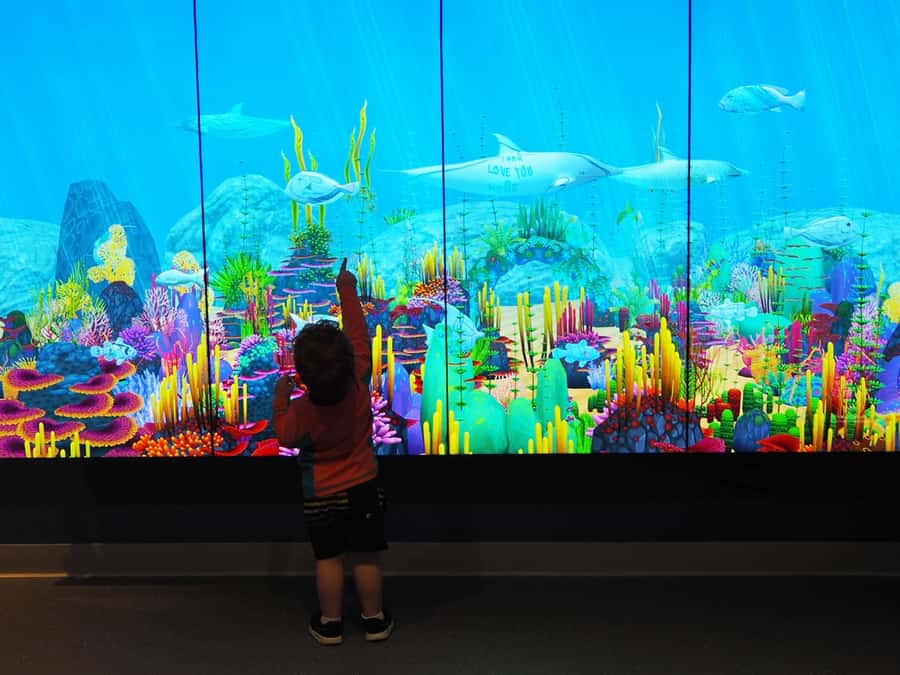
The 360-degree digital dolphinarium is the centre’s most theatrical feature. It uses a full-surround visual presentation to give you a stronger sense of the dolphins’ world than a standard screen can provide.
You should think of it as a filmed and digital interpretation, not a live animal show. That distinction is important. The presentation helps explain dolphin behavior and habitat, but it does not replace seeing a wild animal in Koombana Bay.
The centre also offers 2D and 3D movies. These add variety to the visit, particularly if you have already spent time with the aquariums and want a quieter activity. The technology gives the centre a more modern feel, but it works best when you connect what you see on screen with the real habitats represented in the tanks.
Timing can matter here. The centre is open seven days a week from 9am to 3pm, and feeding programs run four times daily. The supplied information does not provide exact feeding times, so check the schedule when you arrive and arrange the digital presentation around it rather than guessing.
Use the hands-on displays and Discovery Pool
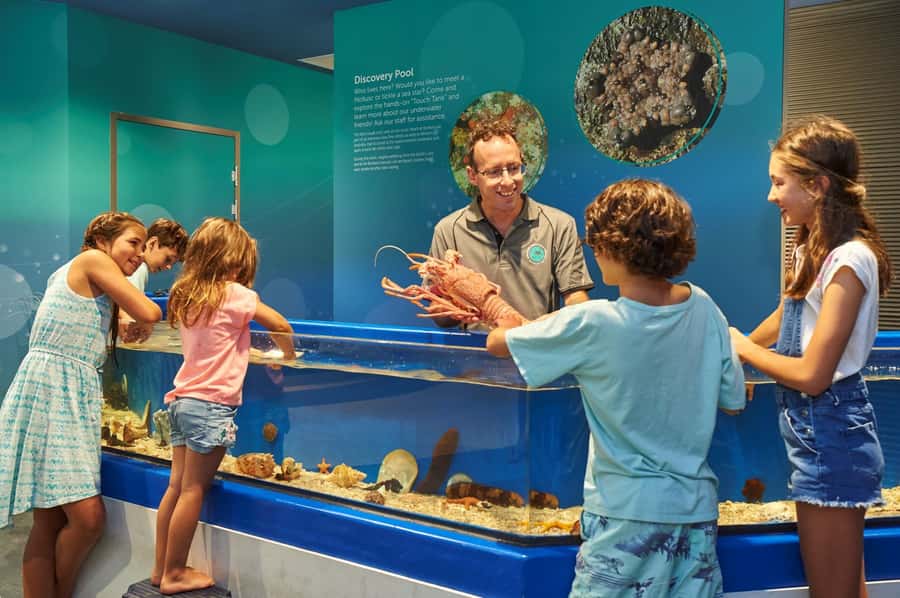
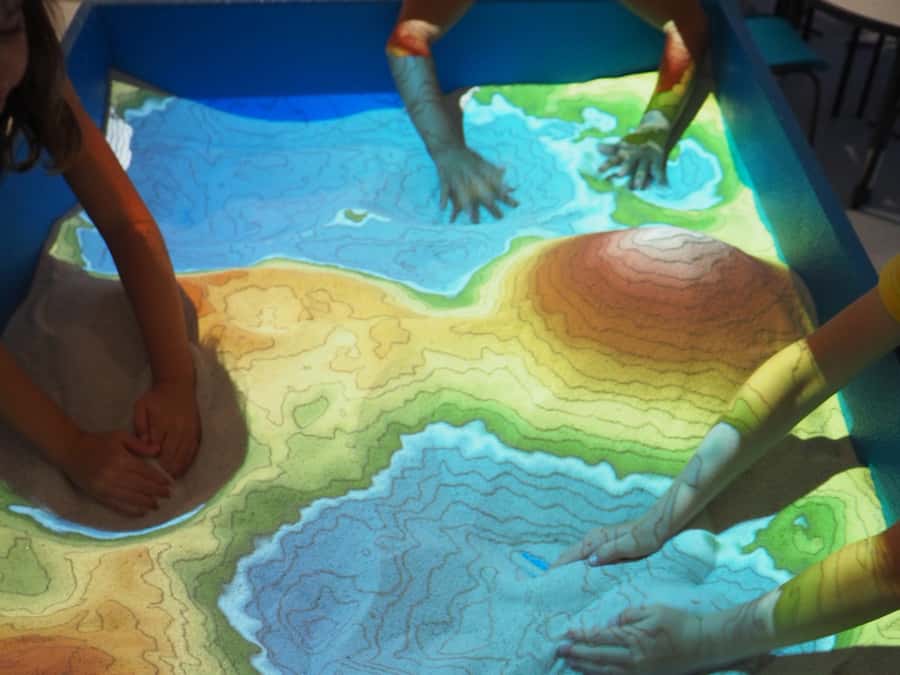
Interactive displays give you something to do beyond reading signs. They are useful for younger children, who may lose interest if the visit becomes a series of static information panels. They also give families a natural way to split up briefly, then meet again at the next section.
The Discovery Pool adds another hands-on element. The centre specifically prohibits touching animals, feeding animals and using flash photography, so you should follow the posted instructions and staff directions. Do not assume that a pool or interactive feature means you can handle marine life.
This is one area where the centre’s design works for mixed-age groups. One person can study the interpretation, another can watch a film, and children can spend time at the activity areas. You are not locked into one pace or one type of presentation.
The centre is wheelchair accessible, which makes the self-guided format more practical for visitors with different mobility needs. The information does not list every surface, doorway or facility detail, so contact the centre directly if you need a precise accessibility answer before booking.
Same base, a completely different day out:
- Margaret River Small-Group Full-Day Wine & Food Tour
★ 5.0 · 401 reviews - Margaret River Winery, Brewery Tour with Gourmet Lunch.
★ 5.0 · 401 reviews - From Margaret River: Margaret River Wine Adventure
★ 4.9 · 376 reviews - Jewel Cave Fully-guided Tour (Located in Western Australia)
★ 5.0 · 363 reviews
Add Koombana Bay’s human story
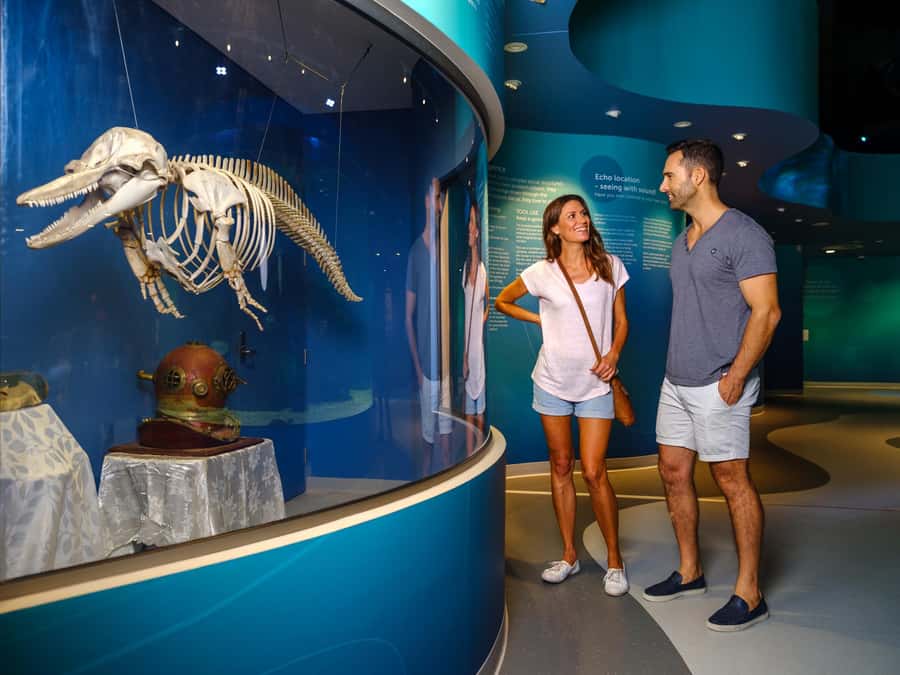
The centre does more than explain marine animals. Its interpretation covers the geological, Indigenous, marine and contemporary story of the Koombana Bay environment.
That wider context is valuable because a dolphin visit can otherwise become a quick animal encounter with little sense of place. Here, you get a basic understanding of how the bay formed, how people have connected with it, and how the marine environment has changed or been used over time.
The Indigenous and local history material gives the visit a stronger connection to Bunbury. You are not just looking at wildlife that could appear in any coastal town. The displays aim to place the animals within the area’s local story.
I would take time with this section even if the aquariums are your main reason for coming. It helps you read the rest of the centre with better context, especially the displays about the Koombana Bay environment.
Plan around the four daily feeding programs
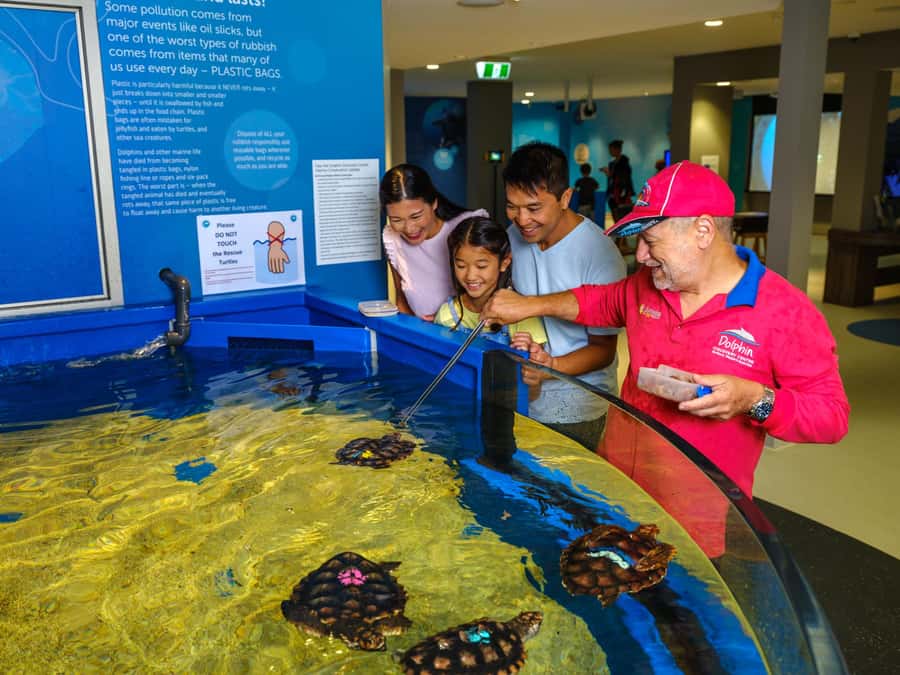
Live feeding is one of the best reasons to check the day’s schedule rather than simply walking in and wandering around. Feeding brings movement and activity to the aquariums, and it gives you a clear moment to organize your visit around.
There are four feeding programs daily, but exact times are not provided in the supplied details. Ask at the front tour desk when you arrive. If you have limited time, this simple question can help you see more of the centre in a focused visit.
A feeding program also helps children understand that aquariums are working displays, not just decorative tanks. You can see animals respond to food and learn more about their behavior in the process.
Still, keep expectations sensible. A feeding program is not the same as feeding animals yourself. Visitors are not allowed to feed or touch the animals, and flash photography is not allowed.
Decide if 90 minutes is enough
The centre recommends about 90 minutes, and that is a sound starting point for most people. In that time, you can see the main aquariums, watch some of the digital content, try interactive displays and take in the local interpretation.
I would plan longer if you are visiting with children who enjoy the Discovery Pool and activity stations. You may also want extra time if you plan to match your visit with more than one feeding program, or if you read the history and environmental panels carefully.
The full-calendar-day ticket is the real advantage. Your $16 admission is valid during opening hours on the day you visit, so you do not have to rush through every section in one go. You can leave for lunch and return, or use the centre as a flexible part of a longer Bunbury day.
One visitor specifically combined the centre with a dolphin cruise, then returned for lunch and coffee. The cruise is not included in this admission, but the two experiences can work well together: the centre gives you background and interpretation, while a cruise offers a separate chance to look for dolphins on the water.
Consider the $16 price carefully
At $16 per person, this is a modest admission for a full day of access. The value is strongest if you use the ticket as a flexible base rather than treating the centre as a quick 20-minute stop.
For a short visit, you receive several different types of activity: aquariums, feeding programs, digital cinema, 2D and 3D movies, interactive displays, a Discovery Pool and local history. That mix helps justify the price for families, since not everyone in your group needs to enjoy the same thing.
The centre is also a not-for-profit organization supported by about 100 volunteers. Your admission helps support conservation, research and education work connected with the wild dolphins of Koombana Bay. I would not treat that as a reason to ignore the actual experience, but it adds weight to the purchase when you are choosing between a quick commercial attraction and a local conservation centre.
The value is weaker if you are coming only to see a live dolphin. There is no dolphin aquarium and no ocean pen, and a wild dolphin appearance outside depends on the animals choosing to visit. For a guaranteed indoor animal encounter, this is not that kind of attraction.
Who will enjoy this most
I would recommend the centre to families with children, grandparents traveling with several age groups, and anyone who wants a weather-safe marine activity. The combination of films, hands-on displays, aquariums and short presentations gives you options when attention spans differ.
It also works for adults who want more than a quick photograph. The interpretation covers local geology, Indigenous history, marine life and contemporary Koombana Bay, so you can spend time reading and make the visit more than a simple aquarium circuit.
It is a good match for visitors who care about wildlife conservation but prefer not to join a boat trip. You can learn about the dolphins and their habitat without getting wet. If the dolphins appear at the nearby Interaction Zone, staff will alert you, but you should see that as a bonus, not the main promise.
I would be less enthusiastic if you have already seen the centre and want a new activity, or if your only goal is a close, guaranteed dolphin encounter. In that case, look at the separate dolphin experiences available through the same organization, while remembering that wild animals always set the schedule.
Practical details for a smooth visit
The centre is at the Dolphin Discovery Centre in Bunbury, Western Australia. Enter through the front tour desk and show your ticket or voucher.
Opening hours are 9am to 3pm every day. Your admission is valid for the entire calendar day, which gives you room to split the visit around lunch or another Bunbury activity.
The experience is self-guided. You do not need to keep up with a group, and the information provided does not name a guide. Ask staff about feeding times when you arrive, since four programs run each day but exact times are not listed here.
The centre is wheelchair accessible. Flash photography, feeding animals and touching animals are not allowed. Cancellation is free up to 24 hours before the experience, and a reserve-now-pay-later option is available when offered for your booking.
Should you book the Marine Discovery Centre?
I would book it if you want a reasonably priced, flexible marine attraction that works for adults and children. The $16 all-day ticket is especially useful when you combine aquariums, a feeding program, the 360-degree cinema and local history rather than rushing through one display.
Book with the right expectation: this is a conservation and interpretation centre, not a dolphin show. You may hear about a wild dolphin visit to the Interaction Zone, but the animals are free to choose whether they appear. That honest setup is part of the appeal, and it makes the centre a sensible complement to a separate dolphin cruise or beach encounter.
FAQ
Where is the Marine Discovery Centre located?
It is located at the Dolphin Discovery Centre in Bunbury, Western Australia. Enter at the front tour desk and present your ticket or voucher.
How much does admission cost?
Admission costs $16 per person.
How long is the ticket valid?
Your ticket is valid for the whole calendar day during opening hours, from 9am to 3pm.
How long should I allow for the visit?
The recommended visit is about 90 minutes, but you can stay longer or return later on the same day.
Are dolphins kept in aquariums or ocean pens?
No. The centre works with wild bottlenose dolphins in Koombana Bay, and there are no dolphins in aquariums or ocean pens.
Is the centre wheelchair accessible?
Yes. The Marine Discovery Centre is wheelchair accessible.
Just added around Margaret River
- Premium Margaret River Winery Tour with Tannin Road★ 5.0 · 347 reviews
- Dunsborough Whale Watching Eco Tour★ 5.0 · 345 reviews
- Whale Watching from Augusta in Western Australia★ 5.0 · 124 reviews
- Whale Watching Dunsborough★ 5.0 · 26 reviews
- Augusta Whale Watching Eco Tour★ 5.0 · 137 reviews
- Whale Watching Busselton★ 5.0 · 156 reviews
- Self-Guided Ngilgi Cave Ancient Lands Experience★ 4.5 · 154 reviews
- Full-Day Wine, Beer, Gin, Cider Private Guided Margaret River Tour★ 4.0 · 34 reviews
Margaret River Tours, compared.
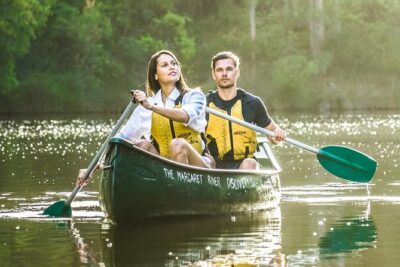
The Margaret River wine tour for people who don’t do tours!
Read our review →
Hidden Gems: Boutique Full-Day Wine, Farm & Lunch Tour
Read our review →
Margaret River Wine, Brewery & Distillery Tour with Lunch
Read our review →
Margaret River Winery, Brewery Tour with Gourmet Lunch.
Read our review →
Margaret River Small-Group Full-Day Wine & Food Tour
Read our review →
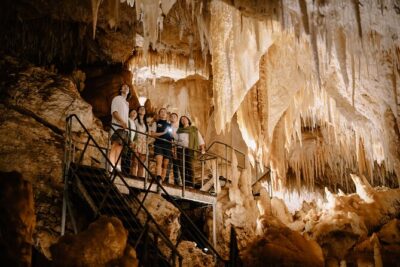
Jewel Cave Fully-guided Tour (Located in Western Australia)
Read our review →
Premium Margaret River Winery Tour with Tannin Road
Read our review →Browse the lists this tour appears in