
Review · CAIRNS TOURS
Kuranda: Australian Butterfly Sanctuary
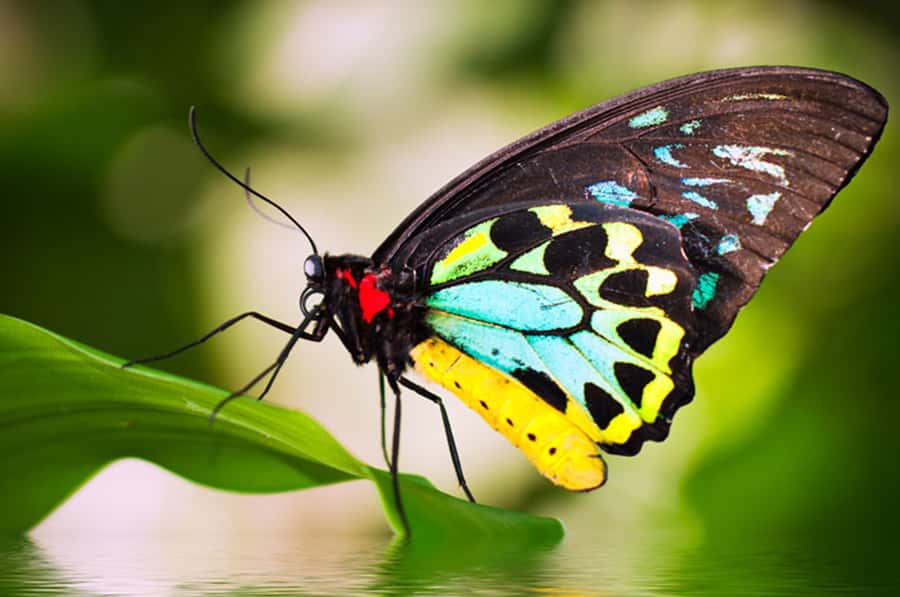
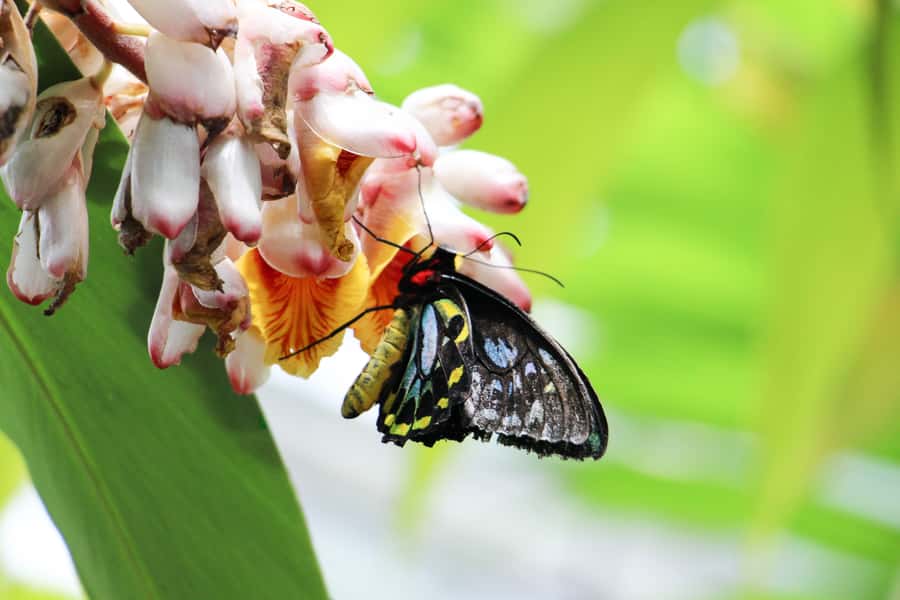
The stars here are the fluoro-green Cairns Birdwings, but the real treat is being surrounded by more than 1,500 tropical butterflies in Australia’s largest butterfly flight aviary. You can walk at your own pace, join a free guided talk, and look through windows into a working breeding lab.
I like the close-up access and the chance to see butterflies at every stage, from eggs and caterpillars to chrysalises and adults. I also like the practical tip to wear red, white, or hot pink, since bright clothing may bring butterflies fluttering close. The main consideration is heat. One recent visit found the sanctuary hot, while others found fewer butterflies and less variety than expected.
Key points to know before you go

- More than 1,500 tropical butterflies: Every butterfly here is a local rainforest species, with Cairns Birdwings as the showpiece.
- A working breeding laboratory: Viewing windows let you watch staff raise as many as 4,000 caterpillars.
- Self-guided or guided: Explore independently, then ask about the free English tour times when you arrive.
- Bright clothes can help: Red, white, and hot pink are the recommended colors for attracting butterflies.
- Easy Kuranda location: The sanctuary is at 8 Rob Veivers Drive, close to the village’s food and other attractions.
- Good weather backup: The experience is designed for all-weather visits, though the aviary can feel hot.
Inside Kuranda’s butterfly flight aviary

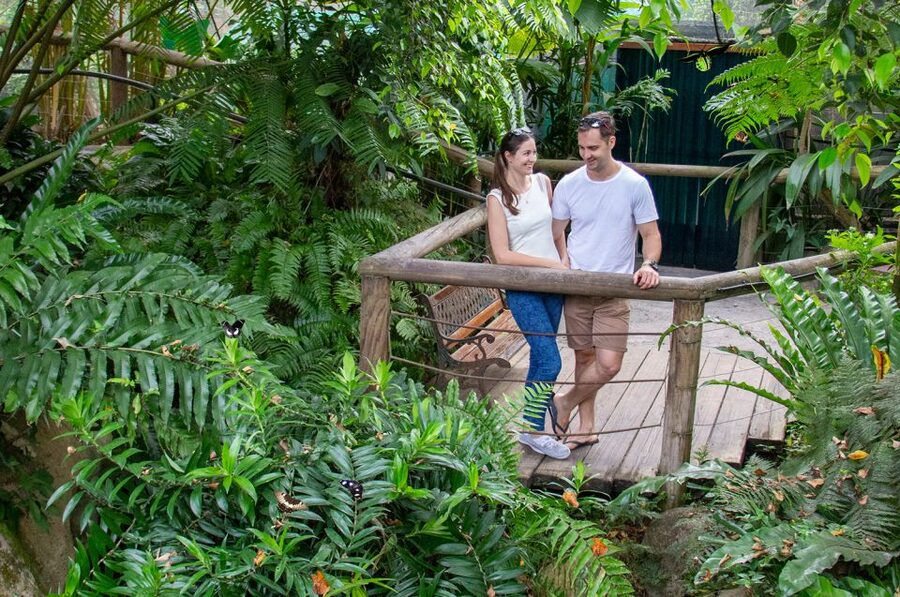
The Australian Butterfly Sanctuary gives you a simple pleasure: walk into a rainforest-style flight space and let the butterflies move around you. You are not looking at pinned specimens behind glass. The live butterflies fly freely through the aviary, making the experience feel more immediate than a standard museum visit.
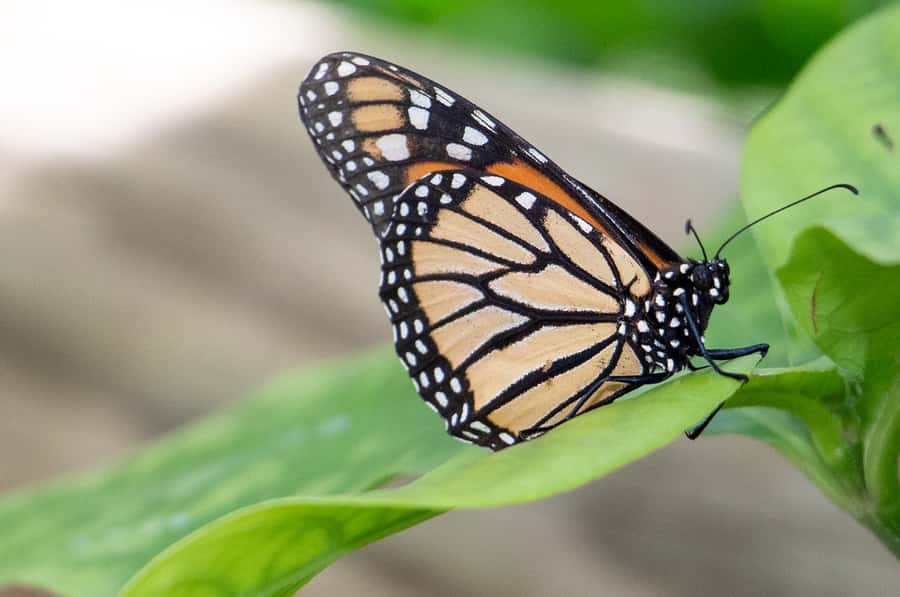
The scale matters. More than 1,500 tropical butterflies live here, and all are local rainforest species. That gives the visit a strong connection to Far North Queensland rather than making it a general display of insects from around the world.
Still, butterfly numbers and species variety can change from day to day. Two recent visits found fewer butterflies than expected, with one also noting limited variety. I would set your expectations correctly: this is not a guarantee that hundreds of butterflies will land on you at once. It is a living collection, and the display depends on the breeding cycle, conditions, and the butterflies active during your visit.
The most famous resident is the Cairns Birdwing. Its bright green coloring makes it easy to spot, though you will also see other rainforest species in a range of colors and patterns. Guides help you identify them, which adds purpose to what could otherwise become a quick walk around a large enclosure.
A few more Cairns half-days to weigh up
- Great Barrier Reef Snorkeling and Diving Cruise from Cairns
★ 4.5 · 3,714 reviews - From Cairns: Great Barrier Reef Cruise by Premium Catamaran
★ 4.9 · 3,567 reviews - From Cairns: Self-Guided Kuranda Trip with Train and Skyrail
★ 4.6 · 3,392 reviews
Letting the butterflies come to you
Wear a bright shirt if you want the best chance of attracting attention. Red, white, and hot pink are recommended, and these colors may encourage butterflies to flutter near you or land on your clothing.
That tip is useful, but it is not a promise. Butterflies have minds of their own, and they may prefer a flower, a plant, or another visitor’s shirt. The fun is in watching their behavior rather than trying to force an interaction.
I like this part of the visit because it rewards patience. Slow down, watch where the butterflies settle, and avoid treating the aviary like a fast photo stop. You can interact with the butterflies at close range, but the experience works best when you give them room to move naturally.
The aviary is also a good option for mixed-age groups. Children get the excitement of seeing insects fly close to their faces, while adults can focus on identification, behavior, and photography. Since the visit is self-guided, you do not have to keep pace with a group.
The breeding laboratory tells the real story
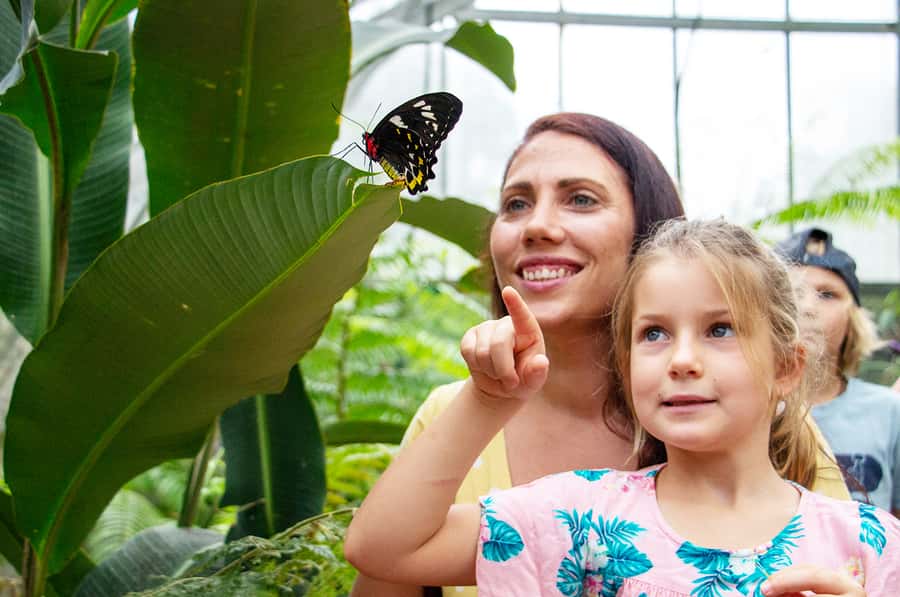
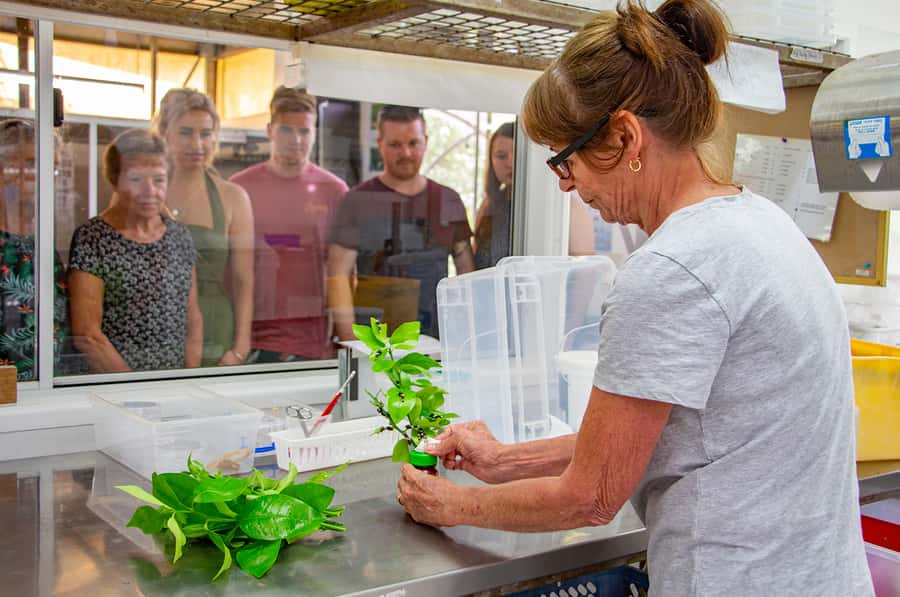
The breeding laboratory is the most useful stop for understanding how the sanctuary keeps its butterfly population going. Through special viewing windows, you can see caterpillars in different stages of development.
The laboratory may house up to 4,000 caterpillars. Staff collect eggs daily and raise the caterpillars by hand until they reach the chrysalis stage. The adults are then released into the sanctuary.
This changes how you look at the flying butterflies. Instead of seeing only a colorful display, you can connect each adult to a careful process involving eggs, feeding, growth, transformation, and release. It also explains why the number and mix of butterflies can vary. The population is not a fixed exhibit. It is constantly changing.
For me, this is where the admission price earns its keep. You are not only paying to enter an aviary. You are also seeing part of the work behind a live wildlife collection. The laboratory gives the visit an educational edge without requiring a long lecture.
Join a free talk with the sanctuary team
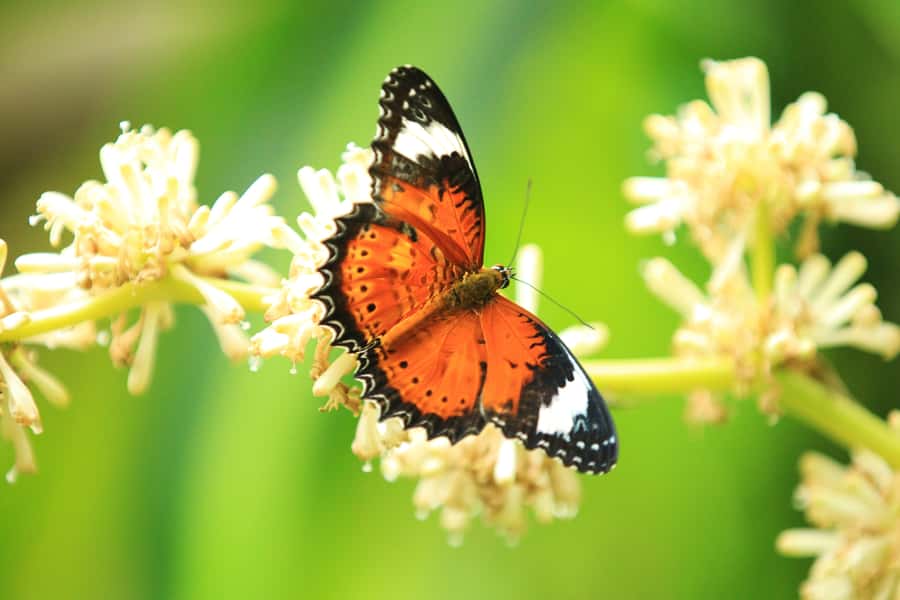
Your entry includes access to free guided tours. Ask about the times when you arrive, since the available schedule is not provided in advance.
The guided option is worth considering if you want help identifying species or understanding the butterfly life cycle. It also gives you a chance to ask about behavior and breeding rather than relying only on signs or your own observations.
Guide Nicole received especially warm praise for being enthusiastic, interesting, and welcoming. If she is leading a tour during your visit, I would join it. Her approach appears to suit visitors who want more than a quick walk through the aviary.
You can also explore on your own. That is useful if you arrive between tour times, have children who want to move slowly, or prefer to spend longer with particular butterflies. The self-guided format keeps the visit flexible, while the free tour adds context when you want it.
Same base, a completely different day out:
- Passions of Paradise Great Barrier Reef Cruise by Catamaran
★ 5.0 · 2,564 reviews - Cairns: Daintree Rainforest and Mossman Gorge Tour
★ 4.6 · 2,485 reviews - Cairns: Outer Edges of The Great Barrier Reef Scenic Flight
★ 4.9 · 2,376 reviews - Cape Tribulation, Mossman Gorge, and Daintree Rainforest Day Trip
★ 4.5 · 1,961 reviews
The museum adds a wider view of butterflies
Entry also includes the butterfly museum. The aviary shows you living local species, while the museum helps place them in a broader world context.
The supplied information does not list the museum’s individual displays, so I would treat it as a short educational addition rather than planning your whole visit around it. It is a sensible stop after the aviary and laboratory, especially if you want to compare local rainforest butterflies with species from other parts of the world.
The order is flexible. You might start with the aviary while your attention is fresh, visit the laboratory to see the life cycle behind the display, and finish in the museum. Or you can follow a guided tour first and then return to the parts you want to examine more closely.
How long to allow at Kuranda
The activity is listed as valid for one day, but no fixed visit length is given. That means you should plan it as one part of a broader Kuranda outing rather than assume it fills an entire day by itself.
Kuranda is reached by Skyrail cable car, Kuranda Scenic Railway, or private car. The sanctuary is at 8 Rob Veivers Drive in Kuranda, Queensland. If you arrive by one of the scenic transport options, keep the sanctuary’s location in mind when planning your time in the village.
You can visit before or after eating, since food and drink are not allowed inside the sanctuary. Kuranda Village has places to eat, so plan a meal outside the attraction. This rule is practical for protecting the butterflies and keeping the aviary clean, but it means you should not count on carrying a snack through the visit.
A half-day in Kuranda gives you room to combine the sanctuary with other village activities, though the exact amount of time you need depends on how long you spend watching the butterflies, joining a talk, and viewing the laboratory. If butterflies are a main interest, avoid rushing through in a tight connection.
Is $17 good value?
At $17 per person, the sanctuary is reasonably priced for a dedicated wildlife stop, especially because admission includes the aviary, breeding laboratory, museum, and free guided tours.
The value is strongest if you take time to understand the breeding work. A quick walk through the aviary may feel less satisfying if butterfly numbers happen to be low. The two three-star visits are a useful warning: conditions can affect how full the display feels, and you may not see the range you imagined.
On the other hand, the four and five-star experiences point to the parts that can make the visit worthwhile: friendly staff, close contact, a welcoming guide, and the unusual chance to watch butterfly breeding through viewing windows. Nicole’s guided presentation was singled out as a highlight, so asking about the tour schedule is a smart move.
The price also compares well for families, since the experience offers both visual excitement and a clear science lesson. Just remember that the $17 entry does not include food or drink, so budget for a meal or snack in Kuranda separately.
Heat, access, and practical comfort
The sanctuary is wheelchair accessible, which makes it available to a wider range of visitors. The experience is also described as all-weather, so it can serve as a useful plan when outdoor conditions are poor.
All-weather does not mean cool. One recent visit specifically found the sanctuary hot. The aviary is a tropical environment, and you should dress for warmth and comfort rather than assume it will feel like an air-conditioned gallery.
Light, comfortable clothing makes sense. A bright red, white, or hot pink top may help attract butterflies, but comfort should come first. Bring water for before or after the visit, since food and drink are not allowed inside.
The host and guided content are in English. If you need a guided explanation, take that into account before booking. The self-guided format still lets you look around at your own pace, but the included tour is English-language.
Who will enjoy this most?
I would recommend the sanctuary to anyone with a real interest in butterflies, rainforest wildlife, or hands-on natural science. It is especially well suited to families, since the flying butterflies provide instant visual appeal and the caterpillar laboratory gives children something concrete to study.
It also works well for photographers and anyone who enjoys slow observation. The best moments may come from waiting quietly for a butterfly to settle close by rather than racing through the aviary.
The experience is less ideal if you want a guaranteed wall of butterflies or a large number of different species every time. Recent visits found the display lighter than expected, so people with very specific expectations should keep that in mind.
I would also avoid squeezing it into a few spare minutes between transport connections. The sanctuary is flexible, but the laboratory, museum, and guided talk are part of the value. Give yourself enough time to notice more than the first burst of color.
Booking and planning advice
The sanctuary offers free cancellation up to 24 hours before the visit, with a full refund. You can also reserve now and pay later, which helps if your Kuranda plans depend on weather or transport availability.
Check the available starting times when booking, then ask about the free guided tour after you arrive. Tour timing is one of the few details that can change the shape of your visit.
If your day includes Skyrail or the Kuranda Scenic Railway, allow room for delays and for exploring Kuranda Village. The sanctuary is located within the village, not at a remote wildlife park, so it fits naturally into a broader day out.
Bring a camera, but do not let photos take over. The butterflies are moving subjects, and some of the best moments may be brief. Look for the Cairns Birdwing, watch the caterpillars in the laboratory, and take time to notice how different species behave.
Should you book the Australian Butterfly Sanctuary?
Book it if you want a gentle, educational wildlife experience in Kuranda, especially if you like butterflies and can spare enough time to explore the aviary, laboratory, and museum. The $17 price is fair, and the free guided tour can add real value, particularly if Nicole is leading it.
Go with realistic expectations. Butterfly numbers and species variety may not be the same every day, and the tropical aviary can feel hot. Wear a bright top, ask about tour times, and treat the sanctuary as a thoughtful stop within a full Kuranda day rather than a guaranteed spectacle.
FAQ
Where is the Australian Butterfly Sanctuary?
The sanctuary is located at 8 Rob Veivers Drive, Kuranda, Queensland 4881.
How much does admission cost?
The listed price is $17 per person.
How many butterflies are in the sanctuary?
The sanctuary is home to more than 1,500 tropical butterflies.
What type of butterflies will I see?
All butterflies in the sanctuary are local rainforest species. The Cairns Birdwing is the main highlight.
Can I see how the butterflies are bred?
Yes. You can view the breeding laboratory through special windows and see caterpillars at different stages of development.
How many caterpillars may be in the breeding laboratory?
The laboratory houses up to 4,000 caterpillars.
Are guided tours included?
Yes. Free guided tours are included with entry. Ask about the tour times when you arrive.
Can I eat or drink inside?
No. Food and drink are not allowed inside the sanctuary. Kuranda Village has places to eat before or after your visit.
How can I reach Kuranda?
You can travel to Kuranda by Skyrail cable car, Kuranda Scenic Railway, or by driving yourself.
Just added around Cairns
- Night Walk in Cairns Botanic Gardens – Let’s Go Buggin★ 5.0 · 153 reviews
- Ultimate Great Barrier Reef and Rainforest 45-minute Helicopter Tour★ 5.0 · 59 reviews
- Paronella Park and Millaa Millaa Falls Full-day Tour from Cairns★ 5.0 · 47 reviews
- Port Douglas Sunday Markets Day Tour★ 4.0 · 25 reviews
- Full Day Tour to Sunlover Cruises Moore Reef and Fitzroy Island★ 4.0 · 31 reviews
- Small-Group Afternoon Cairns City Tour with Harbour Dinner Cruise★ 4.5 · 32 reviews
- Skyrail Rainforest Cableway Day Trip from Cairns★ 4.5 · 228 reviews
- Full-day Tour at the Atherton Tablelands with Food Tasting★ 5.0 · 30 reviews
Cairns Tours, compared.

Great Barrier Reef Snorkeling and Diving Cruise from Cairns
Read our review →
Great Barrier Reef Cruise by Premium Catamaran
Read our review →
Self-Guided Kuranda Trip with Train and Skyrail
Read our review →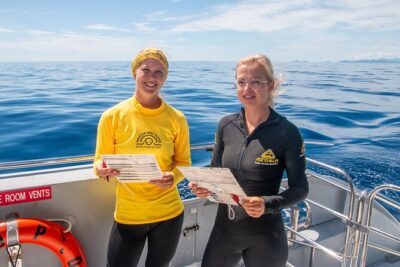
Passions of Paradise Great Barrier Reef Cruise by Catamaran
Read our review →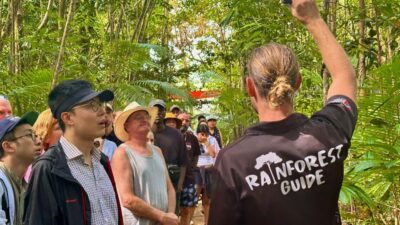

Outer Edges of The Great Barrier Reef Scenic Flight
Read our review →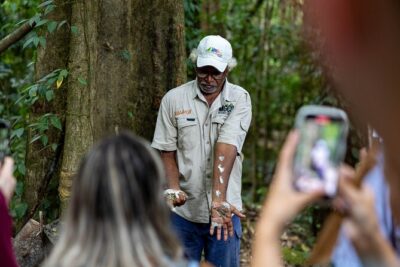
Cape Tribulation, Mossman Gorge, and Daintree Rainforest Day Trip
Read our review →
Ocean Freedom Great Barrier Reef Luxury Snorkel and Dive Cruise
Read our review →Browse the lists this tour appears in