
Review · HOBART TOURS
Hobart: Admission Ticket to Bonorong Wildlife Sanctuary
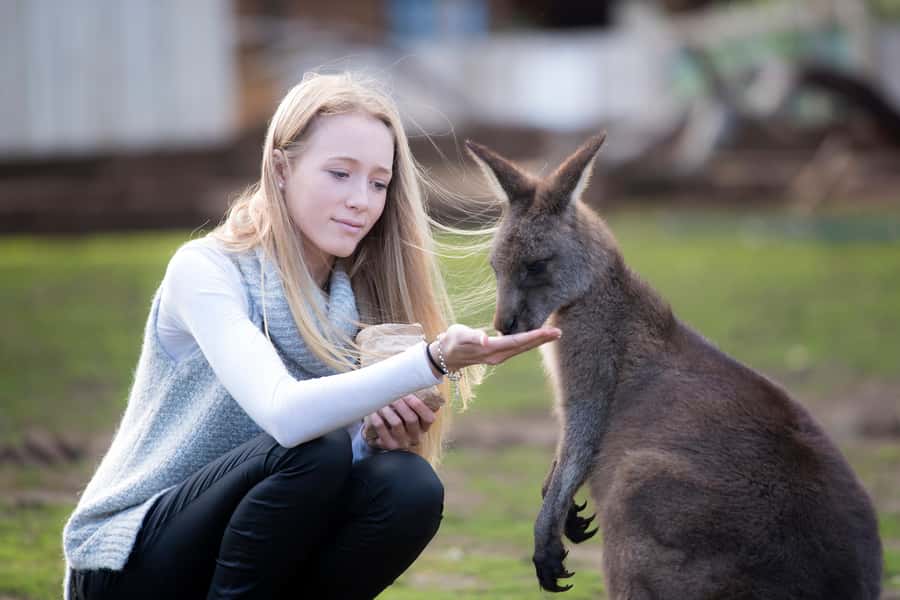
Bonorong’s biggest thrill is simple: you walk among free-roaming kangaroos, offering them food from the supplied bag while Tasmanian devils, wombats, echidnas, birds and other native animals wait nearby. The sanctuary also gives you a useful look at the work behind wildlife rescue, not just a quick animal encounter.
I like the chance to see species that are difficult to find elsewhere, especially Tasmanian devils, and I like that daily keeper talks explain why individual animals live at the sanctuary. The main drawback is exposure to the weather. On a hot, sunny day, shade can be limited, so bring sun protection and plan your visit around the guided talks.
Key points at a glance
- Feed kangaroos at close range: Your admission includes a bag of food for the kangaroos that move freely through part of the sanctuary.
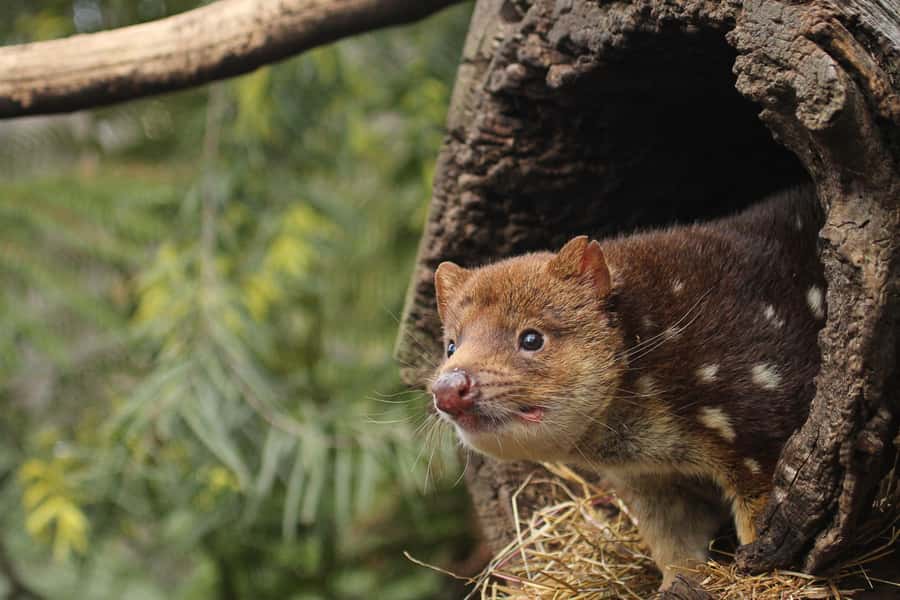
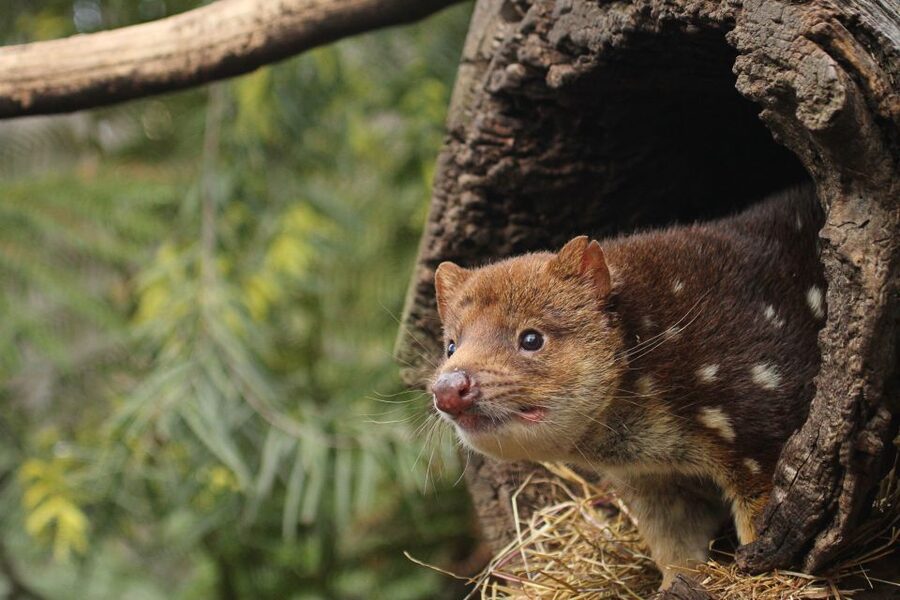
- See Tasmania’s famous species: Tasmanian devils, wombats, echidnas, eastern quolls, sugar gliders, parrots and kookaburras are among the animals you may encounter.
- Join daily keeper talks: English guided tours add context about each species, its threats and the reason some animals cannot return to the wild.
- Support wildlife rescue: Bonorong cares for injured, abandoned and endangered animals, including individuals with disabilities or injuries.
- Allow plenty of time: The ticket is valid for 365 days, but the practical value comes from spending a full day exploring and returning to favorite enclosures.
- Plan for comfort: Food and drinks are not included, though an on-site concession is available. Parking is included, and the sanctuary is wheelchair accessible.
Meeting Tasmania’s wildlife at Bonorong
Bonorong Wildlife Sanctuary is a good choice if you want more than a distant glimpse of Australian animals. The experience is built around close viewing and simple encounters, with the kangaroo area providing the most hands-on part of the visit.
You receive a bag of kangaroo food with admission. The animals roam freely within the sanctuary area, so you can approach calmly and offer food at close quarters. This is a memorable experience for children, first-time visitors to Australia and anyone who has always wanted to see a kangaroo without a fence between you.
The animals are still wild animals, not petting-zoo props. Follow keeper instructions, move slowly and give them space when they are resting or eating. You may find yourself returning to the kangaroo area several times, since the interaction is easy to enjoy at your own pace.
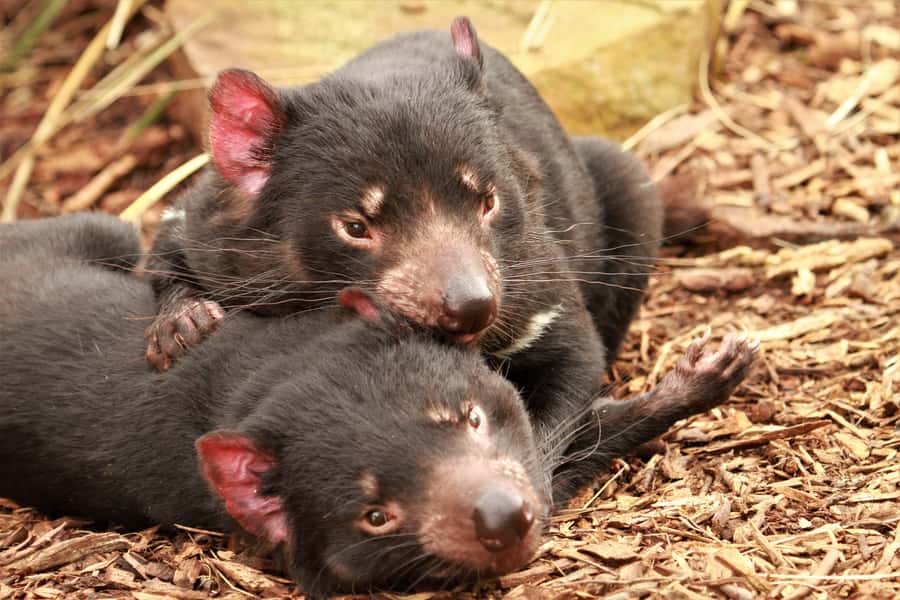
The other major reason to come is the chance to see a Tasmanian devil. These animals are strongly linked with Tasmania, but seeing one in the wild is far from guaranteed. At Bonorong, you have a much more reliable chance to observe them and learn about the pressures they face.
More wildlife days around Hobart:
- Day Tour in Mt. Field, Mt. Wellington, Bonorong Wildlife Sanctuary and Richmond
★ 5.0 · 735 reviews - From Hobart: Mt. Field, Mt. Wellington and Wildlife Day Tour
★ 4.8 · 261 reviews - Bonorong Wildlife Sanctuary Half-Day Tour from Hobart
★ 4.5 · 158 reviews
Why the keeper talks matter
The daily guided tours turn a pleasant animal visit into a more useful lesson in conservation. Instead of simply moving from enclosure to enclosure, you can hear how different species live, what threatens them and how people are trying to protect them.
The guides also explain the stories of individual animals. One guided experience described visits with a Tasmanian devil, echidna and wombat, including each animal’s name, age and reason for remaining at the sanctuary. That personal detail helps you understand that Bonorong is not simply collecting unusual animals.
Some animals are too young to survive alone. Others have injuries, disabilities or health problems that prevent release into the wild. The sanctuary gives these animals long-term care while also supporting wider efforts to protect Tasmania’s native wildlife.
Plan your visit around the talks rather than treating them as an optional extra. The exact timing and animal focus can vary, so check the schedule when you arrive. If you only wander through the grounds, you will still see plenty, but you will miss much of the explanation that gives the visit its purpose.
The Tasmanian devil encounter
For many people, the devil is the main reason to visit. Bonorong offers a close look at this compact, powerful marsupial and a chance to understand it beyond its dramatic name.
Keeper explanations are particularly helpful here. You can learn about the animal’s behavior and the conservation problems affecting the species, then connect that general information with the specific devil in front of you.
The devil encounter is not necessarily a long show. It is better viewed as a focused keeper talk, where the animal’s welfare comes first. That approach may feel less theatrical than a standard zoo presentation, but it fits the sanctuary’s role.
If this is your priority, arrive with enough time to check the day’s tour schedule. A guided session can make the difference between simply spotting a devil and understanding why the animal matters.
Wombats, echidnas, quolls and gliders
Bonorong’s collection includes several animals that are easy to overlook when you are focused on kangaroos and devils. Wombats offer the chance to see one of Australia’s sturdy burrowing marsupials at close range, while echidnas provide a look at one of the country’s most unusual mammals.
The eastern quoll and sugar glider add variety. These animals are smaller and may require more patience to spot, but they help show how varied Tasmania’s native fauna is. You may also see parrots and kookaburras, adding plenty of birdlife to the visit.
The sanctuary cares for animals that might not survive without human help. That means the setting is not designed simply to provide a perfect wildlife sighting every minute. Some animals may be resting or less active, and the experience is stronger when you take time to observe rather than rush from one enclosure to the next.
Good access and clear views are helpful for photography. Still, avoid expecting every animal to pose. Bring a camera, but pay attention to the keeper talks and animal behavior too.
A few more Hobart half-days to weigh up
- Bruny Island Food, Sightseeing, Guided Lighthouse Tour & Lunch
★ 5.0 · 2,989 reviews - Full-Day Guided Bruny Island Tour from Hobart
★ 5.0 · 1,331 reviews - kunanyi/Mt Wellington Explorer Bus- Return Tour (2.5 hours)
★ 5.0 · 1,249 reviews - Hobart: Bruny Island Food, Sightseeing & Lighthouse Day Tour
★ 4.8 · 960 reviews
A sanctuary, not a conventional zoo
The distinction matters. Bonorong’s purpose is tied to rescue, rehabilitation and protection of Tasmania’s wildlife. The animals in its care may be too young, injured or otherwise unable to return safely to the wild.
That mission gives the visit more weight. You are not only looking at animals from another part of the world. You are also seeing how a sanctuary responds when native wildlife is hurt, abandoned or threatened.
One particularly interesting aspect is the animal hospital. A visit may give you a view of veterinary work, and one account described seeing staff examine and operate on injured animals. This is not something to assume will happen during every visit, but it shows the practical side of the sanctuary’s work.
The setting can also help you think about conservation in direct terms. A keeper can explain why one animal can be released while another must remain under care. Those individual cases make animal protection easier to understand than a general sign filled with statistics.
How to plan your day
Although the ticket is valid for 365 days, that does not mean you need to spend a year deciding when to go. For most people, Bonorong works best as a dedicated day visit from Hobart.
Admission includes access to the sanctuary, a bag of kangaroo food, daily guided tours and on-site parking. Food and drinks are not included, although there is a concession on site. One account praised the food there, but bring your own expectations and allow for the fact that meals are an additional cost.
There is no transfer included, so you need to arrange your own way to the sanctuary. Parking is provided if you drive. The information supplied does not specify a transfer service or public transport arrangement, so check your route before setting out.
The sanctuary is wheelchair accessible. You should still allow extra time if you need a slower pace, since the visit involves moving between animal areas and guided sessions.
A simple plan works well:
- Check the daily guided-tour times on arrival.
- Attend a keeper talk that covers animals you most want to see.
- Visit the kangaroo area while you have plenty of time.
- Return to favorite animals later, since activity can change through the day.
- Leave time for the concession, gift shopping or a second walk through the grounds.
The main practical issue is shade. A January visit was described as hot and sunny, with a wish for more shaded areas. Wear a hat, use sunscreen and carry water if permitted under the sanctuary’s current rules. Comfortable shoes will also help during a full visit.
Is the $25 admission good value?
At $25 per person, the ticket is reasonably priced for a full day built around native wildlife and conservation. The value is strongest if you attend at least one guided tour and spend time with the kangaroos, rather than making a quick stop for a single devil sighting.
You are also paying for more than access to animals. The admission supports a sanctuary caring for injured and endangered wildlife, including animals that cannot survive independently. That does not make every enclosure equally exciting, but it adds purpose to the experience.
Families can get strong value from the ticket because the kangaroo feeding is hands-on and easy to understand. People visiting Tasmania for the first time also get a compact introduction to several distinctive Australian species in one place.
The price is less compelling if you want a highly polished, scheduled show with guaranteed activity at every enclosure. Bonorong is a working sanctuary. Animal behavior, weather and keeper duties shape the day.
What the experience is like for families
Bonorong suits families particularly well. Feeding kangaroos gives children something active to do, while the devil, wombat and echidna talks add short lessons without requiring a long museum-style attention span.
You can also make the visit flexible. If younger children lose interest in a talk, you can continue walking and return to the animals later. The sanctuary’s close viewing areas make it easier for children to notice details such as movement, fur and feeding habits.
Keep your own expectations realistic. A hot day, limited shade or a less active animal can affect the rhythm of the visit. Sun protection, water and breaks will help, especially if you intend to stay for several hours.
The experience also works well for adults. The conservation message is clear, and the chance to see Tasmanian devils and other unusual species gives the visit more substance than a simple photo stop.
Photography and animal etiquette
Bonorong offers many good photo chances, particularly with kangaroos and the larger animals. You can capture animals at close range, but avoid treating the sanctuary like a set where every subject must perform.
Keepers are there to protect the animals and explain their needs. Listen before feeding, use only the provided food and never try to touch an animal unless staff make it clear that this is allowed.
The supplied information specifically prohibits smoking and vaping anywhere within the sanctuary. Skateboards, rollerblades, bicycles, tricycles and sporting equipment are also not allowed because they may endanger animals or people.
You cannot bring animals onto the property without permission, including assistance dogs. Contact the sanctuary before arrival if this affects your plans, since the rule is stated clearly and exceptions require approval.
Booking flexibility and practical details
The ticket offers free cancellation up to 24 hours before the booked time for a full refund. You can also reserve now and pay later, which helps if your Hobart plans are still shifting.
The ticket is valid for 365 days, with availability and starting times shown during booking. Treat that as useful flexibility rather than a promise that every date or tour time will be identical.
The host or greeter service is in English, and the daily guided tours are conducted in English. If you need information in another language, the supplied details do not list additional language options.
The sanctuary is wheelchair accessible, but the information does not give specific details about every path, enclosure or facility. If you have particular mobility needs, confirm the current arrangements before you go.
Who should book Bonorong?
I would choose this experience if you want close contact with Australian wildlife, especially kangaroos and Tasmanian devils. It is also a strong pick if you care about rescue work and want a keeper to explain why some animals need lifelong protection.
Families, first-time visitors to Tasmania, wildlife photographers and anyone curious about conservation should find plenty here. The flexible format lets you spend more time with the animals that interest you most.
I would think twice if you dislike outdoor visits, hot sun or animal encounters that depend on natural behavior. You should also allow for extra spending on food and make your own transport plans, since neither is included.
For $25, Bonorong gives you a close look at Tasmania’s wildlife and the people working to protect it. Book it if feeding kangaroos and understanding the lives of rescued animals sound more appealing than a quick, polished animal show.
FAQ
How much does admission to Bonorong Wildlife Sanctuary cost?
The listed price is $25 per person.
How long is the ticket valid?
The ticket is valid for 365 days. Check availability for the relevant starting times.
Does admission include kangaroo food?
Yes. Admission includes a bag of food for feeding the free-roaming kangaroos.
Are guided tours included?
Yes. Your ticket includes access to daily guided tours in English.
Can I see Tasmanian devils?
Tasmanian devils are among the animals at Bonorong, and the guided experience can include learning about them. A specific tour may focus on a Tasmanian devil, echidna and wombat.
Is parking included?
Yes. On-site car parking is included.
Are food and drinks included?
No. Food and drinks are not included, although an on-site concession is available.
Is the sanctuary wheelchair accessible?
Yes. Bonorong Wildlife Sanctuary is listed as wheelchair accessible.
Can I bring a dog or other animal?
Animals cannot be brought onto the property without permission, including assistance dogs. Contact the sanctuary in advance if this applies to you.
Just added around Hobart
- Shore Excursion-Hobart Wanderer★ 5.0 · 87 reviews
- Old Hobart Pub Walking Tour★ 4.5 · 91 reviews
- kunanyi/Mt Wellington Tour and MONA Admission★ 4.5 · 69 reviews
- kunanyi/Mt Wellington Ultimate Experience Tour from Hobart★ 4.5 · 83 reviews
- Mt Field National Park and Russell Falls from Hobart★ 5.0 · 49 reviews
- Maria Island Ferry – Hobart Bus Connection (Return Service)★ 5.0 · 23 reviews
- Hobart: Mt. Field, Mt Wellington & Wildlife – Active Day Tour★ 5.0 · 112 reviews
- Hobart Sightseeing Cruise including Iron Pot Lighthouse★ 5.0 · 184 reviews
Hobart Tours, compared.
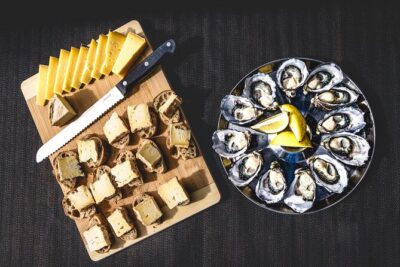
Bruny Island Food, Sightseeing, Guided Lighthouse Tour & Lunch
Read our review →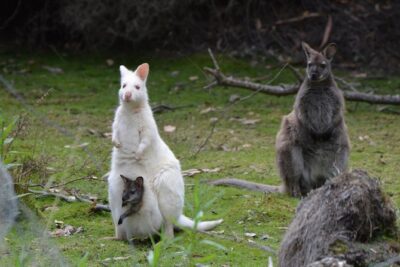
Full-Day Guided Bruny Island Tour from Hobart
Read our review →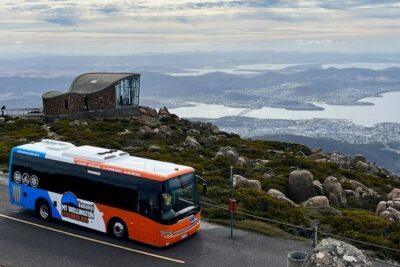
kunanyi/Mt Wellington Explorer Bus- Return Tour (2.5 hours)
Read our review →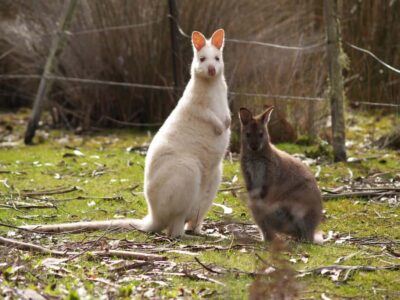
Bruny Island Food, Sightseeing & Lighthouse Day Tour
Read our review →
Bruny Island Traveller – Gourmet Tasting and Sightseeing Day Trip from Hobart
Read our review →
Browse the lists this tour appears in