
Review · HOBART TOURS
Grand Hobart Walking Tour
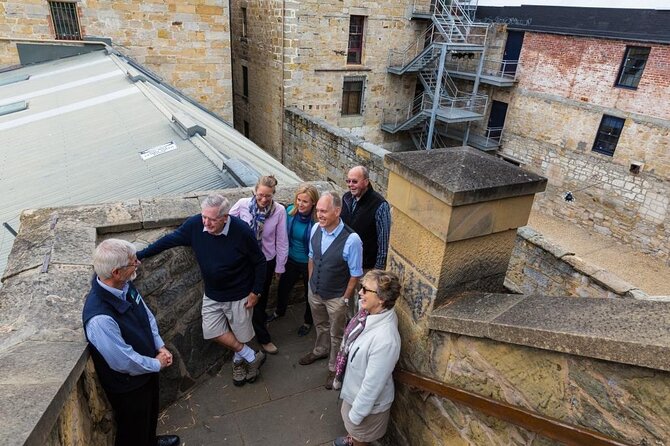
Hobart’s past is written in sandstone walls and narrow old streets, and this three-hour walk gives you a useful introduction to the city without sending you far from the center. You’ll move from Hobart’s early colonial story into Battery Point and finish among Salamanca Place’s old warehouses, now home to galleries, offices, and restaurants.
I like the route for two clear reasons: it joins three central areas in one outing, and it mixes famous sights with small details you could easily miss on your own. Guides such as Richard, Diane, Tony, and Di are praised for their storytelling and practical tips. The main drawback is that the tour depends on good weather and may feel slow if you prefer grand sights over local history.
Key Points at a Glance
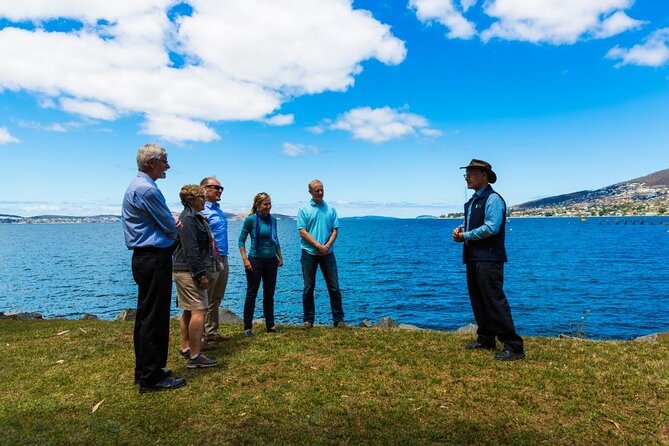
- A compact introduction to Hobart: Three hours covers the central city, Battery Point, and Salamanca Place.
- Colonial-era architecture: See sandstone buildings dating back roughly 180 years, including Salamanca’s former warehouses.
- A small group setting: The maximum group size is 12, which allows more room for questions and conversation.
- Guides shape the experience: Diane, known as Di, Richard, and Tony have all been praised for warmth, humor, facts, and useful local suggestions.
- A practical finish: The walk ends at Salamanca Place, close to restaurants, galleries, and the Saturday market.
- Good value at $43.03: You pay for three hours with a local guide, but food, drinks, and hotel transport are not included.
Why This Walk Works as a First Look at Hobart
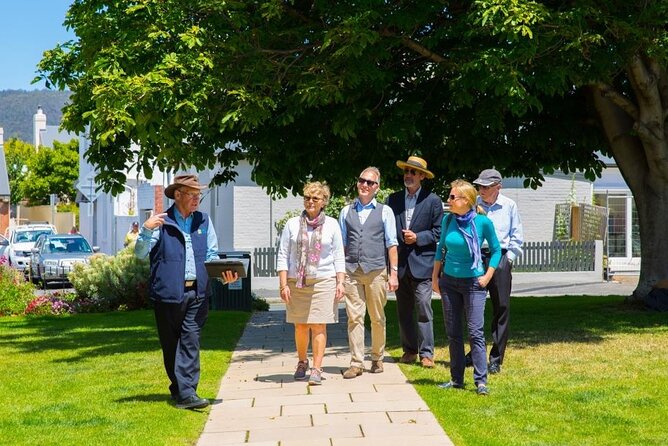
The best reason to book this tour is simple: you get the city’s main historic quarter explained in a sensible order. Rather than visiting one isolated building, you walk through the places that show how Hobart grew from a colonial settlement into the Tasmanian capital you see today.
The tour begins at the Tasmanian Travel and Information Centre on Davey Street at 2:00 pm. That timing is useful if you have spent the morning sightseeing, arrived in Hobart by ship, or want a guided introduction before choosing where to eat and what to visit next.
Hobart was founded in 1803 and is Australia’s second-oldest city after Sydney. Those dates mean more when you are looking at the actual buildings connected with the early settlement. Your guide explains the people and disputes that influenced Tasmania’s first years, then links those stories to present-day landmarks.
I like this approach because the city does not need a long bus ride to explain itself. The central streets, Battery Point, and Salamanca Place are close enough to connect on foot. You get a clear sense of the city’s layout while learning why the older buildings still matter.
More walking tours in Hobart:
- Maria Island Cruise and Guided Walk Day Tour with Lunch and Drinks
★ 5.0 · 617 reviews - Hobart History, People & Places – 2 hour city walk
★ 5.0 · 224 reviews - Old Hobart Pub Walking Tour
★ 4.5 · 91 reviews
Hobart’s Early Streets and Colonial Story
The first part of the walk focuses on central Hobart and its early development. You can expect a mix of present-day landmarks, heritage-listed buildings, and stories about colonial Tasmania.
The value here is context. A sandstone façade can look attractive without saying much to you. With a guide explaining when it was built, how the settlement developed, and which people shaped local affairs, the buildings become part of a larger story.
This is not presented as a museum visit with long indoor stops. It is an outdoor city walk, so the experience depends on your guide’s ability to keep the history clear and lively. The strongest feedback points to guides who do exactly that. Richard is praised for making three hours pass quickly, while Diane is described as engaging, inclusive, and keen to involve everyone in the story.
That personal style matters. A walking tour can turn into a list of dates if the guide simply recites facts. Here, the best version of the experience appears to use questions, conversation, humor, and links to modern Hobart.
You should still set realistic expectations. The city section is designed to explain Hobart, not to provide entry into every major attraction. If you want galleries, museums, or historic interiors, you may need to visit them separately after the walk.
Battery Point: Old Hobart at Street Level
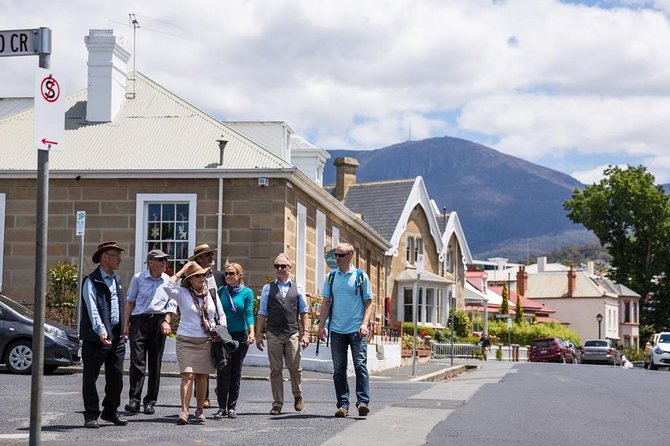
Battery Point is the tour’s strongest chance to see Hobart’s older character in a relaxed setting. The neighborhood includes sandstone buildings, some around 180 years old, and streets that help you picture the city before modern development reshaped it.
Walking is important here. You see more than you would from a vehicle because the guide can point out details at close range and pause when a building or street corner helps explain the area. You also get time to notice the contrast between preserved heritage buildings and the homes and businesses of modern Hobart.
This part suits you if architecture and local stories matter more than ticking off major attractions. The buildings are the attraction, but the guide’s explanation gives them purpose. Diane, or Di, receives especially warm praise for her enthusiasm, humor, and ability to make the walk feel social rather than formal.
Di’s practical suggestions are another plus. One participant followed her advice and later enjoyed dinner at the Shipwright’s Arms Hotel. That is the sort of help that makes a walking tour useful beyond its scheduled three hours. A good guide can point you toward places to return to, not just explain what you have already seen.
The trade-off is that Battery Point may not satisfy someone looking for a highly dramatic sight. This is a neighborhood walk, not a cliff-top view or a grand palace tour. Its appeal comes from small architectural details, street patterns, and the feeling of moving through an older part of Hobart at a human pace.
Salamanca Place and Its Former Warehouses
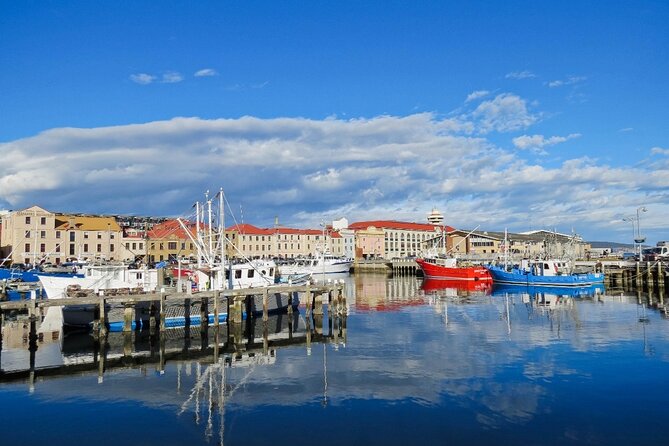
The route continues to Salamanca Place, where old sandstone warehouses form one of Hobart’s most recognizable historic areas. These buildings once served practical commercial purposes. Today, they hold art galleries, offices, and restaurants.
That change gives the stop a useful modern angle. You are not looking at a preserved quarter frozen in time. You are seeing old buildings still used by the city, with new life inside their colonial-era walls.
Salamanca Place is also the tour’s ending point, which makes the timing convenient. Once the walk finishes, you can stay in the area for a meal, browse the galleries, or continue exploring on your own. The Saturday Salamanca Markets bring several hundred vendors selling art, fresh food, and handicrafts, although the tour itself does not include market purchases or food.
If you are in Hobart on a Saturday, the market detail may shape your plans. The walking tour begins at 2:00 pm and ends at Salamanca Place, so you should not assume the market will still be operating when the walk finishes. The information provided does not give market hours, so check locally if the market is a major reason for your visit.
Salamanca is also a good final stop because it gives the tour a more lively finish than a return to the starting point. You end near places where you can continue your afternoon without arranging another transfer.
A few more Hobart half-days to weigh up
- Bruny Island Food, Sightseeing, Guided Lighthouse Tour & Lunch
★ 5.0 · 2,989 reviews - Full-Day Guided Bruny Island Tour from Hobart
★ 5.0 · 1,331 reviews - kunanyi/Mt Wellington Explorer Bus- Return Tour (2.5 hours)
★ 5.0 · 1,249 reviews - Hobart: Bruny Island Food, Sightseeing & Lighthouse Day Tour
★ 4.8 · 960 reviews
Guides Make the Difference
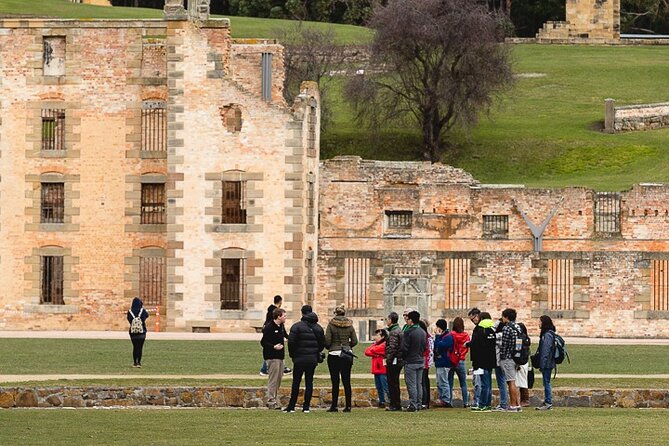
This tour’s strongest feature is the person leading it. The guide names connected with especially positive feedback include Richard, Diane, also called Di, and Tony.
Richard is praised for his facts and for showing the group interesting parts of Hobart that might otherwise be missed. Diane is repeatedly valued for her enthusiasm, humor, and effort to include everyone. Tony receives praise for his passion for Hobart, especially on a longer version of the walk.
That does not mean every departure will feel identical. A walking tour changes with the guide, group, weather, and your own interests. Still, the guide-led format gives you something a self-guided route cannot: a local person choosing which details are worth your attention and answering questions as you go.
The group limit of 12 is helpful. It is small enough for the guide to speak without shouting and for you to ask questions without holding up a large crowd. It also makes the social side of the walk easier, though you should not book it expecting a private tour.
The overall rating is 4.8 out of 5, with 96 percent recommending the experience. Those numbers support the view that the guide quality is usually a major strength. One less positive experience described the tour as boring, so your enjoyment will depend partly on how much you like a slower, story-based walk.
Is Three Hours Enough?
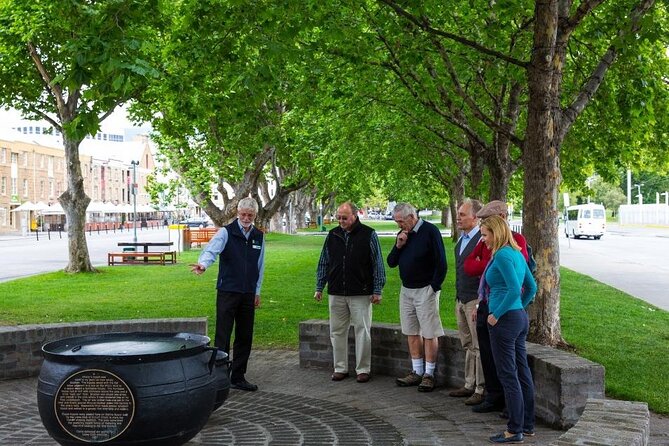
Three hours is a useful length for this route. You get enough time to connect Hobart, Battery Point, and Salamanca Place, but the tour should not consume your entire day.
I would place it early in a Hobart visit if possible. The walk can help you understand the center, then you can return to the areas or restaurants that caught your interest. Di’s recommendation of the Shipwright’s Arms Hotel shows how a local guide can add value after the official route ends.
The tour is also suitable for people who have visited Hobart before. One participant had been to Tasmania and Hobart many times and chose the walk after seeing many of the usual attractions. That is a useful clue: the experience is not only for first-time visitors. It can reveal overlooked details even when you already know the main sights.
Still, you should be comfortable walking outdoors for roughly three hours. The information does not state the exact distance, number of steps, or rest stops, so ask the operator if those details matter to you. Most people can participate, and service animals are allowed, but the route is not described as fully accessible in every detail.
Price, Group Size, and What You Get
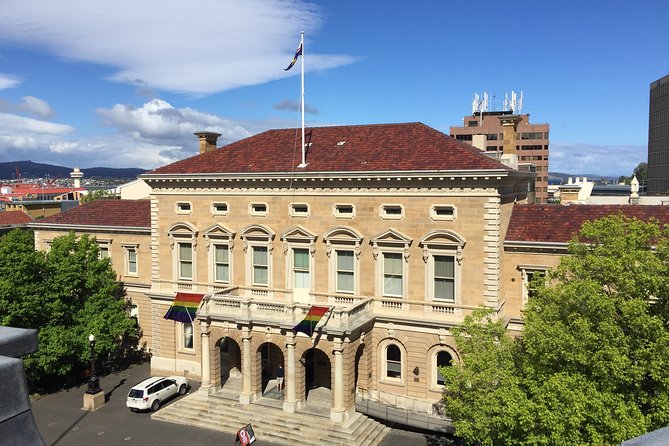
At $43.03 per person, the tour offers reasonable value if you want local interpretation rather than a simple route map. The price covers about three hours with a local guide and a small group capped at 12.
You do not receive food, drinks, hotel pickup, or hotel drop-off. That keeps the cost focused on the walking experience, but you need to reach the meeting point yourself and budget separately for lunch, coffee, or a post-tour meal.
The starting point is the Tasmanian Travel and Information Centre, 20 Davey Street. The end is Salamanca Place. Since the tour finishes in a useful central area rather than returning to the start, the one-way format can save you a little backtracking.
A mobile ticket makes the booking easy to carry, and confirmation is provided at booking. Children must be accompanied by an adult. The tour is near public transport, which helps if you are staying outside central Hobart.
The tour is often booked 51 days ahead on average. That does not guarantee it will sell out, but it suggests you should reserve early if your Hobart schedule is fixed, especially for a particular afternoon or guide.
Weather and Walking Comfort
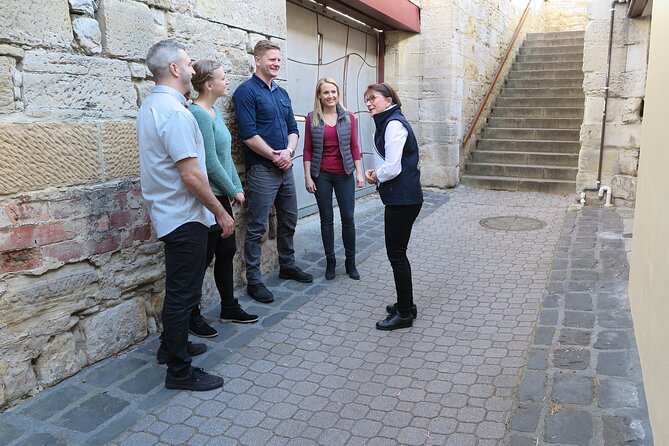
Weather is the biggest practical concern. The route is outdoors, and heavy rain can spoil the second half or cause you to leave early. One person had to abandon the walk when rain became severe and return to a ship.
That complaint does not necessarily point to a problem with the route. It does show why you should check the forecast and dress for changeable conditions. Bring suitable walking shoes and rain protection, especially if the tour is an important part of a short Hobart visit.
The start time of 2:00 pm gives you some flexibility, but it also means conditions can change during the afternoon. If you are visiting from a cruise ship, leave enough time to reach the meeting point and return to the ship after the walk. Hotel pickup and drop-off are not provided.
The tour requires a minimum number of participants. If that minimum is not reached and the operator cancels, you will be offered another date or experience, or receive a full refund.
Who Should Book the Grand Hobart Walking Tour?
I would recommend it most strongly to:
- First-time visitors who want Hobart explained in one afternoon.
- Repeat visitors who have already seen the main attractions and want more local detail.
- People who enjoy historic buildings, neighborhood walks, and stories about early settlement.
- Cruise passengers who want a central, guided outing without arranging transport.
- Families with children who can manage an outdoor walk, provided an adult accompanies each child.
- Anyone who likes ending near restaurants, galleries, and Salamanca Place.
I would be more cautious if you dislike walking, need guaranteed indoor shelter, or prefer a tour built around major interiors and dramatic sights. The experience is about streets, buildings, and interpretation. It will not replace a visit to Hobart’s museums or other ticketed attractions.
Should You Book It?
Book the Grand Hobart Walking Tour if you want a clear, small-group introduction to Hobart’s central historic areas. The combination of the early city story, Battery Point’s old sandstone buildings, and Salamanca Place gives you a strong sense of how Hobart developed.
The best reason to choose it is the guide-led detail. Richard, Di, Diane, and Tony are associated with warm, engaging tours, useful suggestions, and a strong feel for Hobart. At $43.03, that personal explanation is fair value.
Skip it if rain is likely and your schedule has no room for a disrupted walk, or if your idea of sightseeing requires grand interiors and constant movement. For most history-minded visitors, though, this is a practical way to get your bearings and notice the parts of Hobart you might otherwise pass by.
FAQ
Where does the Grand Hobart Walking Tour start?
It starts at the Tasmanian Travel and Information Centre, 20 Davey Street, Hobart.
What time does the tour begin?
The stated start time is 2:00 pm.
Where does the tour finish?
The walk ends at Salamanca Place, Salamanca Place, Hobart.
How long does the tour last?
The tour lasts approximately three hours.
Is hotel pickup included?
No. Hotel pickup and drop-off are not included, so you must make your own way to the meeting point.
Can I cancel for a full refund?
Yes. You can cancel at least 24 hours before the local start time for a full refund. Cancellations or changes made within 24 hours are not refunded or accepted.
Just added around Hobart
- Shore Excursion-Hobart Wanderer★ 5.0 · 87 reviews
- Old Hobart Pub Walking Tour★ 4.5 · 91 reviews
- kunanyi/Mt Wellington Tour and MONA Admission★ 4.5 · 69 reviews
- kunanyi/Mt Wellington Ultimate Experience Tour from Hobart★ 4.5 · 83 reviews
- Mt Field National Park and Russell Falls from Hobart★ 5.0 · 49 reviews
- Maria Island Ferry – Hobart Bus Connection (Return Service)★ 5.0 · 23 reviews
- Hobart: Mt. Field, Mt Wellington & Wildlife – Active Day Tour★ 5.0 · 112 reviews
- Hobart Sightseeing Cruise including Iron Pot Lighthouse★ 5.0 · 184 reviews
Hobart Tours, compared.

Bruny Island Food, Sightseeing, Guided Lighthouse Tour & Lunch
Read our review →
Full-Day Guided Bruny Island Tour from Hobart
Read our review →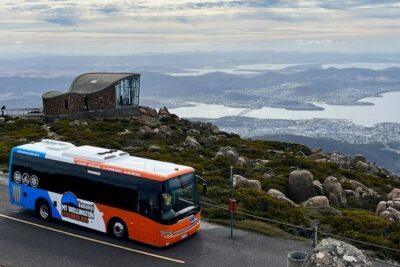
kunanyi/Mt Wellington Explorer Bus- Return Tour (2.5 hours)
Read our review →
Bruny Island Food, Sightseeing & Lighthouse Day Tour
Read our review →

Bruny Island Traveller – Gourmet Tasting and Sightseeing Day Trip from Hobart
Read our review →

Browse the lists this tour appears in