
Review · GOLD COAST TOURS
Gold Coast Tandem Skydive
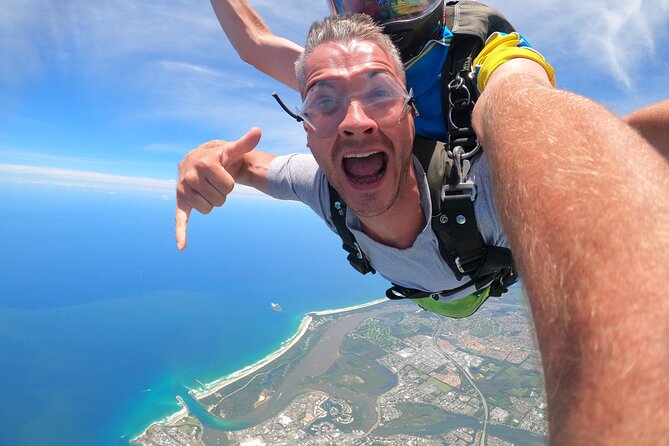
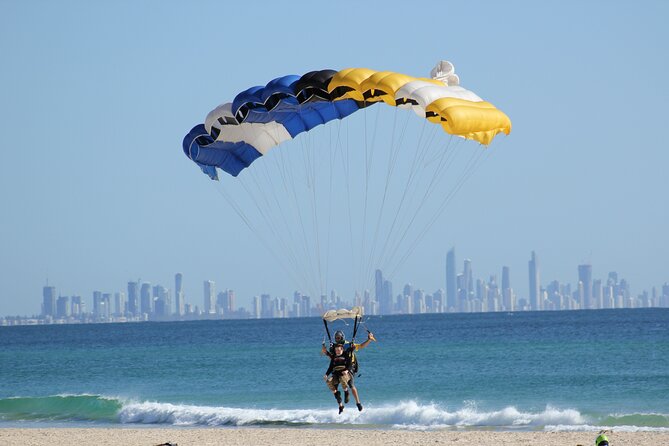
The best part of this Gold Coast experience is the finish: after a short, intense freefall, you float back toward Kirra Beach and touch down on soft sand. From the aircraft, you’ll see the coastline, Pacific Ocean, and famous beaches from a viewpoint no lookout can match. I especially like the combination of 45 seconds of freefall and four to five quiet minutes beneath the parachute. The beach landing also gives the day a memorable sense of place.
I also like the small group size, with no more than five participants, and the instructors’ calm, playful approach. Names praised in the feedback include Adam, Germain, Luke, Rolly, and Mike, though you cannot choose a particular instructor from the information provided. The main consideration is weather: wind and cloud can cause delays or rescheduling, so do not schedule this too tightly before an important flight or connection.
Key points at a glance
- 12,000-foot target altitude: The usual advertised height is up to 12,000 feet, though air traffic control can limit some jumps to 10,000 feet.
- 45 seconds of freefall: You’ll reach roughly 220 kilometres per hour before your instructor opens the parachute.
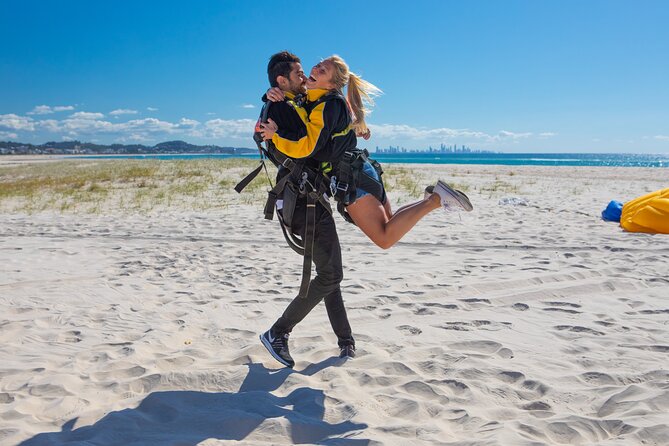
- Kirra Beach landing: The jump ends on one of the Gold Coast’s broad sandy beaches.
- Short ground training: A briefing of about 15 minutes covers the harness, aircraft exit, body position, and landing.
- Small groups: The activity is limited to a maximum of five participants.
- Weather affects the schedule: Poor conditions can lead to a new date or a full refund.
The Gold Coast from 12,000 feet
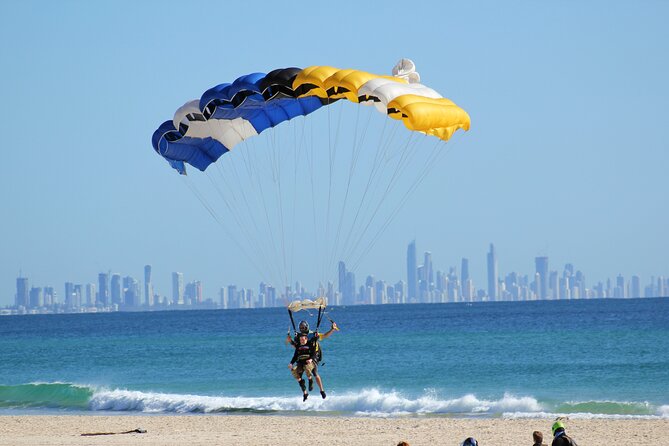
A beach skydive is a strong fit for the Gold Coast because the setting does much of the storytelling. From high above the coast, you’ll see the long line of beaches, the Pacific Ocean, and the city’s broad sweep before the ground begins rushing toward you.
The aircraft leaves from the international airport area near Coolangatta. That detail matters because your ascent is part of the experience, not just a ride to the jump point. As the aircraft climbs, you have time to look out at the coast and settle into the strange reality of what you are about to do.
The planned exit height is up to 12,000 feet, but the actual height can be between 10,000 and 12,000 feet. The operator works beside an international airport, so air traffic control decides the permitted altitude on a particular flight. If getting the highest possible exit is important to you, understand this limit before booking.
At 10,000 feet, the freefall will be shorter than at 12,000 feet. It is still a serious rush, but the difference matters to experienced jumpers and to anyone comparing prices closely. The advertised description does explain the range, so you should treat 12,000 feet as a maximum, not a guarantee.
A few more Gold Coast half-days to weigh up
- Surfers Paradise, Gold Coast Jet Boat Ride: 55 Minutes
★ 5.0 · 1,499 reviews - Surfers Paradise: 2 Hour Surf Experience on the Gold Coast
★ 4.9 · 1,132 reviews - Moreton Island: Dolphin & Tangalooma Wrecks Snorkel Cruise
★ 4.5 · 1,039 reviews
From a 15-minute briefing to the aircraft
The ground training lasts about 15 minutes. You’ll learn how the equipment works, how to position your body during freefall, what happens when you leave the aircraft, and what to do as you approach the beach.
That briefing is short by design. You are not learning to operate a parachute yourself. Your instructor handles the technical work, while you follow simple instructions and keep your body in the correct position.
I would pay close attention here, even if your instructor keeps things light with jokes. Several instructors, including Germain, Luke, Adam, and Rolly, are praised for calming nervous first-timers. One person described Luke tapping a shoulder and helping correct body position after an unsettled exit. That is useful context: the first few seconds can feel chaotic, but your instructor is there to guide you through them.
You are attached securely to your instructor by a tandem harness before boarding. The aircraft ride then takes you upward from the airport. The group limit of five helps keep the operation relatively compact, though the full activity still takes about two and a half hours. Allow time for preparation, aircraft movement, the jump itself, landing, and return to the meeting point.
The meeting address is 18 Coyne Street, Coolangatta, and the activity ends there as well. The location is near public transportation, and the operator notes that service animals are allowed. Confirmation is provided when you book, and the ticket is mobile, so you can keep the booking on your phone.
The freefall over the beach
At the aircraft door, the abstract fear becomes very real. You are harnessed to your instructor, positioned for the exit, and then suddenly outside the plane.
The freefall lasts about 45 seconds. That may sound brief, but at a reported speed of around 220 kilometres per hour, it is plenty of time to feel the force of the air and see the coast spread below you. Some people close their eyes at first. That is normal, but try to open them as soon as you can. The view is a major part of what you are paying for.
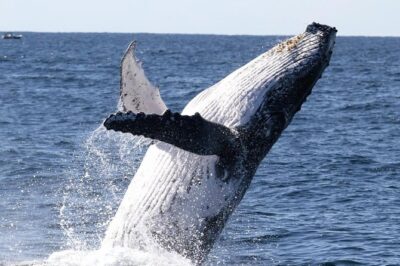
The Gold Coast setting gives this jump more visual interest than a plain inland drop zone. You may look across beaches and ocean, with clouds rushing past as you fall. One especially memorable account described seeing whales breach during the jump. That is not something you can count on, but it shows how much the view can add when conditions are clear.
The freefall is the loud, physical part of the experience. You are not quietly admiring the scenery yet. Your job is to listen to your instructor, hold your position, and let the harness and instructor manage the mechanics.
This is also why instructor quality matters so much. The strongest feedback repeatedly points to calm explanations, humor, and a sense of security. Instructors mentioned by name include Adam, Germain, Luke, Rolly, and Mike. The staff are not just there to operate the equipment. They set the mood before the jump and help you recover your composure after the exit.
Four to five minutes beneath the parachute
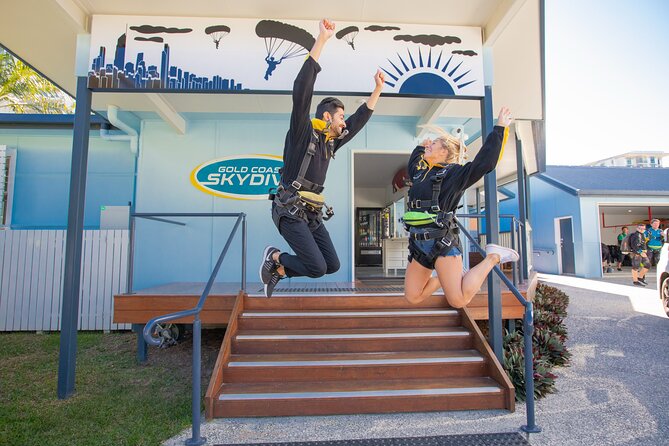
Once the parachute opens, the experience changes completely. The noise and speed give way to a slower ride lasting about four to five minutes.
This is when you can properly take in the Gold Coast. Look toward the beaches, the ocean, and the city. Your instructor may guide the parachute while explaining what you are seeing, but the supplied information does not promise a narrated sightseeing flight, so treat the scenery as your main opportunity to absorb the place.
The parachute section also gives you time to settle your breathing. If the aircraft exit was the part you feared most, this is the calm payoff. You’ll still be high above the ground, but the sensation is more like floating than falling.
Photos and video are available for an extra charge when you arrive at the office. They are not included in the base price. This is worth deciding before the day begins: if you want a permanent record of the jump, budget for the add-on. Several people specifically valued having images and video afterward, but the package cost is not provided, so ask for the current price before committing.
Same base, a completely different day out:
- Gold Coast: Australian Outback Spectacular Dinner & Show
★ 4.6 · 974 reviews - Whale Watching Tour with Spirit of Gold Coast
★ 4.5 · 884 reviews - Gold Coast: SkyPoint Observation Deck Ticket
★ 4.5 · 805 reviews - Movie World, Sea World, Wet’n’Wild & More – 5 Day Pass
★ 4.4 · 753 reviews
Touching down on Kirra Beach
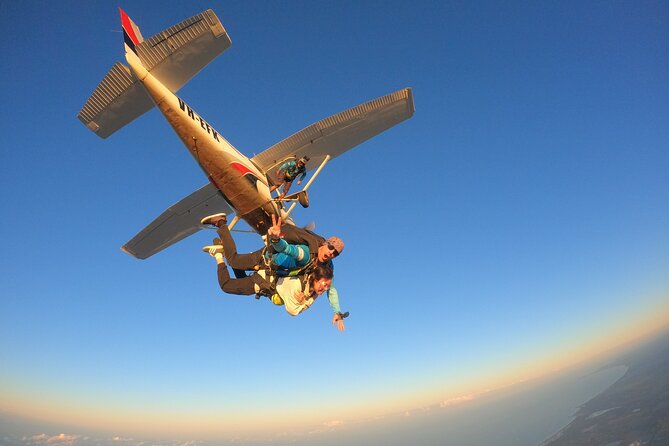
The jump finishes with a landing on Kirra Beach. That beach arrival is one of the experience’s best details because it places you directly in the setting that made the Gold Coast a popular holiday destination in the first place.
Your instructor controls the landing, and you follow the instructions for approaching the sand. The soft beach is a more appealing finish than returning to an ordinary field, especially if you have friends or family waiting nearby. Afterward, you receive a jump certificate before returning to the meeting point.
Kirra is also a practical landing point for the story of the day. You begin near Coolangatta, rise from the airport, cross the sky above the coast, and finish at the beach. The route is short in distance but big in sensation.
Do not expect a long beach stay to be part of the scheduled activity. The listed duration is approximately two and a half hours, and the beach landing is the conclusion of the jump rather than a separate beach outing.
Is the $355.04 price fair?
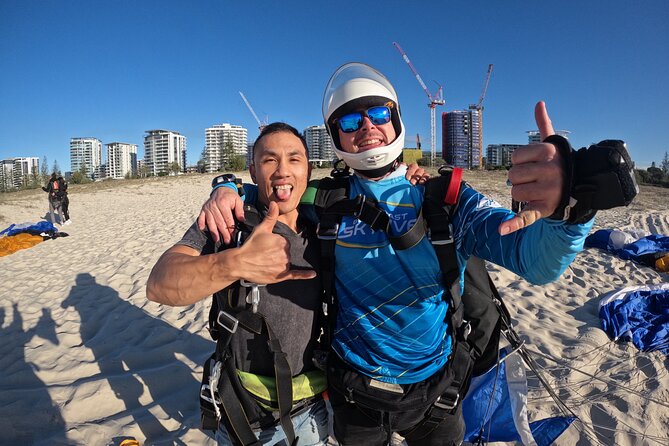
At $355.04 per person, this is not a casual add-on like a short lookout visit. You are paying for ground instruction, the tandem jump, the beach landing, and the required fees and taxes. The price also covers the staff, aircraft operation, safety equipment, and the controlled logistics of a highly regulated activity.
For a first-time jumper, I think the setting helps justify the cost. You are not simply stepping from a plane over an anonymous drop zone. You get a coastal view, a freefall, a parachute ride, a Kirra Beach landing, and a certificate.
The value is weaker if you are an experienced skydiver comparing altitude and airtime. The actual exit may be 10,000 feet rather than 12,000 feet because of air traffic restrictions, and the product information does not promise the maximum height on every flight. One experienced participant felt the lower jump height did not match the price. That is a fair concern, especially if altitude is your main reason for booking.
The optional photo and video packages also affect the final cost. Since they are not included, check the price before the jump if you know you will want them. For many first-timers, the footage is valuable because the experience itself moves so quickly. For others, the base jump is enough.
Weather, weight, and timing details
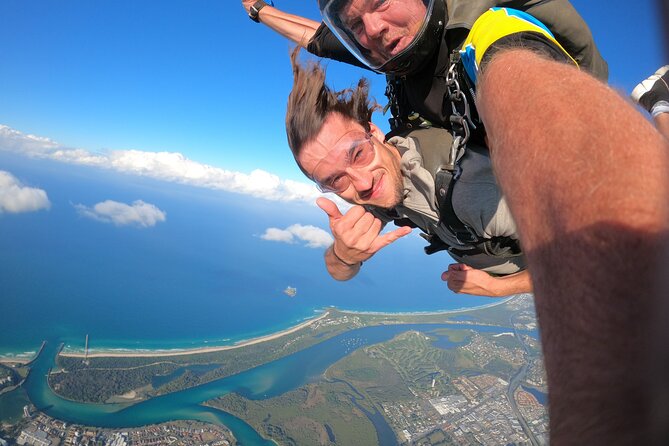
Weather is the main practical risk. The activity requires good conditions, and poor weather can lead to a different date or a full refund. Wind caused rescheduling for some scheduled jumps, while clear skies produced the best views for others.
I recommend booking early in your Gold Coast stay rather than on your final day. That gives you room to move the jump if wind or cloud interrupts the schedule. You can cancel for a full refund up to 24 hours before the start time. Cancellations or changes inside that 24-hour window are not accepted for a refund, and the cut-off uses local time.
Pay close attention to the weight rules. The information gives two limits: anyone over 95 kilograms must contact the local operator before jumping, while the maximum stated weight is 115 kilograms. Because the limit relates to parachute weight and balance, do not assume a booking is automatically approved based only on the online payment.
You also need a 24-hour gap after your last scuba dive before making this jump. The order can be reversed, so if you plan to do both activities, schedule the skydive first. Most people can participate, and service animals are allowed, but the supplied information does not give a detailed list of medical or mobility restrictions. Contact the operator if you have a health concern that is not covered by the standard booking information.
Who will enjoy this Gold Coast jump?
This is best for a first-time jumper who wants a big thrill with strong scenery and direct instructor support. The short training session, tandem harness, and instructor-controlled parachute make it accessible to people who do not want to learn solo procedures on their first attempt.
It also suits couples, friends, and birthday surprises. The small group limit keeps the operation from feeling like a huge crowd, and instructors are used to helping people through nerves. If you are afraid of heights, the jump may help you confront that fear, but do not book it casually. You need to be ready for a very intense first minute.
It may be less suitable if you have a rigid same-day schedule, need a guaranteed 12,000-foot exit, or dislike paying extra for photos and video. Weather can shift the timing, and the airport location means the altitude is not fully within the operator’s control.
Should you book the Gold Coast Tandem Skydive?
I would book this if you want one memorable Gold Coast activity that combines a serious adrenaline rush with a beautiful coastal setting. The Kirra Beach landing, supportive instructors, small group size, and four to five-minute parachute ride give it more character than a jump that simply ends in a field.
Go in with realistic expectations. The jump may leave from 10,000 feet, weather may change your schedule, and images cost extra. Book with at least one spare day in your itinerary, check the weight rule if you are over 95 kilograms, and arrange the scuba timing carefully.
For a first skydive, the mix of safety guidance, ocean views, freefall, and beach landing makes the $355.04 fare reasonable. For an experienced jumper focused mainly on altitude, compare the limits before paying. If you can accept those conditions, this is a memorable way to see the Gold Coast from above and finish with both feet in the sand.
FAQ
How long does the Gold Coast Tandem Skydive take?
The full activity lasts approximately two hours and 30 minutes. This includes the ground briefing, aircraft preparation, ascent, jump, landing, and return to the meeting point.
Where does the activity start?
You meet at 18 Coyne Street, Coolangatta, Queensland 4225, Australia. The activity ends back at the meeting point.
Where does the skydive land?
The skydive ends with a beach landing at Kirra Beach.
How high will the aircraft go?
The planned height is up to 12,000 feet, but the actual height may be between 10,000 and 12,000 feet. Air traffic control restrictions near the international airport can affect the permitted altitude.
How long is the freefall?
The freefall lasts approximately 45 seconds. After the parachute opens, you float down for about four to five minutes.
Is training included?
Yes. Ground training is included and lasts approximately 15 minutes. It covers the equipment, body position, aircraft exit, and what to expect during the jump.
Are photos and videos included in the price?
No. Photo and video packages are available for an additional charge at the office when you arrive.
Can I skydive after scuba diving?
You must wait at least 24 hours after your last scuba dive before making the skydive. You can skydive first and scuba dive afterward.
What is the weight limit?
Anyone weighing over 95 kilograms must contact the local operator before jumping. The maximum stated weight is 115 kilograms because of parachute weight and balance requirements.
Just added around Gold Coast
- Wave Break Island Scuba Diving on the Gold Coast★ 4.5 · 80 reviews
- Wave Break Island Snorkel Tour on the Gold Coast★ 4.0 · 23 reviews
- TreeTop Challenge Currumbin Wildlife Park★ 5.0 · 21 reviews
- Tamborine Mountain TreeTop Challenge Adventure Park★ 5.0 · 157 reviews
- Swim with Whales in Gold Coast★ 4.5 · 71 reviews
- Gold Coast 2 hour Sunset Sailing Cruise with Drinks&Tasting Plate★ 5.0 · 131 reviews
- Swim with Whales Gold Coast★ 5.0 · 44 reviews
- Snorkel with Turtles Gold Coast★ 5.0 · 159 reviews
Gold Coast Tours, compared.
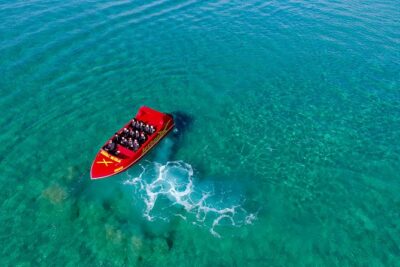
Surfers Paradise, Gold Coast Jet Boat Ride: 55 Minutes
Read our review →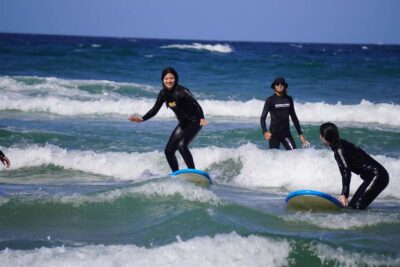
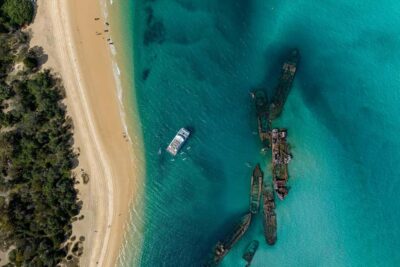
Moreton Island: Dolphin & Tangalooma Wrecks Snorkel Cruise
Read our review →
Movie World, Sea World, Wet’n’Wild & More – 5 Day Pass
Read our review →
Spirit of Gold Coast 2.5-Hour Whale Watching Tour
Read our review →Browse the lists this tour appears in