
Review · MARGARET RIVER TOURS
Dunsborough: Whale Watching Tour
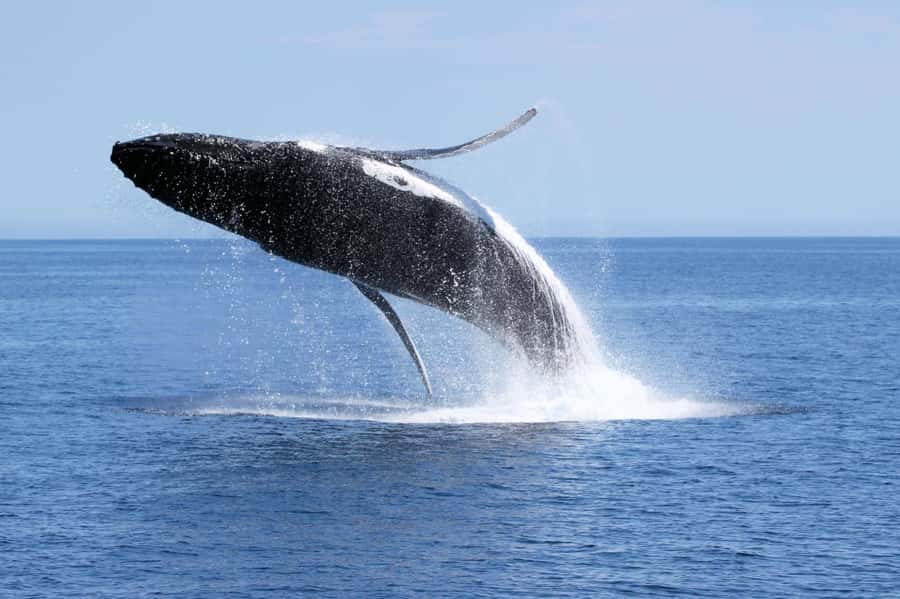
More than 35,000 humpback whales pass through Geographe Bay with their calves, making this a strong place to watch migration without leaving the Dunsborough coast. Humpbacks may breach, spy-hop, or linger beside the boat, while dolphins sometimes race the bow.
I like the small modern vessel, which gives you a better view than a huge sightseeing boat, and the crew’s patient approach when whales stay nearby. You also get a scenic cruise past Eagle Bay, Castle Rock, Bunker Bay, and Cape Naturaliste Lighthouse. The catch is simple: this is a boat trip in open water, so seasickness and a sandy beach boarding point are real considerations.
Key points before you book
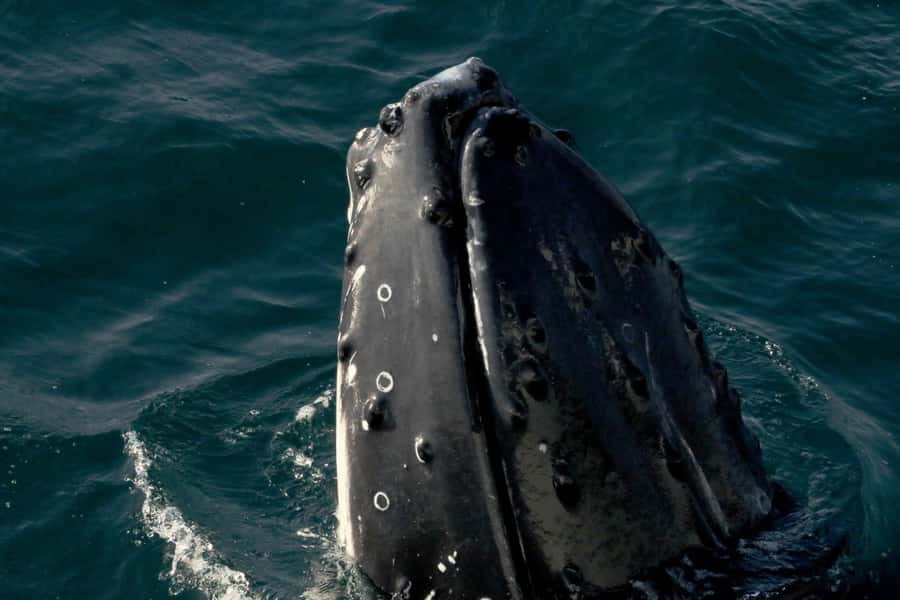
- 35,000-plus humpbacks pass through Geographe Bay, often with young calves during the southbound migration.
- Blue whales may appear in October and November, offering a chance to see the largest animal on Earth.
- The Alison Maree carries about 35 people, according to one detailed account, giving the trip a less crowded feel.
- A marine biologist guides the cruise, explaining migration patterns, whale behaviour, and what you are seeing.
- Dolphins sometimes ride the bow, so the front of the boat is the place to watch when conditions are right.
- Boarding takes place from a beach, and you must walk across sand, making this unsuitable for people with limited mobility.
Why Geographe Bay is a good place for whale watching
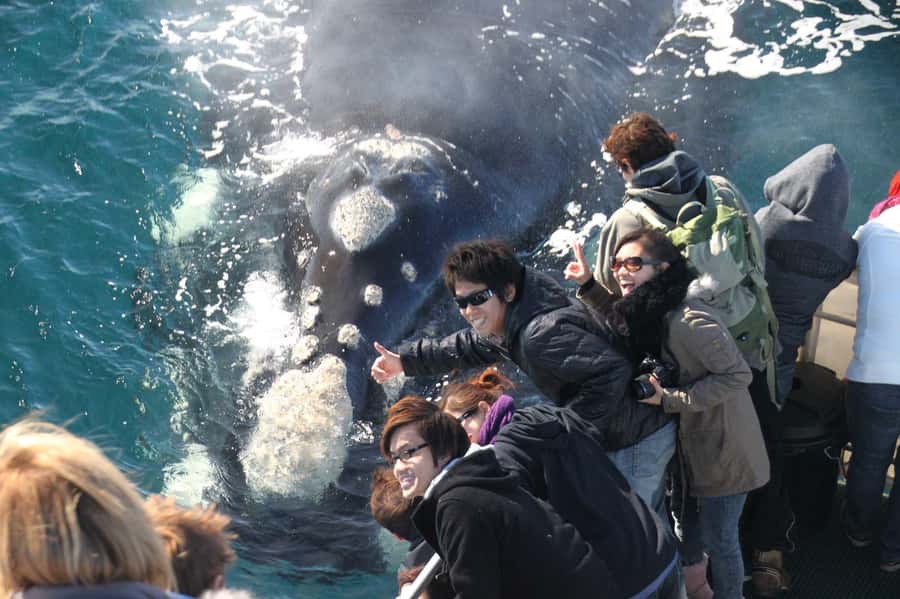
This cruise works because the setting offers more than a quick trip out and back. Geographe Bay gives you open water, coastal views, and a regular migration route in one compact outing. You are not simply staring at a blank horizon. The boat moves along a scenic stretch near the southwest corner of Western Australia, with the coast providing a useful sense of place.
The main attraction is the annual humpback migration. Humpbacks travel with their young as they head south toward Antarctica, and the bay can offer close views of mothers and calves. A calf may surface beside its mother, slap the water, or simply appear and disappear while the boat waits.
That waiting matters. Whales do not perform on a timetable, and the best moments can come after a quiet stretch of sea. One group stayed near the boat for more than an hour, giving people time to watch spy-hopping and other behaviour rather than settling for one distant blow.
You may also see southern right whales, although the strongest focus of the trip is the humpback migration. In October and November, blue whales are often sighted when conditions and seasonal movement line up. A blue whale is a different kind of encounter: less playful than a humpback, perhaps, but enormous enough to make the scale of the ocean feel suddenly clear.
A few more Busselton half-days to weigh up
- Dunsborough Whale Watching Eco Tour
★ 5.0 · 345 reviews - Whale Watching Cruise from Busselton, Augusta or Dunsborough
★ 4.8 · 325 reviews - Whale Watching Busselton
★ 5.0 · 156 reviews
Boarding the Alison Maree at Quindalup
The meeting point is the Dunsborough Professional Fisherman’s Boat Ramp at 306 Geographe Bay Road, Quindalup. After parking in the gravel area on the right, walk down to the beach and wait near the boarding ramp by the water.
This is not a step straight from a paved marina onto a boat. You cross sand to board, so wear comfortable shoes and allow a little extra time to get down to the water. If you have limited mobility, this trip is not a suitable choice.
The vessel is the Alison Maree, described in one account as modern, clean, safe, and built for a group of about 35 people. That size is useful. It is large enough to feel stable and comfortable, but not so large that you lose the sense of being close to the water. One minor drawback is that outside seating can be limited, so you may need to move around to find the best viewing position.
Once on board, settle in for a 150-minute outing. The tour runs in the morning or afternoon, depending on the available departure time. Tea and a biscuit are included, a small touch that is welcome when the wind picks up.
The first cruise through Geographe Bay
The boat heads into Geographe Bay while the crew begins looking for whale activity. The cruise itself is part of the experience. You pass coastal areas including Eagle Bay, Castle Rock, and Bunker Bay, with Cape Naturaliste Lighthouse appearing as a memorable reference point along the route.
The scenery gives your eyes something to do while the crew searches for blows and movement. It also helps you understand the shape of this part of Western Australia. Bring warm clothing even on a pleasant day, since wind on the water can feel much colder than it does on shore.
The guiding is a major strength. An English-speaking marine biologist explains whale behaviour, migration patterns, and the differences between species. This turns each sighting into more than a photograph. You learn why a whale surfaces in a certain way, what a calf may be doing, and how to watch without expecting a guaranteed show.
The crew has also been praised for giving people time when whales remain in the area. One outing ran longer so the group could continue watching, while another kept people with a mother and calf for an extended period. You should not treat extra time as guaranteed, but it shows the value of a crew willing to follow the experience rather than rush back to the ramp.
Watching humpbacks and their calves
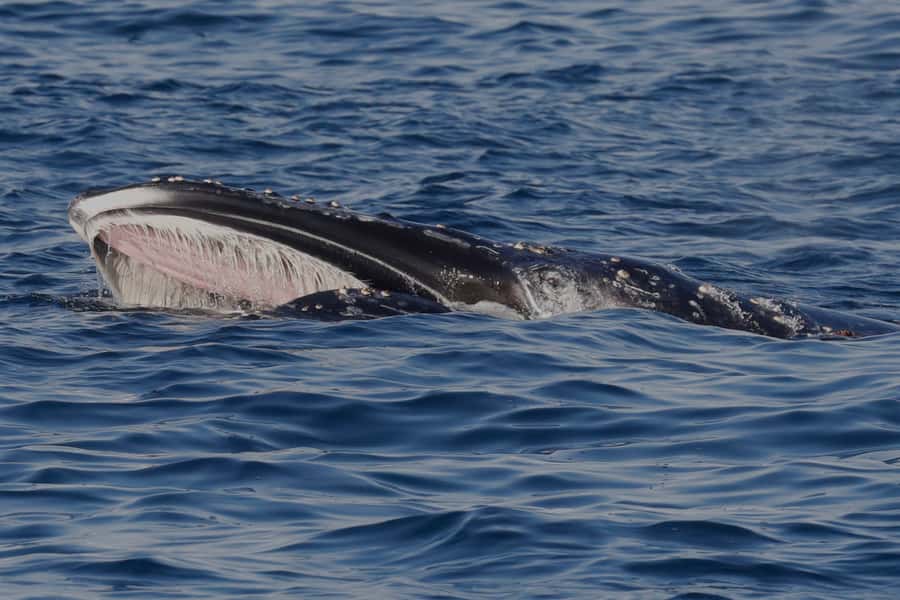
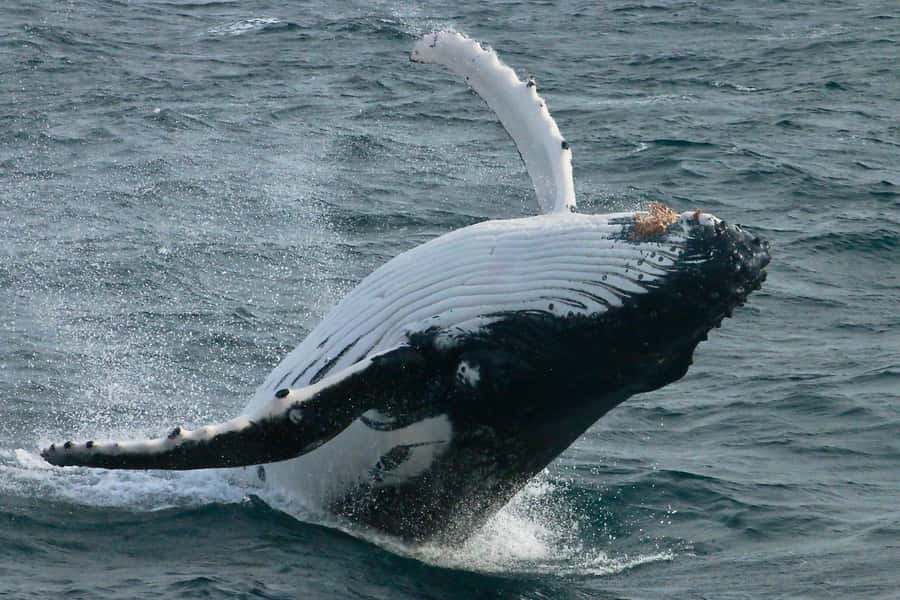
Humpback whales are the stars of this cruise, and they are often the most entertaining species to watch. They may breach, slap the water, spy-hop with their heads above the surface, or move close enough that you can see more than a small fin in the distance.
The sighting can also be quiet. You might see a blow, wait, and then catch the whale surfacing again farther away. That is normal whale watching. The boat’s crew helps by pointing out where to look and explaining what has happened, but you still need patience and a willingness to keep scanning the water.
The possibility of seeing a mother and calf is one of the best reasons to choose this trip. Calves travel with their mothers during the southbound migration, and the pair may remain near the boat for a long time. At particularly close range, you may not need binoculars, though you should keep your eyes moving because a whale can surface in a different spot on its next breath.
One account described a mother and calf coming within roughly six or seven metres of the boat. That is an exceptional close view, not a promise for every departure. Still, it shows what can happen when the animals are calm and the crew finds a group willing to stay nearby.
Same base, a completely different day out:
- Margaret River Winery, Brewery Tour with Gourmet Lunch.
★ 5.0 · 401 reviews - Jewel Cave Fully-guided Tour (Located in Western Australia)
★ 5.0 · 363 reviews - Premium Margaret River Winery Tour with Tannin Road
★ 5.0 · 347 reviews - Nocturnal Wildlife Tour from Busselton
★ 5.0 · 218 reviews
The chance of seeing a blue whale
Blue whales are seasonal visitors to this experience, with October and November noted as the best months for sightings. They are not guaranteed, and you should book this as a whale-watching cruise rather than a blue-whale expedition.
If you do see one, the scale is the point. Blue whales are the largest living animals on the planet, and even a brief appearance can be striking. Their movement may look graceful and unhurried, but their size changes the entire mood on board.
Recent outings in late October and early November included sightings of two blue whales, along with bottlenose dolphins. Those encounters show why the timing can be rewarding, but nature remains unpredictable. Some departures may focus entirely on humpbacks, while others may add a blue whale or dolphin sighting to the day.
Dolphins, coastal views, and what to watch for
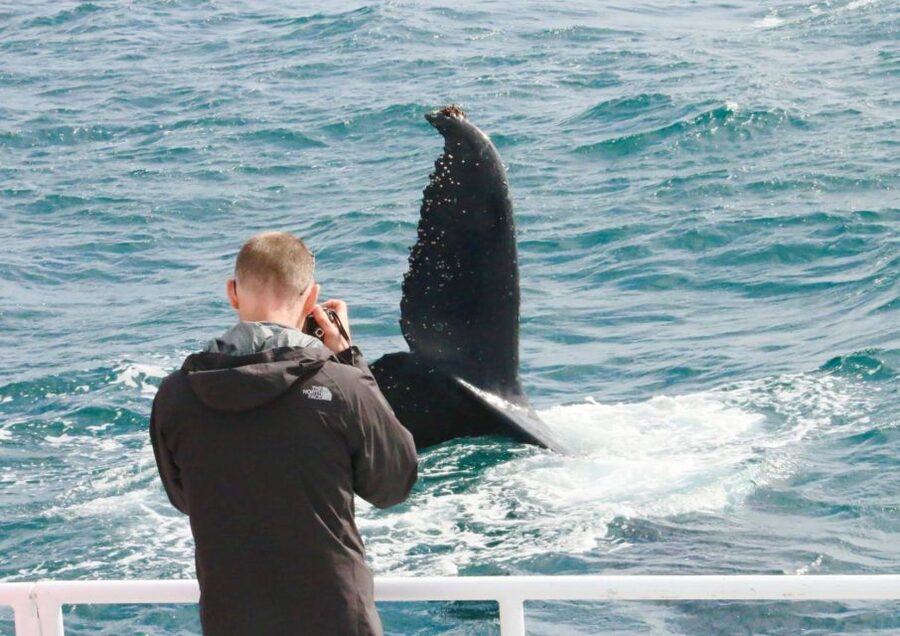
Dolphins are often seen riding the bow. If the crew spots them, move toward the front of the vessel for the best chance of seeing these agile animals as they cut through the water.
The bow is also a good place to feel the speed and motion of the cruise, though it may be windier there. If you are prone to seasickness, choose your position with care and follow the advice of the crew. One recent booking specifically warned that motion sickness can occur, so do not assume a comfortable boat removes the risk.
The coastline remains part of the reward. Eagle Bay, Castle Rock, Bunker Bay, and Cape Naturaliste Lighthouse give the cruise a strong visual setting even during a quiet whale-watching spell. If whales take time to appear, you still have a scenic trip through one of southwest Australia’s most striking coastal areas.
How the crew adds value
The crew’s role is not limited to steering the boat and pointing at whales. The trip includes a marine biologist, and the explanations cover migration, species, and behaviour. That information helps you read the water and understand why the animals act as they do.
I especially value the patient style described by the strongest accounts. The captain and crew have stayed with whales when the animals continued playing, and they have made time for questions. That makes the cruise useful for families, first-time whale watchers, and anyone who wants more than a quick wildlife photograph.
The vessel is also described as comfortable, modern, and safe. Group size matters here. A boat carrying around 35 people gives you room to find a view and avoids the packed feeling that can make wildlife trips tiring. Still, outside seating may be limited, so you may need to stand or shift positions when a whale surfaces on the opposite side.
Price, duration, and overall value
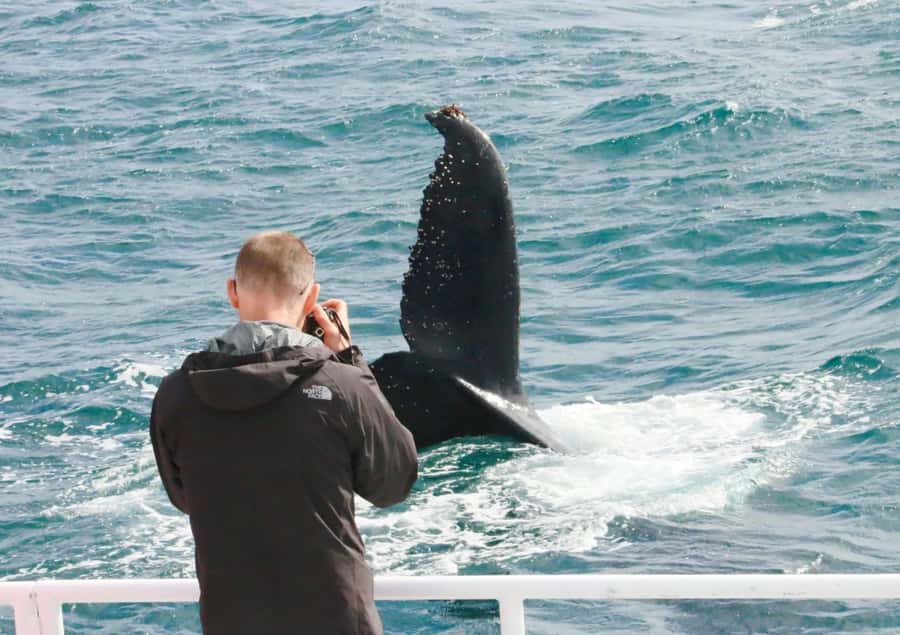
At $74 per person, the cruise offers 2.5 hours on the water, a fully guided experience, tea, and a biscuit. I consider that fair value, especially if you see whales for an extended period and make use of the marine biologist’s explanations.
The price is easier to justify than a short trip with a quick turnaround. You have enough time to reach the whale-watching area, wait for sightings, follow moving animals, and return along the coast. A long encounter with a pod, mother and calf, or dolphins can make the outing feel like a full half-day activity rather than a brief boat ride.
The value depends on what you want. If you need a guaranteed close encounter or a specific species, no wildlife cruise can promise that. If you see the trip as a guided chance to spend time in Geographe Bay, with humpbacks as the main possibility and blue whales as a seasonal bonus, the price makes more sense.
Free cancellation up to 24 hours before departure gives you some flexibility, and you can reserve now and pay later. Check the available morning and afternoon times before planning the rest of your day.
Practical advice for a smoother trip
Wear warm clothing, even if Dunsborough feels mild when you leave your accommodation. The wind on the boat can be sharp, and you will enjoy the cruise more if you are not shivering while waiting for a surfacing whale.
Choose comfortable shoes because boarding involves walking across sand. This detail is easy to overlook and important for anyone who finds uneven ground difficult.
If you are prone to seasickness, prepare before boarding. The boat has been described as smooth and comfortable, but open-water motion can still affect you. Keep your expectations flexible, too. A spectacular breach may happen, but a long sequence of calm surfacing can be just as rewarding.
Bring a camera if you want one, but do not spend the whole trip looking through it. Whales can appear suddenly, and the best view may last only a few seconds. Watch the water first and take photographs when you have a clear chance.
Who should choose this whale cruise?
I would recommend it to families, couples, solo visitors, and anyone staying around Dunsborough who wants a wildlife outing without committing to a full day. The 2.5-hour length fits neatly into a wider Margaret River southwest itinerary.
It suits people who value explanation as much as the sighting. The marine biologist gives the trip an educational edge, and the crew’s willingness to stay with active whales adds to the experience.
It is less suitable if you have limited mobility, dislike boarding from a beach, or know that boat motion makes you unwell. It is also not the right choice if you need certainty about seeing a blue whale. For that, the seasonal timing improves your odds but cannot control nature.
Should you book the Dunsborough whale tour?
Book it if you want a well-priced cruise with a good chance of humpbacks, a possible calf sighting, and a crew that takes time to explain what you are seeing. October and November are especially appealing if a blue whale is high on your wish list, while other migration periods can still bring excellent humpback encounters.
I would make this a priority during a Dunsborough stay, provided you are comfortable walking across sand and spending 150 minutes on the water. Bring warm layers, keep an eye on the bow for dolphins, and let the crew guide your attention. The whales decide the schedule, but the setting, boat, and patient approach give you a strong chance of a memorable morning or afternoon.
FAQ
Where does the whale-watching tour start?
The tour starts at the Dunsborough Professional Fisherman’s Boat Ramp, at 306 Geographe Bay Road, Quindalup, Western Australia. Park in the gravel car park to the right, then walk down to the beach and wait near the boarding ramp by the water.
How long is the cruise?
The cruise lasts 150 minutes, or 2.5 hours. It travels through Geographe Bay and returns to the Dunsborough Professional Fisherman’s Boat Ramp.
Which whales can I see?
The cruise may include humpback whales, southern right whales, and blue whales. Humpbacks are the main species highlighted, and blue whales are often seen in October and November, depending on the season.
Can I see humpback calves?
Yes. Humpbacks migrate south with their young, and the cruise offers the chance to see mothers and calves in Geographe Bay.
Are dolphins seen on the cruise?
Dolphins are often seen riding the bow of the vessel. Move toward the front of the boat if dolphins appear and you want the best chance of seeing them.
Is tea or food included?
Morning or afternoon tea is included. This consists of a cup of tea and a biscuit.
Is the tour suitable for people with limited mobility?
No. Boarding takes place from a beach, and you need to walk across sand to reach the vessel. The tour is not recommended for people with mobility impairments.
What should I bring?
Bring comfortable shoes and warm clothing. Warm layers are useful because conditions on the water can feel cooler than conditions on shore.
Just added around Busselton
- Premium Margaret River Winery Tour with Tannin Road★ 5.0 · 347 reviews
- Dunsborough Whale Watching Eco Tour★ 5.0 · 345 reviews
- Whale Watching from Augusta in Western Australia★ 5.0 · 124 reviews
- Whale Watching Dunsborough★ 5.0 · 26 reviews
- Augusta Whale Watching Eco Tour★ 5.0 · 137 reviews
- Whale Watching Busselton★ 5.0 · 156 reviews
- Self-Guided Ngilgi Cave Ancient Lands Experience★ 4.5 · 154 reviews
- Full-Day Wine, Beer, Gin, Cider Private Guided Margaret River Tour★ 4.0 · 34 reviews
Margaret River Tours, compared.
The Margaret River wine tour for people who don’t do tours!
Read our review →
Hidden Gems: Boutique Full-Day Wine, Farm & Lunch Tour
Read our review →
Margaret River Wine, Brewery & Distillery Tour with Lunch
Read our review →
Margaret River Winery, Brewery Tour with Gourmet Lunch.
Read our review →
Margaret River Small-Group Full-Day Wine & Food Tour
Read our review →
Jewel Cave Fully-guided Tour (Located in Western Australia)
Read our review →
Premium Margaret River Winery Tour with Tannin Road
Read our review →Browse the lists this tour appears in