
Review · WILDLIFE
Devils at Cradle: Day Keeper Tour and Entry to Wildlife Park
Tasmanian devils are not cuddly cartoon creatures. They are tough, noisy marsupials with a fierce reputation, and Devils@Cradle gives you a close look at the real animal behind the myths. The 45-minute Day Keeper Tour takes you through the sanctuary with a professional keeper, then leaves you free to explore the wildlife park on your own.
I like the excellent viewing areas, which let you watch the animals without peering through distant fencing. I also like that your $17 entry supports work to protect devils and quolls, including programs responding to the fatal facial cancer affecting wild devils. The main consideration is timing: daytime animals may be sleeping in their dens, so you may see less action than on a twilight visit.
Key points to know before you go
- Three threatened carnivorous marsupials: See Tasmanian devils, spotted-tailed quolls, and eastern quolls in one sanctuary.
- A keeper-led 45-minute walk: Guides explain animal habits, sanctuary work, and conservation in plain, engaging detail.
- Free time after the tour: Your ticket includes general entry, so you can return to the enclosures and viewing areas at your own pace.
- Wildlife sounds included: The devils’ famous screams can be part of the visit, especially when animals are active.
- Near Cradle Mountain: The sanctuary sits at the entrance to Cradle Mountain National Park, making it an easy addition to a national park day.
- Come prepared for cool weather: Bring warm clothing, and expect woodchip paths, gravel, steps, platforms, and uneven ground.
Meeting Tasmania’s devils at the sanctuary entrance
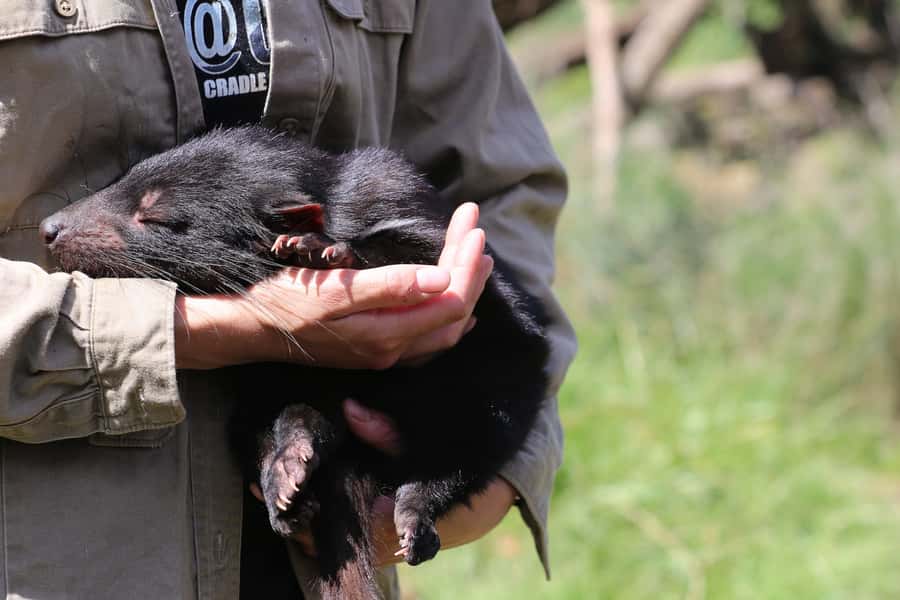
Devils@Cradle sits at the entrance to the spectacular Cradle Mountain National Park. That location makes the visit easy to pair with a day in the park, although it is also a worthwhile stop on its own if your main goal is to see Tasmania’s unusual native animals.
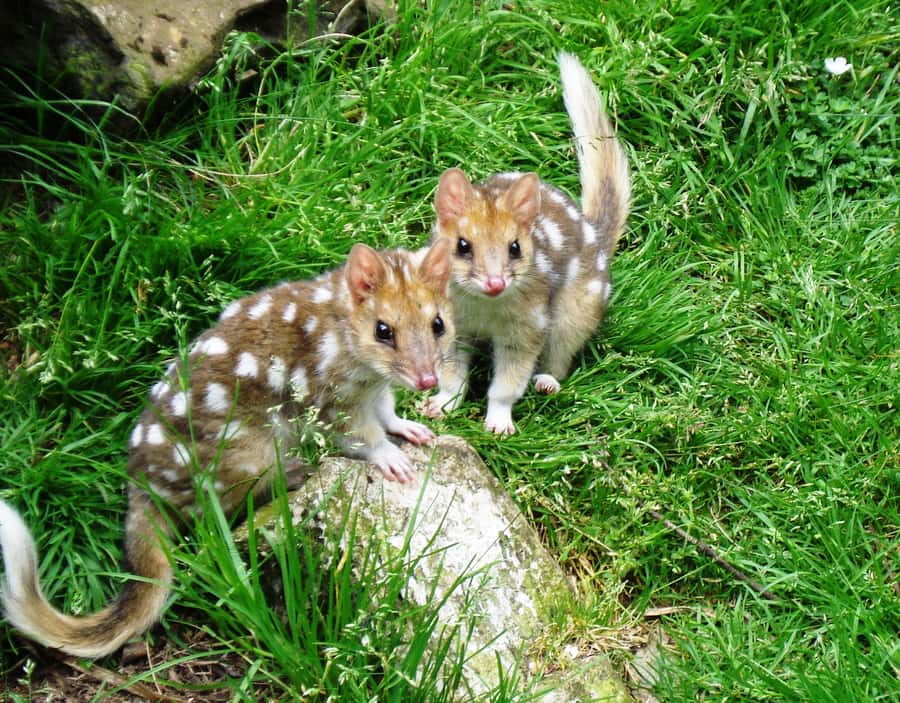
The sanctuary focuses on Tasmania’s three largest carnivorous marsupials: the Tasmanian devil, the spotted-tailed quoll, and the eastern quoll. All three face threats in the wild, so this is not simply a collection of animals for display. The keeper tour explains why sanctuary work matters and how breeding and conservation programs help protect these species.
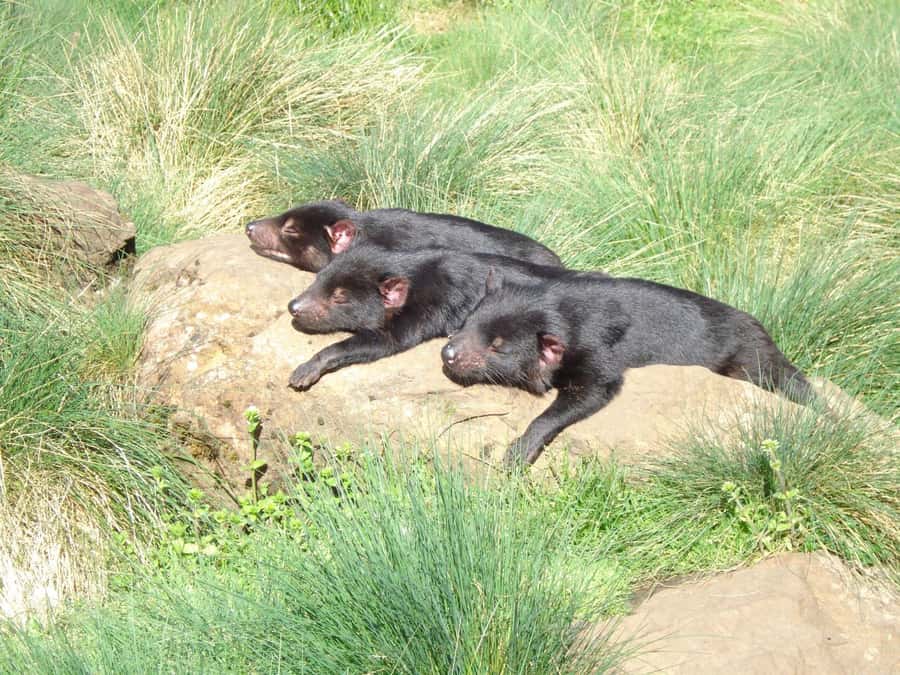
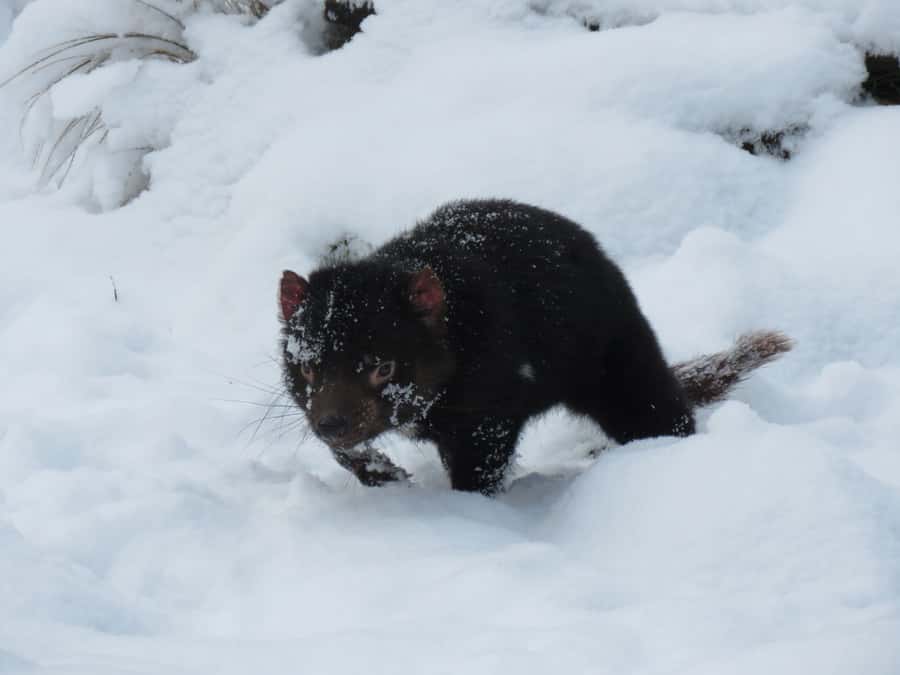
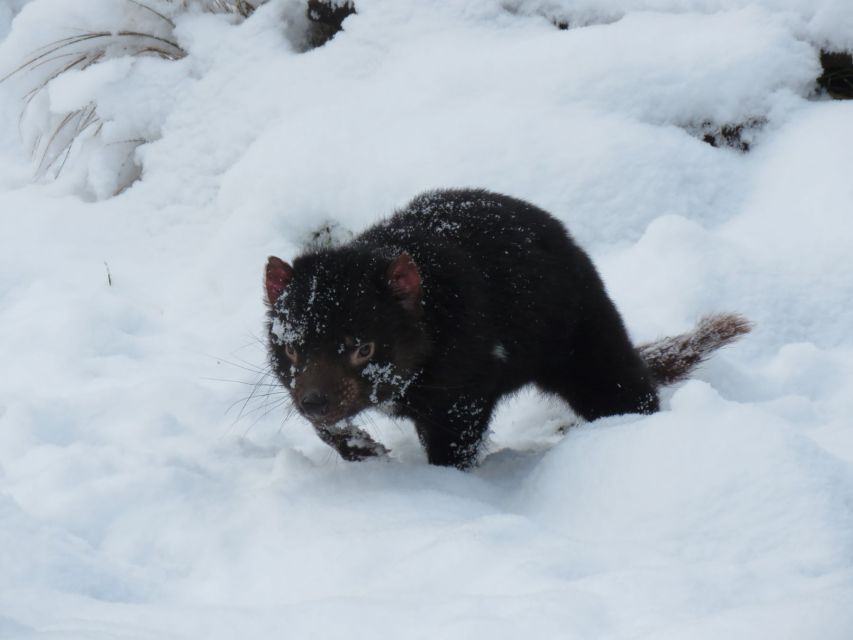
I find the devil especially interesting once you get past its bad-tempered image. You can watch it sleep, sun itself, play-fight, or search for food. The animals’ daytime habits are part of the visit, and that means the experience changes from one session to the next. A quiet devil tucked into a den is still worth seeing, but you should not expect constant movement.
The enclosure design helps. Viewing areas allow you to get a clear look without standing far away, and the layout gives you a better chance to observe natural behavior. One particularly useful detail is that the keeper can explain what you are seeing as it happens, rather than leaving you to guess why an animal is pacing, resting, or squabbling.
More wildlife days around Australia:
- From Melbourne: Great Ocean Road, 12 Apostles, Wildlife Tour
★ 4.7 · 6,020 reviews - Penguin Parade, & Wildlife Encounters Eco Tour from Melbourne
★ 5.0 · 3,774 reviews - Melbourne Great Ocean Rd Reverse Tour London Bridge Wildlife
★ 4.7 · 2,252 reviews
What happens during the 45-minute keeper tour
The main guided part lasts about 45 minutes. You follow an English-speaking keeper through the sanctuary, stopping at animal areas while the guide explains the animals and the work carried out at Devils@Cradle.
The strongest part of the tour is the keeper’s interpretation. Guides such as Pru and Sarah have been praised for presenting facts clearly and making the animals easier to understand. That matters here because a short visit can otherwise become a quick circuit of enclosures. A good explanation changes the way you look at the animals.
You learn about the relationship between Tasmanian devils and the two quoll species. You also hear why conservation is urgent, with particular attention to the disease that has caused severe losses among wild devils. The talk gives your admission fee a clear purpose: you are not only paying to see an animal, you are helping fund work aimed at its survival.
The devils’ screams are another memorable part of the tour. Their calls can sound startling, especially if you are expecting a small, quiet marsupial. The sounds are a useful reminder that these are predators with strong social and feeding behaviors, not tame pets.
The tour does not promise a staged animal performance, which is a good thing. You may see animals sleeping, sunbaking, playing, or fossicking for food. The keeper helps you read those actions instead of trying to force a particular response.
Three species, three different reasons to pay attention
Tasmanian devils
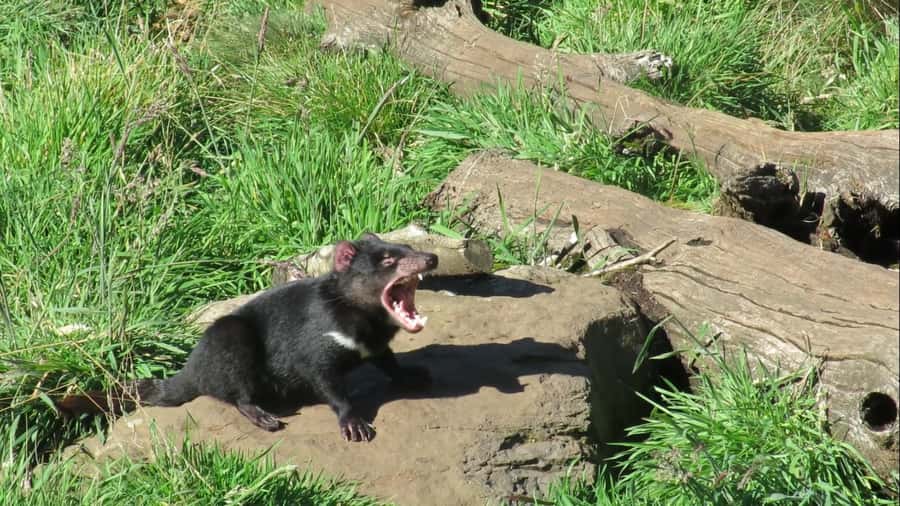
The Tasmanian devil is the main attraction, and rightly so. You get to see the largest living carnivorous marsupial in Tasmania at close range. Its stocky body, powerful jaws, and sharp sounds make more sense when a keeper explains how it lives.
I recommend listening for the details about behavior. A devil that appears to be simply resting may be conserving energy, staying warm, or waiting for a more active period. Daytime conditions also mean that some animals may remain in their dens. If you want to see lively behavior, ask staff which areas are most active during your visit.
Same base, a completely different day out:
- Sydney: Opera House Guided Tour with Entrance Ticket
★ 4.8 · 8,312 reviews - All Inclusive Blue Mountain,Scenic World,Lunch,Koalas,ferry
★ 5.0 · 7,832 reviews - Great Ocean Road Small-Group Eco Tour from Melbourne
★ 5.0 · 6,607 reviews - Ocean Rafting: Whitehaven Beach, Snorkelling & Hill Inlet Lookout
★ 5.0 · 4,777 reviews
Spotted-tailed quolls
The spotted-tailed quoll is closely related to the devil and is another important reason to visit. It is easy to rush past smaller animals while waiting for the famous devil, but the keeper helps place the quoll within Tasmania’s wider carnivore story.
The chance to see both species together in one sanctuary gives the tour more value than a single-animal encounter. You leave with a clearer idea of how varied Tasmania’s native mammals are, and why losing any one of them would matter.
Eastern quolls
Eastern quolls complete the sanctuary’s group of three threatened carnivorous marsupials. Their presence adds another point of comparison, particularly when the keeper discusses size, habits, and the pressures these animals face outside protected care.
Animal activity can vary. You might find one quoll tucked away while another is easier to spot. That is normal for a wildlife sanctuary and part of the reason the keeper’s guidance is useful.
Time to explore after the guided walk
Your ticket includes general admission, so you are not limited to the 45-minute walk. After the keeper tour, you can wander through the sanctuary and revisit the viewing areas at your own speed.
This extra time improves the value of the $17 price. The guided session gives you context, while the self-guided period lets you stay with an animal that catches your attention. If your first circuit is quiet, you can take another look later rather than treating one brief sighting as your only chance.
Plan on spending an hour or two at the sanctuary if you have room in your schedule. The tour itself is short, but the included entry gives you a reason to slow down. One useful approach is to arrive early enough to get your bearings, join the keeper session, and then return to the enclosures afterward.
The sanctuary is open from 9:30 AM to 5:00 PM. Check the available starting times when booking because the tour has set sessions. A morning visit may fit better with a drive through the national park, while a later visit could give you a different pattern of animal activity. The information provided does not promise that the devils will be more active at one particular hour, so I would choose the time that works best with your wider Cradle Mountain plans.
Why the $17 price is good value
At $17 per person, the Day Keeper Tour is fairly priced for a guided conservation visit. You receive general sanctuary admission, free parking, and the keeper walk. That combination is stronger value than paying only for a short talk and then needing a second ticket to see the rest of the facility.
The price also supports Devils@Cradle’s conservation work. You can see the practical side of that support in the sanctuary’s care for the animals and in the information about protecting wild devils from facial cancer. The visit gives you something to do, but it also helps fund a cause connected directly to Tasmania.
I would choose this tour over general entry alone if you have never seen a devil before. The keeper’s explanations can change your view of the animals, particularly if you arrive expecting aggressive, unpleasant creatures. One visitor described the tour as changing their attitude toward devils, and that is exactly the kind of result a good keeper talk should produce.
The value is also strong for families and animal-focused visitors. A child who might lose interest in a quiet enclosure has a better chance of staying engaged when the guide explains the animals’ behavior and the meaning of their calls. An animal-loving child may find the devils and quolls especially absorbing, although adults will get plenty from the conservation story too.
Weather, paths, and wheelchair access
This is an outdoor sanctuary visit, and it operates rain or shine. Bring warm clothing, even if the weather looks mild when you leave another part of Tasmania. Cradle Mountain weather can feel cool, and the tour takes place around open-air viewing areas.
The paths are not all smooth. Expect uneven ground, steps, natural woodchip paths, platforms, and compacted gravel. Wear shoes that feel secure and comfortable for walking rather than treating this as a polished indoor exhibit.
The sanctuary is wheelchair accessible in part. From reception, wheelchair users can reach the main viewing deck, or staff can provide access through a side gate directly into the sanctuary grounds. Not every section is accessible, but the staff can accommodate many requests with advance planning. Contact Devils@Cradle before arrival if you need a particular route or assistance.
This practical point should not put off visitors with mobility needs, but it does mean you should not assume every path or platform will be available. Prior organisation is the sensible choice.
Fitting the sanctuary into a Cradle Mountain day
Devils@Cradle is about a two-hour drive from Launceston. That makes it a long outing from the city, but it fits naturally into a wider visit to Cradle Mountain National Park. If you are already heading to the park, the sanctuary is much easier to include than it would be as a single-purpose trip from Launceston.
Free parking removes one small hassle. The sanctuary also has a gift shop, which gives you a final chance to support the facility or pick up a reminder of the visit, though the animals and keeper talk are the real reason to come.
Give yourself more time than the formal tour length. The 45-minute session is only the guided portion. With general entry included, you can spend additional time looking for the quolls, returning to the devils, and taking in the setting near the national park entrance.
If your schedule is tight, the Day Keeper Tour works well as a compact stop. If you can spare an hour or two, it feels less rushed and gives you a better chance to see different animal behaviors.
Who should book this tour
I would recommend it most strongly to:
- People visiting Cradle Mountain who want a wildlife experience alongside the national park.
- Families with children interested in animals.
- Visitors who want to support conservation while seeing native species.
- First-time Tasmania visitors who have never seen a devil or quoll.
- Anyone who prefers a guided explanation instead of reading signs alone.
- Visitors with a flexible schedule who can stay after the 45-minute talk.
It may be less suitable if you want a guaranteed high-energy animal encounter. Devils may be asleep, and the tour takes place outdoors in all weather. It is also not the best choice if you dislike uneven paths or cannot arrange help for sections that are not wheelchair accessible.
The tour is in English, with a live keeper guide. Unaccompanied minors are not allowed, so children need to attend with an adult.
Should you book the Devils@Cradle Day Keeper Tour?
Yes, I would book it if you are visiting the Cradle Mountain area and want a short, useful wildlife experience. The $17 fee includes entry, parking, and a keeper-led tour, so you get both personal explanation and time to explore alone.
Book it for the conservation message as much as the animal sightings. You will see Tasmania’s largest carnivorous marsupials, hear about the pressures they face, and gain a more accurate view of devils than their fierce reputation suggests.
Choose a twilight visit instead if your main wish is to see maximum activity and you have the time, but the Day Keeper Tour is the better fit for a daytime national park itinerary. Bring warm clothes, allow extra time after the talk, and let the keeper guide you toward the details you might otherwise miss.
FAQ
How long does the Devils@Cradle Day Keeper Tour last?
The guided keeper tour lasts 45 minutes. Your ticket also includes general admission, so you can continue exploring the sanctuary afterward.
What animals can I see at Devils@Cradle?
The sanctuary has Tasmanian devils, spotted-tailed quolls, and eastern quolls. These are Tasmania’s three largest carnivorous marsupials.
Is general admission included?
Yes. The activity includes general entry to the Devils@Cradle Conservation Facility as well as the guided keeper tour.
What are the opening hours?
The sanctuary is open from 9:30 AM to 5:00 PM. Check available starting times when selecting your tour.
Is the sanctuary wheelchair accessible?
Some areas are accessible. Wheelchair access is available from reception to the main viewing deck, or through a side gate into the sanctuary grounds. Other sections have uneven ground, steps, woodchip paths, platforms, and compacted gravel. Staff can accommodate many requests with advance organisation.
What should I bring, and what happens in bad weather?
Bring warm clothing. The tour operates rain or shine, so prepare for outdoor conditions.
Just added around Australia
- 7-Day Super Value Tour of Tasmania: Explore Tasmania’s West and East Coasts★ 5.0 · 77 reviews
- Hobart: Bruny Island Adventure: Hiking, Highlights & Local tastes★ 4.0 · 23 reviews
- Cascades Female Factory Historic Site [official]★ 4.5 · 110 reviews
- A Day At Wineglass Bay★ 5.0 · 33 reviews
- 5-Day Best of Tasmania Tour from Hobart★ 5.0 · 184 reviews
- 6-Day Tasmanian Explorer Adventure Tour from Hobart★ 5.0 · 66 reviews
- 4 Day Wild Tasmania Tour / Wildlife, Nature, Hiking / Inc. Accom★ 5.0 · 126 reviews
- Bonorong Wildlife Park and Richmond Afternoon Tour from Hobart★ 4.5 · 113 reviews
Wildlife, compared.
Penguin Parade, & Wildlife Encounters Eco Tour from Melbourne
Read our review →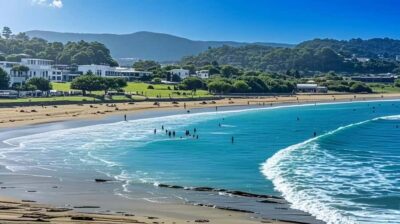
Melbourne Great Ocean Rd Reverse Tour London Bridge Wildlife
Read our review →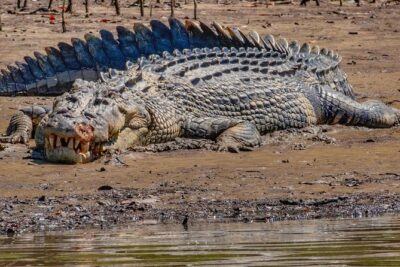
Solar Whisper Daintree River Crocodile and Wildlife Cruise
Read our review →
Three Sisters, Scenic World and Wildlife park
Read our review →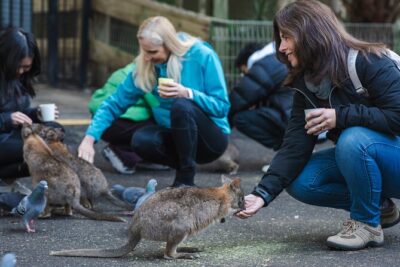
Exclusive Blue Mountains Wildlife and Bushwalk Tour From Sydney
Read our review →

Small Group Blue Mountains, Wildlife & Scenic World Day Tour
Read our review →Browse the lists this tour appears in