
Review · BROOME TOURS
Cygnet Bay Unique Tidal Waterfall Reefs Scenic Cruise
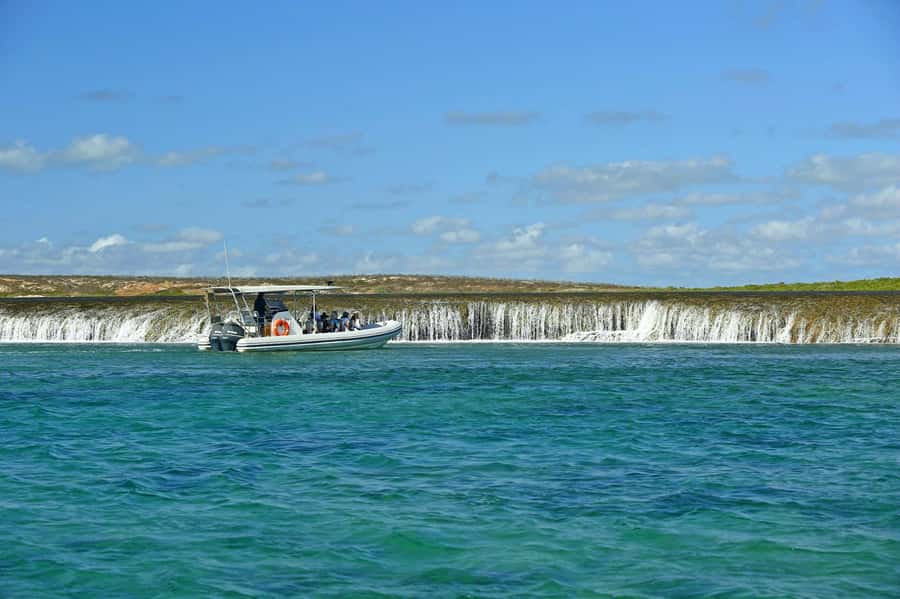
The remarkable sight here is a reef that turns into a waterfall. On the outgoing tide, huge volumes of water pour over the reef around Cygnet Bay, creating a moving wall of water in the middle of the sea. It is an unusual natural event, and you see it from a fast, open boat rather than from a distant lookout.
I like the way the tour combines two things: the raw force of the Kimberley tides and the beauty of the Buccaneer Archipelago. I also like the small boat, which carries only 12 people and gets you close to the reef. The main drawback is simple: the spectacle depends on the tide, so departures run only on selected days and at selected times.
Key points before you book
- The waterfall appears on an outgoing tide, so your date and start time are set by nature, not convenience.
- The 12-seat RIB has twin 250-horsepower engines, making it well suited to the strong tidal waters around Cygnet Bay.
- The trip begins at Cygnet Bay Pearl Farm, about 200 kilometres north of Broome, with no Broome transport included.
- The safari includes views of islands, whirlpools, reefs, beaches, and enormous tidal flows, not just the main waterfall.
- Guides add useful context, including information about the pearl farm and the local tide system.
- You can stay at Cygnet Bay, where safari tents, pearlers cottages, camping sites, and an onsite restaurant are available at extra cost.
Why this reef becomes a waterfall
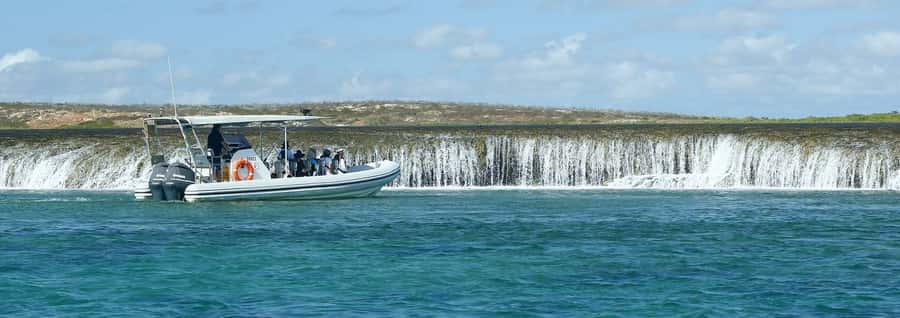
Cygnet Bay sits beside the Buccaneer Archipelago, a maze of islands and channels shaped by some of the largest tropical tides in the world. As the tide moves out, water races through gaps in the reef and between islands. A reef that might look ordinary at one stage of the tide can suddenly become the edge of a cascading flow.
That is the key to understanding this trip. You are not visiting a fixed waterfall. You are watching a short-lived tidal event created by the movement of the sea. The exact appearance depends on the tide, the day, and the timing of your departure.
From the boat, the water may show several moods at once. You can see sheets of water spilling over the reef, whirlpools forming nearby, and channels carrying a huge volume of water away from the bay. The main waterfall reef is the reason to book, but the wider tidal display gives the two hours its shape.
I find this more interesting than a standard sightseeing cruise because the scenery is constantly changing. You are watching the sea behave differently from the calm blue water shown in photographs. The best part is not only the visual drama, but understanding why it happens.
A few more Broome half-days to weigh up
- Buccaneer Explorer – Dry Season
★ 5.0 · 703 reviews - Snubfin Dolphin Eco Cruise from Broome
★ 5.0 · 533 reviews - 1 Hour Broome Sunset Camel Tour
★ 5.0 · 476 reviews
Leaving Cygnet Bay Pearl Farm
The meeting point is Cygnet Bay Pearl Farm on Cape Leveque Road. The farm is about a 2.5-hour drive from Broome, so this is not a casual add-on for a morning in town. You need to plan the road journey, allow enough time to arrive, and check the departure schedule carefully.
Transport from Broome is not included. You can self-drive or arrange a flight transfer, but those arrangements need to be handled separately. Fuel and shops are limited in this remote area and may be closed on weekends, so I would not leave fuel, water, or basic supplies until the last minute.
The tour departs from the pearl farm on an amphibious vessel before transferring to the sea safari boat. That change of transport is part of the outing and gives the departure a distinctive feel. The amphibious boat is also useful for reaching the water from the farm without treating the launch as a routine marina departure.
The farm itself adds context. Cygnet Bay is connected with pearling, and the boat trip can include information about the pearl operations on the way out. A skipper such as Ben has been praised for explaining the pearling work, answering questions, and helping with photographs. Guides have also been noted for clear explanations of the tides and considerate handling of the group.
The 12-seat boat and the ride out
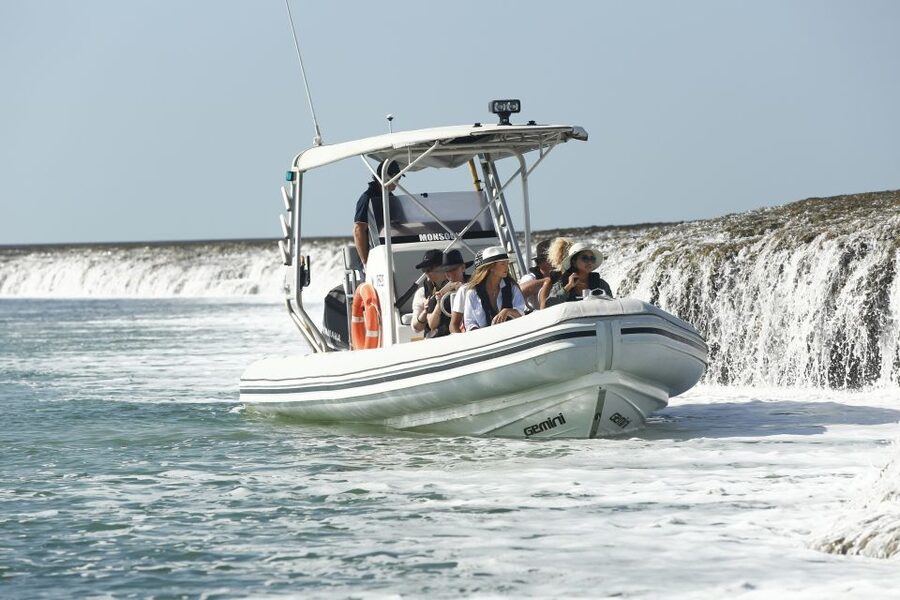
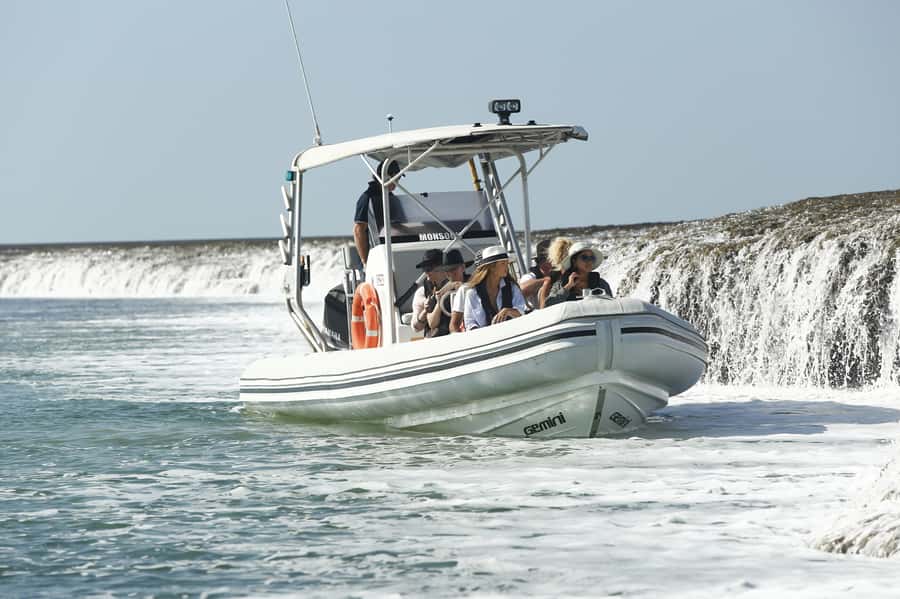
The main tour vessel is a 12-seat rigid inflatable boat with twin 250-horsepower engines. That is a small group by sightseeing cruise standards, and it matters here. You are not looking over several rows of heads or trying to spot the reef from a large deck.
The boat is designed for the local tidal conditions and gives the skipper room to move through the waterways around Cygnet Bay. The engines provide plenty of power for the area, while the compact size keeps the group close to the water. The ride is part scenic cruise and part sea safari, with the boat moving between islands and tidal features.
You should dress for an exposed two-hour trip. Bring sunglasses, a hat, sunscreen, a camera, and a bottle of water. Food and drinks are not provided. One useful point raised about the outing is that the operator could give clearer warnings about suitable clothing, fitness, and the boat transfer. If you have concerns about getting into the amphibious vessel or the RIB, ask before booking.
Children under five are not permitted. The available information does not give a wider medical or mobility assessment, so you should contact the operator if you have specific needs. The boat is open and the trip takes place on active tidal water, making sensible preparation worthwhile.
What you see before the waterfall reef
The journey out is not empty travel time. You pass through a beautiful coastal setting of pale beaches, turquoise water, and islands that make up the Buccaneer Archipelago. Much of the area remains lightly touched by human development, which gives the trip a strong sense of distance from ordinary beach tourism.
The guide helps turn the scenery into a story. You learn how the pearling operation works, then see the physical setting that makes Cygnet Bay so memorable. The white sand and clear water are easy to admire, but the real subject is the force moving beneath the surface.
I like this part because it gives you time to adjust to the scale of the place. The Kimberley is not presented as a collection of postcard views. The channels, islands, and exposed reefs show how water controls the area. As the boat approaches the main site, you can begin to see the tide gathering speed and direction.
The ride may also include whirlpools and other fast-moving water features. These are not separate attractions with formal stops. They are part of the same tidal system, and the guide points out what is happening as the boat moves through the bay.
Same base, a completely different day out:
- Malcolm Douglas Crocodile Park Tour Including Transportation
★ 5.0 · 406 reviews - Broome Trio Afternoon Adventure: Brewery, Museum & Crocodile Park
★ 5.0 · 316 reviews - Fly The Falls Tour
★ 5.0 · 260 reviews - Half-Day Whale Watching Sunset Cruise from Broome
★ 5.0 · 228 reviews
Watching the waterfall appear
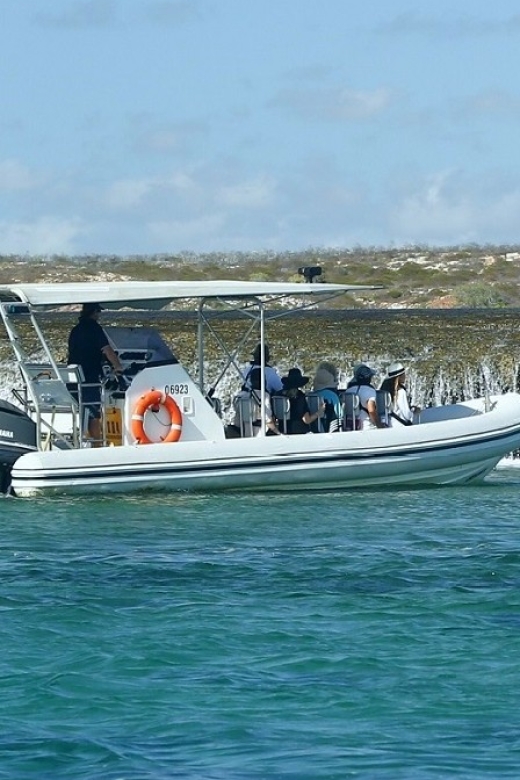
The main stop is timed for the outgoing tide. As water drains from the bay, it spills over a reef and creates the waterfall effect. You are close enough to see the shape of the flow, but the view is still broad enough to understand that this is part of a much larger movement of water.
The sight is strongest when you connect it to the tide. The reef is not simply wet rock with water trickling over it. The dramatic appearance comes from the difference in water levels and the speed at which the tide moves through the reef system.
This is also where the guide earns the price of admission. A good explanation helps you see the process rather than just take a photograph. Guides have been praised for being informative, friendly, and willing to answer questions in detail. You may also be offered help with photos, which is handy on a small boat where it can be awkward to frame yourself and the reef at the same time.
Do not expect a long, stationary viewing platform experience. This is a sea safari, and the boat may move around the area to show the waterfall, whirlpools, and nearby channels. That movement keeps the trip lively, but it also means you should keep your camera ready rather than wait for a single formal photo stop.
How the timing affects your day
The tide controls this activity more than any normal tour timetable. The waterfall is visible only during certain tidal conditions, so you cannot simply choose any day and any convenient hour. Check the available times before planning your drive from Broome or arranging another activity at Cygnet Bay.
This can make the tour slightly inconvenient, but it is also why the sight is special. The natural event cannot be scheduled around your lunch reservation. Your day needs to work around the tide.
Some departures may begin early enough for sunrise scenery. One trip included a beautiful view of the sun coming over the water, along with the amphibious boat transfer and the tidal waterfall. If your departure is at sunrise, bring warm layers as well as sun protection, since conditions can change during the morning.
The two-hour duration is a useful balance. It is long enough to reach the reef system, see the main phenomenon, and take in the surrounding islands without turning into a full-day boat commitment. You still need to add the drive from Broome, however. From Broome, this is a major day outing unless you stay at the farm.
Is $184 good value?
At $184 per person, this is not a cheap short cruise. The value depends on how much importance you place on seeing a rare natural event in a remote part of Australia.
You are paying for more than two hours on the water. The price includes the sea safari, an experienced guide, the amphibious transfer, and access to a tidal environment that is difficult to experience independently. The 12-seat boat also gives the outing a more personal scale than a large sightseeing vessel.
The price makes more sense if you are already staying at Cygnet Bay or making a special trip along the Dampier Peninsula. It is harder to justify if you are adding it to a rushed Broome schedule and treating the 2.5-hour drive each way as an afterthought.
I would also count the guide service as part of the value. The best departures do not simply point at the water. They explain the tides, the reef, the pearling operation, and the way the landscape changes as the sea moves. That turns a dramatic photo opportunity into a better understanding of the region.
Accommodation can make the logistics easier. Cygnet Bay offers luxury safari tents, pearlers cottages, and camping sites, with an onsite restaurant. These cost extra and depend on availability, but staying overnight gives you a better chance to enjoy the remote setting rather than drive back immediately after the boat trip.
The practical trade-offs of a remote location
Cygnet Bay’s distance is both the attraction and the challenge. The limited shops and fuel supplies help preserve the feeling of a remote place, but they leave little room for poor planning. Fill the vehicle before the journey, carry water, and do not assume every service will be open on a weekend.
Food is not included on the safari. Bring a bottle of water and plan meals around the farm’s restaurant or your accommodation. A request for more family snack options has been raised, so families should check what food will be available instead of relying on the tour to provide it.
The tour is conducted in English. It suits adults, older children who meet the age requirement, photographers, nature-focused visitors, and anyone interested in tides and coastal geology. It may be less suitable for people who want a relaxed, enclosed cruise or a flexible departure time.
The activity also asks you to accept some uncertainty. The exact appearance of the waterfall cannot be guaranteed in the same way as a museum exhibit. The operator schedules the tour around the right tide, but the sea remains a natural force. That is part of the appeal, and also the reason to keep your expectations focused on the event rather than one perfect photograph.
Who should book the Cygnet Bay safari?
I would book this if you are staying on the Dampier Peninsula, enjoy unusual natural phenomena, or want to see a side of Australia that does not appear on a standard coastal itinerary. The combination of pearling, island scenery, powerful tides, and a small fast boat gives the trip a clear identity.
I would be more cautious if you have only one day in Broome. The drive to Cygnet Bay is long, transport is not included, and the departure time may not fit neatly around other plans. In that case, confirm the tide time, road conditions, fuel plan, and return arrangements before paying.
The strongest reasons to go are the close view of the waterfall reef, the quality of the explanations, and the chance to see whirlpools and rushing water in a remote setting. The strongest reasons to hesitate are the price, the distance, and the fixed tide schedule.
Final call: book it if the tide fits
Book the Cygnet Bay Unique Tidal Waterfall Reefs Scenic Cruise if you can build your day around the tide and reach the pearl farm without stress. At $184, it is a specialist outing rather than a basic sightseeing boat ride, but the rare tidal setting and small-group boat make it a fair purchase for the right itinerary.
I would choose an overnight stay at Cygnet Bay if possible. That removes much of the road pressure and lets you enjoy the farm, restaurant, beaches, and night sky at the tip of the Dampier Peninsula. If you want the convenience of a tour leaving from Broome, this is not the right fit. If you want to see an ocean waterfall created by one of the world’s great tidal systems, it is a memorable choice.
Free cancellation is available up to 24 hours before departure, and you can reserve now and pay later. Those options help when your plans depend on weather, road travel, and the tide table, but the key decision remains the same: can you get to Cygnet Bay at the right time?
FAQ
Where does the Cygnet Bay tidal waterfall cruise depart from?
The tour departs from Cygnet Bay Pearl Farm on Cape Leveque Road in the Dampier Peninsula, Western Australia.
How far is Cygnet Bay Pearl Farm from Broome?
The farm is approximately 200 kilometres north of Broome, or about a 2.5-hour drive. Transport from Broome is not included.
How long is the sea safari?
The sea safari lasts two hours. Starting times vary because the waterfall reef is visible only during certain tidal conditions.
What boat is used for the tour?
You transfer to a 12-seat rigid inflatable boat with twin 250-horsepower engines. The tour begins with an amphibious vessel transfer from Cygnet Bay Pearl Farm.
What should I bring?
Bring sunglasses, a hat, sunscreen, a camera, and a bottle of water. Food and drinks are not provided.
Can children join the tour?
Children under five are not suitable for this activity. The tour is conducted in English, and accommodation at Cygnet Bay is available separately in safari tents, pearlers cottages, and camping sites, subject to availability.
Just added around Broome
- Half-Day Whale Watching Sunset Cruise from Broome★ 5.0 · 228 reviews
- 3.5 hours Sunset Cruise in Broome★ 4.5 · 190 reviews
- Pearls & Coast: 35-Minute Helicopter Flight & Willie Creek Tour★ 5.0 · 39 reviews
- 3.5 Hour Broome Sunset Cruise★ 4.5 · 141 reviews
- SCENIC AND PREHISTORIC CRUISE – Sparkling Wine & Gourmet Platters★ 5.0 · 203 reviews
- Kimberley Day Cruise Full Day Tour Departing Broome★ 5.0 · 174 reviews
- Fly The Falls Tour★ 5.0 · 260 reviews
- Full Day Tour Departing Cygnet Bay★ 5.0 · 102 reviews
Broome Tours, compared.

Malcolm Douglas Crocodile Park Tour Including Transportation
Read our review →
Broome Trio Afternoon Adventure: Brewery, Museum & Crocodile Park
Read our review →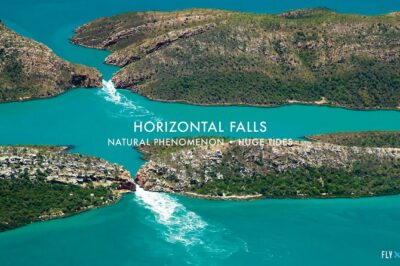
Half-Day Whale Watching Sunset Cruise from Broome
Read our review →
Browse the lists this tour appears in