
Review · CRADLE MOUNTAIN TOURS
Cradle Mountain: After Dark Tasmanian Devil Feeding Tour
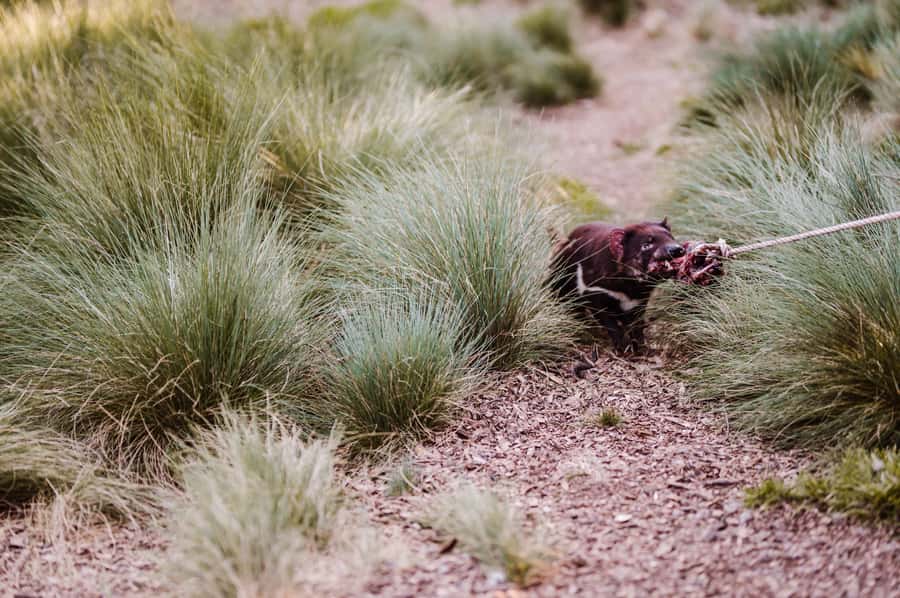
Tasmanian Devils are not shy at dinner. As darkness settles over Devils@Cradle, these stocky carnivorous marsupials become noisy, fast, and wonderfully unruly. You watch a keeper feed them inside their enclosures while explaining the biology, behavior, and serious threats facing wild devils.
I like two things right away: the close-up feeding action gives you a real look at how these animals behave, and the entry to the sanctuary lets you explore the other enclosures before the guided session begins. The keepers, including guides such as Prue and Renee, bring plenty of warmth and humor to a subject that could otherwise become a dry wildlife lecture.
The main drawback is the weather. Cradle Mountain can turn cold, wet, and windy after sunset, and you spend much of the 90 minutes outdoors. Bring more warm clothing than you think you need, or the animals may not be the only ones growling by the end.
Key points to know before you go
- The devils are most active at feeding time: Evening is a smart time to see their noisy social behavior and powerful feeding habits.
- You explore the sanctuary before the tour: Your admission includes time to walk around Devils@Cradle at your own pace.
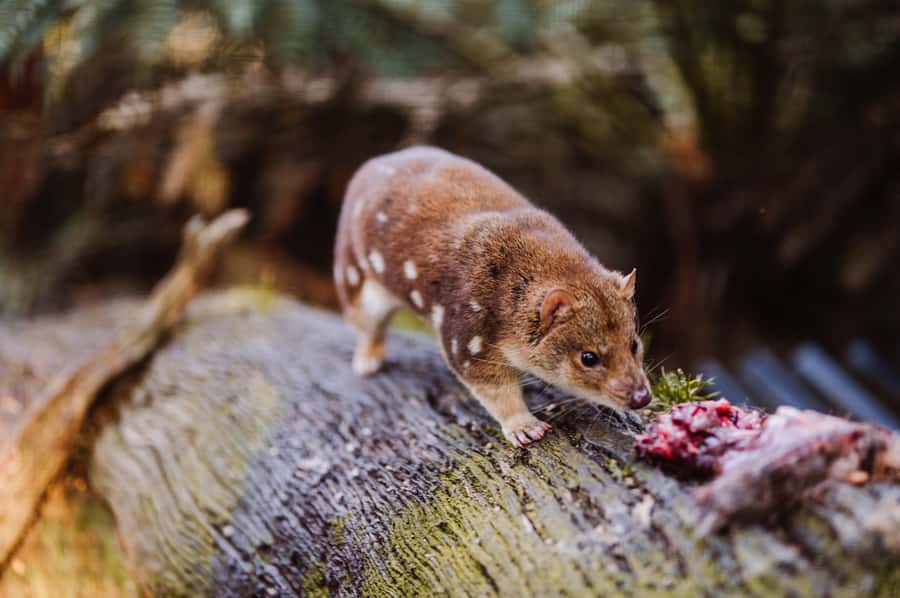
- Three threatened carnivorous marsupials feature here: The tour focuses on Tasmanian Devils, Spotted-tailed Quolls, and Eastern Quolls.
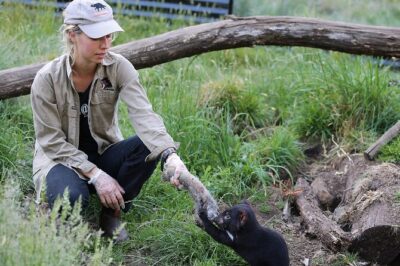
- The keeper enters the enclosures to feed the animals: This creates close views while keeping the animals in their managed spaces.
- Cold weather is the real challenge: Rain and wind have caused some people to leave early, so dress for a Tasmanian evening.
- At $26, it is strong value: You get sanctuary entry, a live guide, and the feeding tour without paying for transport or food.
Arriving at Devils@Cradle near Cradle Mountain
Devils@Cradle sits at the entrance to Cradle Mountain National Park in Tasmania. You make your own way there, park for free onsite, and go to the entry gate. Hotel pickup and drop-off are not included, so this suits you best if you already have a car or are staying nearby.
The setting matters. This is not a city wildlife show squeezed into a dark room. The sanctuary is beside one of Tasmania’s best-known national park areas, and the evening air can feel sharply cold once the sun disappears. The location gives the outing a genuine remote-Tasmanian feel, but it also means you should plan your clothing and return journey carefully.
The activity lasts 90 minutes. Starting times change, so check the available session when you book. You can cancel up to 24 hours ahead for a full refund, and the reserve-now, pay-later option is useful if your Cradle Mountain plans depend on weather.
A few more Australia half-days to weigh up
- Cradle Mountain: Day Trip from Launceston with Lunch
★ 4.7 · 540 reviews - After Dark Tasmanian Devil Feeding Tour at Cradle Mountain
★ 5.0 · 243 reviews - Wildlife Night Spotting at Cradle Mountain
★ 5.0 · 84 reviews
Use the included entry before darkness falls
Your ticket includes admission to Devils@Cradle, not just the after-dark feeding session. Arrive around 30 to 45 minutes before the guided tour if you want enough time to look around without rushing. You do not need to arrive much earlier than that.
The self-guided portion helps you get familiar with the sanctuary and see the animals in a quieter setting. It also gives you a useful comparison. During the day, you can observe the animals at your own pace. During the feeding tour, the keeper directs your attention to specific behaviors and explains what you are seeing.
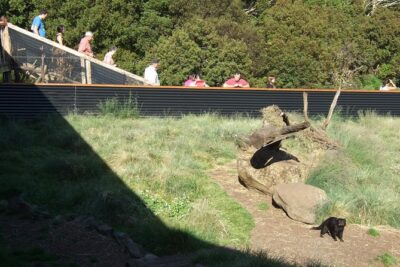
The sanctuary concentrates on Tasmanian Devils but also cares for Spotted-tailed Quolls and Eastern Quolls. These are Tasmania’s three largest carnivorous marsupials, and each faces threats in the wild. The extra time before the tour makes the $26 price more worthwhile because you are not paying for only a short feeding demonstration.
You may also see wombats during your visit. One much-loved resident, Pancake, has been part of the close animal encounters described by past participants. The exact animals you see can vary, so treat these extra sightings as a bonus rather than the central promise.
The opening talk introduces three unusual species
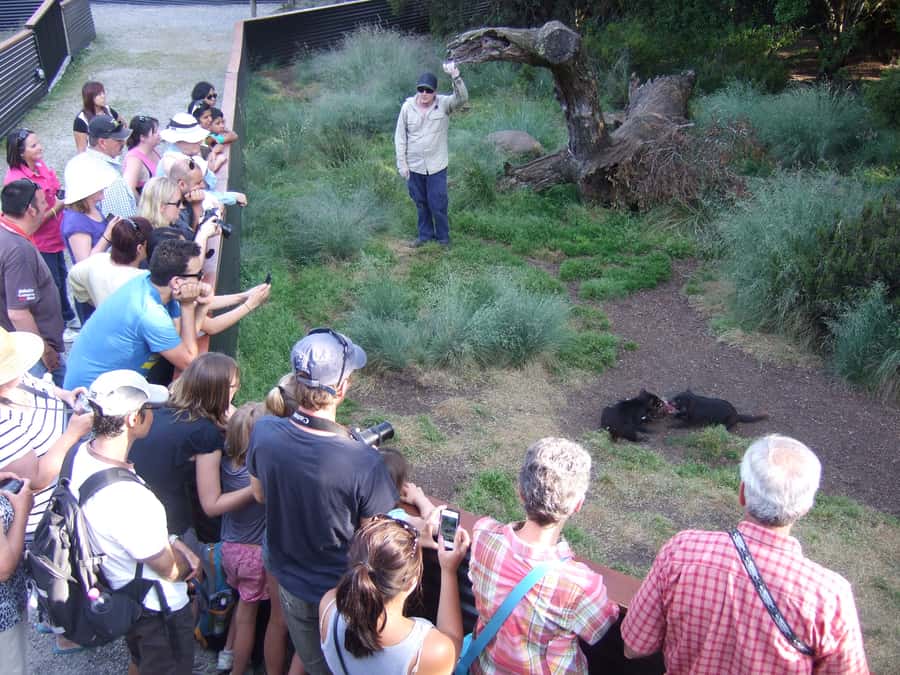
The guided session begins on the main wildlife viewing deck. Your keeper gives a short introduction to the Tasmanian Devil, Spotted-tailed Quoll, and Eastern Quoll before leading the group farther into the sanctuary.
This opening is helpful because it gives you a framework for the rest of the visit. You learn which animals belong to the same broader marsupial family and why the sanctuary works with all three. The focus is not only on cute faces or dramatic feeding noises. The guide connects animal behavior with biology, habitat, and conservation.
The best guides keep the talk lively. Prue and Renee have both been praised for combining clear explanations with humor and obvious care for the animals. That personal connection is important here. A good keeper can explain why an animal behaves aggressively at food time without turning the animal into a simple spectacle.
Stay close to the guide if you want to hear every detail. One participant found the pace a little slow, especially in cold rain, while many others appreciated having time to ask questions. Your ideal pace depends on what you want: quick photos and action, or a fuller lesson about conservation.
Feeding time shows the devil’s real character
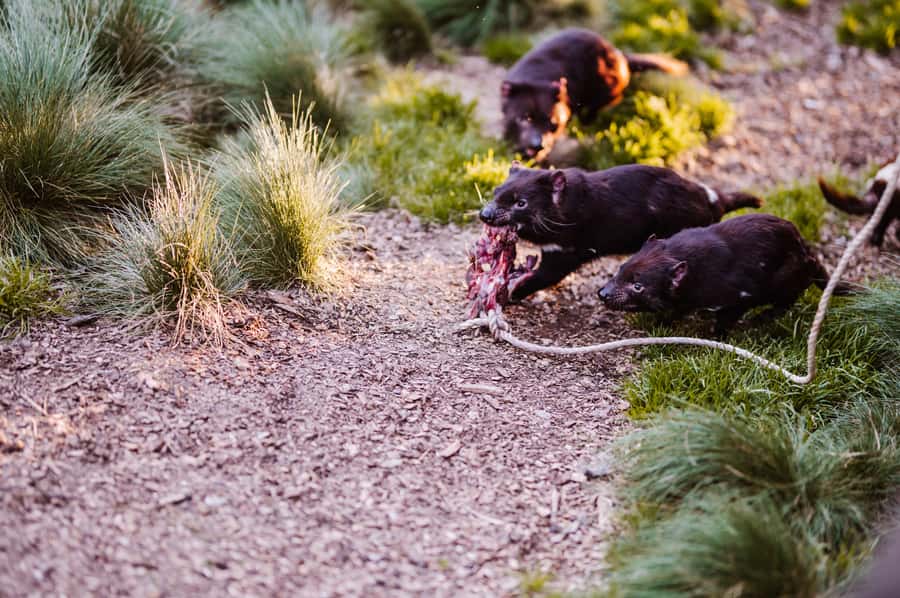
The larger part of the tour is a guided walk outside through the sanctuary. The keeper enters several enclosures and feeds the animals while you watch from the viewing areas.
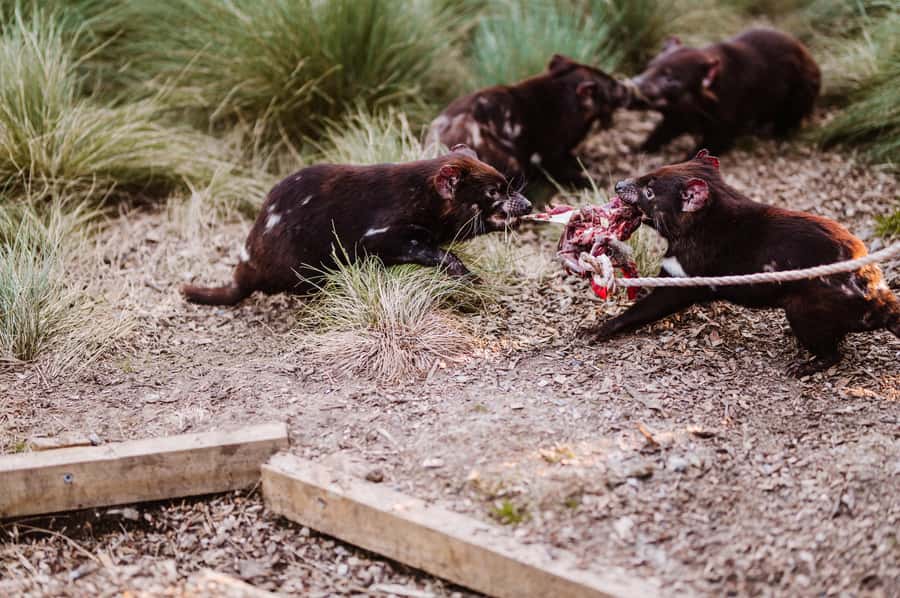
This is where the activity earns its name. Tasmanian Devils are usually nocturnal, so evening is when they become more alert and active. As food arrives, you can see the ferocious side that gave them their reputation. They jostle, snap, vocalize, and tear into their meal with impressive force.
The spectacle can be startling, especially when a devil attacks a wallaby leg. Yet the guide adds needed context. You learn about feeding habits, social interactions, physical features, and the difference between dramatic behavior at a meal and the animal’s wider life.
The animals are not treated as tame pets. That is one reason the experience feels worthwhile. You get close views, but the devils remain wild in their behavior and protected within their enclosures. A keeper may interact confidently with an individual animal, but your experience is based on observation rather than touching or handling the devils yourself.
The sanctuary uses environmentally sensitive lighting for the night session. This helps you see the animals without turning the enclosures into bright, artificial displays. The low-light setting also suits the devils’ natural rhythm.
Same base, a completely different day out:
- Sydney: Opera House Guided Tour with Entrance Ticket
★ 4.8 · 8,312 reviews - All Inclusive Blue Mountain,Scenic World,Lunch,Koalas,ferry
★ 5.0 · 7,832 reviews - Great Ocean Road Small-Group Eco Tour from Melbourne
★ 5.0 · 6,607 reviews - From Melbourne: Great Ocean Road, 12 Apostles, Wildlife Tour
★ 4.7 · 6,020 reviews
Quolls add variety to the evening
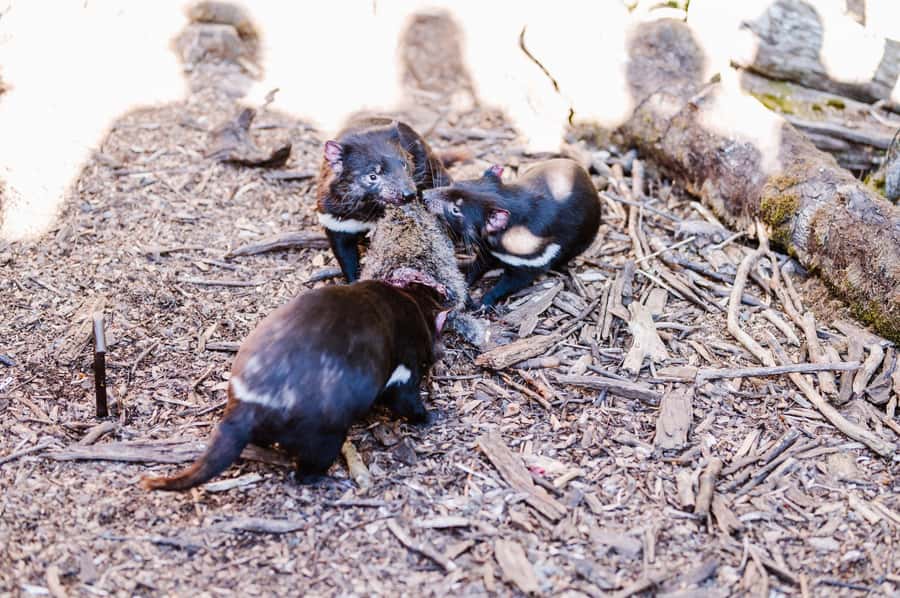
The tour does not stop with Tasmanian Devils. Feeding also includes Spotted-tailed Quolls and Eastern Quolls, giving the evening more range than a single-animal encounter.
Quolls are smaller and can be less instantly familiar than devils, but they are fascinating to watch. Seeing them fed alongside the devils helps you understand the sanctuary’s wider conservation work. You are not simply watching one famous Tasmanian species. You are meeting a group of carnivorous marsupials that all need attention and protection.
The quoll portion can also break up the louder devil feeding scenes. One minute you are watching a powerful animal tear at food, and the next you are studying a smaller, quick-moving marsupial. The keeper explains how their behavior and biology differ, which makes the session more useful for families and anyone with a serious interest in Australian wildlife.
The conservation message gives the tour weight
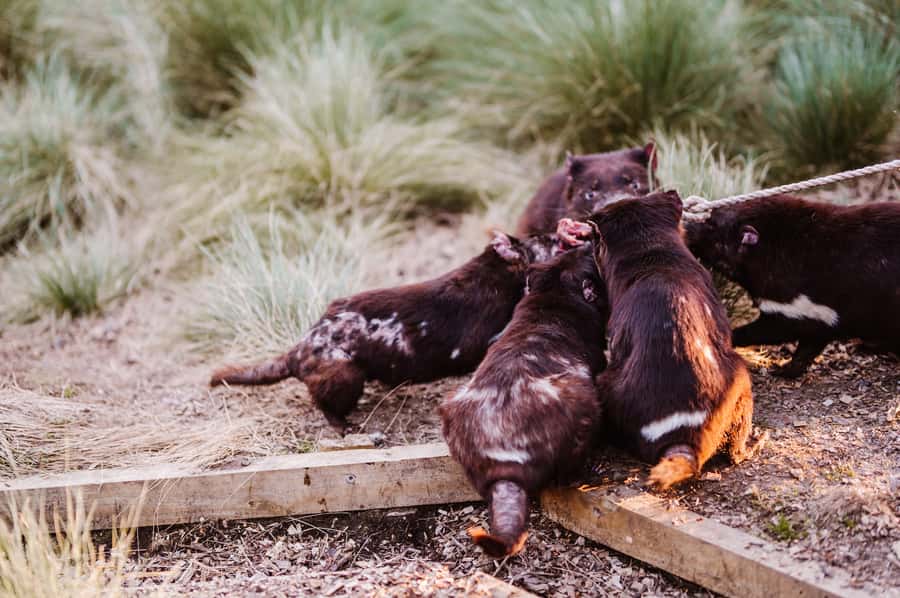
Tasmanian Devils face major threats in the wild, and the sanctuary’s work includes conservation and breeding efforts aimed at protecting the species. The tour explains those concerns in plain terms rather than treating conservation as a brief afterthought.
That context changes the way you watch the feeding. The noisy animals in front of you are not just entertaining exhibits. They are part of a wider effort to maintain healthy populations and teach people why Tasmanian wildlife needs protection.
I value this part of the experience because it connects a memorable evening with a practical reason for visiting a sanctuary. Your admission helps support Devils@Cradle’s work, and the guide shows you what that work means at animal level: careful management, breeding programs, observation, and public education.
The message remains hopeful without pretending the problem is solved. You see animals in excellent condition, but you also learn that the related quolls and devils are threatened in different ways. That balance makes the session more honest.
Weather can decide how much you enjoy it
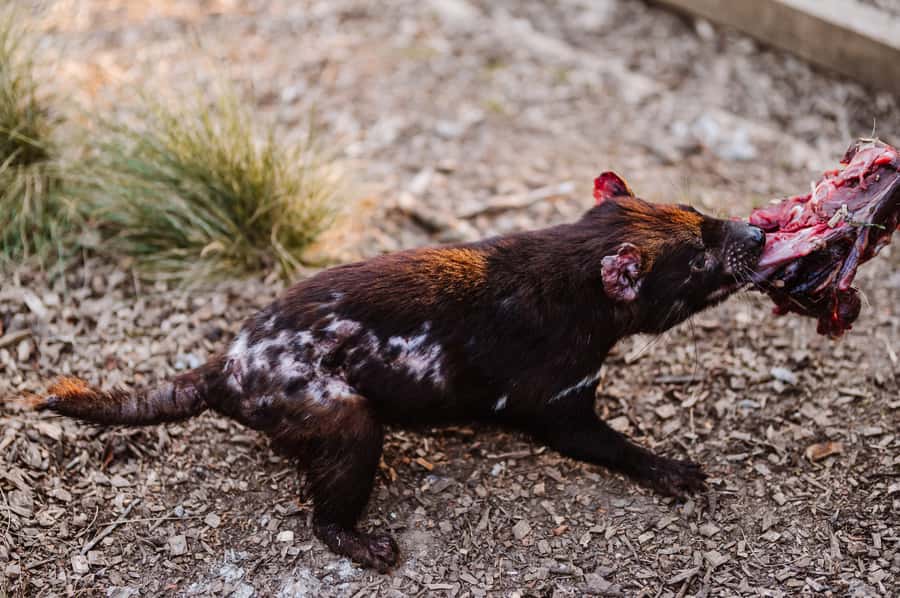
Cold is the one repeated warning I would take seriously. Several sessions have faced rain, drizzle, wind, or even snow. Keepers have continued explaining the animals in unpleasant conditions, but standing outside at night can become uncomfortable quickly.
Wear a warm jacket, extra layers, and clothing that handles rain. A hat can help with wind, and sturdy footwear makes sense because the tour includes a guided walk outdoors. The sanctuary is wheelchair accessible, but the weather remains a practical issue for everyone.
The cold may also affect children. An eight-year-old described the experience as awesome, and families clearly can enjoy it, but young children who tire quickly in chilly weather may struggle with the full 90 minutes. If the forecast looks poor, pack more warmth than you would for a normal evening out.
The tour may feel slower in bad weather because the group pauses at several enclosures. That is not necessarily a flaw. The pace gives the keeper time to answer questions and allows you to watch feeding behavior, but it can test your patience when rain is running down your sleeves.
What the $26 price really covers
At $26 per person, this is a good-value wildlife experience around Cradle Mountain. The price includes entry to Devils@Cradle, the 90-minute guided feeding tour, an English-speaking guide, and free onsite parking.
That matters because you receive both a self-guided sanctuary visit and a scheduled keeper presentation. A standard admission alone would not give you the same depth of explanation or the focused feeding access. The guide adds most of the value, especially when discussing conservation, animal behavior, and the reasons for nighttime lighting.
You will need to budget separately for food and drinks. There is no hotel pickup or drop-off, so transport is also your responsibility. Still, for visitors already driving in the Cradle Mountain area, the cost is modest compared with many wildlife encounters.
The tour has earned a 4.8 rating from 161 reviews, with especially strong praise for the guides, close animal views, and educational content. The most common criticism is not the animals or the staff. It is the cold, rain, and occasional sense that the pace is too gentle.
Who should book this feeding tour?
I would recommend it to anyone spending a night near Cradle Mountain who wants a wildlife activity that is both entertaining and informative. It is particularly good for first-time visitors to Tasmania because you can see Tasmanian Devils, learn about quolls, and gain a basic understanding of the conservation work surrounding them.
Families can also enjoy it. The animals provide plenty of excitement, while the guide gives children useful explanations instead of offering only a quick photo opportunity. The session works well for adults too, especially if you want to understand why devils make such loud, aggressive displays at feeding time.
Photographers should set expectations carefully. The tour offers close views, but it takes place after dark with environmentally sensitive lighting. You may get memorable images, but this is not a bright, controlled photo shoot. Watch the animals first and treat good photographs as a bonus.
This is less suitable if you dislike cold outdoor activities, want guaranteed interaction, or expect a fast-moving show. You do not handle the devils, and the evening includes pauses for talks and questions. The reward is a closer look at natural feeding behavior, not a staged performance.
Practical tips for a better evening
- Arrive 30 to 45 minutes early to walk through the sanctuary before the guided session.
- Check the starting time when booking because tour times vary.
- Dress for rain, wind, and falling temperatures after sunset.
- Stay near the guide so you can hear the explanations at each enclosure.
- Allow the full 90 minutes, especially if you want to watch all three featured species.
- Bring your own food and drinks if needed, since they are not included.
- Plan your own transport to Devils@Cradle and use the free onsite parking.
- Ask questions. The keepers are happy to explain behavior, biology, and conservation.
FAQ
Where does the Tasmanian Devil feeding tour take place?
It takes place at Devils@Cradle Wildlife Sanctuary near the entrance to Cradle Mountain National Park in Tasmania.
How long is the experience?
The guided after-dark feeding experience lasts 90 minutes.
How much does the tour cost?
The listed price is $26 per person.
What does the ticket include?
It includes entry to Devils@Cradle Wildlife Sanctuary, an English-speaking guide, the feeding tour, and free onsite parking.
Can I explore the sanctuary before the feeding tour?
Yes. Your admission includes a self-guided visit to the sanctuary before the scheduled nighttime tour.
Which animals can I see?
The sanctuary focuses on Tasmanian Devils and also houses Spotted-tailed Quolls and Eastern Quolls. Wombats may also be seen during a visit.
Is the tour conducted in English?
Yes. The live tour guide speaks English.
Is the experience wheelchair accessible?
Yes, the activity is listed as wheelchair accessible.
Is hotel transportation included?
No. Hotel pickup and drop-off are not included, but free onsite parking is available.
Should you book the Cradle Mountain After Dark Tasmanian Devil Feeding Tour?
Book it if you want close views of Tasmanian Devils at their most active, a useful introduction to Tasmania’s carnivorous marsupials, and a guide who treats conservation as part of the experience rather than a footnote.
Skip it only if cold, wet outdoor evenings are a deal-breaker or you want a fast, hands-on animal encounter. For most people staying around Cradle Mountain, the combination of sanctuary entry, feeding action, passionate keepers, and a $26 price makes this one of the area’s better-value evening activities.
Just added around Australia
- Hobart: Bruny Island Adventure: Hiking, Highlights & Local tastes★ 4.0 · 23 reviews
- Cascades Female Factory Historic Site [official]★ 4.5 · 110 reviews
- 7-Day Super Value Tour of Tasmania: Explore Tasmania’s West and East Coasts★ 5.0 · 77 reviews
- A Day At Wineglass Bay★ 5.0 · 33 reviews
- 5-Day Best of Tasmania Tour from Hobart★ 5.0 · 184 reviews
- 6-Day Tasmanian Explorer Adventure Tour from Hobart★ 5.0 · 66 reviews
- 4 Day Wild Tasmania Tour / Wildlife, Nature, Hiking / Inc. Accom★ 5.0 · 126 reviews
- Bonorong Wildlife Park and Richmond Afternoon Tour from Hobart★ 4.5 · 113 reviews
Cradle Mountain Tours, compared.

Cradle Mountain: Day Trip from Launceston with Lunch
Read our review →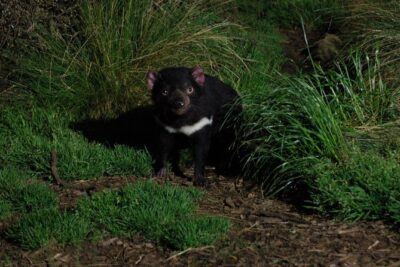
After Dark Tasmanian Devil Feeding Tour at Cradle Mountain
Read our review →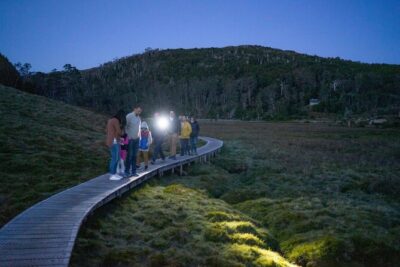
1-Hour Tasmanian Devil Feeding Day Tour at Cradle Mountain
Read our review →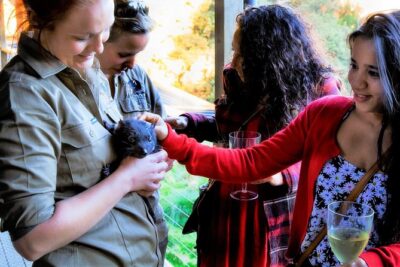
Browse the lists this tour appears in