
Review · BYRON BAY TOURS
Byron Bay: Snorkelling Tour of Julian Rocks “Nuthungulli”
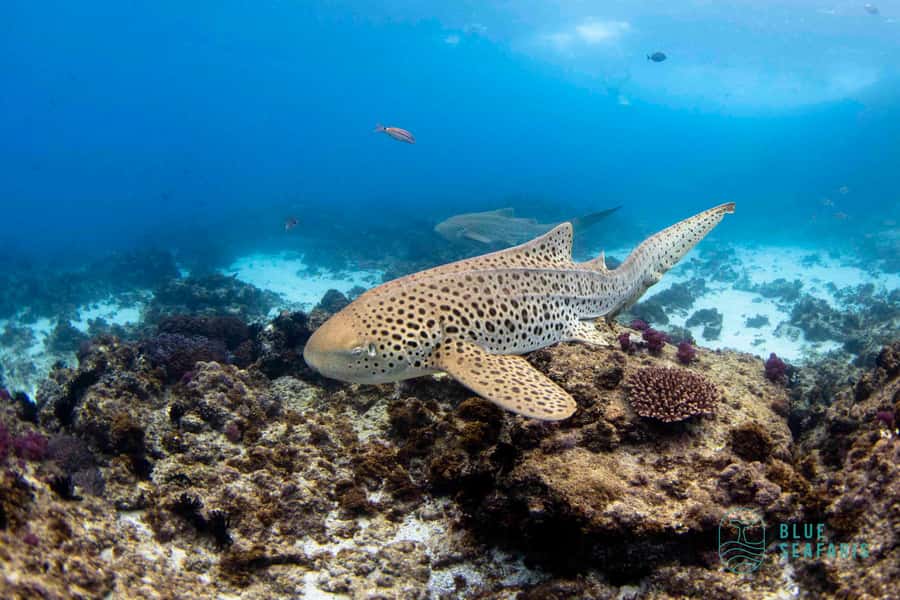
Julian Rocks, known by the local Arakwal name Nguthungulli, is the sort of place where the trip can turn extraordinary before you even reach the snorkel site. Warm tropical water meets cooler temperate water here, drawing turtles, rays, leopard sharks, wobbegong sharks, dolphins, and huge schools of fish just off Byron Bay.
I like two things right away: the quick, exciting boat ride from Brunswick Heads and the small-group feel in the water. Guides including Will, Cristiana, Scott, and Kai have helped people spot animals and feel at ease. The main caution is simple: you must be comfortable swimming in open water, and the sea can be choppy or visibility can drop after rain.
Key points to know before booking
- Julian Rocks is a marine wildlife meeting point: Tropical and temperate currents bring an unusual mix of species close to shore.
- Leopard sharks are a frequent highlight: Turtles, rays, wobbegong sharks, colorful fish, dolphins, and seasonal whales are also possible.
- The boat leaves from Brunswick Heads: Allow about 15 minutes from Byron Bay, not a departure from Byron’s main beach.
- You get the essential gear: A mask, fins, wetsuit, and marine biologist guide are included.
- The tour lasts 150 minutes: This includes the boat ride and about 90 minutes around Julian Rocks.
- You need open-water confidence: Pool noodles are available, but flotation jackets are not provided for non-swimmers.
Why Julian Rocks attracts so much marine life
Julian Rocks sits off the most easterly point of mainland Australia, where different water systems meet. That mixing helps explain why this compact marine sanctuary can support such a surprising range of animals.
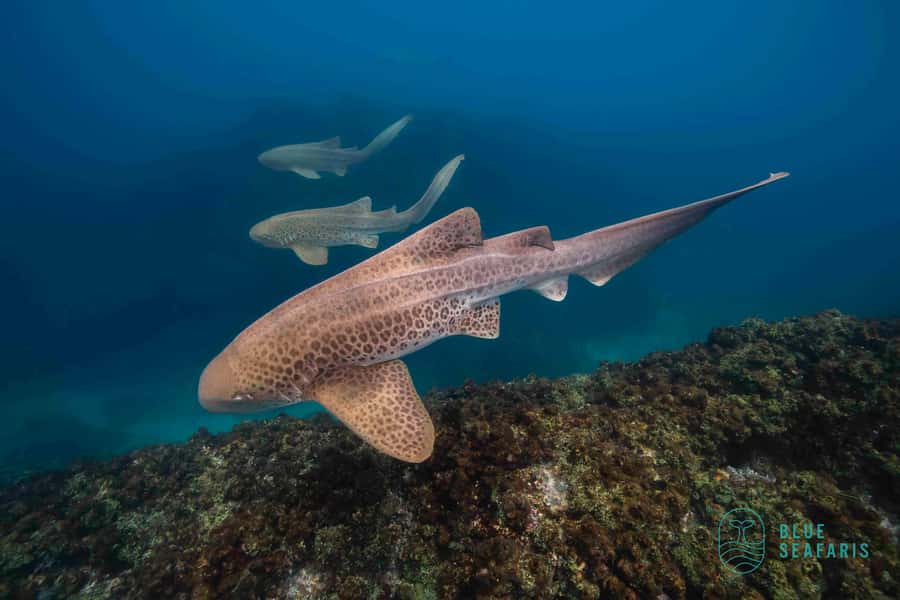
You may see leopard sharks resting over the sandy bottom, turtles moving through the shallows, or rays gliding past the rocks. The fish life can be just as impressive, with blue groper, wrasse, pufferfish, barracuda, lionfish, and smaller brightly colored species all appearing on different outings.
The site is also known for wobbegong sharks, eagle rays, manta rays, dolphins, and, in the right season, whales. These are wild animals, not guaranteed attractions, so your experience depends on the day, the visibility, the tide, and plain luck.
That uncertainty is part of the appeal, but you should book this as a wildlife search rather than a fixed show. One morning may bring turtles and several leopard sharks. Another might produce dolphins from the boat but fewer rays in the water. The guide’s ability to read the site and point out well-camouflaged animals matters a great deal.
More snorkelling spots near Byron Bay:
- Byron Bay: Snorkeling Tour at Julian Rocks, Nguthungulli
★ 4.6 · 149 reviews - Byron Bay: Nguthungulli Julian Rocks Snorkeling Tour
★ 4.7 · 80 reviews - Brunswick Heads: Snorkelling in Byron Bay
★ 4.8 · 56 reviews
Leaving Brunswick Heads on Wardjum
The meeting point is at 43 Harbour Way, Brunswick Heads Boat Harbour, about 15 minutes north of Byron Bay and roughly 30 minutes south of Coolangatta. Look for the large Blue Seafaris banner near the marked Google Maps location, then park nearby.
The boat is called Wardjum, a Bundjalung word referring to a mythical sea creature. The 15-minute ride to Julian Rocks is short, but it is not a quiet transfer. This is a speedboat trip, and several outings have included a lively run over the waves.
I like this use of time. You get coastal views and a taste of open sea without spending half the morning in transit. The boat may also pass dolphins, and the skipper can sometimes pause to watch them. Humpback whales are commonly seen from June through November, while manta rays and leopard sharks are most often seen from November through May.
The trade-off is motion. Choppy water can make the ride fun if you enjoy a brisk boat trip, but it may be uncomfortable if you are prone to seasickness. A seasickness tablet taken before departure is a sensible idea if you know you need one. Bring a towel or warm jacket for the ride back, too. You may be wet, and wind can make the return trip feel cool even after a warm swim.
Ninety minutes around the rocks
Once the boat reaches Julian Rocks, you spend about 1.5 hours swimming, snorkeling, watching marine life, and exploring the water around the rock formations. The area is described as protected and relatively shallow, with some outings reporting depths of around four metres.
That makes the site approachable for people who are new to snorkeling, while still giving stronger swimmers and breath-hold swimmers plenty to look for. The guide stays with the group, and the boat remains nearby. Cristiana, for example, was praised for patiently supporting a partner who felt nervous at first, while other guides have helped people work at their own pace.
Still, shallow does not mean effortless. You are in open water, not a swimming pool. Waves, current, saltwater, and changing visibility all require you to stay alert and follow instructions. Pool noodles are available, but there are no flotation jackets for non-swimmers.
The best part of the guided format is the search itself. Marine animals can blend into rock and sand, and a guide who knows where to look can turn an ordinary patch of water into a succession of sightings. You might be shown a sleeping turtle, a wobbegong tucked beneath a ledge, a ray passing over the bottom, or a school of fish that only becomes visible when the guide points it out.
What you might see beneath the surface
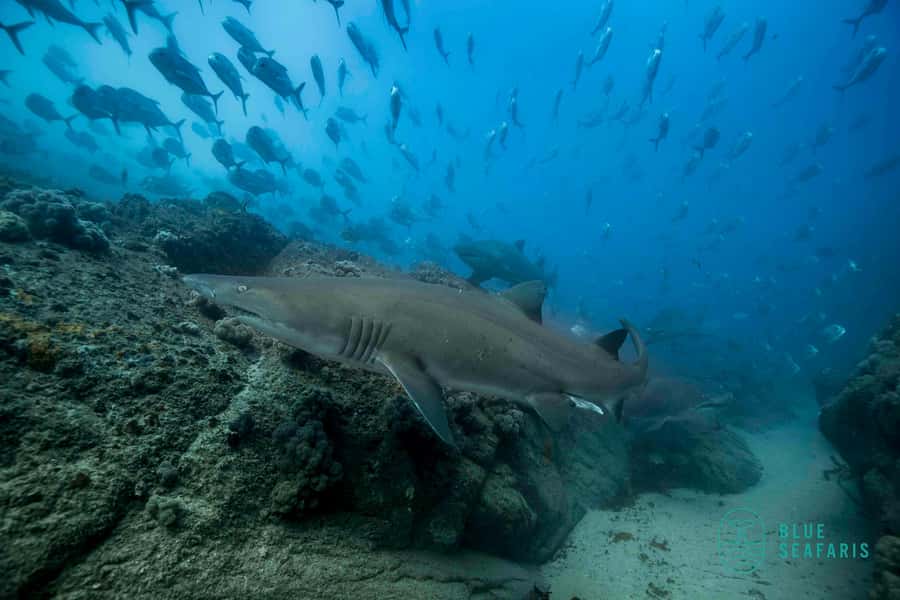
Leopard sharks are the most reliable headline attraction. Multiple outings have recorded several of them, sometimes in large numbers. Despite the name, these are generally calm, harmless sharks, and seeing them resting below you is very different from the tense image many people associate with sharks.
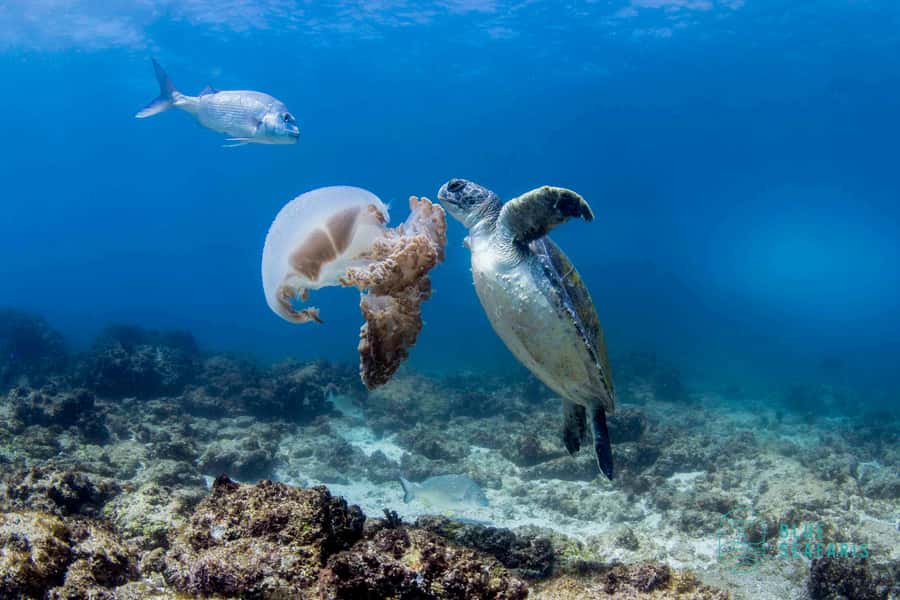
Turtles are another strong possibility. Sightings have included multiple turtles on one outing, as well as a large turtle resting quietly near the rocks. They can be easy to miss if you are scanning too quickly, so follow the guide’s direction and slow your breathing.
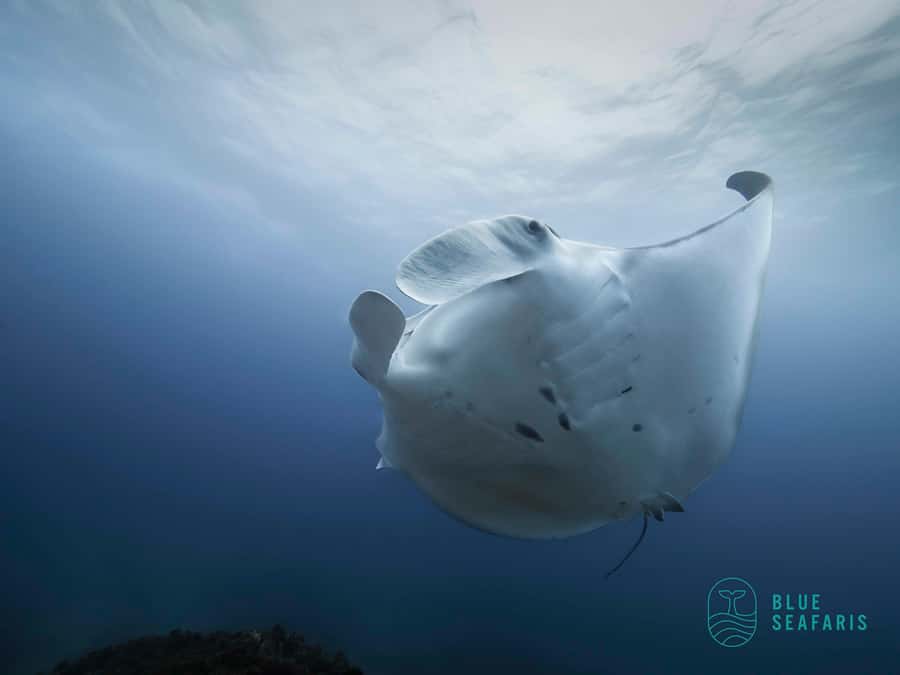
Rays add movement and scale. Eagle rays, stingrays, and manta rays have all been seen. A manta passing close to the group can be the defining moment of the trip, but there is no promise that one will appear on your departure.
The smaller animals fill in the picture. Depending on conditions, you could see blue groper, wrasse, pufferfish, barracuda, lionfish, moray eels, jellyfish, and many smaller reef fish. One useful point from the experience is that the wildlife is not limited to one or two photogenic species. Even when the larger animals stay away, the rocks can remain busy with fish.
Dolphins and whales are more likely to be seen from the boat than during the snorkel itself. Dolphins have prompted detours on the way out or back, and humpback whales are a regular seasonal sight from June to November. You should treat these as welcome bonuses, not part of the core guarantee.
A few more Byron Bay half-days to weigh up
- Byron Bay: The Byron Bay Sea Kayak Tour
★ 4.6 · 1,207 reviews - Byron Bay: 2-Hour Small Group Surf Lesson
★ 4.8 · 657 reviews - Byron Bay: Glowworms, Waterfalls & Rainforest Experience
★ 4.8 · 497 reviews - Glow-worms, Waterfalls & Rainforest Experience
★ 5.0 · 459 reviews
The guides make the difference
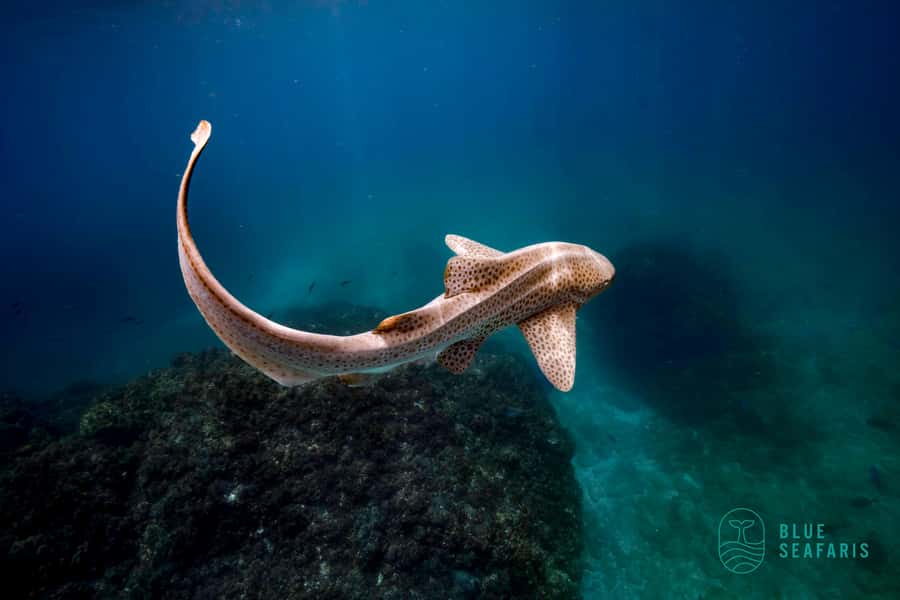
The tour includes a marine biologist guide, which gives the outing more purpose than simply being dropped at a snorkeling site. The guide’s job is to help you find animals, explain what you are seeing, monitor the group, and keep the pace manageable.
Names attached to particularly praised outings include Will, Cristiana, Scott, Kai, Michael, and Scottie, along with skippers who have stopped for dolphins and kept nervous swimmers comfortable. The exact guide will depend on the departure, but the pattern is clear: the staff combine safety instructions with practical wildlife spotting.
I especially value the support for mixed-ability groups. A confident swimmer can look for animals and explore at a relaxed pace, while a beginner can stay close to the guide and boat. That said, the tour is not suitable for someone who cannot swim comfortably in open water. The staff can offer pool noodles, but they do not provide flotation jackets for non-swimmers.
Before entering the water, expect clear safety guidance. Stay with the group, listen for directions, and do not assume that a calm-looking surface means conditions are easy below. This is a wildlife outing in the ocean, with all the unpredictability that implies.
Equipment, comfort, and practical limits
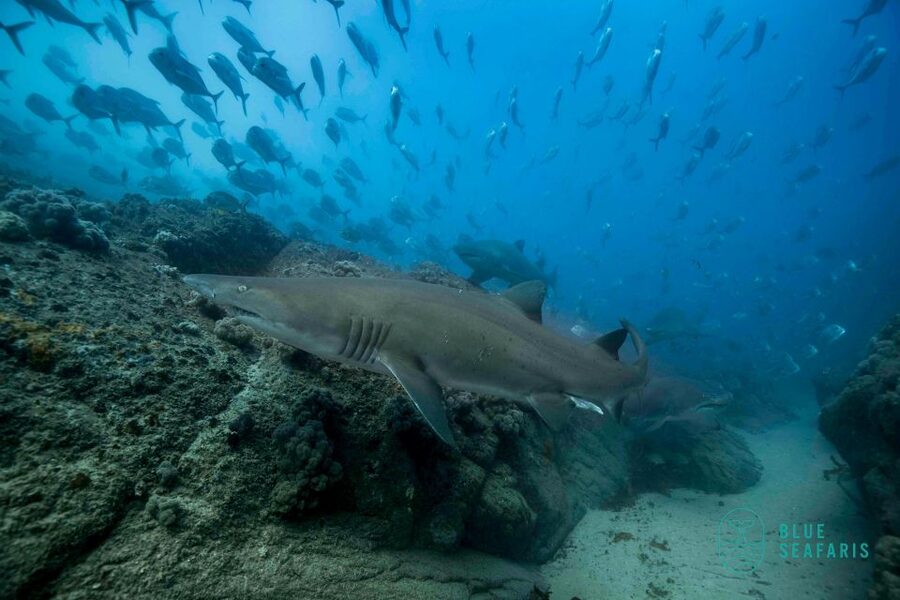
A quality mask, fins, and wetsuit are included. Several outings found the equipment clean and in good condition, with one swimmer specifically noting that the mask did not leak. The wetsuit also provides warmth and some protection from jellyfish, which have been seen around the site.
Bring a sun hat, biodegradable sunscreen, and a reusable water bottle. You will not need to carry much into the water because the main equipment is supplied, but a towel and an extra layer are useful for the return trip.
One practical limitation is the lack of a toilet onboard on at least one outing. Use the facilities before leaving Brunswick Heads. It is a small detail, but it matters during a 150-minute trip involving boat travel and time in the water.
Weather affects the outing in two ways. The tour operates only when ocean conditions are suitable, and a change in conditions can lead to rescheduling. Rain can also stir up sand and reduce visibility, though wildlife may still be abundant. Do not judge the entire experience by the forecast alone, but do pay attention to weather messages before you leave.
Is $91 a fair price?
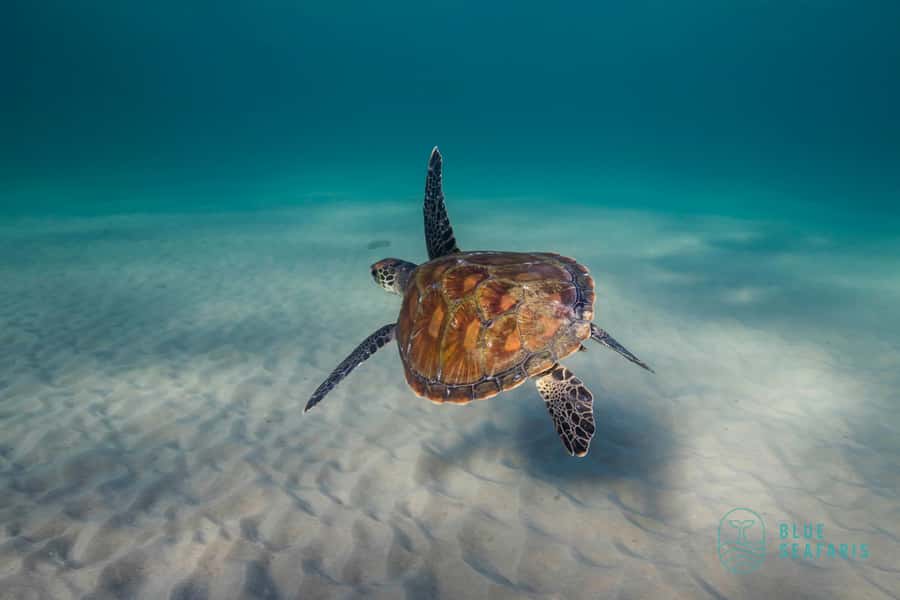
At $91 per person, this is a reasonable price for a 150-minute marine wildlife trip, especially because the cost includes the boat, wetsuit, mask, fins, and marine biologist guide. You are not paying only for transport. You are paying for access to a protected site, the equipment to use there, and a guide who can help you find animals you would probably swim past alone.
The small-group format improves the value. One outing described a group of 10, which is intimate enough for the guide to keep track of people and point out wildlife without turning the experience into a crowded water exercise. Group size can vary, so do not assume every departure will be identical.
The price makes most sense if you want a focused ocean activity rather than a general sightseeing cruise. If you are mainly interested in a guaranteed whale or dolphin encounter, this is not the right product. If you want a strong chance of seeing a wide range of marine life in a short outing, the cost is easier to justify.
Who will enjoy this most?
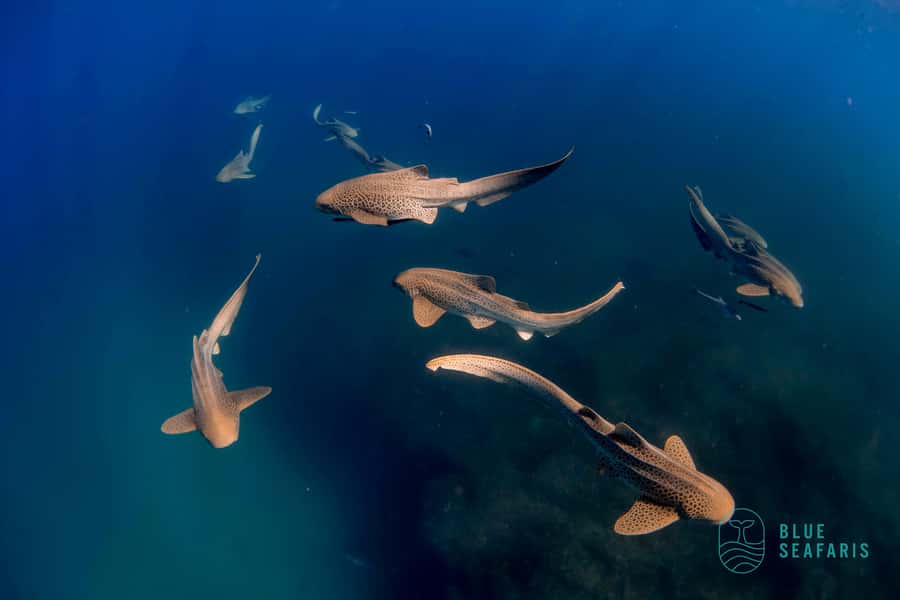
I would recommend this tour to confident swimmers, first-time snorkelers who are comfortable in open water, couples, solo visitors, and families with children aged seven and older who meet the swimming requirement. The guides appear able to support different experience levels, but everyone must manage the basic demands of the sea.
It is also a good fit for anyone staying in Byron Bay who wants to see the coast from a faster, more active angle. Brunswick Heads adds a pleasant extension to the day, with places to eat afterward. Plan your return transport carefully if you are not driving, since ride availability in Brunswick Heads can be limited.
The tour is not suitable for children under seven, pregnant women, people with back problems, non-swimmers, people over 110 kilograms, or people over 70. Those restrictions are worth taking seriously, particularly the swimming requirement and the speedboat ride.
Timing and seasonal wildlife
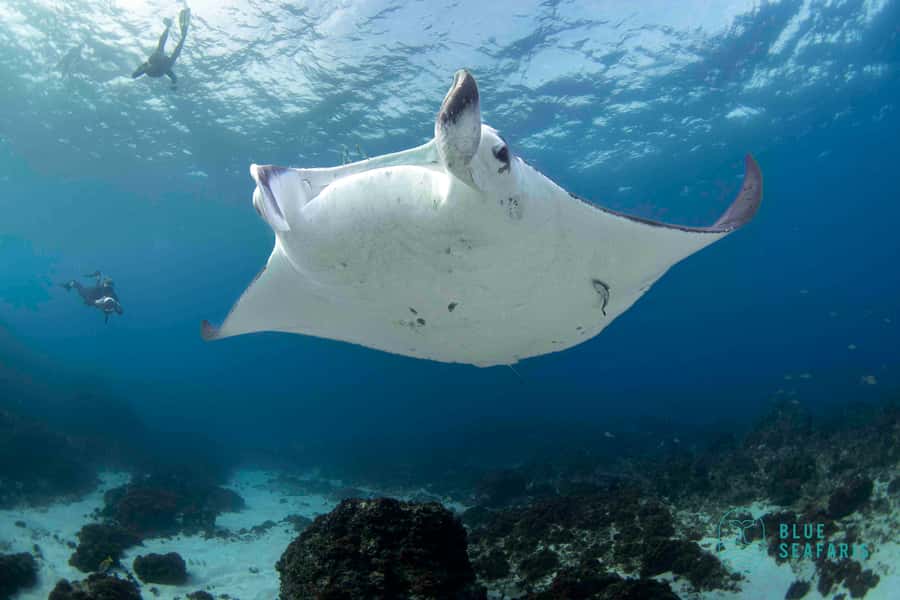
The strongest animal sightings change with the calendar. Humpback whales are a daily sight from June through November according to the tour information, while manta rays and leopard sharks are most often seen from November through May.
That does not mean you will see every seasonal species on every trip. A summer outing might include leopard sharks, turtles, rays, and dolphins. A winter departure could offer whales along with turtles and fish. Conditions still control visibility and access to the site.
If a particular animal is your priority, ask about recent local conditions when you book or arrive. Go with realistic expectations, then enjoy the extra sightings when they come.
Should you book the Julian Rocks snorkel tour?
Book it if you are comfortable in open water and want a compact, wildlife-focused adventure. The combination of a fast boat ride, a small group, supplied gear, and a marine biologist guide gives you a lot in two and a half hours.
I would be especially keen to book from November through May if leopard sharks or manta rays are high on your list, or from June through November if whale watching matters most. Just remember that nature sets the schedule. Choppy seas, rain, and animal behavior can change the day.
Skip it if you cannot swim confidently, dislike boat motion, need a flotation jacket, or want a guaranteed animal encounter. For everyone else, $91 is a fair way to reach one of Australia’s most active snorkeling sites without needing your own equipment or local knowledge.
FAQ
Where does the Julian Rocks tour depart from?
The tour departs from Brunswick Heads Boat Harbour at 43 Harbour Way, about 15 minutes north of Byron Bay. Look for the large Blue Seafaris banner near the marked meeting point.
How long does the experience last?
The full experience lasts 150 minutes. The boat ride to Julian Rocks takes about 15 minutes, followed by approximately 1.5 hours around the rocks before returning to Brunswick Heads.
What equipment is included?
A mask, fins, and wetsuit are included. A marine biologist guide is also part of the tour.
Do I need to be a strong swimmer?
You must be comfortable swimming in open water. Pool noodles are available, but flotation jackets are not provided for non-swimmers.
Can children join the tour?
Children under seven are not permitted. Older children must still be comfortable swimming in open water.
When are whales most often seen?
Humpback whales are commonly seen from June through November.
When are manta rays and leopard sharks most often seen?
Manta rays and leopard sharks are most often seen from November through May.
What marine life could I see?
Possible sightings include turtles, manta rays, eagle rays, stingrays, leopard sharks, wobbegong sharks, dolphins, whales, moray eels, blue groper, wrasse, pufferfish, barracuda, lionfish, jellyfish, and many other fish.
What should I bring?
Bring a sun hat, biodegradable sunscreen, and a reusable water bottle. A towel or warm jacket is also useful for the boat ride home because you may feel cold in wet swimwear.
What happens if the ocean conditions change?
Tours operate only in favorable ocean conditions. If conditions change, Blue Seafaris will notify you about rescheduling by email and SMS, so check both before departure.
Just added around Byron Bay
- Small-Group Surfing Lessons in Byron Bay★ 5.0 · 131 reviews
- E-Bike Rentals: Daily Hire Byron Bay and Tweed Coast Areas★ 5.0 · 27 reviews
- Private Surf Lessons Kool Katz 1 Day★ 4.5 · 70 reviews
- Experience The Thrill Half Day Surf School in Byron Bay★ 5.0 · 37 reviews
- Half Day Learn to Surf Tour From Byron★ 5.0 · 31 reviews
- Half Day Guided Surf Lesson in Byron Bay★ 5.0 · 160 reviews
- Near Gold Coast: Crystal Castle Admission Ticket★ 4.5 · 116 reviews
- Cape Byron Aboriginal Tour★ 5.0 · 29 reviews
Byron Bay Tours, compared.
Behind The Bay Waterfalls & Hidden Gems Day Tour
Read our review →
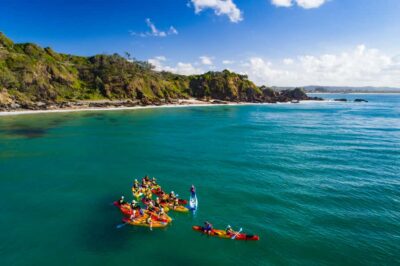
Kayaking with Dolphins in Byron Bay Guided Tour
Read our review →Browse the lists this tour appears in