
Review · HOBART TOURS
Bonorong Wildlife Sanctuary Guided Night Tour
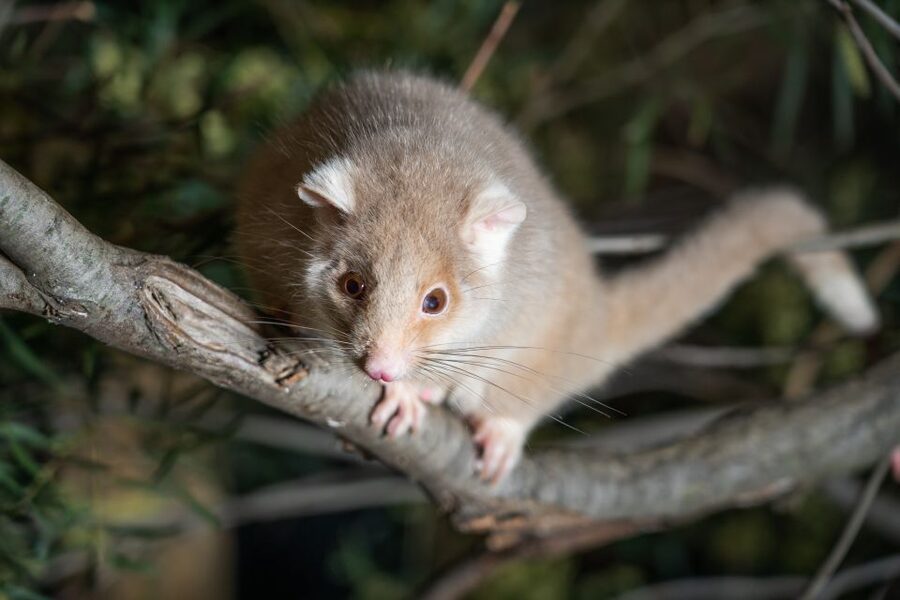
The best part of Bonorong Wildlife Sanctuary’s night tour is that you do not simply look at Australian animals through a fence. You step into their world at feeding time, offering food under a keeper’s direction and watching Tasmanian devils tuck into dinner. I especially like the small group format, which gives you more time with each animal, and the way the tour links every encounter to rehabilitation and release. The main catch is that feeding and touching are never guaranteed, since the animals’ welfare comes first.
I also like the clever timing. You begin with dinner for the daytime animals, then move on to breakfast for nocturnal species as they wake up. You may meet Eastern quolls, tawny frogmouths, sugar gliders, Forester kangaroos, and other wildlife, but you need to follow the keeper’s instructions closely and accept that staff can end an enclosure visit at any point.
Key points at a glance
- Tasmanian devil feeding: Help the keeper serve dinner to one of Tasmania’s best-known native animals.
- Small-group access: The tour is kept small so you have a fair chance to take part in feeding and supervised contact.
- Day turns into night: Feed daytime animals first, then see nocturnal creatures begin their morning routine.
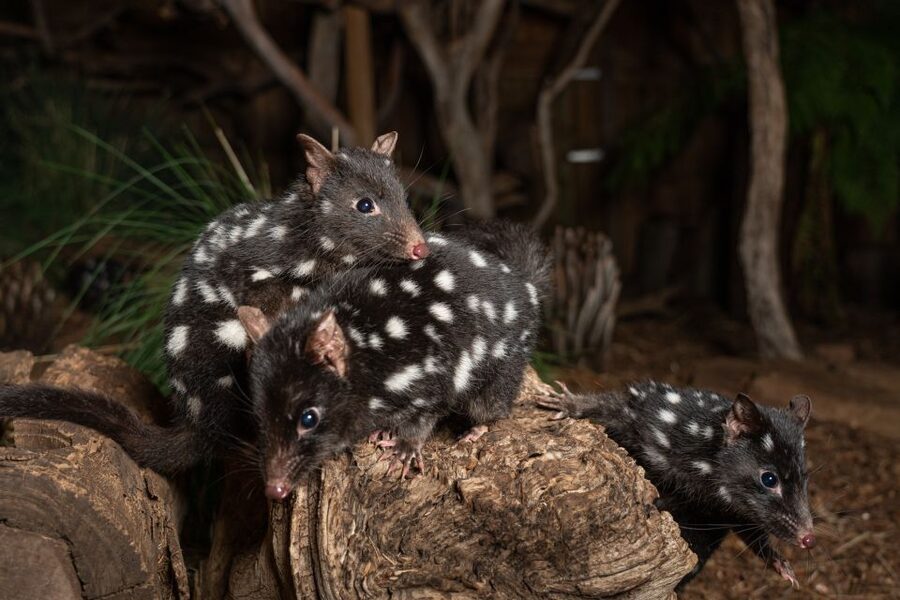
- Unusual animal encounters: Look for Eastern quolls, tawny frogmouths, sugar gliders, and other rescued wildlife.
- Forester kangaroos: Meet Bonorong’s friendly kangaroo mob during a memorable part of the visit.
- Wildlife care lesson: Learn how injured and orphaned animals are cared for and prepared for a possible return to the wild.
Why the night tour feels different from a normal wildlife visit
Bonorong’s evening tour changes the pace of a sanctuary visit. Instead of walking around on your own during opening hours, you follow a keeper through feeding rounds after most daytime activity has ended. The animals become the focus, and the guide’s job is to help you understand what you are seeing.
The tour lasts 2.5 hours, long enough to include several feeding stops without feeling like a quick photo opportunity. You are not promised a fixed list of animal interactions, but the plan includes feeding almost all of the sanctuary’s animals in some form. That makes the experience feel active, while still leaving room for staff to adjust the program around animal welfare.
I like the idea of seeing both sides of the sanctuary’s schedule. The daytime residents receive dinner, while nocturnal animals are beginning their breakfast period. That small detail helps explain why some animals are alert and active at night, while others are settling down.
You should arrive 15 minutes before departure. Wear comfortable shoes and warm clothing, since the tour takes place in the evening and includes movement around the sanctuary. Comfortable clothes are also sensible if you are kneeling, reaching, or standing near an enclosure under supervision.
More wildlife days around Hobart:
- Day Tour in Mt. Field, Mt. Wellington, Bonorong Wildlife Sanctuary and Richmond
★ 5.0 · 735 reviews - From Hobart: Mt. Field, Mt. Wellington and Wildlife Day Tour
★ 4.8 · 261 reviews - Bonorong Wildlife Sanctuary Half-Day Tour from Hobart
★ 4.5 · 158 reviews
Starting with dinner for the daytime animals
The tour begins with the animals that are still finishing their daytime routine. Feeding them first gives you a useful point of comparison for what comes later. You may see animals that are calmer at this hour, then watch the nocturnal residents become more alert as their morning begins.
Feeding is done under the keeper’s direction. The food, method, and amount depend on the animal, and you may be invited to take part when it is appropriate. Do not expect to hold an animal or feed every species yourself. The sanctuary makes clear that touching and feeding depend on staff judgment and the animal’s condition.
That rule is a good one. A wildlife encounter is better when the animal has a choice and the keeper remains in control. You may have a close view, offer food, or gently pat an animal under supervision, but the tour is not designed around picking up wildlife for photographs.
The guide also explains the stories behind the animals in care. Some are recovering from injuries, while others are orphans. The important point is not just seeing a cute animal at close range. You learn what care is needed and how the sanctuary works toward getting suitable animals back into the wild.
Meeting Eastern quolls, tawny frogmouths, and sugar gliders
The nocturnal part of the tour is where Bonorong’s program becomes especially distinctive. Eastern quolls, tawny frogmouths, and sugar gliders are very different animals, so each encounter gives you a new way to look at Tasmanian wildlife.
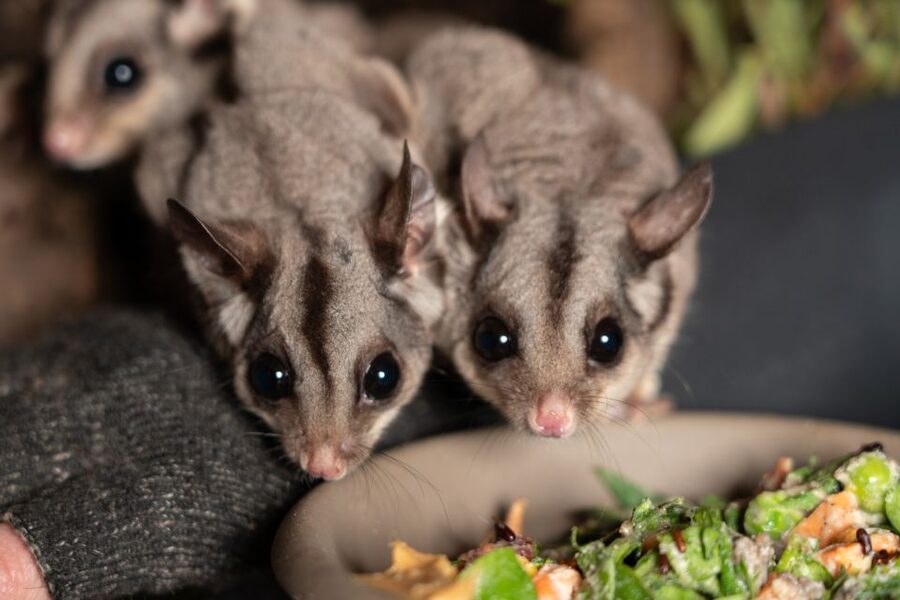
Eastern quolls are small and lively marsupials, and seeing them at feeding time gives you a better sense of their behavior than a quick daytime glimpse. Sugar gliders bring a completely different character, with their small size and nighttime habits. The keeper helps you understand how to approach each animal and how the food is offered.
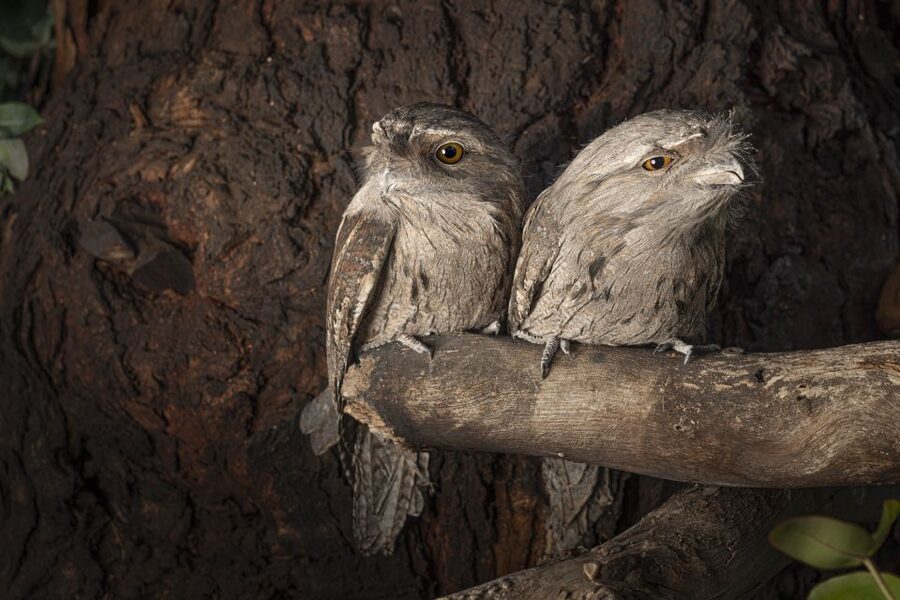
Tawny frogmouths are another treat. Their name can make them sound like owls, but they are a separate kind of bird. On this tour, you can see one at close range and learn how its feeding routine fits into the sanctuary’s care work.
These encounters are best for people who enjoy small details. You may not get a dramatic animal performance, and the animals do not perform on command. The reward is seeing natural behavior at a time when these species are active, along with a keeper who can explain what is happening.
A guide named Johnny received particular praise for being friendly and making the feeding fun. Guides can vary by departure, but the format depends on having a keeper who can manage the animals while giving your group clear instructions in English.
Helping with the Tasmanian devils’ dinner
The Tasmanian devil feeding is the headline moment for many visitors. You help the guide feed the devils their dinner, gaining a close look at an animal that is often reduced to a cartoon image or a quick stop on a Tasmania itinerary.
The real encounter is more useful than that. You see the devils in a care setting and learn about their needs from the person responsible for the feeding. Since staff control the interaction, you should expect to assist only when the keeper says it is suitable.
This is also a good place to keep expectations realistic. You will not be able to hold the devils, and the keeper can ask you to leave an enclosure at any time. That may sound strict, but it protects both people and animals. A supervised feeding is a much better arrangement than an uncontrolled attempt to get close.
The sanctuary’s work with injured and orphaned animals gives this stop added meaning. You are not simply buying a photo with a devil. You are seeing part of a care program and hearing how the animals may be prepared for life in the wild when their condition allows it.
More evenings out in Hobart:
- Pinnacles Desert: Sunset BBQ & Stargazing Tour +Sandboarding
★ 4.8 · 1,555 reviews - Sydney Harbour Sunset Dinner Cruise from Darling Harbour
★ 4.0 · 1,122 reviews - Great Ocean Road Full-Day Sunset Eco Tour from Melbourne
★ 5.0 · 1,085 reviews - Pinnacles Desert Sunset Dinner and Stargazing Tour
★ 5.0 · 1,034 reviews
Spending time with the Forester kangaroo mob
The Forester kangaroos provide a gentler change of pace after the smaller nocturnal animals and the devils. Bonorong describes this group as friendly, and meeting the mob is one of the tour’s special moments.
Kangaroos are familiar symbols of Australia, but a close supervised encounter can still be surprisingly personal. You get a chance to observe their size, movement, and feeding habits without treating them like props. The keeper will tell you what to do and where to stand.
This stop may appeal most to families and first-time visitors who want a recognizable Australian animal alongside the less familiar quolls and sugar gliders. Children can enjoy the kangaroos, but anyone under 16 must be accompanied by a paying adult. Parents and guardians remain responsible for participating children throughout the tour.
Keep in mind that friendly does not mean available for unlimited contact. The same welfare rules apply here. You may be allowed to pat an animal under supervision, but holding animals is not part of the experience.
What the small group format adds
The small group is one of the strongest practical reasons to choose this tour. Feeding rounds can become frustrating when too many people crowd around a keeper. A smaller group gives you more room to hear the explanation, follow instructions, and take part when feeding is offered.
It also makes the encounter feel less rushed. You can watch an animal react to food, ask a question, and let the keeper explain what you are seeing. The tour still follows a schedule, but it is not just a walk past a row of enclosures.
The exact group size is not stated, so I would not book expecting a private tour. The key point is that Bonorong limits numbers to give each participant a better chance to interact. That makes the $115 price easier to assess, especially if you value access and guidance over simply entering the sanctuary.
Admission, the 2.5-hour tour, feeding, and an English-speaking guide are included. Food, drinks, and transport are not included. If you are staying in Hobart, you need to arrange your own way to the sanctuary and plan around the evening departure.
Is $115 a fair price?
At $115 per person, this is not the cheapest way to see Australian wildlife. You are paying for more than standard admission, though. The price includes a guided after-hours visit, feeding opportunities, a small group, and access to animals during a time when nocturnal species are active.
The value is strongest if you want interaction and explanation. A standard sanctuary visit may suit you better if you prefer to walk at your own pace, spend only a short time with the animals, or avoid an evening commitment. This tour makes more sense when the feeding rounds are the main reason you are visiting Bonorong.
I would also count the animal-care context as part of the value. The tour shows you animals recovering from injury or living at the sanctuary as orphans, and it explains how staff work toward release where possible. That gives the visit a purpose beyond entertainment.
Still, keep the limits in mind. The $115 price does not guarantee that you will feed or pat a particular animal. You are paying for a well-supervised opportunity, not a fixed collection of hands-on moments.
Who will enjoy this most?
I would recommend the tour to anyone with a strong interest in Australian wildlife, especially if you have already seen common kangaroo exhibits and want something more focused. The Eastern quolls, tawny frogmouths, sugar gliders, and Tasmanian devils give the evening a good mix of familiar and unusual species.
It is also a good choice for families with children old enough to follow instructions. A paying adult must accompany anyone under 16, and children need close supervision throughout. The animals’ needs come first, so this is not the right outing for a child who expects to hold every creature.
Wildlife photographers should be cautious about expectations. The tour may offer close views, but it is a feeding experience rather than a dedicated photography session. Evening conditions, enclosure rules, and animal behavior may limit your chances for a perfect image.
The tour is wheelchair accessible, which makes it more suitable for a wider range of visitors. You should still arrive early and tell the provider about any needs when booking, since the activity includes moving through animal areas and following keeper instructions.
Practical details that shape the evening
The tour is usually offered in the evening and runs for 2.5 hours. Arrive 15 minutes early, wear warm clothing, and choose shoes that are comfortable for standing and walking.
English is the tour language. The guide leads your group and explains how to approach the animals, where feeding is suitable, and when contact must stop. Every participant must agree to follow the keeper’s instructions.
Severe weather or animal welfare concerns can lead to cancellation. If that happens, participants are offered an alternative encounter or a full refund. You can also cancel up to 24 hours before the scheduled start for a full refund.
The provider does not include transport, food, or drinks. Plan your evening around that fact, especially if you are visiting from Hobart and need to make your own way to Bonorong Wildlife Sanctuary.
Should you book the Bonorong night tour?
Book it if you want a close, guided look at Tasmanian wildlife and like the idea of helping with feeding rather than simply viewing animals. The small group, Tasmanian devil dinner, Forester kangaroos, and access to nocturnal species make this a strong choice for a special evening in Tasmania.
Skip it if you need guaranteed contact with a particular animal, dislike guided schedules, or are looking for the least expensive sanctuary visit. Feeding and patting depend on the keeper, and the animals always have the final say.
For me, the best reason to book is the combination of access and purpose. You get unusual animal encounters, but you also learn why some animals are at Bonorong and what recovery may look like. At $115, it is a splurge, but a worthwhile one for an animal-focused evening that feels personal, careful, and distinctly Tasmanian.
FAQ
How long does the Bonorong Wildlife Sanctuary night tour last?
The tour lasts 2.5 hours and is usually offered in the evening.
What animals can I see?
The tour may include Eastern quolls, tawny frogmouths, sugar gliders, Tasmanian devils, and Forester kangaroos. You are also expected to help feed many of the sanctuary’s other animals, depending on keeper guidance.
Can I feed or hold the animals?
You may be offered the chance to feed animals when the keeper considers it suitable, but feeding is not guaranteed. You cannot hold animals, though supervised patting may be allowed where appropriate.
Is transport included?
No. Transport, food, and drinks are not included in the price.
What should I bring?
Bring comfortable shoes, warm clothing, and comfortable clothes suitable for an evening tour.
Can children join the tour?
Yes. Children under 16 must be accompanied by a paying adult, and parents or adult guardians are responsible for participating children throughout the activity.
Just added around Hobart
- 7-Day Super Value Tour of Tasmania: Explore Tasmania’s West and East Coasts★ 5.0 · 77 reviews
- Hobart: Bruny Island Adventure: Hiking, Highlights & Local tastes★ 4.0 · 23 reviews
- Cascades Female Factory Historic Site [official]★ 4.5 · 110 reviews
- A Day At Wineglass Bay★ 5.0 · 33 reviews
- 5-Day Best of Tasmania Tour from Hobart★ 5.0 · 184 reviews
- 6-Day Tasmanian Explorer Adventure Tour from Hobart★ 5.0 · 66 reviews
- 4 Day Wild Tasmania Tour / Wildlife, Nature, Hiking / Inc. Accom★ 5.0 · 126 reviews
- Bonorong Wildlife Park and Richmond Afternoon Tour from Hobart★ 4.5 · 113 reviews
Hobart Tours, compared.
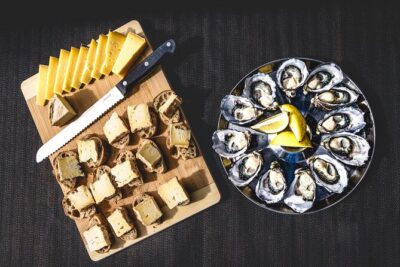
Bruny Island Food, Sightseeing, Guided Lighthouse Tour & Lunch
Read our review →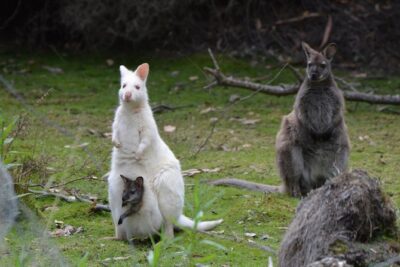
Full-Day Guided Bruny Island Tour from Hobart
Read our review →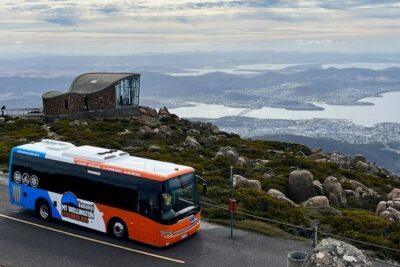
kunanyi/Mt Wellington Explorer Bus- Return Tour (2.5 hours)
Read our review →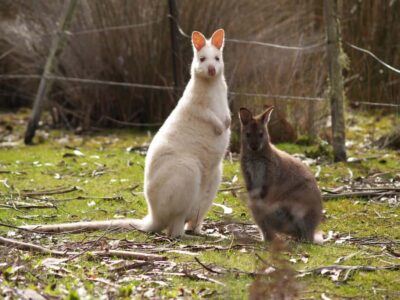
Bruny Island Food, Sightseeing & Lighthouse Day Tour
Read our review →
Bruny Island Traveller – Gourmet Tasting and Sightseeing Day Trip from Hobart
Read our review →
Browse the lists this tour appears in