
Review · AUSTRALIA
Anna Bay: Irukandji Entry Pass with Shallows Encounter
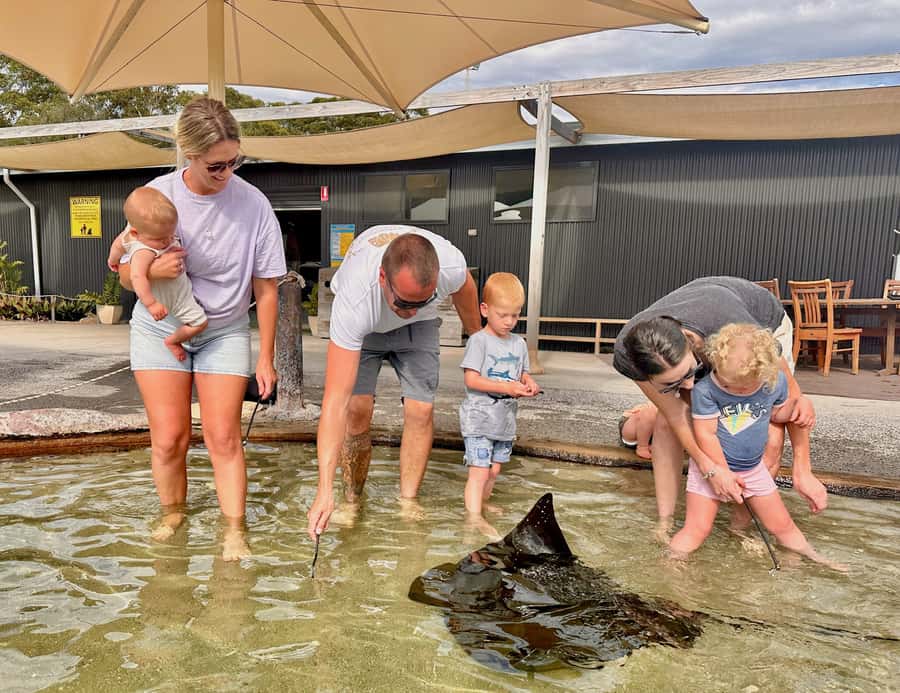
Irukandji Shark & Ray Encounters lets you leave the aquarium glass behind and stand ankle-deep among friendly rays and small sharks. You feed them from a stick, reach down to touch them, and hear keepers explain why these animals deserve more respect than fear.
I like the close contact with the animals and the way the staff turn feeding time into a lesson about marine life. I also like the price: at $29, you get two hours, lagoon access, talks, food, and hot showers without paying for a large, glass-fronted aquarium.
The main catch is simple: the Entry Pass keeps you in very shallow water. If you want more than wet feet and ankles, pay for the wetsuit upgrade early, since changing your mind later can cost time and limit your interaction.
Key points to know before you go
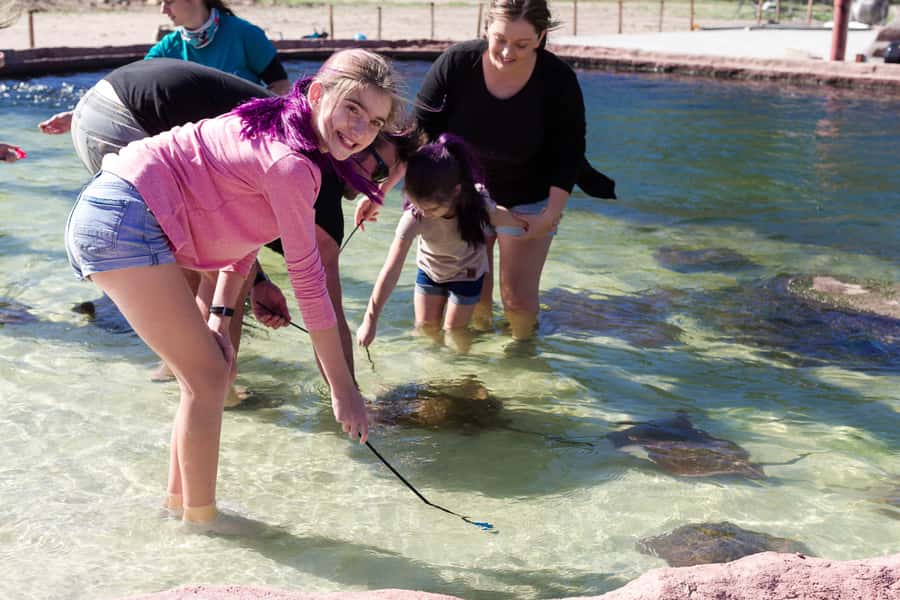
- Two natural-style lagoons: Meet rays in Fingill Lagoon, then see rays and sharks in Tropical Lagoon.
- Feed and touch the animals: Food and feeding sticks are provided at several locations.
- The basic pass is shallow: You can wade barefoot in your clothes, but swimming is not allowed.
- A wetsuit gives better access: The Discovery Pass upgrade lets you go farther into the water.
- Strong family appeal: Children can take part, though anyone under 12 needs an adult beside them in the water.
- Plan for a full visit: Tours run from 9 AM to 5 PM, but arrive by 3:30 PM so you have time for the entire experience.
Meeting sharks without an aquarium window
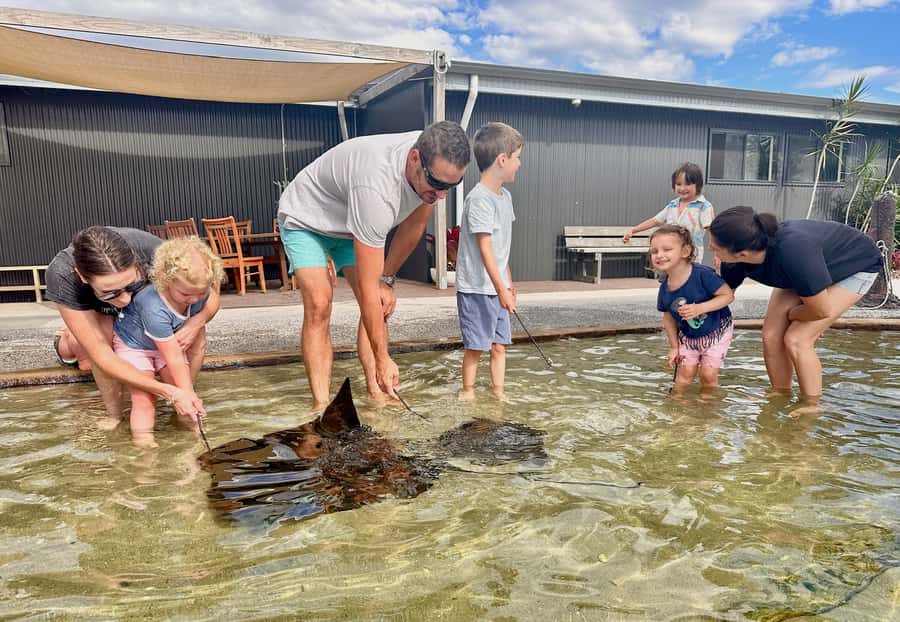
The first surprise at Irukandji is how direct the encounter feels. You are not standing behind glass while animals pass in front of you. You step into the lagoon shallows, lower a feeding stick into the water, and watch rays glide toward your feet.
That changes the mood completely. A shark in a tank can seem distant and mysterious. A shark brushing past your legs feels real. The experience gives you a useful lesson in animal behavior because you see how calm these creatures can be when they are handled with care.
Staff guide you through the safety rules before you enter. Keepers remain with the animals, explain how to offer food, and move you between the pools. This matters because the activity is hands-on, but it is not a free-for-all. You are given clear instructions and a chance to ask questions as you go.
You do not need to be an expert swimmer. In fact, swimming is not permitted. The activity is wading only, which makes it suitable for people who want close contact without committing to a full water session.
Other Australia days that fill the same trip:
- Sydney: Opera House Guided Tour with Entrance Ticket
★ 4.8 · 8,312 reviews - All Inclusive Blue Mountain,Scenic World,Lunch,Koalas,ferry
★ 5.0 · 7,832 reviews - Great Ocean Road Small-Group Eco Tour from Melbourne
★ 5.0 · 6,607 reviews
Fingill Lagoon and the friendly rays
Your first major stop is Fingill Lagoon, home to a large group of rays. These animals are curious and eager at feeding time. They glide over your feet and approach the sticks for food, giving you a chance to watch their movement at very close range.
You can reach down and gently pet them as they pass. Their skin does not feel the way many people expect, and the contrast between their smooth motion and their powerful bodies makes this part especially memorable.
For children, the rays are often the easiest animals to appreciate. They move slowly, come close, and do not have the sharp outline that makes some people nervous around sharks. A toddler can watch them from the edge, while an older child can take part in feeding under adult supervision.
Still, you should prepare young children for the sensation. A ray gliding over your foot may cause a quick squeal, even when the animal is harmless and gentle. If your child is unsure, start by watching another person feed the rays before reaching into the water.
The staff use this time to explain the animals and their place in the ocean. You get more than a quick pet and a photograph. The feeding helps you notice how the rays move, how they approach food, and how much control the keepers use during the encounter.
Tropical Lagoon brings in the sharks
The Tropical Lagoon adds more variety. You meet additional rays along with shark species including zebra sharks and brown-banded bamboo sharks. These are not the fast, open-water predators that many people picture. They are calmer animals suited to close observation in the shallows.
You can feed them and, with guidance, touch them as they swim by. The experience works best if you slow down and watch the animals rather than trying to reach for everything at once. Some sharks may pass close to you, while others may keep moving through the pool.
This is where the activity can challenge your expectations. You may arrive feeling nervous about touching a shark, then find yourself concentrating on its texture, shape, and quiet movement. The keeper talks help replace a cartoon idea of sharks with a more useful understanding of real animals.
The larger shark presentation is another key part of the visit. During the Big Shark Talk, keepers bring larger tawny nurse sharks and whitetip reef sharks into the shallow area. You can see these animals at close range while the staff discuss shark behavior and marine care.
Keep in mind that the timing of talks and feeding points can feel a little loose. The full-swim option has a more defined structure, while the basic Entry Pass may involve waiting for the next talk or moving between areas as staff direct you. Ask for an explanation of the order at the start so you can make the most of your two hours.
What the $29 Entry Pass really includes
At $29 per person, this is a good-value activity if you want active contact rather than a standard aquarium visit. Your ticket includes admission as a spectator, entry into the lagoon shallows, food at feeding locations, animal interaction, talks, and access to hot showers.
The price is especially fair for a family looking for a different kind of morning or afternoon activity. Several hours at a large aquarium can cost much more, and the basic pass gives you something a viewing tank cannot: the sensation of an animal moving over your feet.
The value depends on your expectations. This is not a full swimming session, and it is not a private encounter. You share the lagoons with other people, and the Entry Pass keeps you near the edge. If your main goal is to enter deeper water and spend more time beside the animals, the extra cost of a wetsuit or Discovery Pass may be worthwhile.
The basic option can also be a smart choice for mixed groups. One person can remain mostly dry while another decides to upgrade. You can wear your own clothes over swimwear, get your feet and ankles wet, and still take part in feeding and talks.
There is also an option to buy or use souvenir socks that cover your toes. The lagoons must be entered without shoes, so plan for bare feet unless you choose this option.
Same base, a completely different day out:
- From Melbourne: Great Ocean Road, 12 Apostles, Wildlife Tour
★ 4.7 · 6,020 reviews - Ocean Rafting: Whitehaven Beach, Snorkelling & Hill Inlet Lookout
★ 5.0 · 4,777 reviews - Laid back, Yarra Valley Wine Tour: Wine, Cider, Gin, Beer + Choc
★ 5.0 · 4,552 reviews - From Sydney: Blue Mountains Full-Day Trip
★ 4.5 · 4,471 reviews
Entry Pass or wetsuit upgrade?
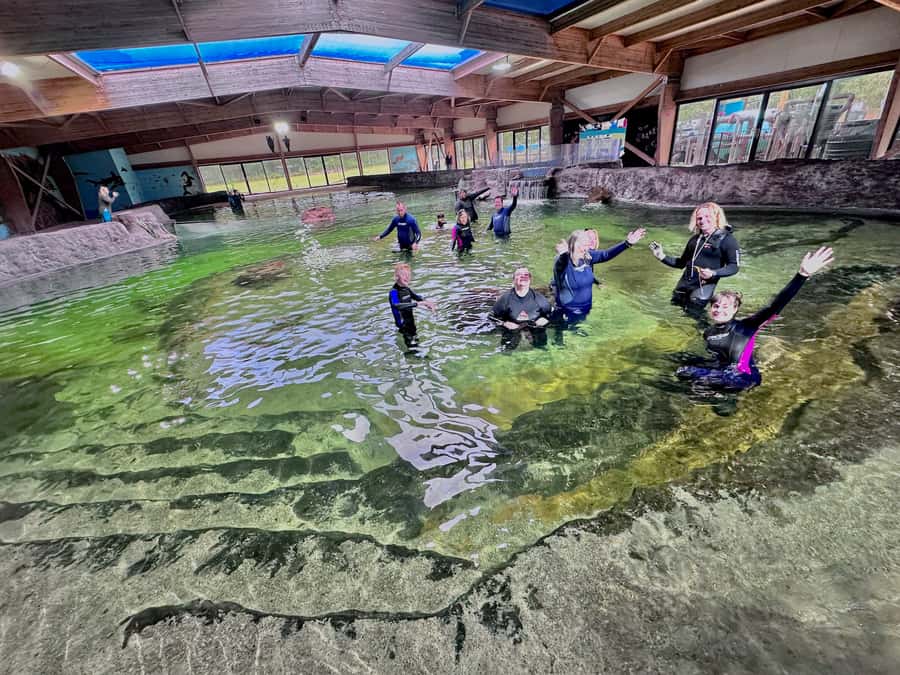
This is the decision that can shape your whole visit. With the Entry Pass, you wear clothes over swimwear and wade only in the shallows. Your feet get wet, and depending on where you stand, the water may not reach much above your ankles.
That setup suits you if you want to stay comfortable, avoid changing, or have a very young child who will only tolerate a short water session. It also lets you experience the animals without feeling as if you have signed up for a swim.
The drawback is limited reach. One adult found that the water barely covered the ankles, which made contact with the animals less satisfying. If you picture yourself standing farther into the lagoon while rays and sharks move around your legs, the standard pass may feel too restricted.
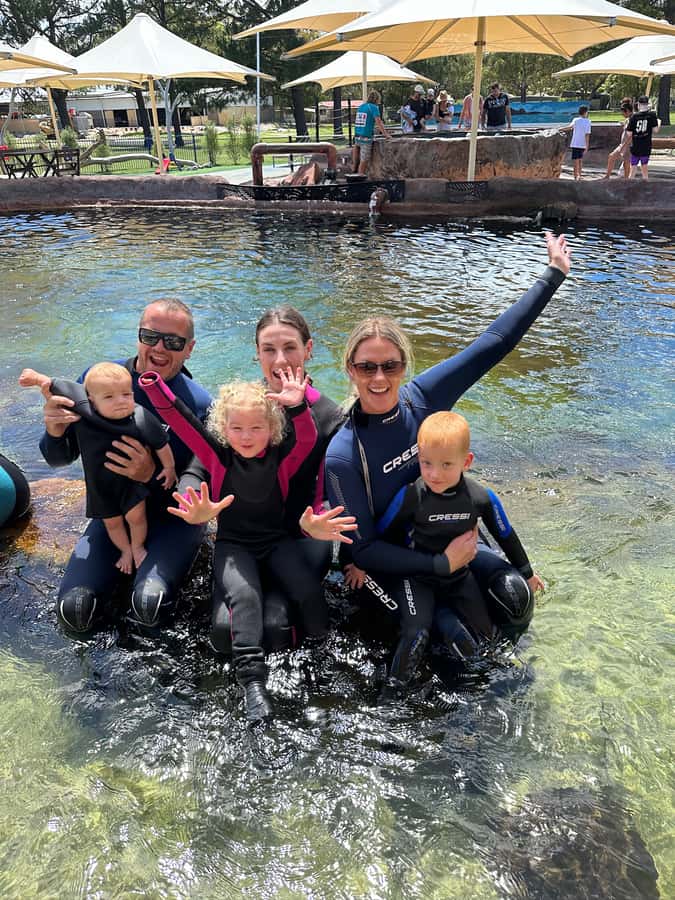
A wetsuit lets you go farther into the water and interact more fully. It is a particularly sensible choice in cooler weather, when wet clothes and bare legs can make the experience less pleasant. A family visiting in winter chose wetsuits and found the extra access worthwhile despite the chill.
My practical advice is to decide before you arrive. Changing into a wetsuit at the beginning prevents wasted time and avoids a queue while children wait. You can still stay in the shallows while wearing one, but you have the choice to move farther in.
A family activity with useful lessons
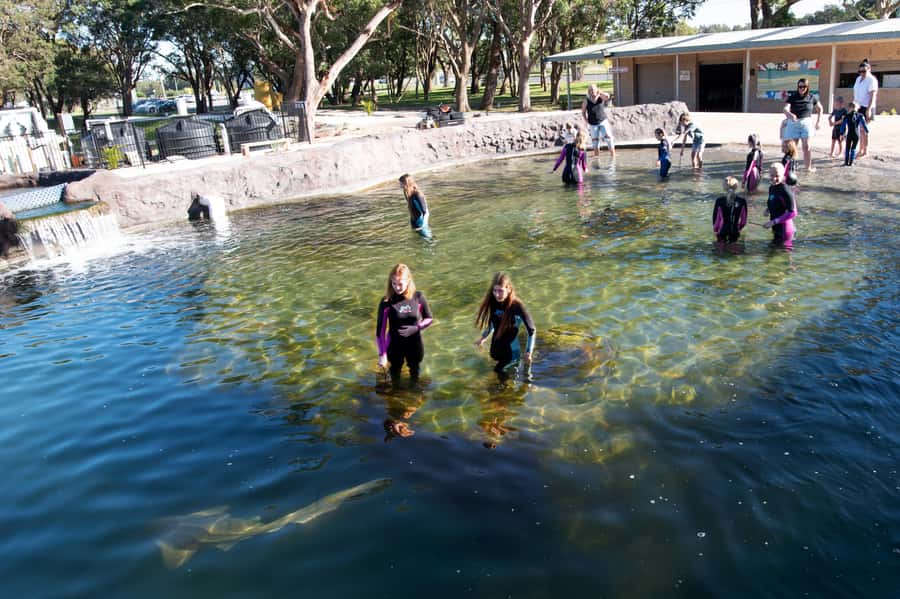
Irukandji works well for families because it combines action with short, clear explanations. Children can feed the animals, then hear why sharks and rays behave as they do. That link between doing and learning is more effective than asking a child to study a sign beside a tank.
Adults get plenty from it, too. The talks cover sharks, rays, and marine conservation, and the staff invite questions. The keepers are patient with mixed-age groups, from toddlers to older adults, and remain close to the animals throughout the activity.
The pace may not suit every child. If your child wants constant action, a longer presentation can test their patience. One useful approach is to treat the talks as part of the encounter rather than an interruption. The information helps you understand what you are touching, and it gives the feeding sessions more meaning.
Children under 12 must have an adult with them in the water at all times. Unaccompanied minors are not allowed, so plan your group around that rule. Clothes must be worn over swimwear, and only reef-friendly sunscreen is permitted.
The activity is wheelchair accessible, though the supplied information does not detail every water-access arrangement. If you need a particular form of assistance, contact the provider before booking.
Timing, clothing, and the practical details
Allow the full two hours. You will need time for the safety briefing, equipment, feeding locations, talks, and the two lagoons. The activity runs throughout the day from 9 AM to 5 PM, but you should arrive by 3:30 PM for the complete experience.
Wear swimwear underneath clothing, even if you plan to use the Entry Pass. You will get your feet wet at a minimum, and a wetsuit upgrade requires suitable clothing underneath. Afterward, hot showers and towels make it easier to dry off before you visit the shop.
The lagoons can only be entered without shoes. Bring a simple change of clothes if you dislike remaining in damp clothing, though the basic option is designed to keep most of you dry.
Cold weather does not automatically cancel the fun, but it can affect comfort. If the day is chilly, a wetsuit is more than a way to reach deeper water. It helps you stay warm while listening to talks and waiting for the next feeding point.
Use reef-friendly sunscreen only. This rule protects the lagoon environment and keeps unsuitable products out of the water.
English is the tour language, and a live guide is present. Cancellation is free up to 24 hours before the activity, and you can reserve now and pay later, useful if your schedule around Anna Bay is still changing.
The shower and shop finish
After the lagoon sessions, you can rinse off under a warm shower and dry down before heading to the gift shop. This is a small but useful finish, especially if you upgraded to a wetsuit or visited on a cool day.
The shop carries sustainable gifts, soft toys, snacks, and cold drinks. It gives children a calm way to finish the visit after the excitement of feeding animals. It also gives you a chance to support the conservation message with a practical souvenir rather than leaving with only a photograph.
The experience has an overall rating of 4.4 from 211 ratings, with the strongest praise focused on the staff, the close animal contact, and the educational talks. The few practical complaints are consistent: the basic pass can be too shallow, the talk timing could be explained better, and package names can be confusing.
Those are manageable issues if you choose the right ticket and ask about the schedule as soon as you arrive.
Who should book this Anna Bay experience?
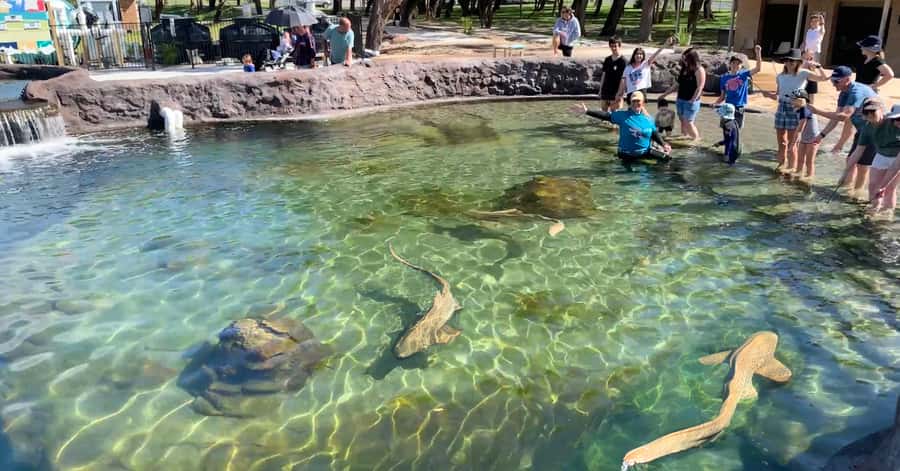
I would choose this for families, curious children, animal lovers, and anyone who wants a break from ordinary beach time. It is also a good wet-weather or non-beach activity, since the main experience takes place in managed lagoons rather than the open sea.
It suits nervous visitors better than you might expect. You do not have to swim, and you can stay at the edge while a keeper explains what to do. The staff are always present, so you are not left to work out the feeding technique alone.
I would think twice if you want a quiet aquarium visit with no touching, no wet feet, and no scheduled talks. This experience is active and social. You will stand near other people, wait for feeding points, and take part in the water rather than simply observe.
For the best value, book the Entry Pass if you mainly want to feed rays and see the animals up close. Choose the wetsuit upgrade if your priority is better access to the lagoons. For children, the wetsuit can also make the experience warmer and more exciting.
Should you book Irukandji Shark and Ray Encounters?
Yes, if you want a hands-on marine experience at a reasonable price. Feeding rays in Fingill Lagoon, meeting zebra sharks and bamboo sharks in Tropical Lagoon, and watching larger nurse and reef sharks arrive for the Big Shark Talk gives the visit a clear sense of progress.
Just understand what the $29 ticket delivers. It is a shallow-water encounter, not a swim. Arrive early enough to settle in, ask how the sessions are organized, and decide on the wetsuit before you enter. With those details sorted, Irukandji offers a memorable and useful way to see sharks and rays as living animals rather than frightening shapes behind glass.
FAQ
Where is Irukandji Shark and Ray Encounters located?
The experience is in Anna Bay, New South Wales, Australia.
How much does the Entry Pass cost?
The Entry Pass costs $29 per person.
How long does the experience last?
The activity lasts two hours.
What animals can I see?
You can see and interact with rays, zebra sharks, brown-banded bamboo sharks, tawny nurse sharks, and whitetip reef sharks.
Can I feed the sharks and rays?
Yes. Food and feeding sticks are provided at different feeding locations.
Can I touch the animals?
Yes. You can pet rays and interact with some sharks while keepers are present.
Do I have to swim?
No. Swimming is not permitted. You wade in the water, and the basic Entry Pass keeps you in the shallow areas.
Can I wear my own clothes?
Yes, but clothes must be worn over swimwear. The lagoon must be entered without shoes.
Do children need an adult?
Children under 12 must be accompanied by an adult in the water. Unaccompanied minors are not allowed.
Is a wetsuit included?
The standard Entry Pass is designed for shallow wading in your own clothes. You can rent a wetsuit and upgrade to the Discovery Pass for deeper access.
What time should I arrive?
The activity runs from 9 AM to 5 PM. Arrive by 3:30 PM to receive the full experience.
Are showers available?
Yes. Hot shower facilities are available after the lagoon encounter.
Is the activity wheelchair accessible?
Yes, the activity is listed as wheelchair accessible.
What sunscreen can I use?
Only reef-friendly sunscreen is permitted.
Can I cancel my booking?
You can cancel up to 24 hours in advance for a full refund. You can also reserve now and pay later.
Just added around Australia
- Shore Excursion-Hobart Wanderer★ 5.0 · 87 reviews
- Old Hobart Pub Walking Tour★ 4.5 · 91 reviews
- kunanyi/Mt Wellington Tour and MONA Admission★ 4.5 · 69 reviews
- kunanyi/Mt Wellington Ultimate Experience Tour from Hobart★ 4.5 · 83 reviews
- Mt Field National Park and Russell Falls from Hobart★ 5.0 · 49 reviews
- Maria Island Ferry – Hobart Bus Connection (Return Service)★ 5.0 · 23 reviews
- Hobart: Mt. Field, Mt Wellington & Wildlife – Active Day Tour★ 5.0 · 112 reviews
- Hobart Sightseeing Cruise including Iron Pot Lighthouse★ 5.0 · 184 reviews