
Review · ADELAIDE TOURS
Adelaide: Surfing Lesson at Middleton Beach with Equipment
Standing up on a surfboard for the first time is a small triumph with a big grin attached. At Middleton Beach, you learn the basics on sand, then head into the water with an instructor who helps you read the waves, stay safe, and try again after the inevitable wipeout.
I like the modern, included equipment, with boards and wetsuits rotated on a 12-month schedule. I also like the coaching style: instructors give short, usable tips, celebrate small wins, and still let you work things out for yourself. The main consideration is group size. A class of 15 with two coaches can mean less individual help, especially when everyone reaches the water at once.
Key points about the Middleton Beach surf lesson
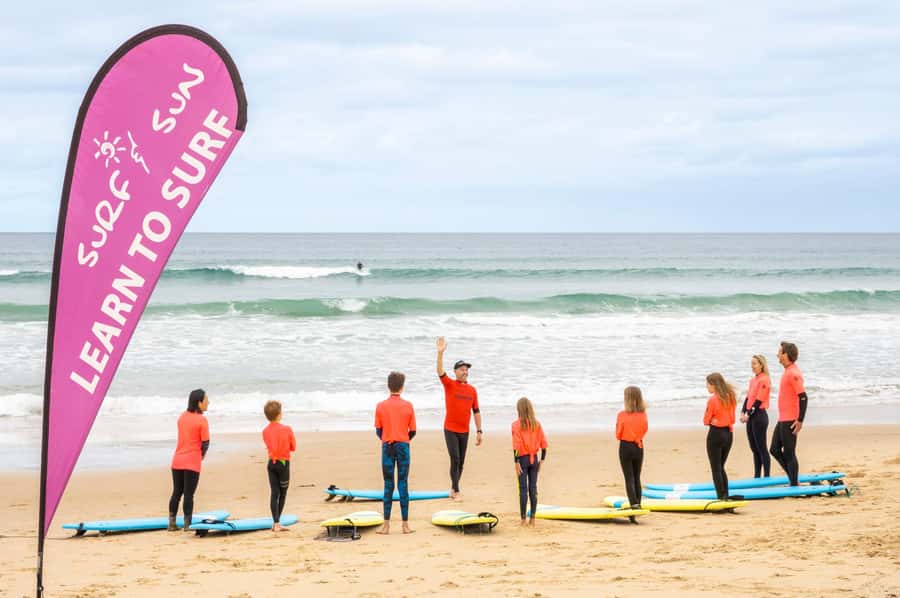
- Soft boards and wetsuits are included, so you do not need to arrange bulky surf gear before arriving.
- The lesson starts on the beach, where you practise the basic movements before entering the waves.
- Surf safety comes first, with a short but focused explanation of how to behave in the water.
- The two-hour format suits beginners, giving you enough time to practise without turning the lesson into an exhausting half-day ordeal.
- The class is taught in English and is suitable for solo participants, friends, and families with children aged seven or older.
- Pre-class e-books and videos let you review the basics at home before you reach Middleton Beach.
First steps on the Fleurieu Peninsula
Middleton sits on South Australia’s Fleurieu Peninsula, a good setting for a first surf lesson because the activity gives you more than a quick equipment briefing and a push into the water. You get time to understand the sport, handle the board, and learn what to do when the sea does not cooperate.
The meeting point is the beach parking lot at the end of Chapman Road. That detail matters. You are not meeting at a distant shop or trying to carry a board across town. Arrive ready to find the beach, then allow time to get organised before the lesson begins.
The class is designed for first-timers, but it is not limited to people who have never seen a surfboard. You can join alone, bring friends, or book as a small group. Children must be at least seven, and everyone taking part must be able to swim. Non-swimmers cannot join, a sensible rule for an activity that puts you in moving water.
More hands-on workshops in Adelaide:
- Bondi Beach: 2-Hour Surf Lesson Experience for Any Level
★ 4.9 · 935 reviews - Byron Bay: 2-Hour Small Group Surf Lesson
★ 4.8 · 657 reviews - Skip the Line Kuranda Scenic Railway Gold Class and Skyrail Rainforest Cableway
★ 4.5 · 574 reviews
Getting fitted with the right gear
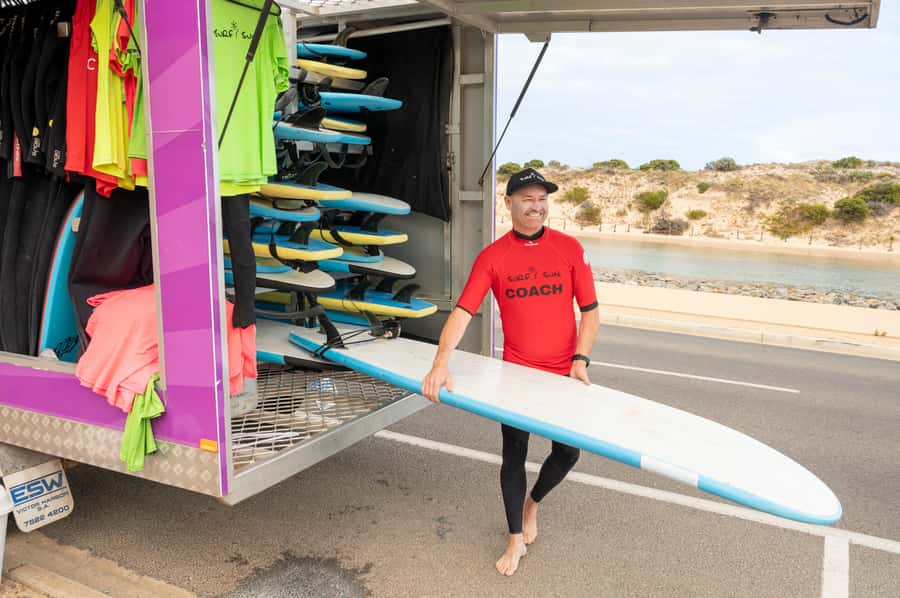
Before the practical work begins, you are fitted with a wetsuit and a board suited to your size. A rash shirt, soft surfboard, and suncream are also included. You need to bring swimwear, a towel, and water.
The soft board is especially helpful for beginners. It is designed for learning rather than speed or technical performance, giving you a more forgiving platform while you work on balance. You are not expected to arrive knowing which board to choose, and the instructor helps match you with the right size.
The equipment is kept on a 12-month rotation policy. That does not turn a beginner lesson into a premium surf clinic, but it does mean the boards and wetsuits are intended to be kept reasonably current. For you, the practical benefit is simple: less chance of learning on worn-out gear and less money spent hiring equipment separately.
Suncream is supplied, but I would still treat your own sun protection as useful backup. South Australian sun can be strong, and two hours outdoors can pass quickly when you are concentrating on the waves.
Learning the moves on dry sand
The lesson begins on the beach. This is where you learn the basic body position, how to lie on the board, and how to move from lying down to standing. The sand gives you a calm place to repeat the motion before water, wind, and nerves enter the picture.
That order is important. Trying to learn the pop-up while a wave is already moving you around is a poor recipe for confidence. On the beach, you can focus on foot placement and balance without worrying about the board drifting away.
The teaching style appears deliberately simple. One of the strongest parts of the session is the use of a few clear tips rather than a long lecture. That approach suits beginners, who can become overloaded when an instructor lists ten corrections at once. You are more likely to improve if you focus on one change at a time.
You also get access to three e-books and instructional videos after booking. Use them before the lesson to review the basic position and terminology. They cannot replace time in the water, but they can make the first beach briefing easier to follow.
Surf safety before the first wave
Before you head out, the instructor explains how to behave in the water. This includes the practical habits you need for a safe beginner session, not just a quick warning to be careful.
The safety briefing is short and focused. That is a strength for this type of class. You need enough information to understand your surroundings and respond properly, but you do not want to spend the whole two hours standing on the sand.
The conditions may not always be gentle. On one February session, rough water made the lesson harder, yet the instructor kept close, watched the group, and marked each small success. That is the sort of support you want from a beginner coach. Surfing is partly about technique, but it is also about knowing when the sea is asking for patience.
Conditions can change, and you cannot control the weather. If the water looks rough on your day, expect progress to be measured in smaller steps. You may spend more time learning how to handle the board and less time standing upright. That is still useful practice, provided you arrive with realistic expectations.
A few more Adelaide half-days to weigh up
- Barossa Premium Wine Tasting Tour & lunch Departs 7 days a week
★ 5.0 · 1,475 reviews - Adelaide: Barossa Premium Wine Tasting tour & Winery Lunch
★ 4.8 · 1,452 reviews - Discover Barossa: 4 Wine Tastings, Gourmet Lunch, and Hidden Gems
★ 5.0 · 1,027 reviews - Adelaide: River Torrens Popeye Sightseeing Cruise
★ 4.6 · 949 reviews
Into the waves at Middleton Beach
Once you understand the basics, you take the board into the water. The instructor helps you catch those early waves and watches for the point where you need assistance.
Your first attempt may be untidy. You might lie too far forward, stand too late, or lose balance the instant your feet touch the board. That is normal. The value of a group lesson is that the coach can give you a quick correction, then send you back to try again before you overthink the mistake.
The best coaching balance is support without constant interference. In a small class, an instructor can help you catch an early wave, then allow you to practise independently. That freedom matters. You learn more when you have room to fail safely and recognise what worked.
A class of around six people can feel particularly comfortable for this format. The instructor can remember names, watch individual progress, and notice who needs a nudge. Larger groups are a different proposition. With 15 participants and two coaches, some beginners may have to wait longer for personal help. If individual attention is your top priority, ask about the expected group size before booking.
What makes the coaching work
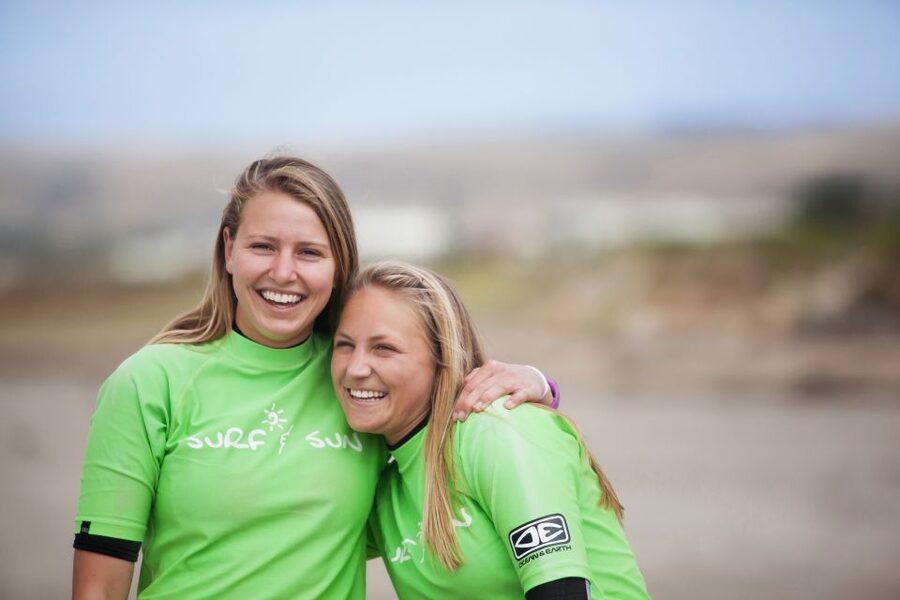
Good beginner surf instruction is not about showing off. It is about keeping the advice clear, noticing when someone is nervous, and making the next attempt feel manageable.
The strongest coaching feature here is the celebration of small wins. Standing up for a second counts. Catching a wave while kneeling counts. Staying calm after falling counts too. That positive tone helps you keep trying, particularly on a day when the conditions are rough.
The instructors also leave room for personal discovery. You are guided, but not treated like a passenger who simply follows commands. That creates a friendly learning space where you can experiment, fail, and try again.
The class is taught in English. You should be comfortable understanding spoken safety instructions and basic coaching directions. The available information does not identify individual instructors by name, so you should not book expecting a particular named coach.
Group size, pace, and the two-hour limit
Two hours is a sensible length for a first lesson. You get a beach introduction, safety instruction, equipment time, and practice in the water, all without committing to an entire day.
Surfing uses muscles you may not expect, especially when you repeatedly paddle, push up, stand, and fall. A longer first session might sound attractive, but fatigue can make it harder to balance and easier to lose focus. Two hours gives you a meaningful introduction while keeping the day manageable.
The group format keeps the price at $41 per person. That is good value if you want a proper introduction with an instructor and all core equipment included. Paying separately for a board, wetsuit, rash shirt, and coaching could easily make a casual experiment feel expensive.
The trade-off is personal attention. You are paying for a shared lesson rather than a private coach. If the class is small, that trade-off looks good. If it is full, you may spend more time watching other people take turns. For many beginners, that waiting time is still useful because you can see how other people position themselves and handle the waves.
Weather, seaweed, and setting expectations
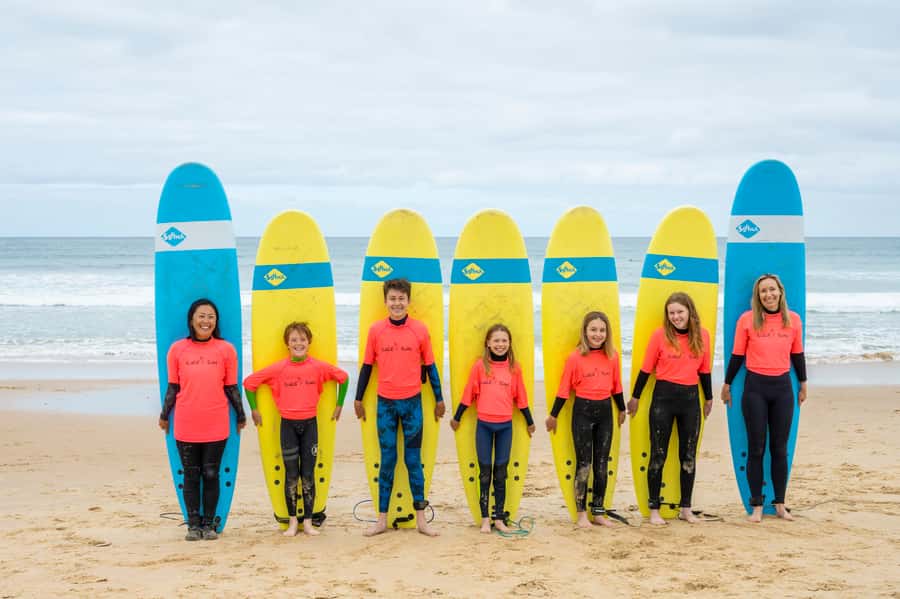
The beach setting is attractive, but the sea decides how the session feels. Rough conditions can limit how many clean, easy waves you catch. A first lesson is not guaranteed to produce a perfect standing ride.
There has also been concern during one summer session about large amounts of seaweed in the water, with one participant feeling unwell afterward. This is not a reason to assume every lesson will have the same conditions, but it is a reminder that the natural environment can affect comfort and enjoyment.
You should keep your expectations flexible. On a calm day, you may stand several times and leave eager for another lesson. On a difficult day, the win may be learning to manage the board, understand wave movement, and stay safe. Both outcomes are part of learning to surf.
If you are sensitive to sea conditions, check the forecast and ask the operator about the day’s conditions when possible. The activity includes free cancellation up to 24 hours before the start time, which gives you some flexibility if your plans change. You can also reserve now and pay later, so you do not have to pay at the time of booking.
Who will get the most from this lesson
This is a strong fit for adults and children aged seven or older who can swim and want a first taste of surfing without buying gear. It also works well for a solo participant because the group structure gives you company without requiring you to bring a full party.
Friends and families should find the format easy to share. One person can take a turn while the others watch, learn, and cheer from nearby. Just remember that a larger party may create a larger class, and that can reduce individual coaching time.
You should choose a different format if you want advanced instruction, a private lesson, or a focused session on technical surfing. The class is built around the basics. Its purpose is to help you feel comfortable, learn safe habits, and discover if surfing appeals to you.
It is also not suitable for non-swimmers. That restriction is firm and important. You need enough water confidence to follow instructions and manage yourself in the sea.
What to pack for Chapman Road
Keep your packing simple:
- Swimwear for wearing under the wetsuit
- A towel for changing and drying off
- Drinking water
The operator supplies the wetsuit, soft surfboard, rash shirt, suncream, surf lesson, and instructor. You do not need to arrive with a board or specialist clothing.
Bring a positive attitude toward falling. You will probably spend part of the lesson on the board, part of it beside the board, and part of it trying to remember which foot goes where. That is not failure. It is the normal rhythm of a first surf lesson.
Should you book this Middleton Beach surf lesson?
Book it if you can swim, meet the age requirement, and want a practical first look at surfing for $41. The included gear, two-hour format, beach instruction, and safety coaching make it a sensible way to test the sport without a major commitment.
I especially recommend it for beginners who value encouragement and short, clear instructions. The coaching style gives you help when you need it, while still allowing you to try things on your own.
Think twice if you require one-to-one attention or have little tolerance for changing sea conditions. A full group can mean less help per person, and rough water or seaweed may affect the day. For everyone else, this is a friendly, well-priced introduction to surfing on the Fleurieu Peninsula, with just enough structure to keep you safe and just enough freedom to make that first stand feel like your own achievement.
FAQ
Where does the surfing lesson meet?
Meet at the beach parking lot at the end of Chapman Road in Middleton, South Australia.
How long does the lesson last?
The lesson lasts two hours.
What is included in the price?
The price includes an instructor, surf lesson, soft surfboard, wetsuit, rash shirt, and suncream.
What should I bring?
Bring swimwear, a towel, and water.
Is the lesson suitable for children?
Children under seven cannot take part. Children aged seven or older may join if they meet the other requirements.
Can non-swimmers join?
No. The activity is not suitable for non-swimmers.
What language is the lesson taught in?
The instructor teaches in English.
Do I need to bring my own surfboard or wetsuit?
No. A soft surfboard and wetsuit are included, along with a rash shirt.
Can I cancel the booking?
You can cancel up to 24 hours in advance for a full refund. You can also reserve your place and pay later.
Just added around Adelaide
- d’Arenberg Cube / McLaren Vale Regional Tour★ 4.5 · 26 reviews
- Ultimate Adelaide City and Hahndorf Tour★ 4.5 · 45 reviews
- Welcome to Adelaide Walking Tour★ 5.0 · 119 reviews
- Victor Harbor and Southern Highlights from Adelaide★ 4.0 · 47 reviews
- Victor Harbor and Fleurieu Peninsula Tour★ 4.5 · 145 reviews
- Adelaide Twilight Cruise from Glenelg★ 4.5 · 94 reviews
- Wild Dolphin Swim Cruise★ 5.0 · 55 reviews
- Ultimate Adelaide Walking Tour★ 5.0 · 222 reviews
Adelaide Tours, compared.

Barossa Premium Wine Tasting Tour & lunch Departs 7 days a week
Read our review →
Barossa Premium Wine Tasting tour & Winery Lunch
Read our review →
Discover Barossa: 4 Wine Tastings, Gourmet Lunch, and Hidden Gems
Read our review →



Browse the lists this tour appears in