
Review · MELBOURNE TOURS
Aboriginal Heritage Walk – Royal Botanic Gardens Victoria, Melbourne Gardens
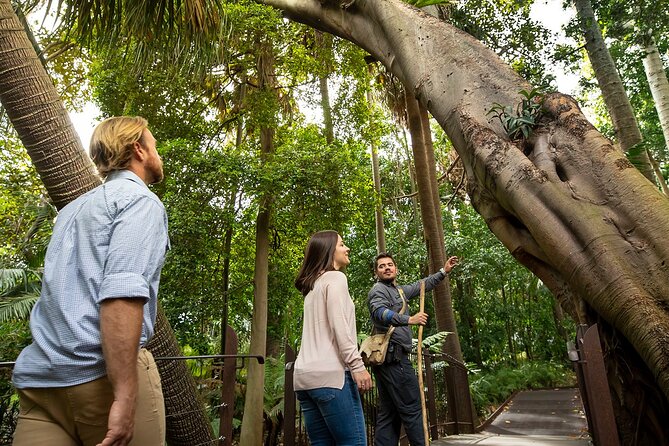
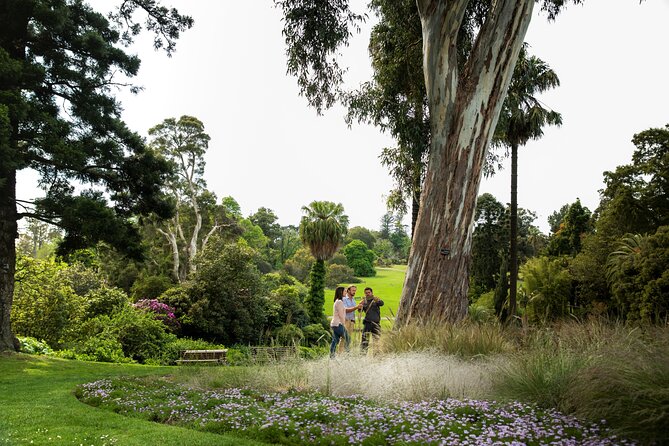
The most meaningful part of this 90-minute walk is the change in viewpoint. You are not simply strolling through attractive gardens. An Aboriginal guide helps you see native plants as sources of food, medicine, teaching, and connection to Country. Guides such as Den, Jacobi, and Uncle Ben have each been praised for their stories, humor, and ability to connect with both local and international visitors.
I like the sensory plant focus, where you may smell leaves and feel tree bark as you learn how plants have been used. I also like the setting, since the Royal Botanic Gardens give the walk beauty and breathing room without requiring transport outside central Melbourne. The main consideration is timing: the tour begins at 11:00am, lasts about an hour and a half, and only covers one part of gardens worth a longer visit.
Key points
- Aboriginal-led learning: Hear about Kulin connections to Country directly from an Aboriginal guide.
- Plants with a purpose: Learn how native species have been used for food, medicine, and daily life.
- A beautiful Melbourne setting: The walk takes place inside Royal Botanic Gardens Victoria.
- A small-group format: The maximum group size is 25 people, so the guide can keep the experience personal.
- Lemon myrtle tea included: The tasting adds a simple, pleasant link to the plant knowledge discussed.
- Easy to fit into a day: The walk starts at 11:00am and returns to the Visitor Centre after about 90 minutes.
Seeing Melbourne Gardens Through Kulin Eyes
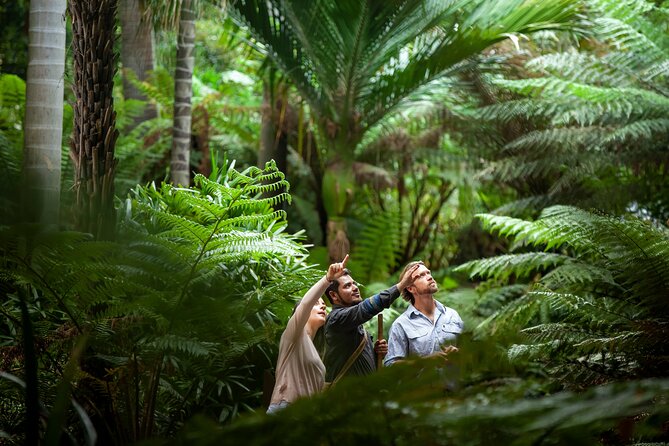
The Aboriginal Heritage Walk begins in Melbourne Gardens, part of Royal Botanic Gardens Victoria at 100 Birdwood Avenue. The gardens are already one of Melbourne’s prettiest places for a walk, but this experience gives your visit a clear purpose.
You meet at the Visitor Centre at 11:00am, with check-in 15 minutes before departure. From there, an Aboriginal guide leads you through the gardens and introduces the ancestral lands of the Kulin Nation. The focus is not a general tour of every garden bed. Instead, you learn to notice particular native plants and understand why they matter.
That distinction is important. A normal garden visit tends to focus on design, rare specimens, and pleasant views. This walk asks you to consider how plants support people and how knowledge is carried through stories, customs, and careful observation. You will hear about Aboriginal uses of plants for food and medicine, along with the continuing connection to Country.
I find that approach especially useful early in an Australian trip. It gives you cultural context before you move on to museums, galleries, or regional tours. It also avoids treating Aboriginal culture as something locked in the past. The guide discusses living traditions and an ongoing relationship with the land.
More Aboriginal-led experiences in Melbourne:
- From Perth: Wave Rock, York and Aboriginal Cultural Tour
★ 4.6 · 498 reviews - Wave Rock, York and Aboriginal Cultural Day Tour from Perth
★ 4.5 · 393 reviews - Day Trip: Rainforest & Aboriginal Culture Tour
★ 4.2 · 202 reviews
Why the Aboriginal Guide Matters
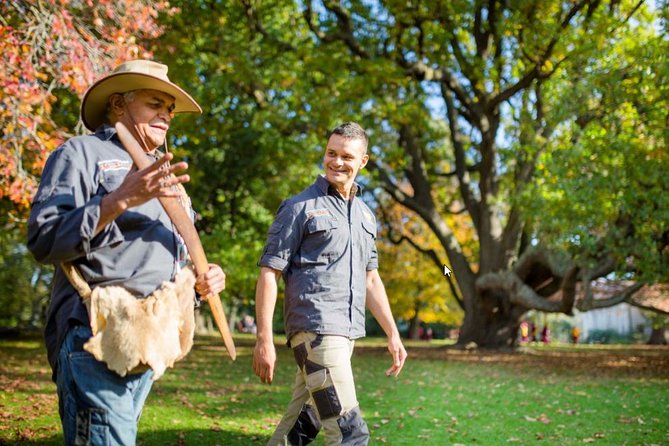
The guide is the heart of the experience. The walk is fully hosted by an Aboriginal guide, rather than being a self-guided garden stroll with a few cultural notes added at the end.
Different guides bring different personalities. Den has been praised for his humor and for connecting with young, older, local, and international participants. Jacobi has been described as enthusiastic and proud of his heritage. Uncle Ben is remembered for a poem accompanied by hand gestures, a detail that shows how spoken words and movement can work together in Aboriginal storytelling.
You should expect an informal and thoughtful presentation rather than a stiff lecture. The strongest parts appear to come when the guide links a plant or tree to a wider idea: how people use what the land provides, why you should take only what you need, and how respect for Country can shape everyday choices.
This is also a good setting for questions. The guide can point out plants in front of you and explain their uses as you look, smell, and touch them. That makes the information easier to remember than a list of facts delivered indoors.
The experience is not designed to provide an exhaustive account of every Aboriginal group in Australia. Its focus is local, centered on the Kulin Nation and the plants found in Melbourne Gardens. That local focus is a strength, as long as you come expecting a focused introduction rather than a full survey of Indigenous Australia.
Native Plants You Can Smell, Touch, and Understand
The plant element gives the walk its practical edge. You are encouraged to identify significant native plants and learn how Aboriginal people have used them for food and medicine.
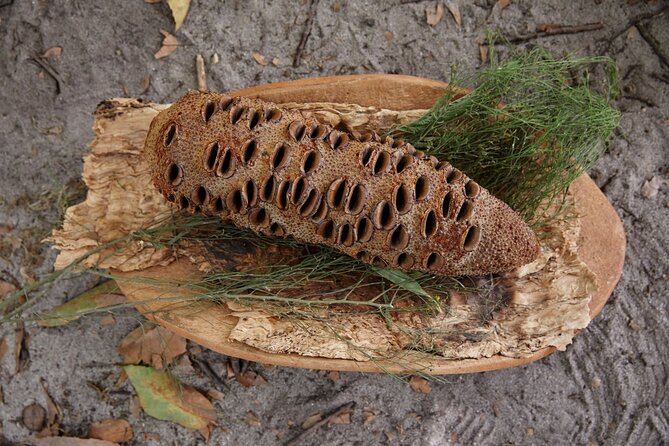
The sensory details matter. You may smell leaves, examine textures, or feel the rough surface of tree bark. This turns the garden into more than a backdrop. Your hands and nose become part of the learning, and you start to see why close knowledge of plants would have been essential to daily life.
Lemon myrtle tea is included, giving you a small taste connected to the plant world discussed during the walk. It is not a meal or a large refreshment stop, but it is a thoughtful touch. You should still bring water, especially in warm weather, since the tea does not replace normal hydration.
The plant discussion also carries a lesson about restraint. Aboriginal knowledge is not presented simply as a catalogue of useful items to collect. The principle of taking only what you need, along with respect for Country, gives the information a moral dimension.
You should not expect to gather food or medicine from the gardens. The value is in learning how to look at native species and understanding their place in Aboriginal life. That makes this a good choice for anyone interested in botany, sustainability, or the practical relationship between people and plants.
The Royal Botanic Gardens Setting
The Royal Botanic Gardens are a strong choice for this type of experience. They provide a calm, attractive setting close to Melbourne’s central areas, and you do not need a separate excursion to reach a remote cultural site.
The walk takes place among established plantings and open garden areas. You get the pleasure of being outdoors while learning, rather than sitting in a room and viewing images. The natural setting also supports the central message: Country is not an abstract idea. It is something you can pay attention to through plants, soil, trees, weather, and seasons.
Give yourself more time in the gardens if your schedule allows. The Aboriginal Heritage Walk lasts about 90 minutes, but the gardens need longer if you want to explore at an easy pace. You can treat the tour as the focused first part of a broader visit, then continue independently after it ends.
The walk returns to the starting point, which makes planning simple. You are not left at a different gate or required to arrange a pickup. Hotel pickup and drop-off are not included, and transport to the gardens is your responsibility, so check your route before arriving.
More history-led days in Melbourne:
- Ultimate Melbourne Walking Tour: History, Laneways & Culture
★ 5.0 · 1,451 reviews - Melbourne: History and Donuts Walking Tour
★ 4.9 · 72 reviews - Puffing Billy Railway: Heritage Steam Train Journey
★ 4.6 · 1,195 reviews - Morning World Heritage Cruise on the Gordon River from Strahan
★ 5.0 · 1,193 reviews
What the 90-Minute Route Feels Like

The walk starts with a welcome and an introduction to the cultural importance of the area. Womin Djeka is used as a welcome, setting the tone for a visit based on respect and recognition of the Traditional Owners.
The guide then leads you through the gardens, identifying native plants and explaining their place in Aboriginal traditions. The pace is suited to stopping, looking, listening, and discussing rather than covering a large distance quickly.
You will hear about:
- Aboriginal plant uses for food
- Traditional and medicinal uses of native species
- Customs connected with plants and Country
- The continuing relationship between Aboriginal people and the land
- Ways to think about care, respect, and taking only what is needed
The experience ends back at the meeting point. Because the group can include up to 25 people, your position within the group may affect how easily you hear and see each demonstration. Arriving early helps you check in calmly and choose a comfortable place near the guide.
The walk requires good weather. Wear sun protection and a hat in summer, and bring wet-weather clothing in winter. Comfortable clothing suited to an outdoor garden walk is the sensible choice. Service animals are allowed, and the activity is near public transport. Most people can participate, although you should consider your own comfort with walking and standing outdoors for 90 minutes.
Price and What You Receive for $30.51
At the listed price of $30.51 per person, the main value comes from access to a fully hosted Aboriginal experience in a major Melbourne cultural site. You are paying for the guide’s interpretation, the carefully chosen route, and the chance to engage with local Aboriginal perspectives in person.
That is different from paying only for garden admission or a general walking tour. If you planned to visit the gardens anyway, the walk can give that visit a stronger focus and a cultural purpose. The included lemon myrtle tea is a pleasant extra, but it is the guide and the direct teaching that justify the cost.
The price will feel fair if you want more than scenery. It may feel less useful if your main aim is simply to wander through the gardens, take photographs, or see as many plant collections as possible. In that case, a self-guided visit gives you more freedom and more time.
The group limit of 25 is another part of the value. This is not a private tour, and the group may still feel full, but the cap is more manageable than a large coach-style outing. The casual tone described by participants also suits people who prefer conversation and stories to a formal scripted presentation.
Who Should Book This Walk
I would recommend the experience to first-time visitors who want a respectful introduction to Aboriginal culture connected to a real Melbourne place. It also suits Australians who want to learn more about the Kulin Nation and the native plants around them.
Families can find plenty to notice because the walk includes smell, touch, movement, and stories. The guide’s ability to connect with different ages is useful here, though children need to be comfortable with an outdoor walk and listening for 90 minutes.
The tour is also a good fit for:
- People interested in Aboriginal culture and living traditions
- Garden lovers who want more context for native plants
- Visitors seeking a low-impact activity based on walking and nature
- Anyone who enjoys thoughtful guides and small-group discussion
- Visitors with a free morning in Melbourne
You may want to skip it if you dislike guided activities, want a fast overview, or have only a short time for the gardens. The walk rewards attention. It is not a quick photo stop between other attractions.
A Few Practical Points Before You Go
Book with care and check the date, time, and meeting point in your confirmation. The start time is 11:00am at the Visitor Centre, and you should arrive 15 minutes early. One serious booking complaint involved a tour apparently taking place on the wrong day despite a confirmed reservation, so it is sensible to verify the details before setting aside your morning.
There was also a complaint related to age restrictions during signup. The supplied information says most people can participate, but age-related booking rules may affect some participants. If you are over 60 or booking for an older person, confirm eligibility directly before paying rather than relying only on the booking screen.
Free cancellation is available when you cancel at least 24 hours before the local start time. Cancellations or changes inside that window are not refunded or accepted. If bad weather forces cancellation, you will be offered another date or a full refund.
The activity is near public transport, but hotel pickup and drop-off are not included. Plan your own way to 100 Birdwood Avenue and allow enough time to find the Visitor Centre.
Should You Book the Aboriginal Heritage Walk?
Book it if you want your time in Melbourne Gardens to carry cultural meaning as well as visual appeal. The strongest reason to go is the Aboriginal guide, whose stories and explanations connect plants to food, medicine, customs, respect, and Country.
I especially like the balance of learning and place. You are outside, moving at an easy pace, noticing leaves and bark, and hearing local perspectives in the setting where the plants grow. The lemon myrtle tea is a nice touch, but the lasting benefit is learning to look at the gardens differently.
Think twice if you want a broad historical tour of Australia, a long botanical lecture, or an entirely flexible garden visit. For a focused, 90-minute introduction to Aboriginal culture in Melbourne, though, the price is reasonable and the format is easy to fit into a day.
FAQ
Where does the Aboriginal Heritage Walk start?
It starts at the Visitor Centre, 100 Birdwood Avenue, Melbourne VIC 3004, inside Royal Botanic Gardens Victoria.
What time should I arrive?
The walk starts at 11:00am. You should check in 15 minutes before the experience begins.
How long does the walk last?
The experience lasts approximately 1 hour and 30 minutes and ends back at the meeting point.
What will I learn on the walk?
You will learn about Aboriginal traditions, Kulin connections to Country, and native plants used for food and medicine. The guide also discusses customs and the ongoing relationship with the land.
Is anything included with the tour?
A fully hosted Indigenous walking experience is included, along with lemon myrtle tea.
What happens if the weather is poor?
The experience requires good weather. If it is canceled because of poor weather, you will be offered a different date or a full refund.
More Walking Tours in Melbourne
- Great Ocean Road Tour Plus Koalas, Forest Walk and Morning Tea
★ 4.5 · 1,068 reviews - Great Ocean Road 12 Apostles & Rainforest Walk with Morning Tea
★ 4.5 · 549 reviews - Melbourne Foodie Discovery Walking Tour
★ 5.0 · 530 reviews - Original Melbourne Lanes and Arcades Walking Tour
★ 5.0 · 389 reviews
Just added around Melbourne
- Melbourne: 3-Hour Foodie Discovery Walking Tour★ 4.9 · 313 reviews
- Melbourne: Laneway Bar Tour Where Locals Drink★ 4.8 · 289 reviews
- Melbourne: Ghosts of Williamstown Guided Ghost Walking Tour★ 4.4 · 47 reviews
- Melbourne: Spirit Of Melbourne Yarra River Lunch Cruise★ 4.9 · 65 reviews
- Sorrento: Dolphins & Seals Snorkeling Cruise w/ Lunch★ 4.1 · 52 reviews
- Melbourne: Great Ocean Road Ultimate 12 Apostles with Lunch★ 4.5 · 272 reviews
- Premium Great Ocean Road Reverse Tour 13Pax Max Hotel PickUP★ 4.8 · 155 reviews
- Melbourne City Cruise with Tea, Coffee, and Commentary★ 4.3 · 189 reviews
Melbourne Tours, compared.

Laid back, Yarra Valley Wine Tour: Wine, Cider, Gin, Beer + Choc
Read our review →
Great Ocean Road Reverse Itinerary Boutique Tour – Max 11 Guests
Read our review →
Penguin Parade, & Wildlife Encounters Eco Tour from Melbourne
Read our review →
Great Ocean Road Tour w/ Deluxe Minibus & Top-Rated Guide
Read our review →
Melbourne Great Ocean Rd Reverse Tour London Bridge Wildlife
Read our review →
Great Ocean Road Extended–Top Stops&London Bridge
Read our review →Browse the lists this tour appears in