
Review · ULURU TOURS
Full Uluru Base Walk at Sunrise Including breakfast
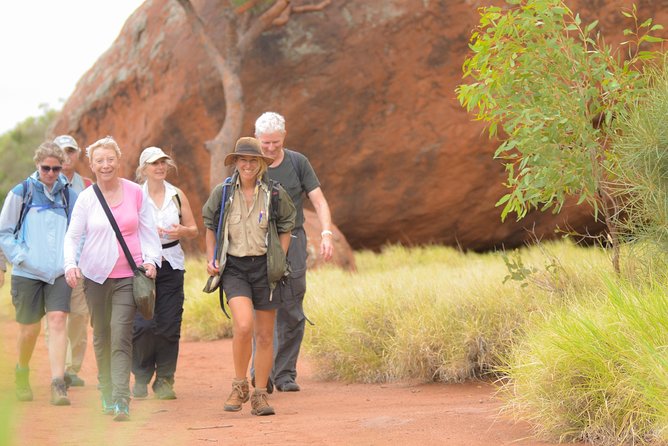
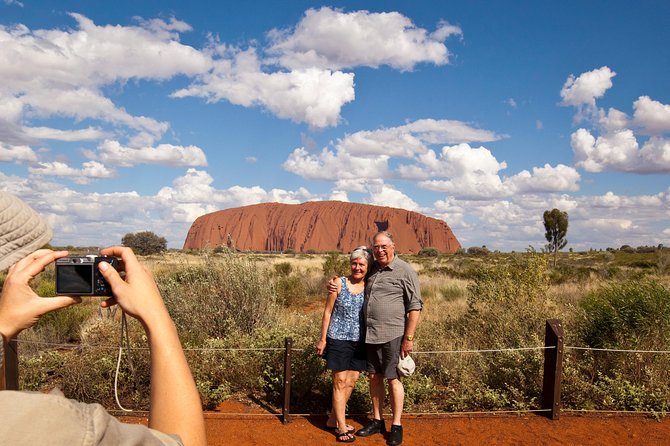
Uluru is most powerful when you meet it on foot. This six-hour sunrise outing takes you around the entire 12-kilometer base trail, bringing you close to waterholes, rock art, folds in the stone, and places that disappear when you view the monolith only from a distance. I love the early start for its cool air and quiet paths, and I like the small groups, which make it easier to hear stories from guides such as Rachel, Lucy, Flo, Andy, and Graham.
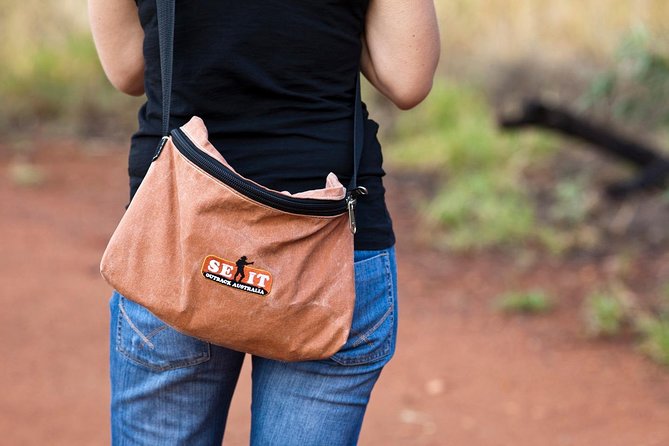
The main catch is the breakfast. It is a useful packed outback picnic, not a table laid with hot food. You carry a satchel of snacks during the walk, so bring your own extras if a granola bar, biscuits, fruit, juice, milk, or a hot drink will not carry you through seven and a half miles.
Key points to know before booking
- The full circuit is 12 kilometers: The trail is mostly flat and even, but the distance still calls for a moderate level of fitness.
- Sunrise comes early: Pickup is before dawn from Ayers Rock Resort, with the walk beginning just before sunrise.
- The stories give the walk its meaning: Guides explain Anangu culture and Tjukurpa stories linked to Kuniya, Liru, and the Mala people.
- Breakfast is simple and portable: Expect trail food in a supplied satchel, plus tea, coffee, or hot chocolate supplies rather than a catered breakfast.
- Small groups make a real difference: The maximum is 15 people, and groups of six to 11 have been common.
- You still need a park pass: The Uluru-Kata Tjuta National Park entry fee for adults is A$38 and is valid for 72 hours.
Why walking around Uluru is worth the early alarm
A distant view of Uluru gives you the outline. The base walk gives you the details. As you circle the rock, its surface changes from broad red walls to shaded gullies, weathered grooves, caves, and smooth curves shaped over immense time.
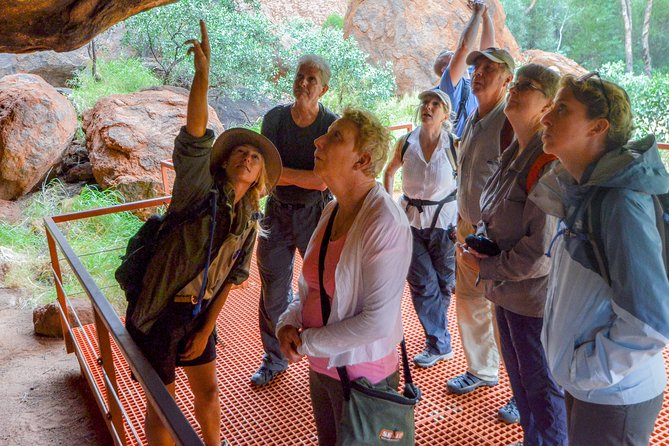
The walk also helps you understand that Uluru is not simply a scenic object. It is a sacred place for the Anangu people, and different sections carry different stories and customs. Your guide explains this as you walk, rather than leaving you to treat every rock face as a photo backdrop.
The sunrise timing is practical as well as beautiful. Central Australia can become very hot later in the day, so beginning in the cool morning air makes a long walk more manageable. You may start in chilly darkness and finish in strong sun, which is why layers matter.
I also like the pace of this outing. It is not a race, but it is not a lazy stroll either. One guide may move briskly between stops, while another may pause often for explanations. The overall walk is suitable for an active person who can cover 12 kilometers on mostly even ground.
More walking tours in Uluru:
- Best of Uluru – Segway and Walking Tour
★ 4.8 · 204 reviews - Sydney Opera House Official Guided Walking Tour
★ 4.5 · 3,770 reviews - From Sydney: Blue Mountains Tour with Waterfall Walk & Lunch
★ 4.8 · 2,400 reviews
Before dawn: pickup from Ayers Rock Resort
Your guide collects you before sunrise at your Ayers Rock Resort accommodation. Transport is in an air-conditioned Mercedes-Benz Sprinter, a useful comfort in a remote area where you may be leaving the hotel while most of the resort is still asleep.
The small-group format is one of the strongest reasons to choose this option. With no more than 15 people, your guide can keep the group together and answer questions without shouting across a large busload. Groups of six, eight, and 11 have made the experience feel especially personal.
The drive continues through the entrance to Uluru-Kata Tjuta National Park. Park admission is not included, so adults need a pass costing A$38. You can buy it online before arriving or purchase it from the guide in the morning. The pass lasts for 72 hours, making it useful if you plan to return to the park during your stay.
The early pickup has one downside: you need to prepare the night before. Set out warm layers, walking shoes, water, sunscreen, and anything you want to add to breakfast. A sunrise tour gives you cooler temperatures, but it does not remove the need for basic desert preparation.
Starting the 12-kilometer base trail
The walking portion lasts about five hours, with the full tour taking approximately six hours including transfers. You begin just before sunrise and follow the marked base trail around Uluru.
The route is mostly flat and generally easy underfoot. Still, some sections can be sandy, and the distance is substantial. A person who regularly walks several miles should find the terrain manageable, but the tour is not suitable if you are looking for a short viewpoint visit.
Your guide sets the rhythm and stops along the route to explain the rock, plants, animals, geology, and cultural meaning of the area. Guides such as Lily have been praised for explaining local plants and animals, while Andy has been noted for keeping the group moving while adding humor and useful detail.
You will want comfortable walking shoes. There is no technical climbing, and the path is clearly marked, but thin sandals or stiff new shoes could make the morning less pleasant. Take water even though the tour supplies a drink, and use facilities when they are available along the route.
Sunrise, shadows, and the first views of Uluru
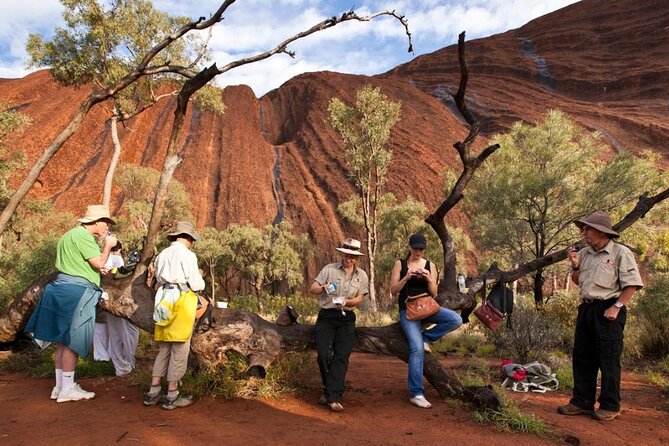
Sunrise is the visual centerpiece, but the exact experience depends on your position along the circuit and the cultural rules of the area. Some sections are culturally sensitive, and photography may not be allowed. Do not assume that every dramatic view is yours to photograph.
That restriction can disappoint anyone expecting a nonstop camera session, yet it also sets the right tone. You are walking through a living cultural place, not just collecting images. Your guide explains where photos are appropriate and where they are not.
The changing light reveals why the base walk is worth the effort. Uluru can look smooth and simple from far away, but close up you see ledges, grooves, dark hollows, and mineral colors. One section may be in deep shade while another catches warm morning light.
The temperature can shift quickly. Several people have found the first part of the walk cold, especially in shaded areas, before the sun makes the same route feel hot. Wear layers that you can remove and carry easily. Sunscreen, a hat, and extra water become more important as the morning progresses.
More early starts in Uluru:
- Uluru: Field of Light Sunrise Tour with Hot Drinks
★ 4.6 · 572 reviews - Yulara: Uluru Sunrise and Kata Tjuta Day Trip by Bus
★ 4.5 · 469 reviews - Uluru Base Segway Tour at Sunrise
★ 4.9 · 378 reviews - Kata Tjuta: Small Group Sunrise Tour with Picnic Breakfast
★ 4.7 · 113 reviews
Mala Walk to Kantju Gorge
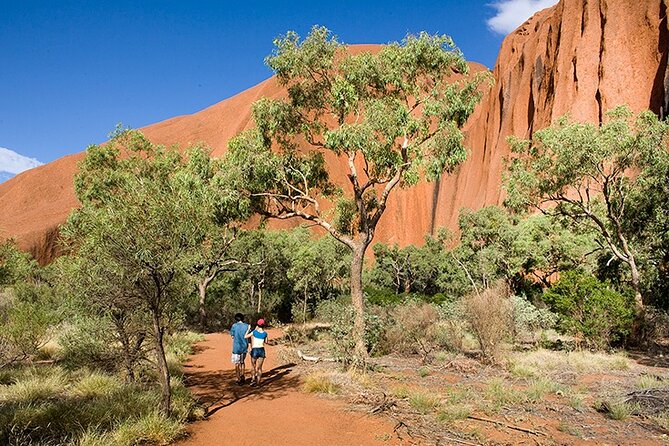
One memorable section follows the Mala Walk toward Kantju Gorge. Here, the guide introduces stories connected with the Mala people and explains why particular parts of Uluru matter to Anangu culture.
This is where a strong guide adds the most value. A self-guided GPS app can show you where to walk, but it cannot always explain the meaning behind a place or connect the physical features to traditional stories. Guides including Rachel, Lucia, Emily, and Trent have been praised for presenting these stories with care and clarity.
Kantju Gorge also gives you a close look at how water has shaped the rock. The walls and shaded spaces feel different from the open sections of the base trail, and the contrast helps you read Uluru as a geological formation rather than a single red block.
You may walk at a moderate pace between stops. Some guides begin explaining a point before the entire group has caught up, so stay close if you do not want to miss part of the commentary. The tour works best when you treat the guide’s instructions and cultural guidance as part of the experience, not as interruptions to your sightseeing.
Mutitjulu Waterhole and the Kuniya story
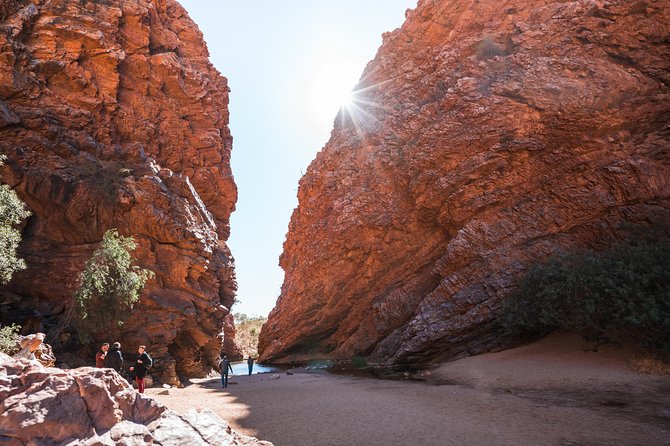
The route into Mutitjulu Waterhole brings together nature, culture, and one of the most important story areas on the walk. Your guide tells the Tjukurpa story of Kuniya, the woma python, along with the story of Liru, the poisonous snake.
Tjukurpa is not presented as a simple legend from a distant past. It connects people, place, law, animals, and responsibility. Listening beside the waterhole gives the story a physical setting, which makes the meaning easier to grasp than a short paragraph in a guidebook.
The waterhole also offers a quieter pause on a long walk. You may hear desert sounds around you and notice how different the shaded vegetation feels from the exposed trail. Conditions vary, so do not expect a large pool or a dramatic waterfall. The value is in the setting and the explanation.
Rock art sites along the route add another layer. Your guide helps you understand what you are seeing and explains the cultural importance of the area. Some locations may have photography restrictions, so follow the directions given on the day.
What the picnic breakfast is really like
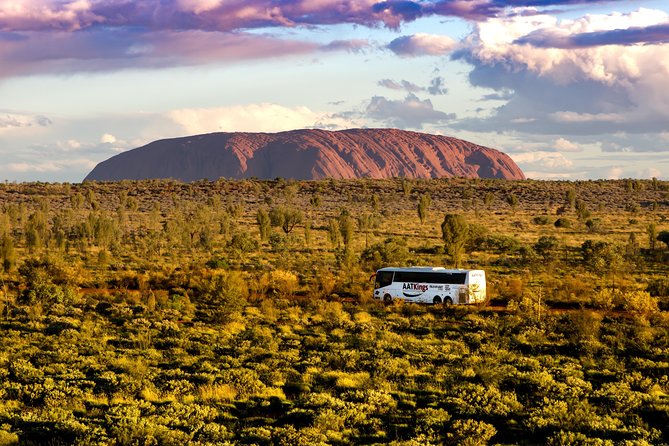
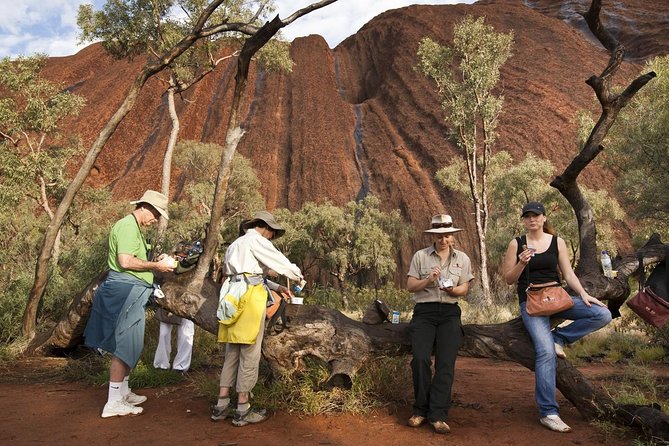
The breakfast helps you start a long walk, but it is important to set the right expectation. You receive a satchel to carry, with a simple collection of trail foods rather than a seated meal.
Items can include a bar, biscuits, fruit, juice, milk, water, and supplies for tea, coffee, or hot chocolate. The exact contents may vary, and dietary requirements should be provided when you book. The hot drink is especially welcome on a cold morning.
I see the portable format as sensible for the setting. A prepared table would add time, equipment, and heat exposure to a walk that already begins before dawn. The satchel lets you eat near Uluru without turning breakfast into a separate event.
Still, the word breakfast can create the wrong picture. If you want eggs, bread, or a cooked meal, eat something at your accommodation before pickup or bring extra snacks. Granola is not everyone’s favorite fuel, and a seven-and-a-half-mile walk can leave you wanting more.
You will carry the satchel for much of the route, so pack lightly. A fly mask may also be useful at certain times, especially if insects bother you. That is not listed as required equipment, but it is a practical suggestion for the Red Centre.
The value of a small-group guide
The tour costs $171.42 per person, before the A$38 adult park fee. That is not a cheap morning walk, but the price includes hotel pickup and return, air-conditioned transport, a professional guide, the full base circuit, and the packed breakfast.
The real question is what kind of visit you want. If you have a car, you can walk the base trail independently and save the guide cost. You will still need the park pass, and you will have more control over your pace.
The paid tour makes more sense if you want the early transport arranged, cultural context, and company on a long route. You also avoid the hassle of navigating the park before sunrise. The small group matters because the guide can keep the walk calm and personal.
The guide quality is central to the value. Rachel has been singled out for story telling and care for her group. Lucy is known for an engaging manner and frequent stops. Flo, Andy, Graham, Michael, Jackie, Max, Pete, Trent, and Lily have each been praised for different strengths, including humor, clear explanations, patience, and local detail.
No guide can guarantee the same style every day. One may focus more on plants and animals, another on geology or cultural stories. The strong pattern is that the experience depends less on luxury and more on the person leading the walk.
Who should book this Uluru walk
This is a good choice for you if you want to see the whole base of Uluru and understand why specific places matter. It suits people with moderate fitness who are comfortable walking for several hours on mostly flat ground.
It also works well if your time in Yulara is limited. One morning covers the full circumference, sunrise, waterholes, rock art, geology, and cultural explanation. You do not have to divide those elements among several short outings.
You may prefer a shorter activity if 12 kilometers feels excessive, if you dislike early starts, or if you want a relaxed breakfast. The walk can be easy underfoot but still tiring because of its length and the rising heat.
Families and older walkers should judge fitness individually. The tour data calls for a moderate physical level, and the walking surface is described as even, but no promise is made that the route will feel effortless for everyone.
Practical packing advice for the Red Centre
Prepare for two different mornings: a cold one before sunrise and a hot one after the sun rises.
- Wear layers, including something warm for the first hour.
- Use comfortable walking shoes with decent support.
- Carry water and sunscreen.
- Bring a hat and extra snacks if you need more than a light picnic.
- Consider a fly mask if insects are a concern.
- Follow all instructions about photography and culturally sensitive places.
- Tell the operator about dietary needs when booking.
The walk is flat, but flat does not mean short. Keep a steady pace, stay near the guide, and use rest stops wisely. If you are unsure about managing the distance, an independent shorter visit may be a better fit.
Should you book the full base walk?
I would book this tour if you want the most complete single morning around Uluru, especially if you do not have a car or want a guide to explain the Anangu stories and places along the route. The strongest features are the sunrise timing, hotel transfers, small groups, and the chance to see Uluru close up from every side.
I would not book it expecting a catered breakfast or a gentle two-hour outing. You are committing to a 12-kilometer walk, an early pickup, a portable snack meal, and changing temperatures.
For an active first visit, the price is reasonable because it combines transport, park access guidance, food, and a full cultural walk. Cancel at least six full days before the start for a full refund. Cancellations two to six days ahead receive 50 percent, while cancellations less than two days ahead are not refunded. Poor weather or failure to meet the minimum group size can lead to a rescheduled date or full refund.
FAQ
How long does the Uluru base walk take?
The full experience lasts approximately six hours, including hotel transfers. The walking section takes about five hours.
How far is the base trail?
The complete circuit is 12 kilometers, or about 7.5 miles, around Uluru.
Is the walk difficult?
The route is mostly flat and follows an even, marked surface, but a moderate level of fitness is recommended because of the distance. Some sandy areas may be a little harder to walk through.
Is hotel pickup included?
Yes. Pickup and drop-off are provided at Ayers Rock Resort accommodation, with transport in an air-conditioned Mercedes-Benz Sprinter.
Is the national park entry fee included?
No. Adults over 18 must pay the A$38 Uluru-Kata Tjuta National Park entry fee. The pass is valid for 72 hours and can be purchased online or from the guide.
What is included in breakfast?
The tour provides a portable outback picnic in a supplied satchel, along with tea or coffee. Food can include simple snack items such as a bar, biscuits, fruit, juice, milk, and water. Dietary requirements should be given when booking.
What happens if bad weather cancels the tour?
If poor weather causes cancellation, you will be offered another date or a full refund. The same applies if the minimum number of participants is not reached.
Just added around Uluru
- Alice Springs to Uluru (Ayers Rock) Coach Transfer★ 4.5 · 39 reviews
- 3 Day Red Centre Kata Tjuta Kings Canyon Outback ex.Alice Springs★ 5.0 · 69 reviews
- 4 Day Uluru Kings Canyon West MacDonnell NP from Alice Springs★ 4.5 · 59 reviews
- 7 Day Adelaide to Uluru Adventure and Cultural Tour★ 5.0 · 52 reviews
- 7 Day Uluru to Adelaide Cultural and Adventure Tour★ 5.0 · 30 reviews
- Best of Uluru – Segway and Walking Tour★ 4.8 · 204 reviews
- King’s Canyon: 15-minute Scenic Helicopter Tour★ 4.9 · 78 reviews
- Kata Tjuta: Small Group Sunrise Tour with Picnic Breakfast★ 4.7 · 113 reviews
Uluru Tours, compared.

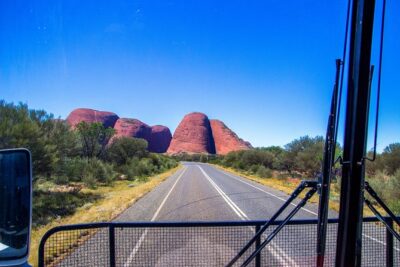
Ayers Rock Day Trip from Alice Springs Including BBQ Dinner
Read our review →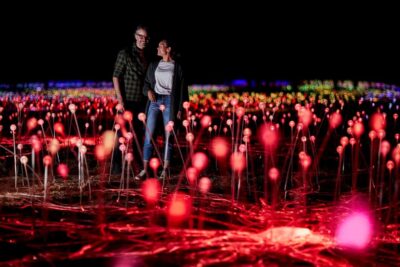
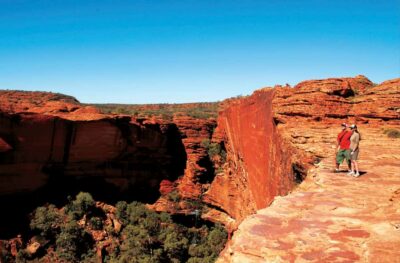
Kings Canyon: Full-Day Tour from Ayers Rock Resort
Read our review →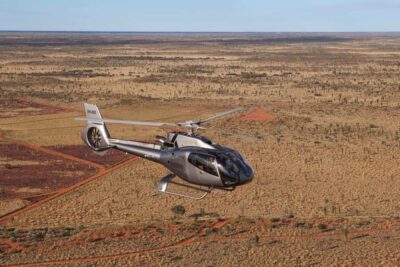
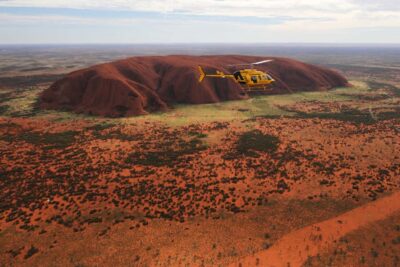
Uluru & Kata Tjuta 25-Minute Helicopter Experience
Read our review →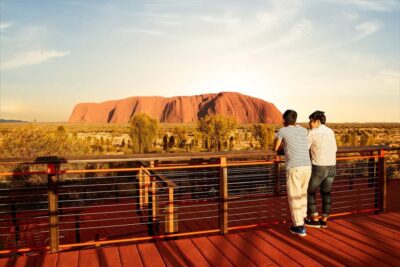
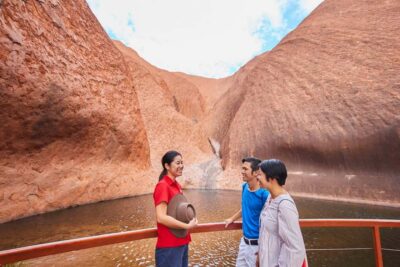
Sacred Sites & Sunset Tour with Wine & Cheeseboard
Read our review →Browse the lists this tour appears in