
Review · 2-HOUR EXPERIENCES
Coolangatta: 2 Hour Surf Experience on the Gold Coast
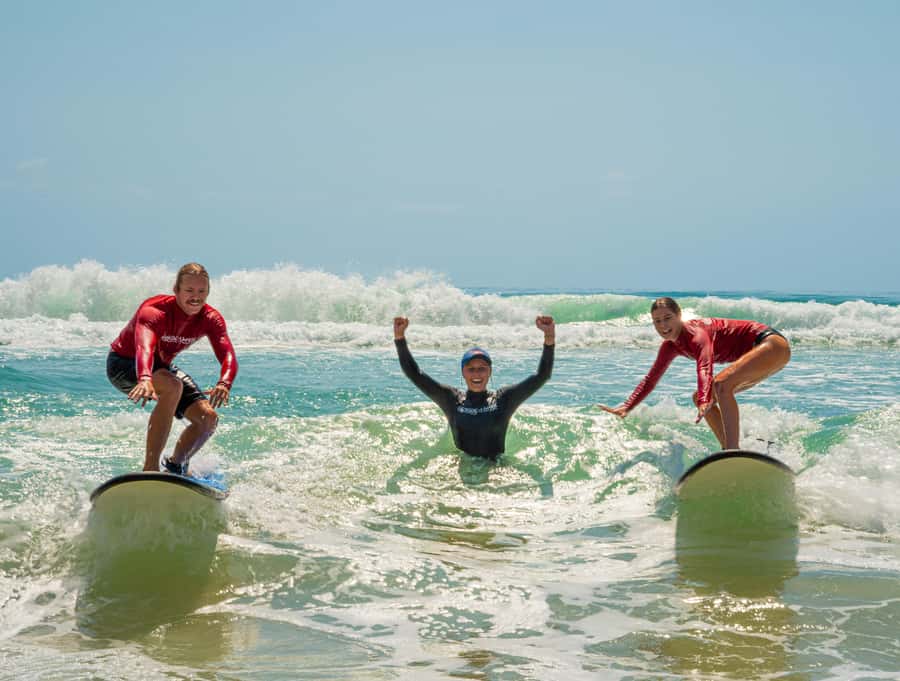
Standing on a surfboard for the first time is the magic of this Coolangatta lesson. You begin on the sand, learn how to lie on the board and pop up, then move into waist-deep water to catch small waves. The warm sea and soft-top boards make the first attempt less intimidating.
I like the clear progression from safety briefing to practice waves, and I like that the price includes a rash shirt or wetsuit, board, sunscreen, and two hours of instruction. Instructors such as Alex, Arthur, Blake, Johnny, and Daniel have earned especially warm praise for calm, friendly teaching.
The main drawback is simple: surfing is harder than it looks. One recent booking ended about 20 minutes early, so I would keep expectations sensible and treat standing up as a good first goal, not a promise.
Key points to know before you book
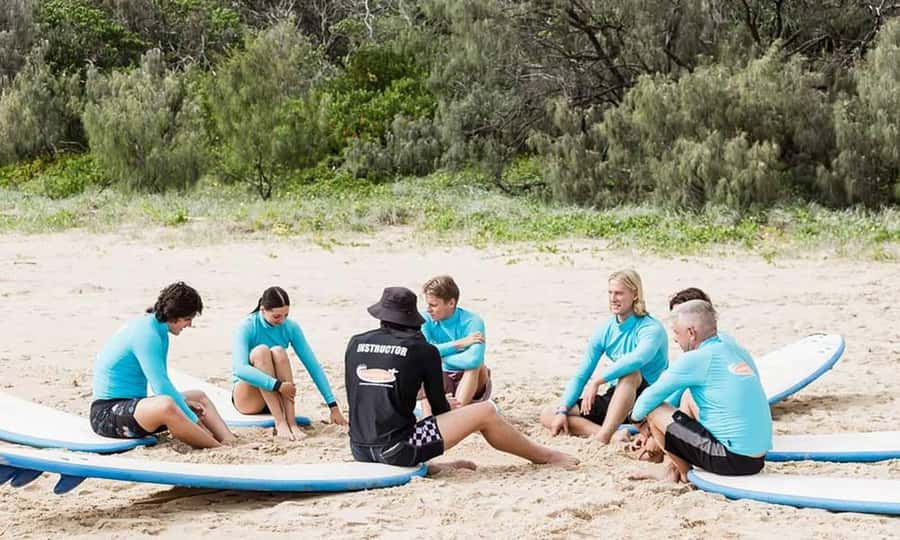
- Gentle Coolangatta waves: Greenmount and Coolangatta provide a beginner-friendly setting for learning the basics.
- Sand lesson first: You practice safety, positioning, and the pop-up before entering the water.
- Two hours of instruction: A Level 1 qualified instructor guides you through board control and wave riding.
- Useful gear included: You receive a soft-top board, long-sleeved rash shirt or wetsuit, and sunscreen.
- Good for families and first-timers: Children from age eight can join, with extra parent support required for children under nine.
- Easy beach meeting point: Find the Learn To Surf Truck in the car park opposite the Coolangatta Rip Curl Surf Shop and McDonald’s.
Why Coolangatta is a smart place to learn surfing
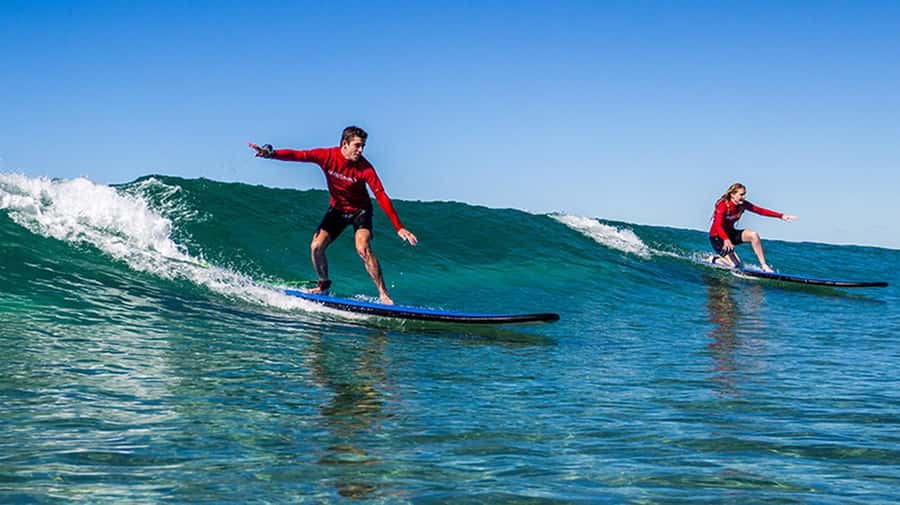
Coolangatta sits at the southern end of Queensland’s Gold Coast, where surfing is part of everyday coastal life. For a first lesson, the appeal is not just the beach scenery. You get a setting known for rolling beginner waves, warm water, and a local surf culture that helps the activity feel natural rather than staged.
The lesson takes place around Coolangatta and Greenmount. The description focuses on gentle waves suitable for beginners, though the sea is never fully predictable. Conditions can change, and your instructor will decide how far into the water you should go and which waves are suitable.
I like this type of setting for a first lesson because you are not being asked to master a dramatic break. Your early task is much more basic: balance, control the board, catch a small wave, and stand for a few seconds. That is enough to show you how surfing works.
The coastline also gives you a useful taste of Australian surf life. You are learning a sport in one of the country’s best-known surfing regions, not practicing on an artificial machine or in a swimming pool. For many people, that sense of place is part of the value.
A few more Australia half-days to weigh up
- Melbourne: 2-Hour City Highlights River Cruise
★ 4.1 · 1,804 reviews - Surfers Paradise: 2 Hour Surf Experience on the Gold Coast
★ 4.9 · 1,132 reviews - Bondi Beach: 2-Hour Surf Lesson Experience for Any Level
★ 4.9 · 935 reviews
Starting at the Learn To Surf Truck
Arrive 15 minutes before your scheduled start. The meeting point is the Learn To Surf Truck in the car park overlooking Coolangatta Beach. Look opposite the Coolangatta Rip Curl Surf Shop and Coolangatta McDonald’s, at the eastern end of Marine Parade, on the right-hand side when you face the ocean.
That location matters because a beach lesson works best when you are not rushing. You need time to find the truck, check in, change into your surf gear, and listen without worrying about the clock. Bring water, and wear your bathers because swimwear and towels are not provided.
The included equipment keeps the preparation easy. You get a soft-top surfboard, which is a sensible choice for new surfers because it is designed for beginner use, along with a long-sleeved rash shirt or wetsuit. Sunscreen is also supplied.
The provided gear does not cover everything. You still need to bring your own bathers and towel, and food and drinks are not included. A bottle of water is particularly useful after working in the sun and salt water.
The first lesson on the sand
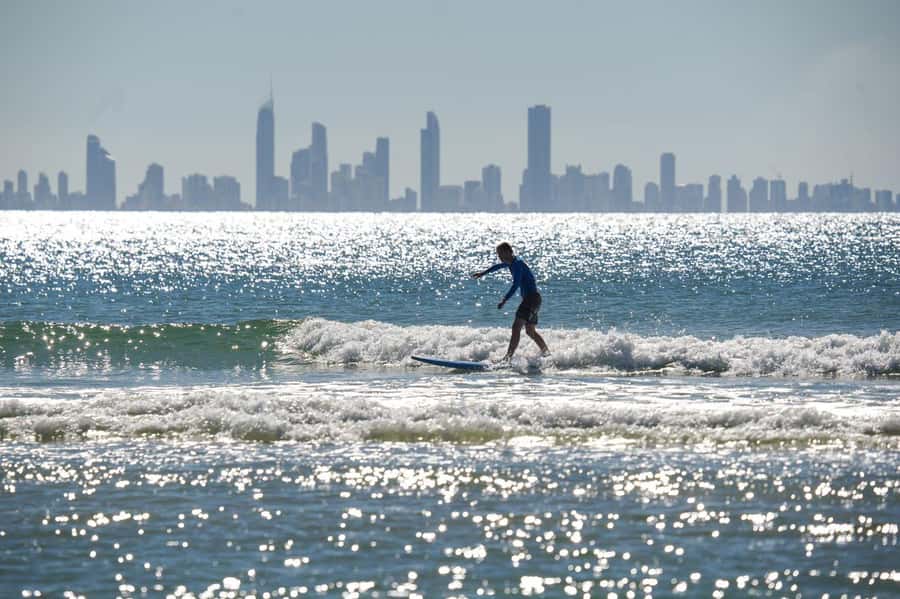
Your session begins with a safety briefing and an introduction to the basic techniques. This is not filler before the fun starts. It gives you the information needed to handle the board, understand your position, and enter the water with a clearer idea of what to do.
You learn how to lie on the board and position yourself for catching a wave. A small adjustment can make a difference: too far forward and the board may feel unstable, too far back and the wave may pass beneath you. The instructor explains the body position and timing before asking you to try it.
The stand-up movement, often called the pop-up, is practiced on the sand. You work on moving from lying down to standing in one quick motion while keeping your feet in a useful position. This is where you can concentrate on foot placement and balance without also coping with moving water.
The lesson also covers board control and safety. You learn how to manage the board in waist-deep water and how to respond when a wave approaches. Your instructor’s job is not merely to push you toward a wave. It is to give you enough information to make each attempt safer and more productive.
This land-based part is especially useful for children and nervous adults. Several sessions have helped children stand during their first lesson, including a 10-year-old who was surfing by the end. That does not mean every beginner will have the same result, but it shows why the simple sand practice matters.
Moving into the waist-deep water
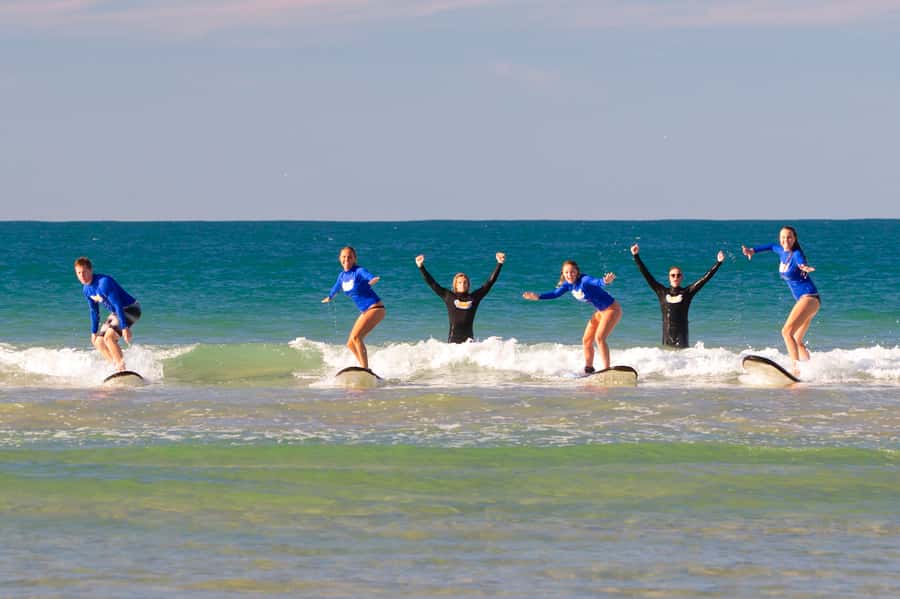
After the first explanation, you take the board into the water. The lesson description places beginners in waist-deep water, which gives you a manageable starting point while you get used to the board moving beneath you.
At this point, surfing feels different from the dry-land practice. The board shifts, the water pushes against your legs, and the timing of each wave matters. Your instructor helps you find a position and points you toward small waves that you can attempt to catch.
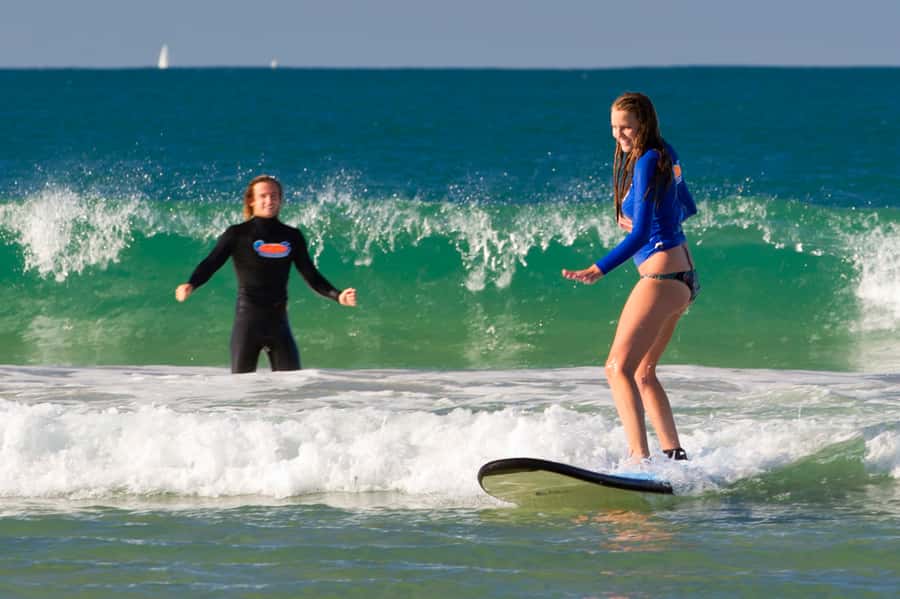
The first aim is not stylish surfing. It is learning how the board responds. You feel the wave pick up the board, keep your balance, and try to stay with it. Some attempts will end with you sliding off or losing your position. That is normal for a first session.
The soft-top board is helpful here. It offers a forgiving platform for beginners and makes the early falls less daunting. You still need to pay attention to the safety instructions, but the equipment is suited to the awkward first stage when your movements are not yet automatic.
The instructor remains an important part of this stage. A good call on when to paddle, when to stand, and which wave to take can turn a frustrating attempt into a successful one. Names praised by participants include Alex, Arthur, Johnny, Daniel, Blake, and Nick, though the instructor assigned to your session can vary.
Same base, a completely different day out:
- Sydney: Opera House Guided Tour with Entrance Ticket
★ 4.8 · 8,312 reviews - All Inclusive Blue Mountain,Scenic World,Lunch,Koalas,ferry
★ 5.0 · 7,832 reviews - Great Ocean Road Small-Group Eco Tour from Melbourne
★ 5.0 · 6,607 reviews - From Melbourne: Great Ocean Road, 12 Apostles, Wildlife Tour
★ 4.7 · 6,020 reviews
The second beach briefing and more wave attempts
After you get a taste of the ride, you regroup on the beach for more advice. This pause gives the instructor a chance to correct common problems with the pop-up, stance, or board position.
That short reset can be more valuable than simply repeating the same mistake in the water. If you are falling because your feet are landing too close together, or because you are trying to stand too early, a quick explanation can help you change the next attempt.
Then you head back into the surf. The second water session is where the lesson becomes more active. You have already felt the board move, so you can focus on catching waves, popping up, and staying upright for longer.
The goal is progress, not perfection. One person may stand up quickly, while another may spend most of the session learning to paddle and balance. The instructions are designed for complete beginners, and couples and families can take part without needing previous surf experience.
I would measure success by the number of useful skills you take away. Standing up is the memorable moment, but learning how to position yourself, control the board, and read a small wave gives you a foundation for another lesson.
What the two hours are really worth
The listed price is $59 per person. For that cost, you receive two hours of instruction, a soft-top board, a rash shirt or wetsuit, and sunscreen. You are paying for guided access to the beach and equipment as well as the teaching itself.
That makes the lesson good value for someone who wants a low-commitment introduction. You do not need to buy or hire a board separately, and you do not have to guess which part of the beach is suitable for a beginner. The instructor organizes the learning sequence and helps you use the equipment.
The value is strongest if you want a first try rather than a full surfing course. Two hours is enough to learn the basic movements and get several attempts in the water, but it is not enough to make you an independent surfer. Surfing has a steep early learning curve, and a single lesson only begins the process.
If you enjoy the session, two follow-up options are available. A 1.5-hour private lesson gives you more individual attention, while the three-part progressive course offers three two-hour lessons. The course makes more sense if you want steady improvement rather than one holiday activity.
There is also a practical point about timing. The activity information gives a duration range of two to six hours when checking availability, but the actual surf instruction is described as two hours. Check your selected start time and session details carefully when booking.
Who will enjoy this Coolangatta surf lesson
This experience suits complete beginners, couples, families, and solo visitors who want to try surfing without making a large commitment. You do not need previous surf skills, and the lesson begins with the fundamentals rather than assuming you already know how to handle a board.
It can be a good family activity for children old enough to follow instructions. The stated minimum guidance is important: the lesson is not recommended for children under eight. Children under nine must be accompanied by a parent who is not taking part in the lesson, and that parent can enter the water to assist.
The activity is less suitable if you dislike getting wet, falling off a board, or working hard in the sun. Surfing requires repeated effort, and even a small wave can leave you tired. I would also avoid booking it if your main goal is advanced turns or independent ocean surfing after one session.
Wheelchair users cannot take part. The activity takes place on the beach and in the water, so anyone with mobility concerns should consider that restriction before booking.
How to get the most from your session
Arrive early enough to find the truck and change without stress. Bring water, bathers, and a towel. Sunscreen is included, but you should still be ready for time outdoors and follow the instructor’s advice about sun protection.
Listen closely during the sand demonstration. The pop-up is the movement you will repeat most often, and understanding it before entering the water saves time. Pay attention to board position and safety rather than focusing only on standing.
When you enter the water, stay patient. It may take several tries before you catch a wave at the right speed. If you fall, reset the board, listen to the next instruction, and try again.
Keep your goal flexible. Some people stand up during their first lesson, while others leave with better balance and a clearer idea of what to practice next. The strongest part of the experience is the combination of instruction and real wave time, not a guaranteed surf performance.
The activity is taught in English. If you are booking for children, explain that they will need to listen to safety instructions and work with the instructor. Children who are keen to learn may find the session especially motivating, since a successful first stand can make them want to continue with holiday lessons.
Cancellation and booking flexibility
You can cancel up to 24 hours before the activity for a full refund. You can also reserve your place and pay later, which is useful when you are arranging a Gold Coast schedule around weather, sightseeing, and other beach plans.
Starting times vary, so check availability for your date. The meeting point is specific and easy to identify, but you should still allow the requested 15-minute arrival buffer.
Should you book the Go Ride A Wave lesson?
Book it if you want a friendly, practical first taste of surfing at Coolangatta and like the idea of learning in gentle beginner waves. The included board and clothing remove much of the equipment hassle, and the two-hour format gives you enough time to practice without committing to a full course.
I would especially recommend it for families with children aged eight and up, couples trying a new activity together, and adults who have always wanted to surf but never known where to begin. The repeated praise for instructors such as Alex, Arthur, Blake, Johnny, Daniel, and Nick points to the value of patient coaching.
Skip it if you need accessible facilities, do not want to spend time in the water, or expect polished surfing after one lesson. For everyone else, $59 is a fair price for instruction, equipment, and a genuine chance to catch your first wave on the Gold Coast.
FAQ
How long does the surf lesson last?
The surf instruction lasts two hours. Availability information may show a broader two-to-six-hour duration range, so check the selected session when booking.
Where is the meeting point?
Meet at the Learn To Surf Truck in the car park overlooking Coolangatta Beach. It is opposite the Coolangatta Rip Curl Surf Shop and Coolangatta McDonald’s, at the eastern end of Marine Parade, on the right-hand side when facing the ocean.
How early should I arrive?
Arrive 15 minutes before the scheduled start time.
What equipment is included?
The activity includes a soft-top surfboard, a long-sleeved rash shirt or wetsuit, sunscreen, and two hours of instruction from a Level 1 qualified surf instructor.
What should I bring?
Bring water, bathers, and a towel. Food and drinks are not included, and bathers and towels are not supplied.
Can children join the lesson?
Children under eight are not recommended for this activity. Children under nine must be accompanied by a parent who is not participating in the lesson, and that parent can enter the water to assist.
Can I cancel or pay later?
You can cancel up to 24 hours in advance for a full refund. You can also reserve your place and pay later.
Just added around Australia
- 7-Day Super Value Tour of Tasmania: Explore Tasmania’s West and East Coasts★ 5.0 · 77 reviews
- Hobart: Bruny Island Adventure: Hiking, Highlights & Local tastes★ 4.0 · 23 reviews
- Cascades Female Factory Historic Site [official]★ 4.5 · 110 reviews
- A Day At Wineglass Bay★ 5.0 · 33 reviews
- 5-Day Best of Tasmania Tour from Hobart★ 5.0 · 184 reviews
- 6-Day Tasmanian Explorer Adventure Tour from Hobart★ 5.0 · 66 reviews
- 4 Day Wild Tasmania Tour / Wildlife, Nature, Hiking / Inc. Accom★ 5.0 · 126 reviews
- Bonorong Wildlife Park and Richmond Afternoon Tour from Hobart★ 4.5 · 113 reviews
2-Hour Experiences, compared.
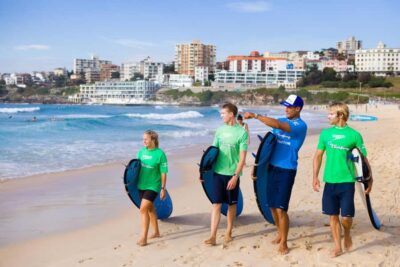
Bondi Beach: 2-Hour Surf Lesson Experience for Any Level
Read our review →
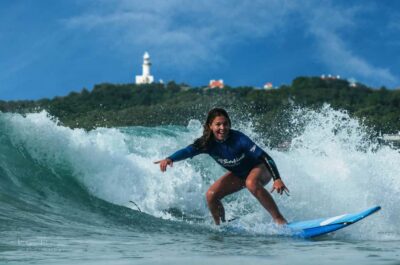
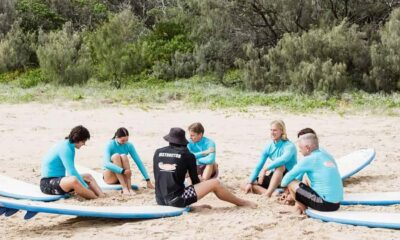
Noosa Heads: 2 Hour Surf Experience on the Sunshine Coast
Read our review →
Browse the lists this tour appears in