
Review · MORNINGTON PENINSULA TOURS
The Explorer – Cranbourne Gardens
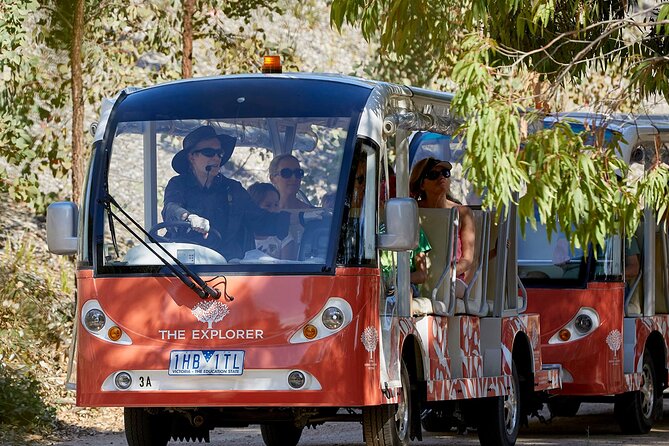
The Explorer gives you a quick, comfortable way to see the vast Australian Garden at Royal Botanic Gardens Cranbourne. In 25 minutes, the open-air minibus reaches sights that would take much longer to cover on foot, with live commentary from the driver-guide. Peter, one praised guide, is known for his plant knowledge, humor, and friendly style.
I like the excellent overview and the chance to save your legs in a 15-hectare garden. I also like that the ride works well for families, children, older visitors, and anyone with limited mobility. The main drawback is its short running time: it introduces the gardens, but it cannot replace a proper walk through the plantings.
Key points to know before you ride
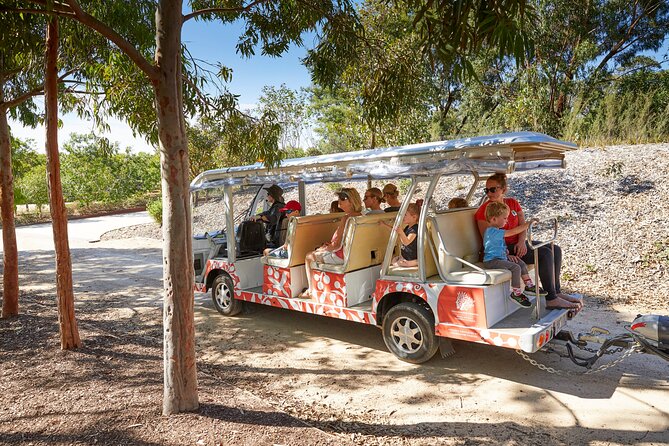
- A 25-minute route covers major sights: Expect the Red Sand Garden, Howson Hill, Ian Potter Lake, Arid Garden, and Dry River Bed.
- Live commentary adds context: Your driver-guide explains Australian plants, garden history, cultural meaning, and the ideas behind the garden design.
- A smart first stop: Ride before exploring on foot so you can decide which areas deserve more of your time.
- Useful for limited mobility: The bus lets you see much more of the garden without walking the full 15 hectares.
- Good family value: Children ride free on the Kids Explorer Bus during school holidays, though you should check that the correct child ticket is applied when booking.
- The ride is not a full-day tour: Transport to the gardens, hotel pickup, and drop-off are not included.
Why The Explorer makes Cranbourne easier
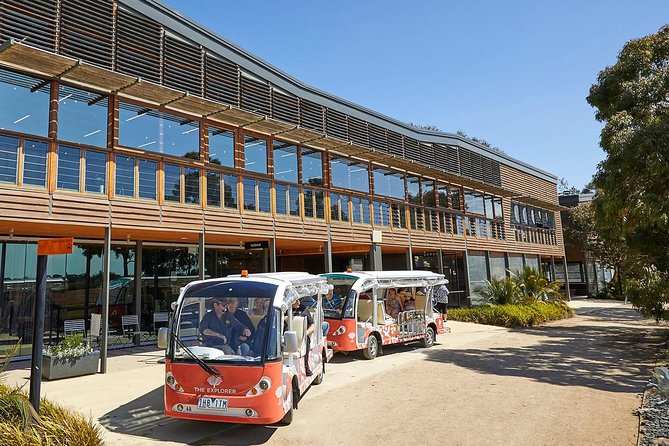
Royal Botanic Gardens Cranbourne is not a small city park with a single loop path. Its Australian Garden covers about 15 hectares, with native plants, water features, themed gardens, winding paths, and wide areas to explore. The scale is part of the appeal, but it can also make a first visit feel scattered.
The Explorer solves that problem. You sit in an open-air minibus and get a broad view of the gardens without spending your first hour working out where everything is. The ride follows a route from the Red Sand Garden along the east coast section of the Australian Garden, then winds back through the Peppermint Garden.
I see this as an orientation ride rather than a complete tour. You get the shape of the garden, a sense of its main zones, and an introduction to the plants and design. Afterward, you can return to the areas that caught your eye and explore them at a slower pace.
The bus is also a practical choice on a warm day. The tour is outdoors, but you are not walking continuously under the sun or crossing the whole site on foot. Since the experience depends on good weather, a poor-weather cancellation may lead to another date or a full refund.
A few more Australia half-days to weigh up
- Peninsula Hot Springs: Entry Ticket with Bath House
★ 4.6 · 225 reviews - Full-Day Penguins and Wildlife Nature Experience from Melbourne
★ 5.0 · 150 reviews - Peninsula Hot Springs Spa Experience and Express Transfer Shuttle
★ 5.0 · 131 reviews
What you see from the Visitor Centre
The ticket redemption point is at Royal Botanic Gardens Cranbourne, at Ballarto Road and Botanic Drive in Cranbourne, Victoria. The ride begins from the Visitor Centre, making it easy to add to a visit that already includes time in the Australian Garden.
The first useful thing to understand is the garden’s scale. From the bus, you can take in the way the plantings are arranged rather than focusing on one flower bed at a time. That bigger view helps you see how native plants, water, paths, and open spaces work together.
The driver provides live commentary throughout the ride. The content includes stories about the garden’s development, explanations of Australian flora, cultural significance, and nature interpretation. This matters because many native plants are unfamiliar to visitors from outside Australia, and a name alone does not explain why a plant belongs in a particular setting.
The commentary also gives the ride a human touch. A short bus loop can feel like a simple transfer if nobody explains what you are seeing. Here, the driver-guide is part of the experience. Peter, in particular, has been praised for his friendly delivery, humor, and strong grasp of the plants and gardens.
Red Sand Garden: an immediate sense of place
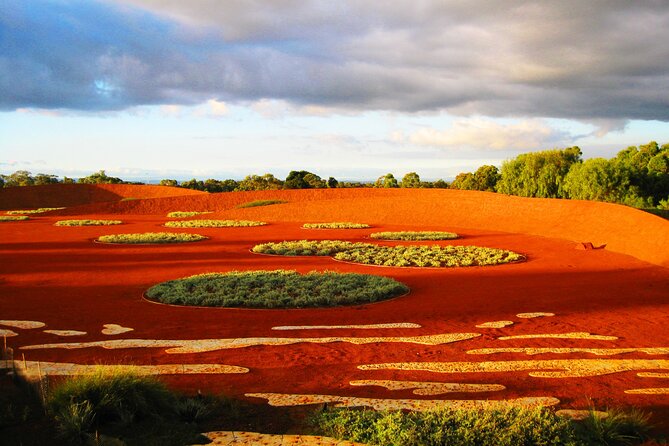
The Red Sand Garden is one of the first major highlights. Its name points to the strong color and texture of the Australian setting, giving you an early reminder that this is not a generic botanical garden filled with imported ornamentals.
From the bus, pay attention to how the garden frames the plants. The setting is designed to show Australian vegetation in a way that feels connected to soil, climate, and place. The commentary helps turn those visual details into something easier to understand.
This is also a good reason to take the ride early in your visit. If the red sand and plant combinations appeal to you, you can later get off and spend more time looking closely. The bus provides the preview, while walking gives you the detail.
Along the east coast section of the Australian Garden
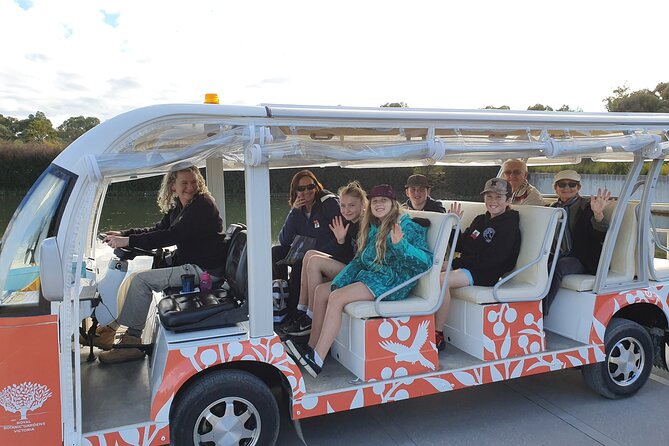
From the Red Sand Garden, the route travels along the east coast of the Australian Garden. This part of the ride helps show the range of Australian plant communities represented within the site.
You will not get the same close look at individual plants that you would on foot. That is the tradeoff. The benefit is that you cover more ground and hear how the different sections relate to one another without tiring yourself out.
For keen gardeners, the route gives useful ideas about planting combinations and garden structure. For families, it keeps the visit moving and offers changing views without asking young children to complete a long walk. The minibus also gives older family members a way to join the outing rather than waiting at the Visitor Centre.
Same base, a completely different day out:
- Sydney: Opera House Guided Tour with Entrance Ticket
★ 4.8 · 8,312 reviews - All Inclusive Blue Mountain,Scenic World,Lunch,Koalas,ferry
★ 5.0 · 7,832 reviews - Great Ocean Road Small-Group Eco Tour from Melbourne
★ 5.0 · 6,607 reviews - From Melbourne: Great Ocean Road, 12 Apostles, Wildlife Tour
★ 4.7 · 6,020 reviews
Howson Hill and the value of a higher view
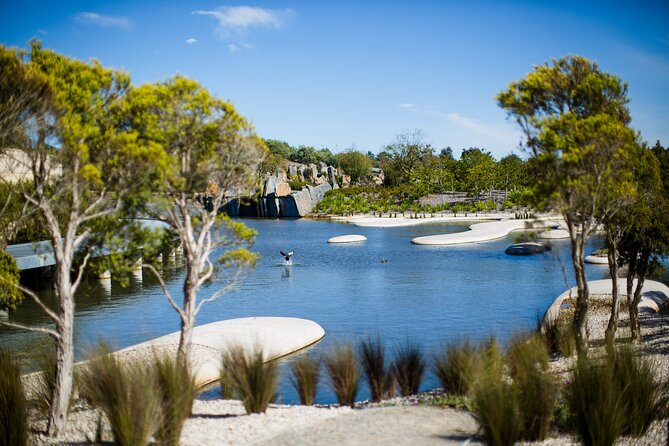
Howson Hill adds a change in viewpoint. A raised section can help you read the garden as a planned space, rather than a series of separate plant displays. Look for the relationship between the paths, plantings, and wider Australian setting.
This is one of the places where the bus format earns its fare. Walking across a large garden takes time, and visitors with mobility issues may not be able to reach every section comfortably. The Explorer gives you access to the broader view with less physical strain.
You should not expect a long stop or a full guided walk at each highlight. The tour lasts about 25 minutes, so the bus keeps moving. If a certain view interests you, make a note of it and return after the ride.
Ian Potter Lake and the garden’s water features
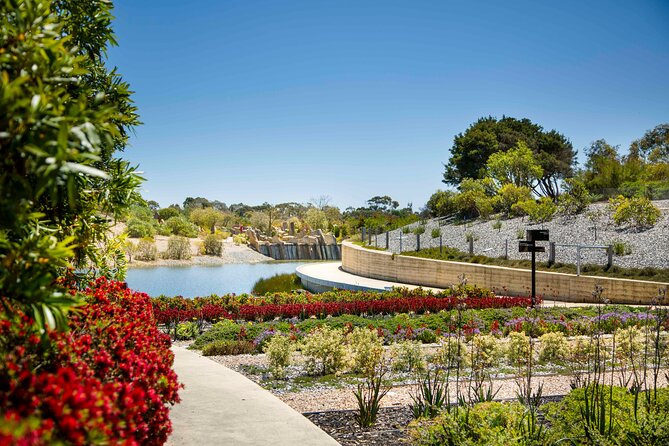
Ian Potter Lake brings water into a garden otherwise known for native plants and dry-country themes. Water changes the feel of a garden, and the lake helps show how plantings and water areas can sit together within the wider design.
The lake is also part of the visual rhythm of the ride. The route moves through dry, red-toned, and planted areas before showing you a different kind of setting. That variety keeps the short tour interesting and gives you a better sense of the garden’s range.
A walking visit lets you pause beside the water and take in small details. The bus offers the advantage of seeing it as one part of a larger plan. I would use the ride to decide if the lake deserves a longer stop later.
Arid Garden and Dry River Bed

The Arid Garden and Dry River Bed show two especially useful ideas for understanding Australian gardening. They point to plants and designs shaped by limited water, tough conditions, and the need to work with the local climate rather than against it.
The Dry River Bed is not simply a decorative feature. It helps explain how dry waterways can influence garden design and how rocks, soil, and drought-tolerant plants create structure. The Arid Garden gives you another look at plants adapted to dry conditions.
These areas may be especially interesting if you garden at home or want ideas for planting in a hot, dry climate. The bus commentary adds value here because it can explain what you are looking at without requiring you to identify every plant yourself.
At the same time, gardeners may wish the ride paused longer. A 25-minute route has to keep a steady pace, and plant lovers often want time to stop, read labels, compare leaves, or take photographs. Treat these areas as an introduction, then continue on foot if you want close study.
The Peppermint Garden and the return route
The route winds back through the Peppermint Garden. This return section gives the ride a different feel from the outward journey and completes the overview of the Australian Garden.
The name itself points to the importance of scent and sensory experience in garden design. The ride lets you see the planting arrangement, while a walk gives you a better chance to notice scents, textures, and smaller garden scenes. One useful approach is to stay alert during the ride, then choose one or two sections for a slower return visit.
The route’s shape also makes the tour useful for first-time visitors. You are not simply taken to one attraction and returned. You get a broad circuit that helps you understand where the main areas sit within the garden.
How much time should you allow?
The Explorer itself lasts approximately 25 minutes. That is long enough for a solid introduction, but not long enough to explore the gardens fully.
If you are stopping at Cranbourne on the way to Phillip Island, the ride is a sensible way to see the main Australian Garden without committing to a long walk. You can get an overview, enjoy the commentary, and then decide how much time remains for a short stroll.
If you are coming specifically for the gardens, allow extra time beyond the bus ride. The exact amount depends on your pace, but the ride should be treated as one part of the visit. You may want to revisit a lake, garden section, or path that looked appealing from the minibus.
The flexible hop-off arrangement within the Australian Garden adds useful freedom. You are not limited to watching everything through the windows. Check the available stops on arrival so you can plan where to get off and how to continue on foot.
Who will get the most from the $10.76 price?
At $10.76 per person, the ride offers good value if you want an overview, need to conserve energy, or have limited time. You are paying for transport within the gardens plus a live explanation of what you are seeing, not just a shuttle from one point to another.
The value is strongest for families and mixed-ability groups. A parent can keep children interested with a moving ride, while an older relative or someone with mobility issues can see sections that might otherwise be too far away. The open-air minibus also saves effort on hot days.
For serious gardeners, the value depends on your expectations. If you want detailed plant study, labels, and long pauses, the ride will feel like an introduction. If you want to understand the garden’s structure before exploring independently, it is a helpful starting point.
Children ride free on the Kids Explorer Bus during school holidays. The special family service is designed around the sights, sounds, and scents of the Australian Garden. One caution: a booking problem has occurred when a child was charged despite the school holiday offer, so check the final price carefully and confirm that the correct child option is selected.
The bus carries a maximum of 25 people. That keeps the experience relatively small compared with a large coach, though the exact feel depends on the group that day.
Mobility, families, and practical comfort
The Explorer is particularly helpful for visitors who cannot manage long or uneven walks. The garden includes level walking paths, but a large site can still be tiring. The ride gives you access to more of the grounds while leaving energy for the areas you most want to explore.
Service animals are allowed, and most people can participate. The experience is near public transportation, but transportation to and from the attraction is not included. You need to arrange your own way to Royal Botanic Gardens Cranbourne.
For families, the moving format can be easier than asking children to walk from one display to another. The driver commentary adds stories and humor, and the bus experience can make the garden feel more active for young visitors.
The ride is outdoors, so dress for the weather. Because poor weather can cancel the experience, keep your plans flexible if rain or rough conditions are forecast.
The café and the rest of your visit
The gardens include a café, which is useful if you plan to stay after the ride. The Explorer does not include hotel pickup, drop-off, or transport to the attraction, so it works best as an add-on to a self-planned visit.
Start with the bus if you want orientation. Then walk the sections that interested you most. This order saves you from crossing the garden without a plan and lets you use the commentary to make sense of details you might otherwise miss.
Keep your expectations realistic. You will not receive a long private tour, and the bus cannot stop for every plant or viewpoint. What you get is a compact circuit, a friendly guide, and a practical way to see the garden’s main character.
Should you book The Explorer?
Book it if you want a fast introduction to Royal Botanic Gardens Cranbourne, are visiting with children, have limited mobility, or need to make the most of a short stop near the Mornington Peninsula. The live commentary, broad route, and low price make it a useful first step.
Skip it if your main goal is quiet plant study and you already have plenty of time to walk. You will see more detail on foot, and the 25-minute ride may feel too brief for a dedicated gardener.
For most people, I would choose the ride and then explore independently. It gives you the garden’s main sights, including the Red Sand Garden, Howson Hill, Ian Potter Lake, Arid Garden, Dry River Bed, and Peppermint Garden, without exhausting you at the start. With a 97 percent recommendation rate and a 4.8 rating from 135 reviews, it is a strong-value way to get your bearings before making the gardens your own.
FAQ
How long does The Explorer tour last?
The ride lasts approximately 25 minutes.
Where does The Explorer depart from?
The experience begins at the Visitor Centre at Royal Botanic Gardens Cranbourne, located at Ballarto Road and Botanic Drive, Cranbourne VIC 3977, Australia.
What sights are included on the route?
The route includes the Red Sand Garden, Howson Hill, Ian Potter Lake, Arid Garden, Dry River Bed, the east coast section of the Australian Garden, and the Peppermint Garden.
Is live commentary included?
Yes. A driver-guide provides live commentary about the plants, garden history, cultural significance, nature, and garden design.
Are children free on The Explorer?
Children ride free on the Kids Explorer Bus during school holidays. Check the booking details and final price carefully to ensure the correct child fare is applied.
Can I cancel for a full refund?
Yes. You can cancel at least 24 hours before the experience start time for a full refund. Changes or cancellations made less than 24 hours before the start time are not accepted, and poor weather may lead to a different date or a full refund.
Just added around Australia
- 7-Day Super Value Tour of Tasmania: Explore Tasmania’s West and East Coasts★ 5.0 · 77 reviews
- Hobart: Bruny Island Adventure: Hiking, Highlights & Local tastes★ 4.0 · 23 reviews
- Cascades Female Factory Historic Site [official]★ 4.5 · 110 reviews
- A Day At Wineglass Bay★ 5.0 · 33 reviews
- 5-Day Best of Tasmania Tour from Hobart★ 5.0 · 184 reviews
- 6-Day Tasmanian Explorer Adventure Tour from Hobart★ 5.0 · 66 reviews
- 4 Day Wild Tasmania Tour / Wildlife, Nature, Hiking / Inc. Accom★ 5.0 · 126 reviews
- Bonorong Wildlife Park and Richmond Afternoon Tour from Hobart★ 4.5 · 113 reviews
Mornington Peninsula Tours, compared.

Peninsula Hot Springs: Entry Ticket with Bath House
Read our review →
Full-Day Penguins and Wildlife Nature Experience from Melbourne
Read our review →
Peninsula Hot Springs Spa Experience and Express Transfer Shuttle
Read our review →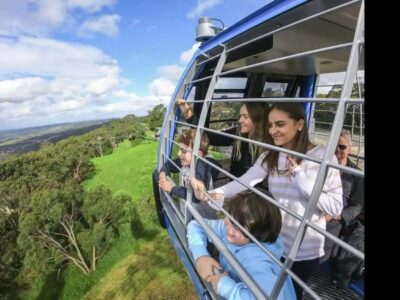
Mornington Peninsula: Hot Springs and Body Clay Ritual
Read our review →
Sorrento,Mornington Peninsula: Wildlife & Sightseeing Cruise
Read our review →
Fingal: Peninsula Hot Springs Entry with Lunch Credit
Read our review →Browse the lists this tour appears in