
Review · LONGREACH TOURS
Nogo Station Experience
The most memorable part of the Nogo Station Experience is the look at working life behind the postcard image of the Australian outback. You move from Longreach’s heritage sites to a real sheep station, then across wide grazing country by open-top double-decker bus, with a bush lunch beneath gum trees.
I like the shearing shed visit, where sheepdogs, Merino wool, and the work of shearers give the morning real substance. I also like the mix of wildlife and local storytelling, especially when guides such as Jeremy and Duncan explain what you are seeing. The main consideration is that the wildlife sightings and live shearing depend on the day, and flies can be enthusiastic company at lunch.
Key points
- See the working side of a sheep station: Visit Nogo Station’s historic shearing shed and learn how prized Merino wool is handled.
- Ride above the outback plains: The open-top double-decker bus gives you broad views and a good chance to spot kangaroos, donkeys, camels, goats, cattle, and wedge-tailed eagles.
- Hear local stories from people who know the area: Jeremy brings hands-on station knowledge and humor, while Duncan adds Longreach history during the drive.
- Connect Captain Starlight with the country: Visit old stockyards and a recreation of his bush camp, then have billy tea beneath the gum trees.
- Expect an early, half-day outing: Pickup is offered, the start time is 7:45 am, and the tour lasts about three to four hours.
- Good value for a focused morning: At $118.35 per person, the price covers transport, guiding, station access, and the pioneer-style food stop.
Why Nogo Station gives Longreach more meaning
Longreach is not simply a convenient base for outback attractions. Its story is tied to sheep, cattle, transport, water, distance, and the people who learned to make a living in a demanding environment. This tour gives you a way to connect those ideas.
You begin with a guided heritage look at Longreach. The drive is not just a transfer to the station. Duncan points out landmarks and adds stories about the town, its characters, and the events that shaped it. That early orientation helps you understand the place before you reach Nogo.
I find this useful because station life can otherwise feel abstract. A wide road, a few buildings, and a large paddock do not tell you much on their own. Local commentary fills in the gaps and helps you notice the practical details of life in western Queensland.
The experience is hosted by the Kinnon family through Outback Pioneers. That family connection matters here. The best parts of the morning are not polished stage performances. They come from people explaining work they understand firsthand, with plenty of Australian humor along the way.
A few more Australia half-days to weigh up
- Drover’s Sunset Cruise includes Smithy’s Outback Dinner and Show
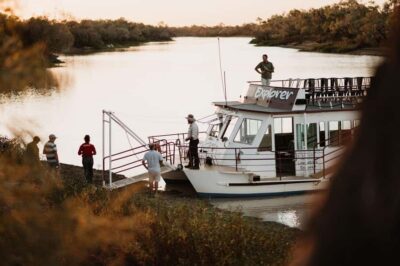
★ 5.0 · 665 reviews - Starlights Cruise Experience
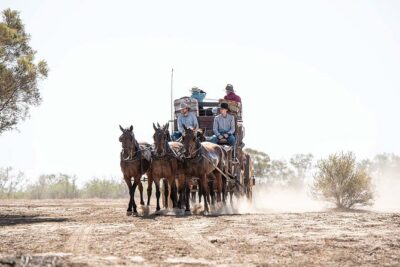
★ 4.5 · 368 reviews - Cobb & Co Stagecoach Experience in Longreach
★ 4.5 · 226 reviews
The shearing shed is the heart of the morning
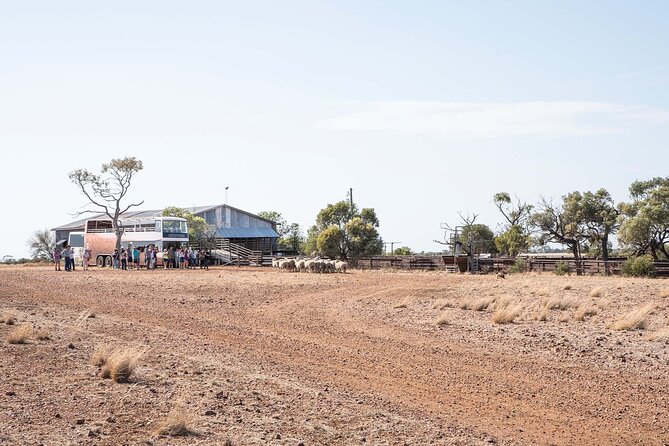
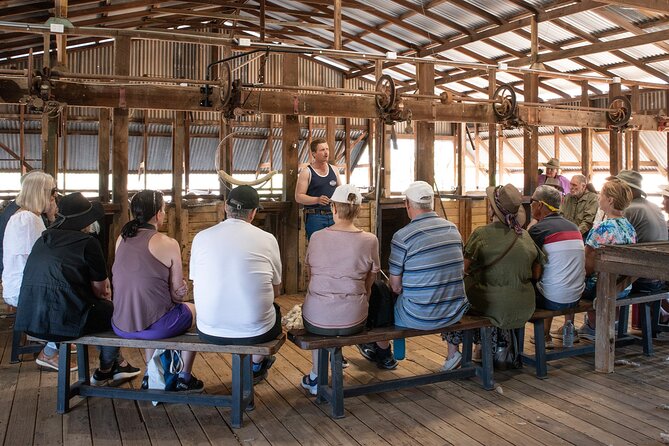
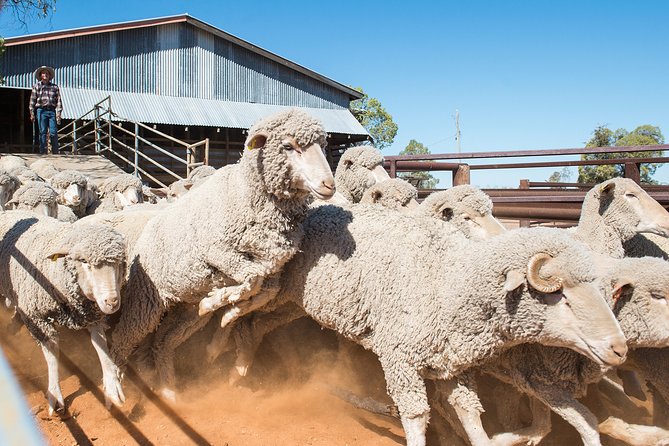
At Nogo Station, the historic shearing shed provides the clearest picture of the station economy. You learn about Merino sheep and the value of their wool, as well as the demanding work that goes into moving a flock through the shed.
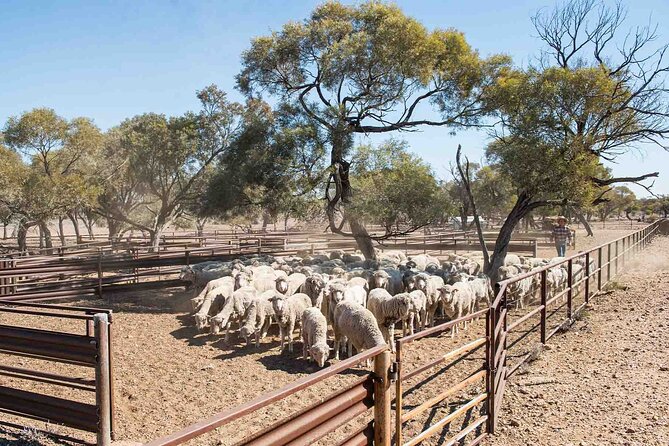
The visit can include a sheepdog mustering the flock before you go inside. That small demonstration helps you see how much of station work depends on trained animals, timing, and calm control. It is a more useful introduction than simply looking at sheep in a field.
Inside, the talk covers shearing practices and the language of the wool industry. One memorable detail is that shearers wore moccasins, an example of the practical customs that developed around the job. Details like this turn a general talk about rural life into something you can picture.
If shearing is taking place during your visit, the shed becomes especially lively. You may see the work in progress and gain a better sense of its speed and physical effort. But the tour is not dependent on live shearing alone. Jeremy provides an extended explanation of station life and the history of shearing when a team is not working that day.
That said, this is the part of the experience most affected by timing. A live shearing session gives you more action. On a quieter day, the visit relies more heavily on the guide’s storytelling and the setting itself. I would not cancel solely because shearing is not scheduled, but I would keep your expectations flexible.
An open-top bus across Nogo Station
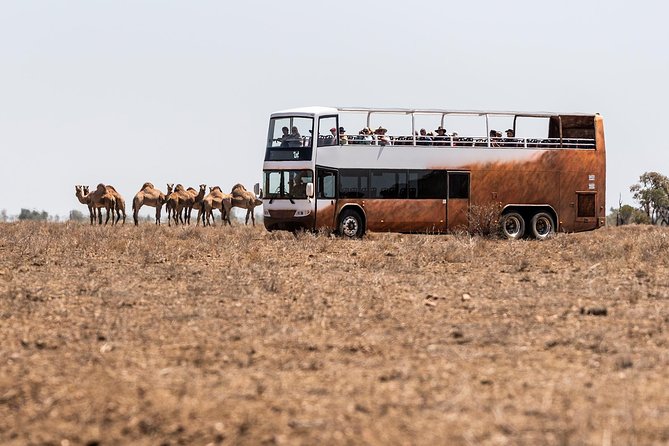
After the shed, you board an open-top double-decker bus for a safari-style ride across the station. It is an unusual choice of vehicle for a working property, and it gives you a clear view over the grasslands and open plains.
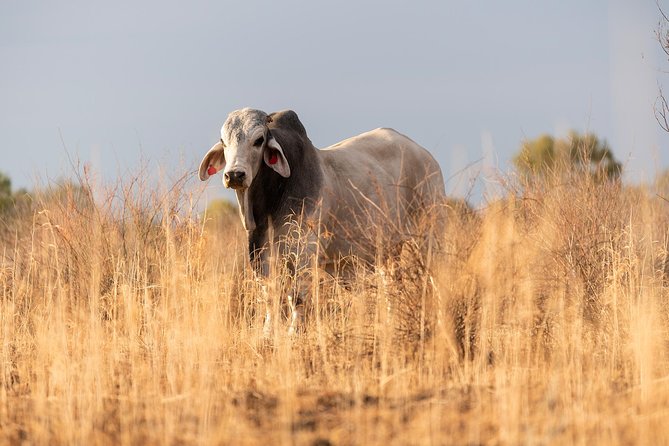
The high seating helps when you are trying to scan for animals. You may see kangaroos, wild donkeys, desert camels, goats, and cattle, along with horses and other signs of station life. Wedge-tailed eagles can also appear overhead, riding the air above the property.
Sightings are never guaranteed, so think of this as a wildlife search rather than a fixed animal display. The value is in seeing how domestic animals, introduced animals, native wildlife, and station work exist side by side. The bus allows you to cover more ground than you could on foot, while the open top keeps the ride connected to the weather and country around you.
The views are a major part of the ride. From the upper deck, you get a better sense of the scale of the station and the isolation faced by earlier settlers. The country can appear almost empty at first, but the guide’s commentary points out the work taking place across that space.
Bring your patience. Wildlife may be close one moment and absent the next. The bus ride is most rewarding when you enjoy the search, the stories, and the sheer openness, rather than expecting a guaranteed list of animals.
Captain Starlight’s camp and the bush lunch
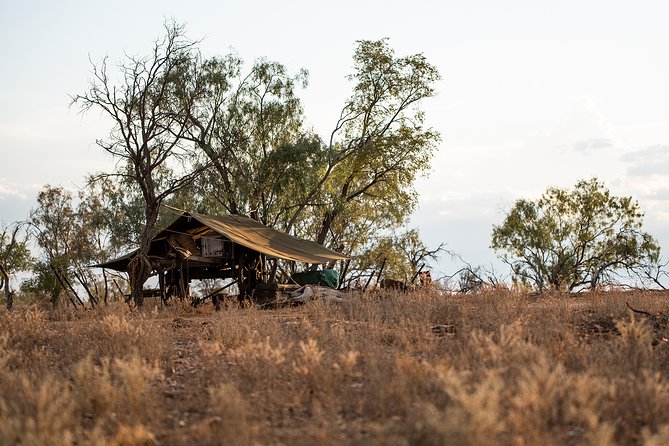
The final stop is a recreation of Captain Starlight’s camp, near his old stockyards. This links the station tour with the pioneer era and gives the morning a more human setting.
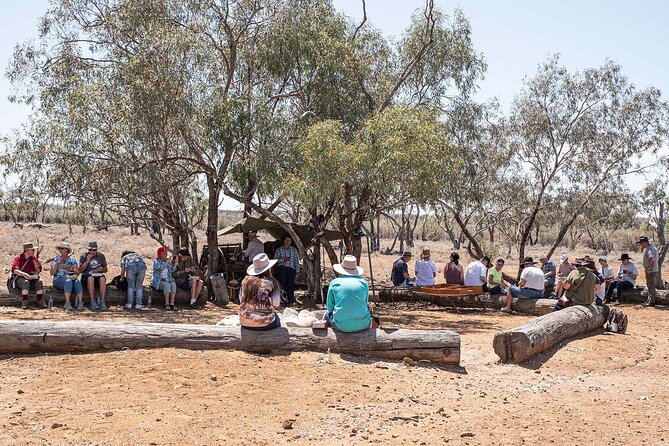
You sit beneath gum trees for a traditional pioneer-style smoko, with a billy-can lunch and billy tea. The food is served in a saddlebag-style arrangement, which fits the setting better than a standard café meal would. It is a simple but memorable way to finish a morning about stock routes, shearing, and life far from large towns.
The camp is not intended to offer restaurant service. It is an outdoor stop with a practical, old-fashioned feel. The shade is welcome, but flies can be part of the bargain. Several people found the lunch enjoyable while also noting that the flies were persistent, so it is sensible to come prepared for an outdoor meal.
You can list dietary requirements in the booking notes. That is worth doing in advance, since the meal is included and the tour asks you to provide dietary information before the day.
Same base, a completely different day out:
- Sydney: Opera House Guided Tour with Entrance Ticket
★ 4.8 · 8,312 reviews - All Inclusive Blue Mountain,Scenic World,Lunch,Koalas,ferry
★ 5.0 · 7,832 reviews - Great Ocean Road Small-Group Eco Tour from Melbourne
★ 5.0 · 6,607 reviews - From Melbourne: Great Ocean Road, 12 Apostles, Wildlife Tour
★ 4.7 · 6,020 reviews
Guides who make the difference
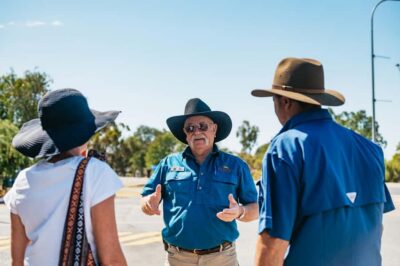
The quality of this experience depends heavily on the hosts. Jeremy is the main station guide mentioned most often in connection with the shed and property. His strengths are practical knowledge, a relaxed style, and a distinctly Australian sense of humor.
He explains what it takes to run a sheep station, both in earlier times and today. That includes the less romantic side of the work: long distances, animal management, wool production, and the skill needed to keep a large property operating.
Duncan is associated with the driving and Longreach commentary. His role helps the morning feel connected from beginning to end. You hear local stories while moving through town, then shift to station stories once you reach Nogo.
This division works well. The town tour gives you context, while the station hosts explain the working property. The most praised part of the morning is not a single animal sighting or meal. It is the way the guides turn ordinary details into stories you remember.
How much time and money should you allow?
The tour starts at 7:45 am and takes about three to four hours. That makes it a practical choice for a morning in Longreach, especially if you want to fit in another attraction later in the day.
Pickup is offered, which simplifies the start for people staying in Longreach. The maximum group size is 40, so this is not a private station visit. Still, the structure includes several moving parts, including town commentary, the shed, the bus ride, and the camp meal.
At $118.35 per person, the price is fair if you value interpretation and access to places you would not easily experience independently. You are paying for more than a drive past rural scenery. The fee includes transport, the guided heritage portion, the station visit, the bus outing, and the included bush lunch and billy tea.
The value is strongest for first-time visitors to Longreach who want one well-organized introduction to outback life. If you have already spent several days on working stations or have little interest in wool production, the price may feel less compelling. For most people, though, the combination of local history, live station details, wildlife searching, and food makes good use of a half-day.
The experience is booked an average of 61 days in advance, which suggests you should not leave it until the last minute if it is central to your plans. Confirmation is provided at booking, and most people can take part.
Who should book the Nogo Station Experience?
I would recommend this tour to you if you want more than a scenic drive. It suits people who enjoy learning how places function, particularly anyone curious about sheep, wool, cattle, horses, station dogs, and rural work.
It is also a strong choice for families and mixed-age groups because the morning changes pace often. You get a town tour, a working shed, a bus ride, animals, storytelling, and an outdoor meal. No single part has to carry the whole experience.
History-minded visitors will appreciate the connection between Longreach, Captain Starlight, the stockyards, and the pioneers who worked across large distances. Wildlife watchers should come along too, but with realistic expectations. You may see camels, donkeys, kangaroos, goats, or eagles, but the animals are living on a working property, not waiting on a schedule.
You may want to reconsider if you dislike early starts, outdoor eating, or the chance of flies. The tour also has less appeal if you are seeking a strenuous walk or a highly polished attraction. This is a guided cultural and agricultural visit, not an adventure ride.
Practical details for a smoother morning
Start time is 7:45 am, so plan to be ready early. Since pickup is offered, check the exact meeting arrangement when booking rather than assuming the vehicle will stop at your accommodation.
Wear clothing suited to an outdoor station visit. The bus is open-top, and the lunch takes place under gum trees, so conditions can affect comfort. A hat and sun protection are sensible choices, although the supplied information does not specify what equipment is provided.
Keep your phone or camera ready during the bus section, but do not build the day around getting a perfect animal photograph. The strongest memories may come from the guide’s explanation of a sheepdog, a shearing custom, or an old stockyard rather than from a close wildlife encounter.
The tour needs good weather and a minimum number of participants. If poor weather cancels the outing, you can choose another date or receive a full refund. The same applies if the minimum number is not reached. You can cancel for a full refund up to 24 hours before the local start time, but cancellations or changes inside that window are not accepted for a refund.
Is Nogo Station worth booking?
Yes, if you want a grounded introduction to Longreach and the working outback. The best reasons to book are the station access, the shearing shed explanation, Jeremy’s practical storytelling, Duncan’s town commentary, and the open-top ride that puts the scale of Nogo Station in front of you.
Book it with the understanding that live shearing and animal sightings depend on the day. Also expect an outdoor lunch, including flies. Those small compromises are part of what makes the morning feel connected to real station life rather than a staged indoor attraction.
At $118.35, it is a worthwhile choice for a first visit to Longreach, particularly if you have only one morning available. If you want a thoughtful mix of local history, agriculture, wildlife, and pioneer tradition, this is one of the more useful ways to spend it.
FAQ
Where does the Nogo Station Experience take place?
The experience is based in Longreach, Australia, and includes a visit to Nogo Station.
What time does the tour start?
The stated start time is 7:45 am.
How long does the experience last?
It lasts approximately three to four hours.
Is pickup available?
Yes, pickup is offered.
What animals might I see?
You may see desert camels, wild donkeys, kangaroos, goats, cattle, horses, and wedge-tailed eagles.
Is lunch included?
Yes. The experience includes a traditional pioneer-style billy-can lunch and billy tea at Captain Starlight’s Camp.
How many people can join the tour?
The maximum group size is 40 people.
Can I cancel for a refund?
Yes. You can cancel at least 24 hours before the local start time for a full refund. Changes or cancellations made less than 24 hours before the start are not accepted for a refund.
Just added around Australia
- 7-Day Super Value Tour of Tasmania: Explore Tasmania’s West and East Coasts★ 5.0 · 77 reviews
- Hobart: Bruny Island Adventure: Hiking, Highlights & Local tastes★ 4.0 · 23 reviews
- Cascades Female Factory Historic Site [official]★ 4.5 · 110 reviews
- 5-Day Best of Tasmania Tour from Hobart★ 5.0 · 184 reviews
- A Day At Wineglass Bay★ 5.0 · 33 reviews
- 6-Day Tasmanian Explorer Adventure Tour from Hobart★ 5.0 · 66 reviews
- 4 Day Wild Tasmania Tour / Wildlife, Nature, Hiking / Inc. Accom★ 5.0 · 126 reviews
- Bonorong Wildlife Park and Richmond Afternoon Tour from Hobart★ 4.5 · 113 reviews
Longreach Tours, compared.
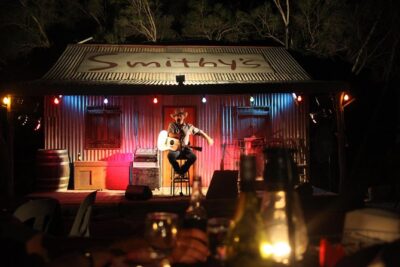
Drover’s Sunset Cruise includes Smithy’s Outback Dinner and Show
Read our review →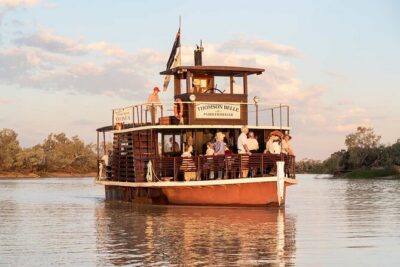
Longreach: Drover’s Sunset Cruise & Outback Dinner & Show
Read our review →
Longreach: Sunset Paddlewheeler Cruise, Show and Dinner
Read our review →
Browse the lists this tour appears in