
Review · DARWIN TOURS
Royal Flying Doctor Service Tourist Facility: Two Iconic Territory Stories
Darwin’s RFDS Tourist Facility brings two very different Territory stories into one compact museum: the heroic work of the Royal Flying Doctor Service and the devastating 1942 Bombing of Darwin. The best moments use technology well, especially the life-size hologram cinema and the VR presentation that puts you above Darwin Harbour during the attack.
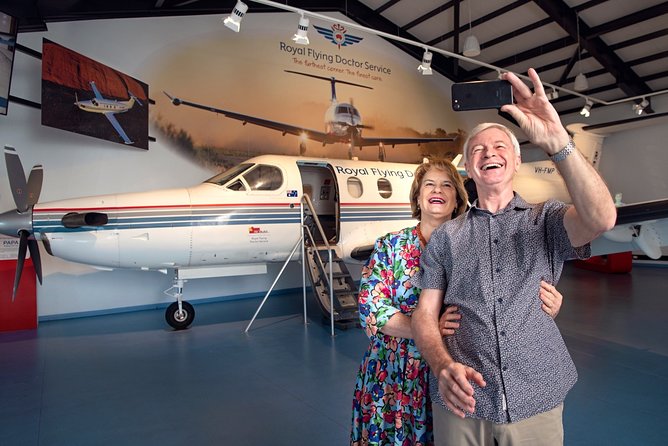
I like the chance to walk through a real aero-medically equipped Pilatus PC-12, then see how pilots, engineers, doctors, and nurses work around the limits of remote Australia. I also like the freedom of a self-guided visit, with entrance times spread through the day and plenty of seating inside the air-conditioned building.
The main consideration is emotional weight. The bombing material is respectful but serious, and the facility can feel more like a focused museum visit than a full two-hour tour if you move quickly through the displays. Allow at least 90 minutes, and longer if you watch every presentation and read the exhibits.
Key points to know before you go
- Two Territory stories share one museum: You learn about the RFDS and the Bombing of Darwin in a single visit.
- A real Pilatus PC-12 is part of the experience: You can see the aircraft’s medical setup and imagine the tight working conditions onboard.
- The VR bombing presentation is a major draw: It gives the wartime story a strong visual and emotional impact.
- You explore at your own pace: This is not a tightly led group tour, though staff provide an introductory overview.
- The building is cool and accessible: It is indoors, air-conditioned, fully disability accessible, and fitted with seating.
- The price suits a short Darwin attraction: At about $21.52 per person, it offers a useful history stop for families, cruise visitors, and anyone interested in the Territory.
Two powerful stories inside one Darwin visit
The facility’s idea is simple: tell two important Darwin stories under one roof. That pairing works because both subjects are tied to distance, danger, and the need for people to respond quickly when ordinary services cannot reach them.
The RFDS story follows the vision of Reverend John Flynn and the growth of a medical service that reaches remote parts of Australia by aircraft. You are not just looking at old equipment. The exhibits explain how flying doctors became part of daily life for people living far from hospitals and major towns.
The second story concerns the Bombing of Darwin during World War II. The presentations show how the attack affected the harbour and the town, while also placing the event in the wider story of Australia’s wartime service and defence.
I find the contrast useful. One section explains a long-running service built through planning and persistence. The other shows a sudden crisis that changed Darwin forever. Together, they give you more than a collection of isolated displays.
A few more Darwin half-days to weigh up
- Litchfield National Park and Jumping Crocodile Cruise
★ 5.0 · 2,119 reviews - Adelaide River Cruises – Jumping Crocodile Experience
★ 5.0 · 997 reviews - Sunset 3-Hour Cruise from Darwin with Dinner and Sparkling Wine
★ 5.0 · 980 reviews
Start with the introductory overview
Your visit begins with an introductory overview from the facility team. After that, the main experiences are self-guided, so you can choose your pace and spend more time on the sections that matter most to you.
That arrangement is practical. You do not have to follow a guide from room to room, and you can pause when a film or display catches your attention. Families can move ahead at different speeds, while visitors with mobility needs can make use of the seating placed throughout the building.
You have a choice of entry times during the day. That helps if you are fitting the museum around a harbour visit, a meal, or another Darwin attraction. If you are arriving by cruise ship, a free shuttle bus may take you to the facility, which can make the stop particularly easy to add to your day.
The atmosphere is indoors and air-conditioned. In Darwin’s heat, this is not a small detail. You can spend time with the exhibits without worrying about sun, humidity, or rain interrupting the visit.
The hologram cinema explains the RFDS story
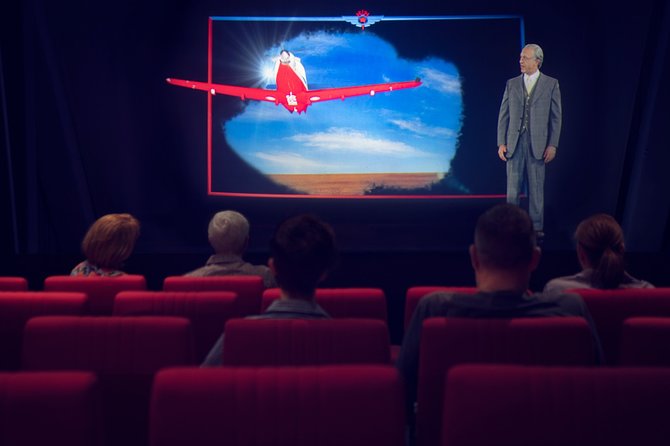
One of the first major presentations uses life-size holographic technology to tell the story of Reverend John Flynn’s vision and its development into the RFDS of today.
The format helps the story move beyond dates and names. The hologram presentation gives the founding idea a human shape, showing how a bold plan became a working medical service for people in remote areas. You can also listen to the session with audio translation in Japanese, German, French, or Simplified Chinese.
I like this part because it explains why the RFDS matters before you inspect the aircraft. Without that context, a plane can seem like a piece of machinery. With it, the aircraft becomes part of a larger system involving medical care, flight planning, maintenance, and patient transport.
The story also carries a useful sense of scale. Medical help in remote Australia cannot rely on a nearby hospital or a short ambulance trip. Aircraft, trained crews, and careful preparation are essential. The display gives you a clear idea of the problem the service was created to solve.
The cinema presentation is not likely to suit every child equally. Younger children may be more interested in the plane and the VR sections, while older children and adults may pay closer attention to the story behind the organisation.
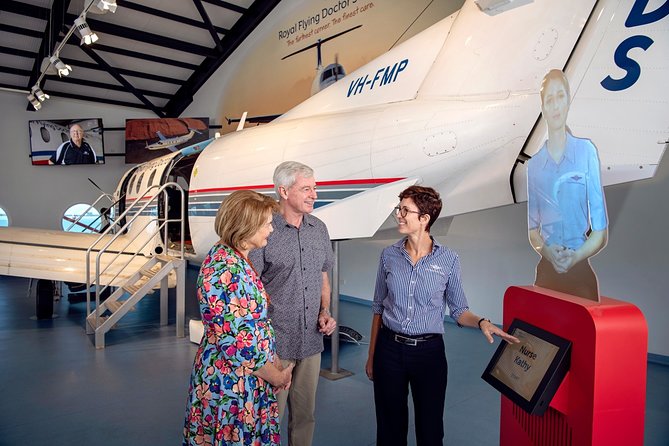
Walk through the decommissioned Pilatus PC-12
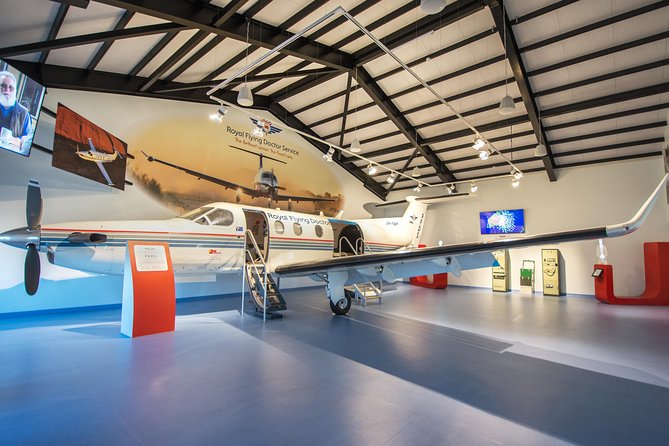
The aircraft is the most tangible part of the RFDS display. You can climb aboard a decommissioned Pilatus PC-12 that has been fully equipped for aero-medical work.
This is where the service becomes easier to understand. Medical aircraft must use limited space carefully, and the display lets you see how much equipment can fit into a relatively small cabin. You can look at the arrangement and consider how doctors and nurses care for patients while the aircraft is in flight.
The aircraft section also covers the different jobs that keep the service moving. Pilots, engineers, doctors, and nurses all have a role. The RFDS is not simply a doctor being flown to a remote location. It is a coordinated operation that depends on aviation and medical staff working together.
Children can usually connect with this section quickly because it offers something physical to explore. The cockpit is another highlight, especially for families. Adults may take more from the practical questions: how does a patient travel, what must the crew carry, and how can a plane serve places that have few medical facilities?
I would allow extra time here if you have an interest in aviation, emergency care, or Australian outback life. The aircraft is not a full flight simulator, but it adds a real object to a museum experience otherwise built around screens and displays.
Same base, a completely different day out:
- From Darwin: Litchfield Park Tour & Jumping Crocodile Cruise
★ 4.9 · 829 reviews - Charles Darwin Dinner Cruise
★ 4.5 · 820 reviews - Kakadu Day Tour from Darwin with Offroad Dreaming
★ 5.0 · 776 reviews - Cape Adieu Darwin Sunset Dinner Cruise
★ 5.0 · 750 reviews
Experience the Bombing of Darwin through VR
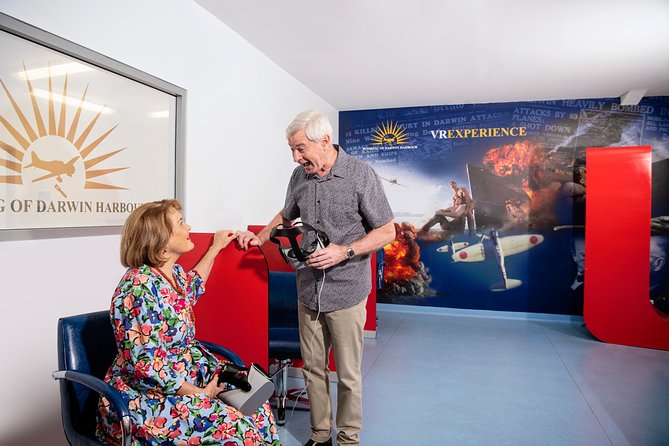
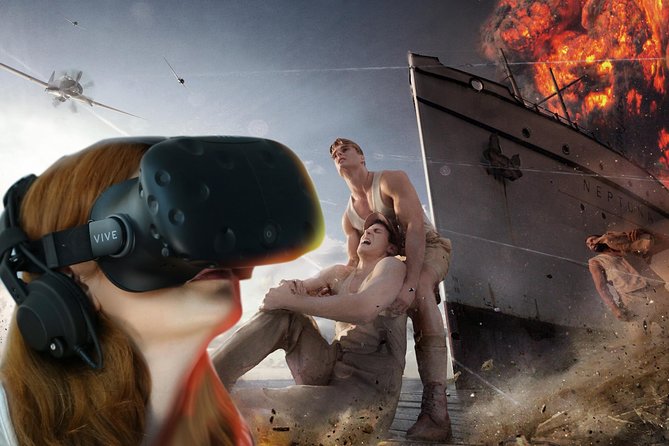
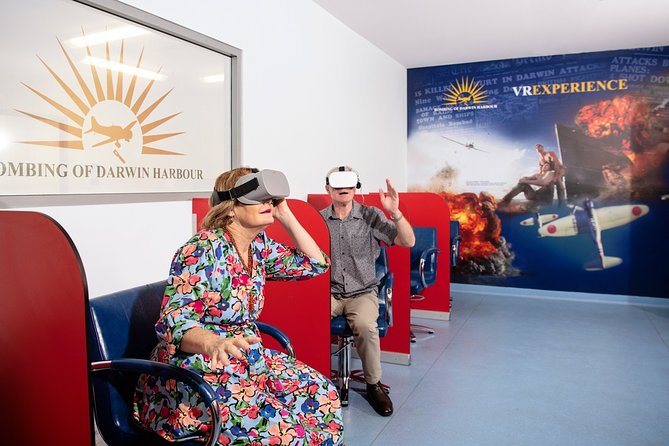
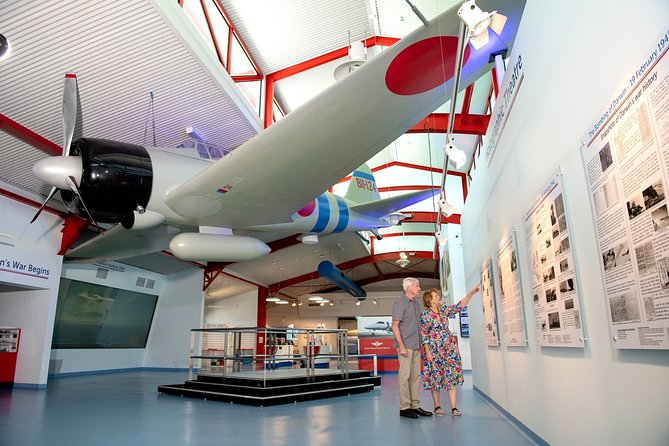
The Bombing of Darwin section uses virtual reality and film to recreate the wartime attack. The VR presentation focuses on Darwin Harbour and gives you a visual sense of the bombing rather than asking you to absorb the event only through text panels.
This is the section many people will remember most clearly. The technology places you close to the action, but the subject is treated with respect. You see the effect of the attack and gain a better sense of why the event remains such an important part of Darwin’s story.
The presentation may be intense for very young children. If you are visiting with a family, you may want to explain beforehand that this is a wartime recreation, not a light entertainment ride. Older children and teenagers may find the visual format more engaging than a traditional museum display.
The VR experience is also useful if you have visited other Defence of Darwin museums. It adds another viewpoint to the city’s wartime story and works well as part of a broader day of military and local history sites.
There are also films and displays connected with the attack. They give the VR sequence more context, helping you understand the people involved and the impact on Darwin rather than treating the bombing as a dramatic scene alone.
Why the two subjects work together
At first, the RFDS and the Bombing of Darwin may seem like unrelated topics. One concerns medical flights in remote Australia. The other concerns a wartime attack. The connection becomes clearer as you move through the building: both stories show how people respond when distance, danger, and limited resources create difficult conditions.
The RFDS section is about building a reliable service where normal access is not possible. The bombing section is about responding to a sudden emergency that placed Darwin in the middle of a global conflict.
That makes the facility a good introduction to the Northern Territory. You get a sense of the region’s isolation, its military importance, and the practical courage required to serve its communities.
I would not treat this as a replacement for every other Darwin museum. It is a focused attraction, not a large historical complex. Its value comes from presenting two clear stories with modern displays and a real aircraft, making it easy to fit into a shorter itinerary.
How long to allow and when to visit
The advertised duration is about two hours, but your actual time depends on how you use the displays. If you watch the films, take part in the VR sections, inspect the plane, and read the information panels, 90 minutes is a sensible minimum.
A quick visit could take around an hour. That may suit you if you are stopping between other activities, but you would lose some of the value if you hurry through the cinema and aircraft.
A lunchtime visit can work well. Afterward, you can stay out on the wharf for lunch, giving you a simple way to link the museum with time by the water. If you are on a cruise, check the shuttle arrangements and allow enough time for transport back to the ship.
Because the museum has entry times throughout the day, you can plan around heat and other sightseeing. The air-conditioned interior is also a useful refuge during the warmer part of the day.
Price and overall value at $21.52
At about $21.52 per person, this is reasonably priced for a two-hour indoor attraction with several different elements: a hologram cinema, VR presentations, an aircraft you can enter, films, and historical displays.
The value is strongest if you use the facility as more than a quick photo stop. The aircraft alone is interesting, but the films and technology provide the context that makes it worthwhile. You are paying for a compact museum experience that combines objects, stories, and visual presentations.
Families should find the price easier to justify because different age groups have different things to do. Children can look through the plane and try the cockpit, while adults can focus on the RFDS story and the wartime material.
The price may feel less attractive if you have only 30 minutes available or if you are not interested in aviation, emergency services, or Darwin’s wartime past. In that case, the facility works best when you already have enough time to watch the presentations.
A gift shop sits in the centre of the building. It carries RFDS and Bombing of Darwin items, along with clothing and belts from RFDS and RM Williams, plus shirts, hats, books, and other souvenirs. These purchases are separate from admission.
Accessibility and comfort inside the facility
The facility has complete disability access and seating in several areas. That makes the self-guided format helpful, since you can pause as needed rather than keeping up with a moving group.
Service animals are allowed. Most people can take part, and the indoor setting removes many of the comfort issues that can affect outdoor Darwin activities.
The VR equipment may not suit everyone, so you can decide how much of the presentation you want to use. The films and other displays still provide useful information if you prefer not to use a headset.
Audio translation is available for the hologram cinema in Japanese, German, French, and Simplified Chinese. The facility may also operate with a multilingual guide, although the core visit remains self-guided.
Who will get the most from this museum
I would recommend this experience to families, first-time Darwin visitors, cruise passengers, and anyone interested in Australian aviation or emergency medicine. It is also a good choice when you want a history attraction that does not require a full day.
You will get the most from it if you enjoy learning through film and technology rather than reading only from wall panels. The VR bombing presentation and hologram cinema give the museum a modern feel, while the aircraft provides something solid and easy to understand.
The facility also suits visitors who want a respectful introduction to the Bombing of Darwin. It does not turn the attack into a spectacle. The presentation is serious, and the technology helps you grasp the scale and impact of the event.
I would be more cautious about booking if your main interest is a long, detailed military museum or a large collection of historic aircraft. This attraction focuses on two stories, so its scope is intentionally limited.
Booking flexibility and practical planning
Confirmation is provided at the time of booking. Free cancellation is available if you cancel at least 24 hours before the scheduled start time. Cancellations made within 24 hours are not refunded, and changes inside that period are not accepted.
The activity is listed as a private tour or activity, with only your group participating, but the facility experiences themselves are self-guided. In practical terms, you should expect an introductory overview followed by independent exploration rather than a long personal guiding session.
The attraction is booked an average of 18 days ahead, so reserving in advance is sensible if you have a fixed cruise schedule or limited time in Darwin. The flexible entry times help, but popular periods can still fill.
Should you book the RFDS Tourist Facility?
You should book this if you want a well-priced, indoor Darwin attraction that combines the RFDS, the Bombing of Darwin, a real medical aircraft, and modern visual presentations. The VR and hologram sections are the main reasons to choose it over a basic display-only museum.
Allow at least 90 minutes, and closer to two hours if you want to take your time. I would pair it with lunch on the wharf or another Defence of Darwin site, especially if you are building a day around local history.
Skip it only if your schedule is too tight to do more than rush through, or if screens and historical exhibits are not your style. For most families and first-time visitors, the mix of human stories, aviation, wartime history, and practical access makes this a sound Darwin booking.
FAQ
How long does the RFDS Darwin Tourist Facility visit take?
The approximate duration is two hours. You can spend about an hour inside for a quick visit, but 90 minutes or more gives you time for the films, VR presentations, aircraft, and displays.
What are the two main stories at the facility?
The facility covers the Royal Flying Doctor Service and the World War II Bombing of Darwin. Both stories are presented through films, interactive exhibits, and technology-based experiences.
Can I go inside an RFDS aircraft?
Yes. You can climb aboard a decommissioned Pilatus PC-12 aircraft that is equipped for aero-medical use. The display explains the work of pilots, engineers, doctors, and nurses.
Is the experience guided?
The facility provides an introductory overview, then the main experiences are self-guided. You can explore at your own pace and choose how long to spend at each section.
Is the facility suitable for children?
Yes. The interactive museum is designed to interest the whole family. Children may especially enjoy the aircraft, cockpit, VR presentation, and other interactive displays, though the bombing material is serious.
Is the facility accessible?
The facility has complete disability access and seating throughout the building. Service animals are allowed, and most people can participate.
Can I cancel my booking for a refund?
Yes, if you cancel at least 24 hours before the experience start time, you can receive a full refund. Cancellations or changes made less than 24 hours before the start time are not accepted for a refund.
Just added around Darwin
- Darwin Combo: The Bombing of Darwin Experience & Darwin Harbour Cruise★ 4.5 · 123 reviews
- Tiwi Islands Cultural Experience from Darwin Including Ferry★ 4.0 · 97 reviews
- Bombing of Darwin World War II Tour with Harbour Cruise★ 4.5 · 219 reviews
- ETHICAL ADVENTURES – 1 Day premium Litchfield tour, small group★ 5.0 · 178 reviews
- Tiwi By Design Day Tour★ 4.5 · 163 reviews
- Litchfield Park & Jumping Crocodile Cruise★ 5.0 · 37 reviews
- 1-Hour Thunderball WWII Adventure Jet Skiing in Darwin★ 5.0 · 70 reviews
- Litchfield & Berry Springs VIP Adventure Day Tours (group of 11)★ 5.0 · 142 reviews
Darwin Tours, compared.
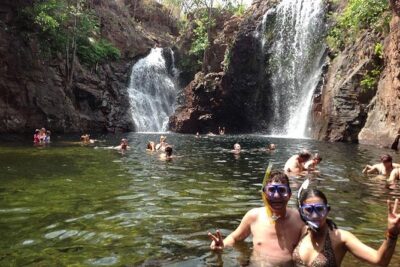
Litchfield National Park and Jumping Crocodile Cruise
Read our review →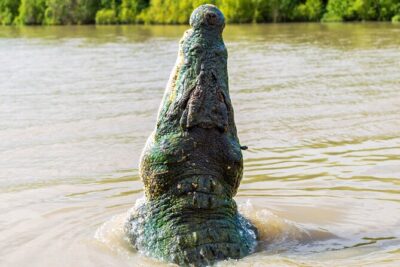
Adelaide River Cruises – Jumping Crocodile Experience
Read our review →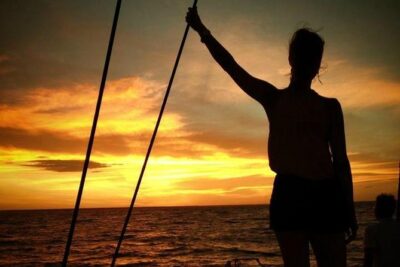
Sunset 3-Hour Cruise from Darwin with Dinner and Sparkling Wine
Read our review →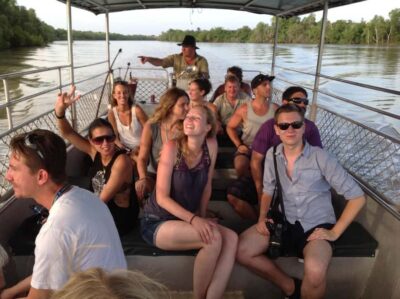
Litchfield Park Tour & Jumping Crocodile Cruise
Read our review →
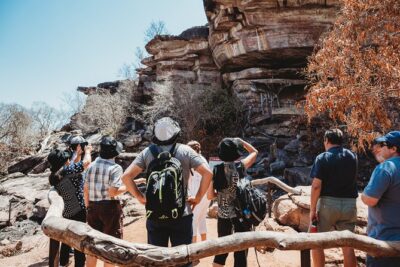
Kakadu Day Tour from Darwin with Offroad Dreaming
Read our review →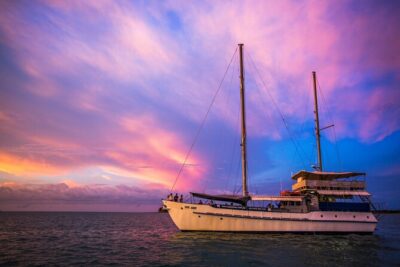
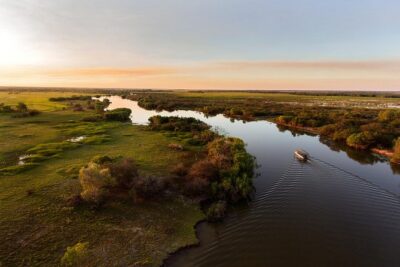
1 Day Corroboree Billabong Wetland Experience including 2.5 hour cruise + lunch
Read our review →Browse the lists this tour appears in