
Review · DARWIN TOURS
Darwin Harbour Bombing of Darwin Cruise
The most striking part of this cruise is the gap between Darwin’s calm waters today and what happened here on 19 February 1942. From a boat, you sit above the wreck sites of USS Peary and SS Neptuna while a guide explains how Japanese aircraft attacked Allied ships and caused mass destruction.
I like the clear view of Darwin from the water, and I like the commentary’s mix of hard facts, personal stories, and lighter moments. Guides including Kerry, Adrian, and Jim have been praised for making the subject easy to follow without turning it into a dry lecture. The main drawback is the short one-hour length: if you want a full museum-style treatment of the campaign, this cruise alone may feel brief.
Key points to know before you book
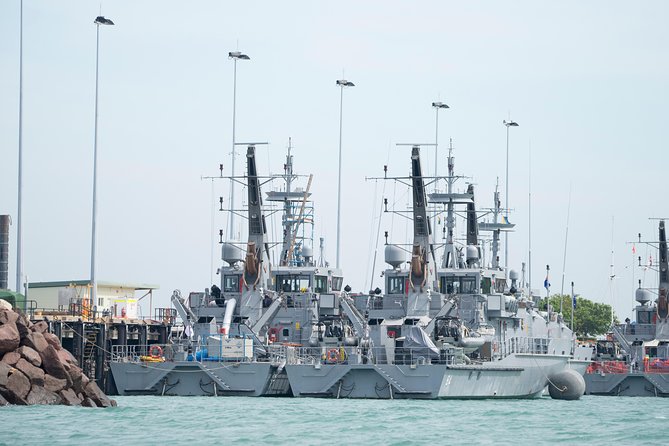
- See Darwin’s wartime story from the harbour: Cruise past bombed areas, historic wharfs, pearling luggers, naval sites, and underwater wreck locations.
- Hear live commentary throughout: The guides explain the attacks, survival stories, wartime Darwin, and the strategic setting of the harbour.
- Sit above two important wreck sites: The cruise passes over the underwater remains of USS Peary and SS Neptuna.
- Expect a small boat experience: The maximum group size is 22 people, with a shaded, open-sided design.
- Allow about one hour: The tour is focused and easy to fit into a day of sightseeing, but it does not cover every aspect of Darwin’s wartime story.
- Pay about $46.62 per person: The value rests mainly in the guide’s storytelling, the harbour views, and the chance to connect visible places with a major event in Australian history.
Why Darwin Harbour tells a different World War II story
Many people know about World War II battles in Europe and the Pacific, yet know little about the attacks on Australian soil. This cruise tackles that gap directly.
On 19 February 1942, Japanese planes attacked Allied ships in Darwin Harbour. The raids brought destruction to the port and changed life in Darwin. The cruise helps you understand the event as something that happened in a real working harbour, not as a distant date in a textbook.
That setting matters. You are not simply looking at a display case or reading a plaque. You are moving across the water where ships were struck, where wartime installations operated, and where the harbour became a target. The modern view can feel peaceful, which makes the wartime account all the more sobering.
The commentary also places the attacks within the larger fear of the time. Darwin faced the possibility of further enemy action and even concern about a land invasion. You get a stronger sense of how exposed northern Australia was and why the harbour mattered so much.
A few more Darwin half-days to weigh up
- Litchfield National Park and Jumping Crocodile Cruise
★ 5.0 · 2,119 reviews - Adelaide River Cruises – Jumping Crocodile Experience
★ 5.0 · 997 reviews - Sunset 3-Hour Cruise from Darwin with Dinner and Sparkling Wine
★ 5.0 · 980 reviews
What happens during the one-hour cruise
The experience begins with Sea Darwin, the local operator, and continues as a one-hour Bombing of Darwin cruise. Admission to the cruise is included in the booking, and a local guide provides live commentary from the boat.
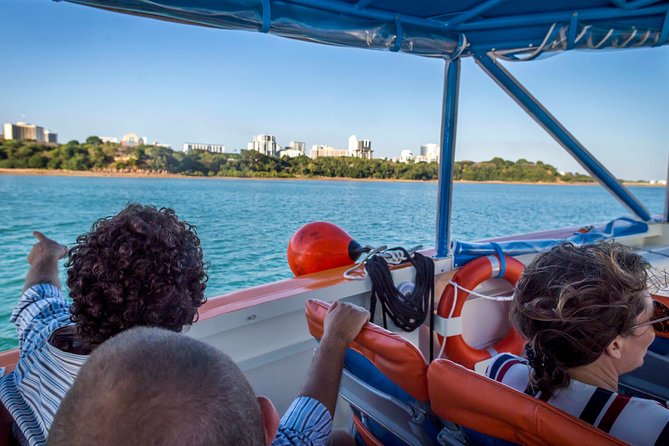
The vessel is shaded and open-sided. That design gives you some protection from the sun while keeping the harbour in view. It also allows a breeze across the boat, something that becomes especially useful on a hot Darwin day. The open sides mean this is not an enclosed, air-conditioned sightseeing cabin, so dress for the weather and expect outdoor conditions.
The route takes you around key maritime parts of Darwin Harbour. You pass historical wharfs, pearling luggers, Darwin’s naval base, and other harbour locations tied to the city’s working and military past. The guide points out where the raids affected Darwin and explains the remains that can still be understood from the water.
The boat also pauses or cruises over the wreck sites of USS Peary and SS Neptuna. You should not expect to see a clearly visible shipwreck beneath the surface. The value is in knowing what lies below and hearing how those vessels fit into the story of the attack.
Because the cruise lasts only about an hour, the pacing is brisk. You get a focused account rather than a long historical course. I see that as an advantage if you want a strong introduction before visiting other Darwin attractions, but it can feel limited if World War II is your main reason for coming to the city.
USS Peary and SS Neptuna beneath the boat
The wreck sites are the cruise’s strongest physical connection to the past. USS Peary and SS Neptuna are not just names in the commentary. Their remains are beneath the harbour, at the places where the attack left a lasting mark.
The boat gives you the unusual experience of sitting above those sites while the guide tells the story. That combination of location and explanation helps the subject feel immediate. You are looking across the same harbour while learning about ships that were caught in the raids.
It is important to set your expectations correctly. The supplied details do not promise underwater viewing, diving, or a glass-bottom boat. This is a surface cruise with historical interpretation. The wrecks are meaningful because of where they are and what they represent, not because you are guaranteed a close visual look at the hulls.
For many people, that is enough. The guide supplies the missing picture through clear narration, and the harbour itself becomes part of the exhibit.
The guides make or break this experience
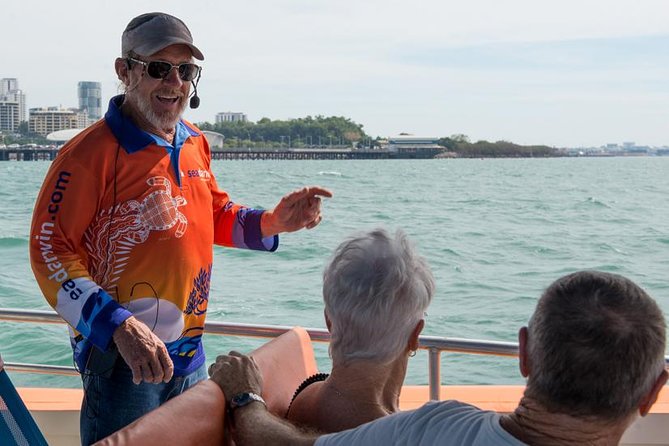
This cruise depends heavily on the person holding the microphone. The boat ride and views are pleasant, but the commentary carries most of the historical value.
Kerry has been singled out for thoughtful and engaging explanations of that fateful day. Adrian’s delivery has been described as genuine rather than a rehearsed spiel. Jim has been praised for his passion and ability to make the subject illuminating. You may not have a choice of guide, but these names give you a sense of the style the operator aims for.
The best part of the commentary is its balance. The guides explain the attacks and their human cost, yet they do not present every moment in a grim, heavy manner. Some accounts include humour and small touches such as an Anzac biscuit, which can make a serious subject easier to absorb without making light of the tragedy.
I also like that the commentary appears to reach people with little prior background. You do not need to arrive with a detailed knowledge of military history. The story is explained in plain terms, with attention to the people affected and the places around you.
A small caution: because the guide is central to the experience, the quality can vary with the individual on the day. The overall feedback is very strong, with a 4.8 rating from 83 reviews and 94 percent recommending the experience, but the occasional visitor has felt the cruise itself was less memorable than the commentary. That is a fair point. If storytelling is not your thing, the one-hour boat ride may not feel like strong value on its own.
Same base, a completely different day out:
- From Darwin: Litchfield Park Tour & Jumping Crocodile Cruise
★ 4.9 · 829 reviews - Charles Darwin Dinner Cruise
★ 4.5 · 820 reviews - Kakadu Day Tour from Darwin with Offroad Dreaming
★ 5.0 · 776 reviews - Cape Adieu Darwin Sunset Dinner Cruise
★ 5.0 · 750 reviews
Darwin’s harbour views add more than scenery
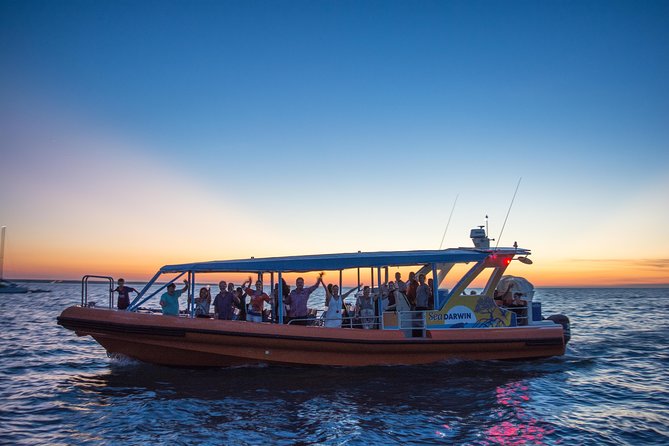
This is not a night harbour cruise or a simple sightseeing loop. You see Darwin Harbour in daylight, with the chance to understand its working waterfront and military role.
From the boat, you pass wharfs and pearling luggers, along with naval locations and other maritime sites. These details show that the harbour has more than one identity. It is a place of natural beauty, a working port, a naval setting, and a historic target.
The water-level viewpoint also gives you a different angle on Darwin. Instead of seeing the harbour as a backdrop from shore, you get a broad view across it. The open-sided boat makes it easy to look out and follow the guide’s references to locations around the water.
Several parts of the experience work together here:
- The breeze makes a hot day more comfortable.
- The daylight helps you see the harbour’s shape and working areas.
- The guide connects present-day sights with the 1942 attacks.
- The quiet setting creates room to think about the scale of the destruction.
I would not book this as a pure scenic cruise. The views are a useful part of the outing, but the purpose is the wartime story. If you want both history and a pleasant hour on the water, the combination works well.
How much value do you get for $46.62?
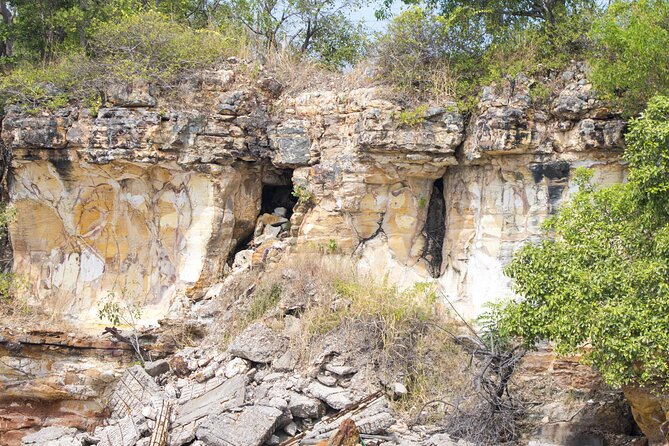
At about $46.62 per person, this is not the cheapest way to spend an hour in Darwin. The price makes more sense if you place a high value on live interpretation and want to see the bombing sites from the harbour itself.
You are paying for the cruise, a local guide, and live onboard commentary. There is no hotel pickup or drop-off, so you need to make your own way to the departure point. The location is near public transportation, which keeps the logistics fairly simple, but the tour is not a door-to-door excursion.
The small maximum group of 22 is another point in its favour. A compact group should make it easier to hear the guide and follow the route than on a large sightseeing vessel. Still, the boat is open-sided and shaded rather than a luxury craft, so do not judge the price by comfort alone.
I think the cruise offers fair value for:
- Anyone with a real interest in World War II.
- Visitors who want context before or after seeing other Darwin history sites.
- Families introducing older children or teenagers to Australia’s wartime story.
- People who enjoy guided storytelling more than self-guided displays.
- Repeat visitors looking for a fresh way to see Darwin Harbour.
It may feel less worthwhile if you are seeking a longer cruise, extensive facilities, or a large number of physical attractions. One person’s assessment was that the commentary was the best part but the overall experience did not feel memorable enough for the cost. That criticism is useful. Book this for the history and setting, not for a packed schedule of activities.
Who should take the cruise?
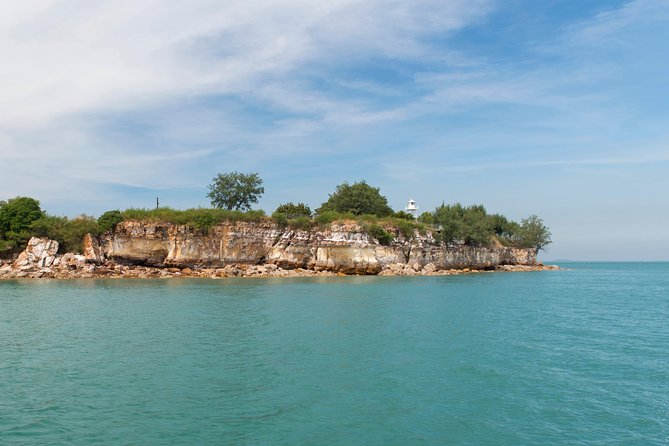
This is a good fit for first-time visitors who want to understand Darwin beyond its tropical climate and waterfront restaurants. The tour gives you a foundation for the city’s wartime past in a compact format.
It also suits Australian visitors who were taught much more about the war in Europe than the conflict close to home. The cruise can correct that imbalance quickly. The account of the bombing often comes as a surprise because the scale of the event is not always well known.
Families can also make good use of it. Children must be accompanied by an adult, and the one-hour duration is manageable. The material concerns bombing, destruction, and loss, so parents should decide if the subject is suitable for their children. The guide’s lighter delivery may help younger listeners stay focused, but this is still a serious history experience.
International visitors should find the cruise useful because it explains Darwin’s place in the war without assuming a detailed background. You get both the local setting and the wider threat facing Australia.
Most people can participate, and the operator limits the group to 22. The provided information does not give detailed accessibility specifications, so if you have particular mobility or boarding needs, confirm those details before booking.
Practical tips for a better hour on the water
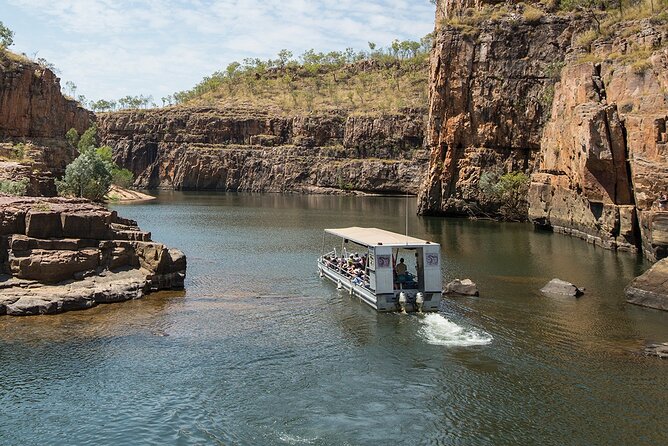
Choose clothing suited to warm outdoor conditions. The boat is shaded, but it is open-sided, and the weather still matters. The breeze can be refreshing, though you should not treat the shade as full protection from the sun.
Keep your attention on the commentary. The boat ride is pleasant, but the strongest details are spoken rather than displayed. If you become distracted by the views, you may miss the explanation of how the sites fit together.
If you have time, pair the cruise with another Darwin history attraction. One visitor found a virtual reality bombing experience and the Flying Doctor museum worthwhile additions. Those options are not included in this cruise, but they may help you build a fuller day around the subject.
You can also plan a meal or coffee near the harbour before or after the cruise. The experience is short enough to fit between other plans, and the waterfront setting makes an easy place to pause and reflect.
The mobile ticket is practical for a day of sightseeing. Confirmation is provided at booking. Since the experience requires good weather and a minimum number of participants, keep an eye on any updates and avoid building an unchangeable schedule around it.
Free cancellation is available up to 24 hours before the start time for a full refund. Cancellations or changes made less than 24 hours ahead are not accepted for a refund. If poor weather or insufficient bookings cause the operator to cancel, you are offered another date or experience, or a full refund.
Is the Bombing of Darwin Cruise worth booking?
I would book it if you want a compact, thoughtful introduction to Darwin’s World War II story. The strongest reasons are the wreck sites of USS Peary and SS Neptuna, the daylight harbour views, and the quality of the live commentary delivered by guides such as Kerry, Adrian, or Jim.
I would skip it if you want a long cruise with many onboard facilities or if you are only looking for scenery. At $46.62 for about an hour, the value depends on your interest in history and your willingness to listen closely.
For most visitors, especially those who know little about the attacks on Darwin, this is a worthwhile addition to a city visit. It gives the harbour a human story, and it does so without taking up half your day.
FAQ
How long is the Bombing of Darwin Cruise?
The cruise lasts approximately one hour.
Where does the cruise take place?
The experience operates from Sea Darwin in Darwin, Australia, and cruises Darwin Harbour.
What historical sites can I see from the boat?
The cruise passes World War II bombing sites, historical wharfs, pearling luggers, Darwin’s naval base, wartime installations, and the wreck sites of USS Peary and SS Neptuna.
Is live commentary included?
Yes. The cruise includes live onboard commentary from a local guide.
Is hotel pickup and drop-off included?
No. Hotel pickup and drop-off are not included.
How many people can join the tour?
The experience has a maximum group size of 22 travelers.
Is the boat covered?
The boat is shaded and open-sided. This provides shade while keeping the sides open to the harbour and breeze.
Can children join the cruise?
Yes, but children must be accompanied by an adult.
What happens if the cruise is canceled because of bad weather?
You will be offered a different date or experience, or a full refund.
Just added around Darwin
- Darwin Combo: The Bombing of Darwin Experience & Darwin Harbour Cruise★ 4.5 · 123 reviews
- Tiwi Islands Cultural Experience from Darwin Including Ferry★ 4.0 · 97 reviews
- Bombing of Darwin World War II Tour with Harbour Cruise★ 4.5 · 219 reviews
- ETHICAL ADVENTURES – 1 Day premium Litchfield tour, small group★ 5.0 · 178 reviews
- Tiwi By Design Day Tour★ 4.5 · 163 reviews
- 1-Hour Thunderball WWII Adventure Jet Skiing in Darwin★ 5.0 · 70 reviews
- Litchfield Park & Jumping Crocodile Cruise★ 5.0 · 37 reviews
- Royal Flying Doctor Service Tourist Facility: Two Iconic Territory Stories★ 5.0 · 256 reviews
Darwin Tours, compared.
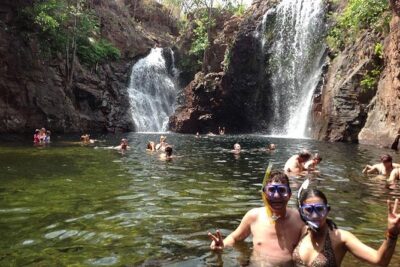
Litchfield National Park and Jumping Crocodile Cruise
Read our review →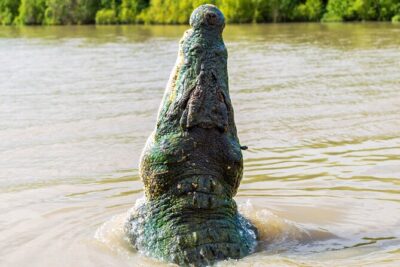
Adelaide River Cruises – Jumping Crocodile Experience
Read our review →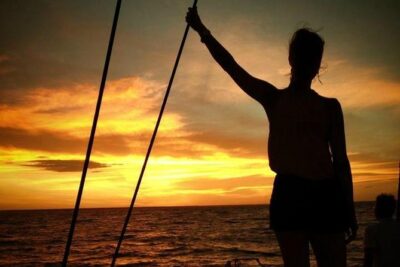
Sunset 3-Hour Cruise from Darwin with Dinner and Sparkling Wine
Read our review →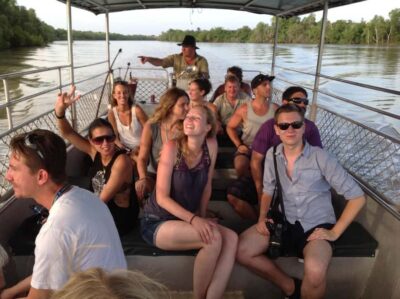
Litchfield Park Tour & Jumping Crocodile Cruise
Read our review →

Kakadu Day Tour from Darwin with Offroad Dreaming
Read our review →
1 Day Corroboree Billabong Wetland Experience including 2.5 hour cruise + lunch
Read our review →Browse the lists this tour appears in