
Review · ADELAIDE TOURS
Ultimate Adelaide Walking Tour
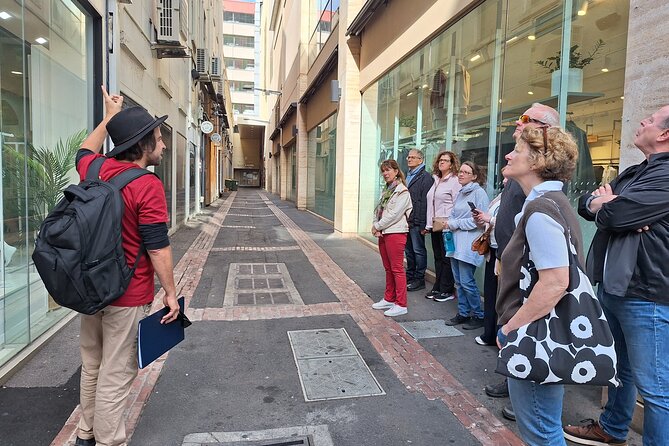
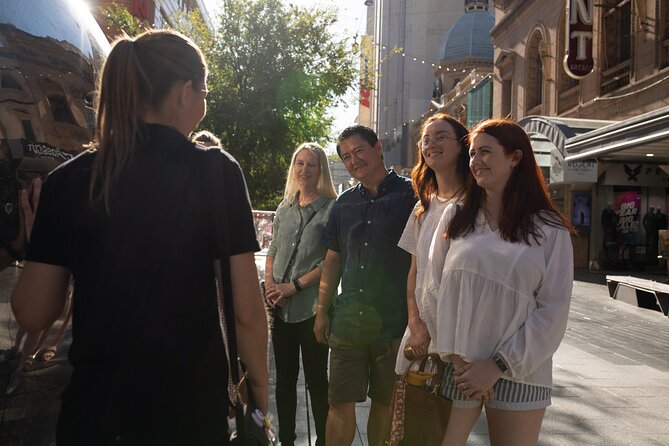
Adelaide’s best stories are not all on the main sightseeing list. This tour links grand civic buildings with arcades, local characters, social reform, indigenous culture, inventions, odd Australian foods, and a riverside snack break. You come away knowing not just what you are looking at, but why the city developed as it did.
I like the small group of no more than 12, which gives Dax or Graeme room to answer questions and adjust the pace. I also like the local flavor: South Australian coffee, biscuits, and fruchocs make the break more memorable than a standard walk-and-talk tour.
The main thing to consider is the amount of walking. The route covers about 3 kilometers over two to three hours, with regular stops, so you need comfortable shoes. The Central Market finish is most useful from Tuesday through Saturday, when the market is open.
Key points before you book
- A strong first-day orientation: You cover central Adelaide’s main sights and get ideas for places to revisit later.
- Local guides with personality: Dax and Graeme bring history, architecture, food, odd inventions, and personal enthusiasm into the walk.
- Small-group format: The maximum of 12 people makes it easier to hear the guide and ask questions.
- More than the usual highlights: Adelaide Arcade, social reform, women’s rights, indigenous collections, and local inventions add depth.
- A South Australian tasting stop: You receive a local snack and drink during a break beside the River Torrens.
- A useful lunch finish: The route ends near Adelaide Central Market and a nearby pub or bar.
Why this is a smart introduction to Adelaide

I would book this tour near the start of an Adelaide stay. It gives you a mental map of the city center, points out buildings you might otherwise walk past, and supplies practical suggestions for food and sightseeing.
The route also gives Adelaide a clear personality. You hear about its role in social reform and women’s rights, its indigenous collections, its unusual inventions, and its fondness for foods such as the pie floater and fruchocs. That mix is more useful than a string of dates and building names.
The guides are a major part of the experience. Dax is repeatedly described as warm, entertaining, and deeply familiar with Adelaide. Graeme is also praised for his breadth of information and for shaping the walk around the group. Both appear to bring a genuine affection for the city, rather than simply reciting prepared facts.
The walk is designed for most people with a basic level of fitness. The pace is generally comfortable, but this is still an active morning or afternoon. There are regular pauses, and one reviewer noted that the route can include a free tram ride to reduce the walking distance. Still, wear shoes made for pavement, not just for photographs.
More walking tours in Adelaide:
- Cultural Caper Adelaide Walking Tour
★ 5.0 · 122 reviews - Welcome to Adelaide Walking Tour
★ 5.0 · 119 reviews - Adelaide: City Walking Tour with Guide
★ 4.8 · 83 reviews
Victoria Square sets the city’s story
The tour begins at Victoria Square, also known by its Kaurna name, Tarntanyangga. This is a useful place to start because the square connects Adelaide’s colonial planning, South Australian history, and indigenous identity.
You get an opening explanation of how Adelaide and South Australia developed. The stop itself is short, around five minutes, but it gives the rest of the walk a frame. Rather than treating the city as a collection of attractive buildings, the guide begins with the forces that shaped it.
This is also a good moment to ask questions. If you are curious about place names, the city grid, or later stops on the route, raise those topics early. The guides are known for making the walk interactive.
Beehive Corner and Rundle Mall reveal Adelaide’s public face
At the Beehive Corner Building, the focus shifts from broad history to the people who helped shape modern Adelaide. You hear about figures including Constantine Polites and Don Dunstan, whose stories give a human face to the city’s political and social changes.
The stop lasts only about five minutes, but the subject matter is larger than the clock suggests. This is one of the points where the guide connects architecture and public life. You are not simply looking at an old corner building. You are hearing how people, business, and politics affected the city around it.
From there, the group strolls along Rundle Mall for roughly ten minutes. The guide points out buildings, public art, and details that are easy to miss when you are focused on shopping. This section is especially useful if you plan to return to the mall on your own.
Rundle Mall is also a good example of the tour’s balance. You see an obvious central attraction, but the commentary encourages you to look beyond the obvious. Expect a busy city-center setting here, with some pauses for explanation rather than a long uninterrupted walk.
Adelaide Arcade adds architecture and a ghost story
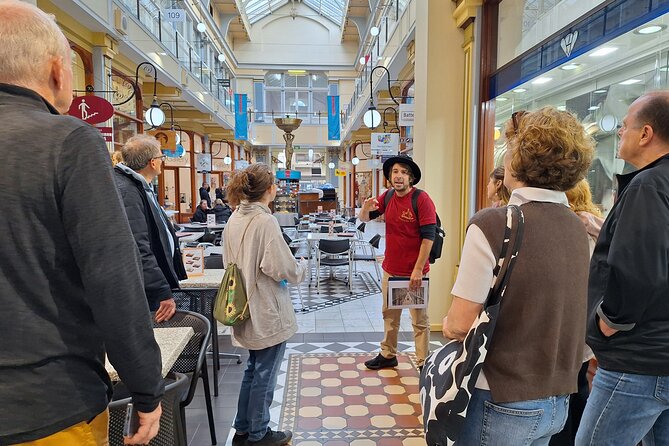
Adelaide Arcade is one of the more enjoyable stops because it changes the mood. The guide discusses the arcade’s design, architectural details, and shops, then adds stories about its resident ghosts.
The ghost material gives the stop some humor, while the architectural focus keeps it from becoming a simple novelty visit. Look up as you walk. Arcades often reward attention to ceilings, entrances, decorative details, and the way older buildings were designed around shopping and movement.
This is one of the less obvious places you might not properly notice without a guide. It also provides a break from Adelaide’s wide streets and formal squares. The stop takes around ten minutes.
A few more Adelaide half-days to weigh up
- Barossa Premium Wine Tasting Tour & lunch Departs 7 days a week
★ 5.0 · 1,475 reviews - Adelaide: Barossa Premium Wine Tasting tour & Winery Lunch
★ 4.8 · 1,452 reviews - Discover Barossa: 4 Wine Tastings, Gourmet Lunch, and Hidden Gems
★ 5.0 · 1,027 reviews - Adelaide: River Torrens Popeye Sightseeing Cruise
★ 4.6 · 949 reviews
The cultural zone links art, reform, and indigenous heritage
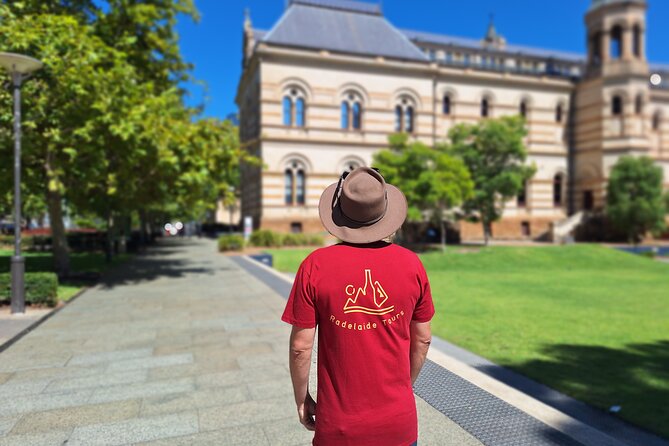
Near the Art Gallery of South Australia, the guide explains how a wealthy South Australian businessman helped fund this and other major city buildings. That detail gives you a better sense of how Adelaide’s civic center was financed and why several important institutions sit close together.
The tour then moves through Adelaide’s cultural zone. The supplied route notes Adelaide’s role in social reform and women’s rights, as well as the museum’s very large collection of Australian indigenous artifacts.
This part is valuable because it broadens the usual city tour. Adelaide is presented not only through government buildings and monuments, but also through cultural institutions and social change. The commentary may leave you with several places to revisit, especially if you have time for museums and galleries after the walk.
Do not expect a full gallery or museum visit as part of the tour. The emphasis is on context and orientation. Admission is not listed as an added cost at any of the stops, but the walk itself does not provide time for a detailed museum tour.
Adelaide University brings out the city’s quirky side
At the University of Adelaide, the tour turns toward inventions and local claims to fame. You hear how Adelaide and its university have been linked to WiFi, sunscreen, Cask Wien, also known as goon, Stobie poles, and the pie floater.
This is a particularly good section for anyone who prefers memorable facts to a long lecture. The subjects jump from technology to drinking culture, construction, and food. That variety helps explain why the city feels distinct from other Australian capitals.
The pie floater and goon references are also a reminder that local culture is not limited to polished civic buildings. Adelaide’s identity includes practical inventions, everyday foods, and habits that may seem strange until someone explains them.
The stop lasts around ten minutes. It is a good place to ask the guide for recommendations if you want to try more South Australian food later. The tour includes a tasting break, but it is not a full food tour.
The River Torrens supplies the tour’s breathing space
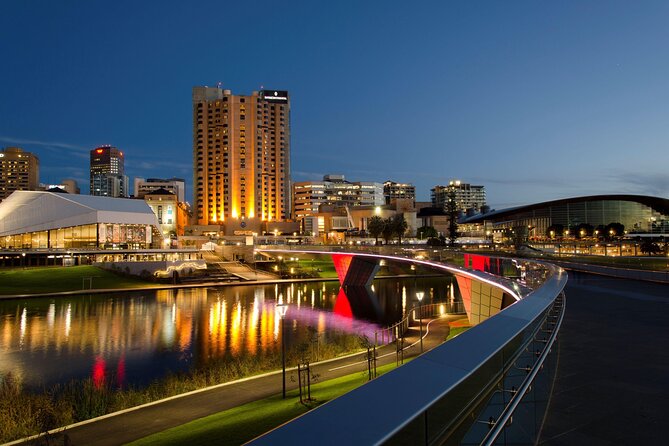
The walk continues to the Karrawirra Parri, or River Torrens. This is the longest scheduled stop, at about 20 minutes, and it gives your feet a rest while adding a different view of the city.
Here you receive a small picnic of local Adelaide food and drink specialties. Past tastings have included South Australian coffee, biscuits, and fruchocs. Fruchocs, dried fruit covered in chocolate, are a distinctly local treat and an easy souvenir idea if you enjoy them.
The pause matters for two reasons. First, it breaks up the city walking with a quieter riverside setting. Second, it turns the tour’s local-history theme into something you can taste. You are not just told that South Australia has its own food culture, you get a small sample of it.
The route also takes in a well-known sporting ground described as one of the country’s most beautiful. The exact time spent there is not separately listed, so think of it as part of the broader river and cultural precinct rather than a formal stadium visit.
Elder Park brings together skyline and performance
At Elder Park, you pause for around ten minutes to see the bandstand and Adelaide’s skyline. The stop adds a pleasant visual contrast after the tighter streets, malls, and arcades earlier in the walk.
The surrounding area also connects to Adelaide’s performing arts identity. The tour points out Australia’s first multipurpose art center, giving you another reason to return if you plan to see a performance or explore the cultural precinct in more detail.
This section works best as a scenic pause rather than a major historical lecture. Bring your camera, but keep listening. The guide uses the skyline and park to explain how Adelaide’s civic, cultural, and riverfront areas fit together.
Parliament House explains a long building saga
Parliament House of South Australia is one of the tour’s more substantial history stops. The guide explains the difficult story behind the newer parliament building and why the older parliament still stands next door and remains in use.
That detail is more interesting than a basic date on a plaque. It shows how government buildings evolve, how projects can face setbacks, and why old and new structures sometimes continue side by side.
The stop lasts around ten minutes. You will mainly hear the story from outside rather than take part in a formal parliamentary tour. Even so, the pairing of the two buildings gives you something concrete to look at while the guide explains the political and construction history.
The Central Market finish is practical, with one timing catch
The tour finishes close to Adelaide Central Market, at 44/60 Gouger Street, and may end at a pub or bar nearby. This is a useful location because you can continue straight into lunch, browse the market, or use the area as a base for more city exploring.
The timing matters. The market is open Tuesday through Saturday, so book one of those days if you want the best chance to continue directly into the market experience. On other days, the walking tour still covers the surrounding city, but the finish will not have the same food-market payoff.
The final location also makes the tour easy to combine with other plans. You can stop for lunch, explore Gouger Street, or head elsewhere by public transport. The activity is close to public transportation, and the meeting point is at 25 Pirie Street.
How much value do you get for €43.92?
At €43.92 per person, this is not the cheapest way to walk around Adelaide, but it offers more than a basic orientation stroll. You are paying for two to three hours of guiding, a small group capped at 12, local tastings, historical interpretation, and advice for the rest of your stay.
The value is strongest if you are new to Adelaide and want to use your time well. A good guide can point out the arcade, cultural institutions, public art, older and newer parliament buildings, and local food ideas in one route. You can then return to the places that interest you most.
It is less useful if you already know central Adelaide well or prefer to explore entirely on your own. The tour does not include major attraction admissions or a full meal, so budget separately for museums, galleries, lunch, and any drinks after the walk.
Five percent of each tour fee is donated to local and indigenous charities. That does not change the price calculation, but it adds a worthwhile purpose to the booking.
Group size, timing, and practical comfort
You can choose a morning or afternoon departure. I would choose the morning if you want to use the tour as your first orientation and still have the afternoon for the Central Market, museums, or other sights. An afternoon departure may suit you better if you arrive late or prefer a slower start.
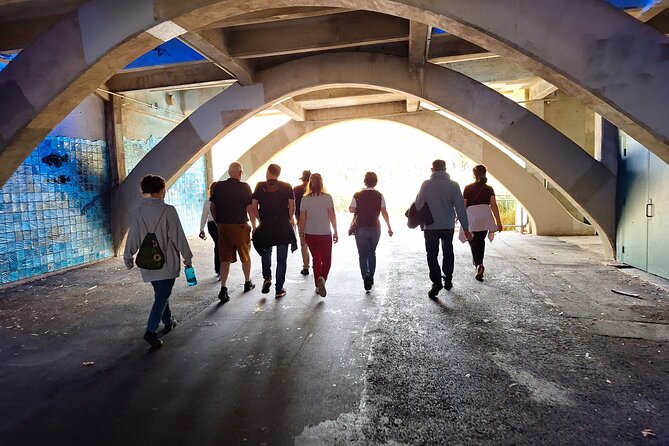
The walking time is included in the stated two to three hours. The route is about 3 kilometers, with frequent stops and a rest break, but you should still expect steady movement through central streets.
Service animals are allowed, and most people can take part. The experience requires good weather, and it may be canceled if poor conditions make the walk unsuitable. You receive a full refund or an alternative date if that happens. You can also cancel for a full refund up to 24 hours before the start time.
The minimum drinking age is 18. That matters because the local tasting includes a drink, though the exact alcoholic or nonalcoholic content is not specified. If this is important to you, ask the operator before booking.
Who will get the most from this walk?
I would recommend it to first-time visitors, solo visitors who like meeting a small group, couples, and anyone who wants history delivered with humor and local detail. It is also a good fit if you like to learn a city through food, architecture, public spaces, and unusual facts rather than through a formal museum lecture.
Families and older walkers may also find the pace manageable, provided everyone is comfortable walking for several hours. The regular stops help, and the guides have adjusted the pace for different abilities.
You may want something else if you are seeking an intensive food tour, interior visits to every major building, or a full-day sightseeing program. This is a city introduction with tastings, not a substitute for exploring Adelaide’s galleries, museums, markets, or sporting venues at length.
Should you book the Ultimate Adelaide Walking Tour?
Book it if you want a friendly, well-paced introduction that combines Adelaide’s major sights with stories about social change, indigenous culture, local inventions, architecture, and food. Dax and Graeme add the personal touch that makes the route feel more like a conversation than a list of facts.
Choose a Tuesday through Saturday morning if you want the clearest practical payoff: you can finish near the Central Market and go straight to lunch. Bring comfortable shoes, allow for two and a half hours, and keep some time afterward to revisit the places that catch your interest.
At €43.92, it is good value for a first look at Adelaide, especially with the small group, local snack break, and charity contribution. It is an easy booking to justify early in your stay, when a useful city map and a few personal recommendations can save you time later.
FAQ
How long does the Ultimate Adelaide Walking Tour last?
The tour lasts approximately two to three hours, including walking time and stops.
Where does the tour begin?
The meeting point is 25 Pirie Street, Adelaide SA 5000, Australia.
Where does the tour end?
The tour ends near Adelaide Central Market at 44/60 Gouger Street. It may finish at a nearby pub or bar.
How many people can join the tour?
The maximum group size is 12 people.
Is the Adelaide Central Market open every day?
The market is open Tuesday through Saturday. Booking on one of those days is recommended if you want to continue into the market after the tour.
Can I cancel the tour for a refund?
You can cancel up to 24 hours before the start time for a full refund. Cancellations or changes made less than 24 hours before the tour are not refunded or accepted.
Just added around Adelaide
- d’Arenberg Cube / McLaren Vale Regional Tour★ 4.5 · 26 reviews
- Ultimate Adelaide City and Hahndorf Tour★ 4.5 · 45 reviews
- Welcome to Adelaide Walking Tour★ 5.0 · 119 reviews
- Victor Harbor and Southern Highlights from Adelaide★ 4.0 · 47 reviews
- Victor Harbor and Fleurieu Peninsula Tour★ 4.5 · 145 reviews
- Adelaide Twilight Cruise from Glenelg★ 4.5 · 94 reviews
- Wild Dolphin Swim Cruise★ 5.0 · 55 reviews
- Western Ridge & Valley Floor: 20-Minute Helicopter Flight★ 5.0 · 24 reviews
Adelaide Tours, compared.
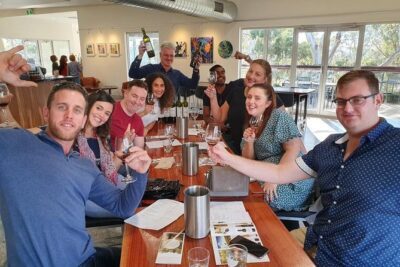
Barossa Premium Wine Tasting Tour & lunch Departs 7 days a week
Read our review →
Barossa Premium Wine Tasting tour & Winery Lunch
Read our review →
Discover Barossa: 4 Wine Tastings, Gourmet Lunch, and Hidden Gems
Read our review →



Browse the lists this tour appears in