
Review · ADELAIDE TOURS
Jurlique Farm Tour
The most interesting part of the Jurlique Farm Tour is seeing skincare begin as a living plant, not a bottle on a shop shelf. In the Adelaide Hills, you follow the path from seedlings and soil to harvest and finished products, while a Jurlique Ambassador explains how the farm works.
I like the clear link between biodynamic farming and skincare, and I like that the tour is hands-on rather than a simple walk past display beds. You may handle botanicals and try some products in the garden. The main drawback is that you must arrange your own transport to the farm, and the 90-minute visit may feel brief if you want a full farm day.
Key points to know before booking
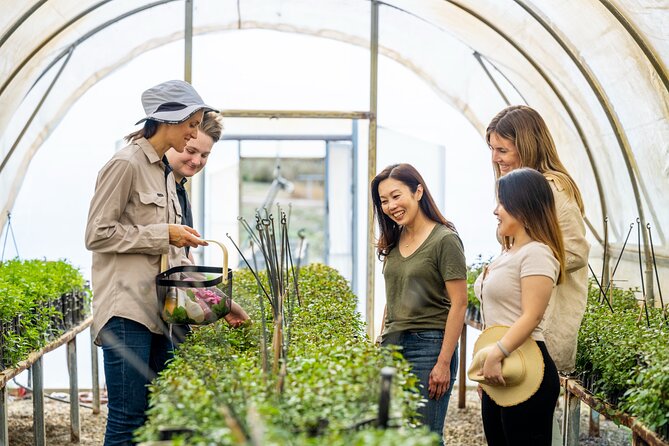
- A 90-minute behind-the-scenes visit: The tour covers Jurlique’s history, plant propagation, farming methods, compost, and harvesting in one focused visit.
- Biodynamic farming takes center stage: You learn how soil fertility and compost support the plants used in natural skincare.
- The plants have practical uses: The guide connects plant varieties with the ways they are used in Jurlique products.
- The experience is hands-on: You can interact with botanicals and try selected products in the garden.
- Lexi has led a particularly engaging tour: Her friendly, clear approach helped make the visit accessible to a mixed group.
- You need your own way there: The meeting point is Jurlique Farm at 31 Liebelt Road, Biggs Flat, in South Australia.
Why Jurlique Farm is more than a product showroom
Jurlique’s appeal begins with the farm itself. For more than 35 years, the company has grown the ingredients used in its international skincare products on this South Australian farm. That gives the tour a useful focus: you are not simply hearing broad claims about natural ingredients, you are looking at the place where many of those ideas begin.
I appreciate the direct connection between the garden and the products. The tour explains how plants are propagated, cared for, harvested, and used. If you are curious about botanical skincare, this is more satisfying than a standard brand presentation because the soil and growing process are part of the story.
The setting in the Adelaide Hills adds to the experience. The farm is at Biggs Flat, outside central Adelaide, so the visit has a rural feel rather than an urban retail atmosphere. You should allow time for the drive and check your route carefully, since transfers are not included.
The tour is also a good fit if you enjoy learning how a business works behind the scenes. You are shown practical steps rather than being asked to accept a finished marketing message. At the same time, keep your expectations sensible. This is a guided farm visit lasting about an hour and a half, not a full agricultural course or a long day in the hills.
More farm visits around Adelaide:
- Barossa & Maggie Beers Farm (4 wine Tastings & Lunch included)
★ 4.5 · 45 reviews - Amazing Yarra Valley Wine Tour + Chocolate, Farm Fresh, Gin
★ 5.0 · 1,566 reviews - Hidden Gems: Boutique Full-Day Wine, Farm & Lunch Tour
★ 5.0 · 881 reviews
Starting at the farm in Biggs Flat
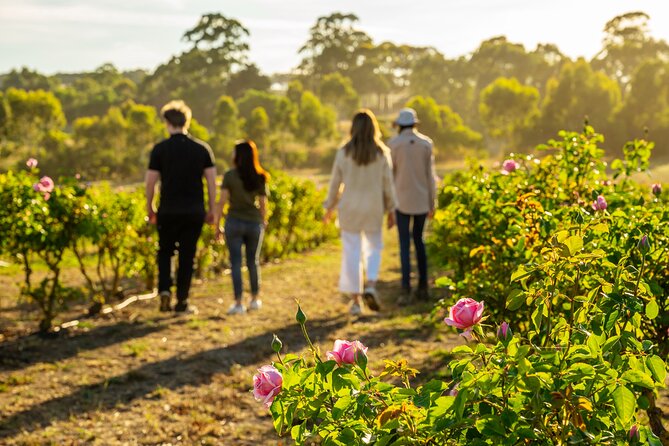
The tour begins and ends at Jurlique Farm, 31 Liebelt Road, Biggs Flat, South Australia 5153. Since transport is not provided, getting to the meeting point is your responsibility. That is the main planning issue, but it also means you can build the visit around your own Adelaide Hills schedule if you already have a car or another way to reach the farm.
A mobile ticket keeps the entry process simple. Confirmation is sent when you book, so keep the booking information available on your phone. The group can include up to 50 people, which is a reasonable size for a guided presentation but large enough that the feel may change from one departure to another.
The tour ends back at the same meeting point. That matters if you are fitting the farm into a wider day of sightseeing. You do not need to arrange a separate pickup at the end, but you should not expect a drop-off in Adelaide.
Learning Jurlique’s story through plants
The first part of the visit introduces Jurlique and the farm’s role in the company. The history is not treated as a detached brand timeline. Instead, it helps explain why the farm matters to the products you may already know.
I find this approach useful because it gives the rest of the tour a clear frame. Once you understand that the company has grown its own ingredients in the Adelaide Hills for more than 35 years, the later discussions about propagation, soil, and harvesting make more sense.
The guide acts as a Jurlique Ambassador, so you can expect the presentation to connect farming with the brand’s skincare work. Lexi is one guide specifically praised for being friendly and clear, and for helping a solo participant feel included in a larger group. If Lexi is leading your visit, you can expect an approachable style, though guide assignments may vary.
This section should suit you if you like context before detail. It is less useful if you want only product testing, since the visit is built around the farm and the processes behind the products.
Seeing how seedlings become useful plants
Propagation is one of the more practical parts of the tour. You learn how seedlings and plants are developed, rather than seeing only mature specimens in a display garden.
That distinction is important. A finished garden can look effortless, but growing plants for consistent use in skincare requires planning and care from the earliest stage. The tour gives you a chance to see that process as part of the wider farm system.
You also learn about different plant varieties and their uses. This is where the visit becomes more than a general lesson in gardening. The guide explains the relationship between particular botanicals and the products they help create, giving you a clearer idea of why one plant matters and another does not.
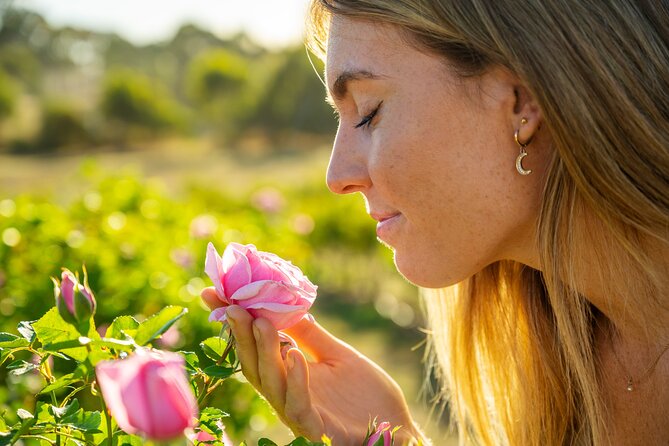
The hands-on element helps. You may interact with the botanicals in the garden and try some of the products there. That connection between touch, scent, plant, and finished skincare makes the information easier to remember than a talk built only around labels and packaging.
Still, the available details do not promise a full catalogue of every plant grown on the property. If you are looking for technical names, cultivation data, or a research-level botany lesson, this tour may remain fairly broad.
A few more Adelaide half-days to weigh up
- Barossa Premium Wine Tasting Tour & lunch Departs 7 days a week
★ 5.0 · 1,475 reviews - Adelaide: Barossa Premium Wine Tasting tour & Winery Lunch
★ 4.8 · 1,452 reviews - Discover Barossa: 4 Wine Tastings, Gourmet Lunch, and Hidden Gems
★ 5.0 · 1,027 reviews - Adelaide: River Torrens Popeye Sightseeing Cruise
★ 4.6 · 949 reviews
Understanding biodynamic farming in plain terms
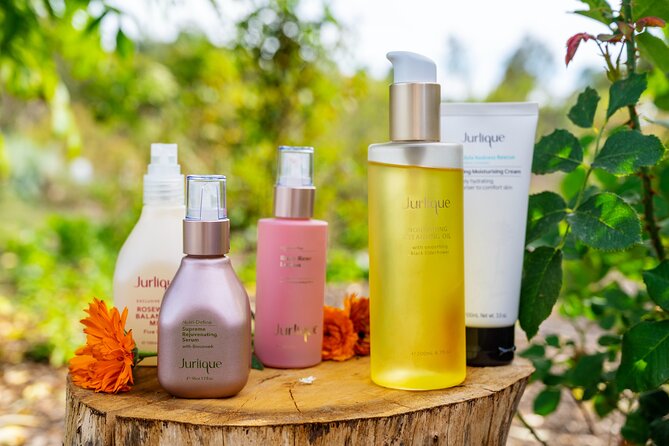
Biodynamic farming is a central subject, and it gives the tour its strongest educational angle. You learn how Jurlique approaches the farm as a connected system, with attention to plant growth, soil fertility, and compost production.
The value here is not just the word biodynamic. The tour helps you consider what must happen below the plants for the garden to perform well. Healthy soil, compost, and careful propagation are treated as part of the product story rather than background chores.
I like this section because it shifts attention away from the finished skincare jar. You see that natural ingredients do not appear by magic. They depend on people, timing, growing conditions, and a farm system that has to be maintained year after year.
The visit may be especially worthwhile if you garden at home, care about soil health, or want to understand the farming claims behind plant-based products. It also works for anyone who prefers a working process to a sales pitch.
The balance is that biodynamic principles can be a lot to absorb in a short tour. With only 90 minutes for the whole experience, the explanation is likely to stay at an introductory level. You will come away with a working sense of the approach, not a complete manual for biodynamic agriculture.
Compost and soil fertility: the unglamorous part that matters
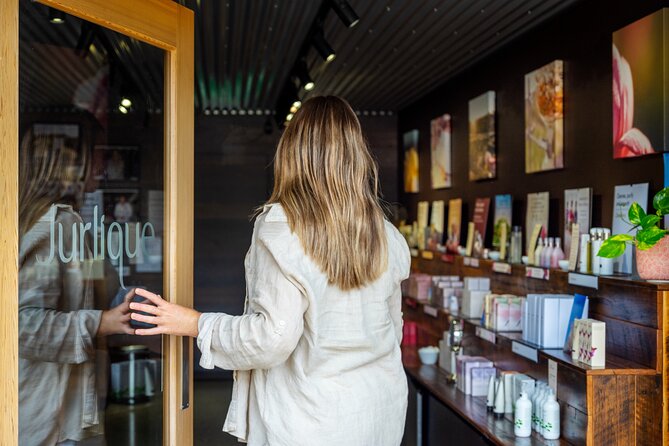
Compost production may not sound like the headline attraction, but it is one of the most useful subjects on the tour. It shows how Jurlique supports the farm from the ground up.
When you hear about skincare ingredients, it is easy to focus on flowers, herbs, or attractive plant beds. Compost brings the conversation back to the less photogenic work needed to grow them. The tour explains how soil fertility supports the plants and fits within the farm’s biodynamic principles.
I value this practical detail. It makes the experience feel more honest, since successful farming includes plenty of maintenance that never appears on a product label. If you are comparing this visit with a simple botanical garden walk, the soil and compost discussion gives it a more useful purpose.
Do not expect a separate long workshop on compost. It is one part of a broader route that also includes the company’s story, propagation, plant uses, and harvest. The benefit is the full chain, not exhaustive detail in one subject.
Following the harvest from garden to product
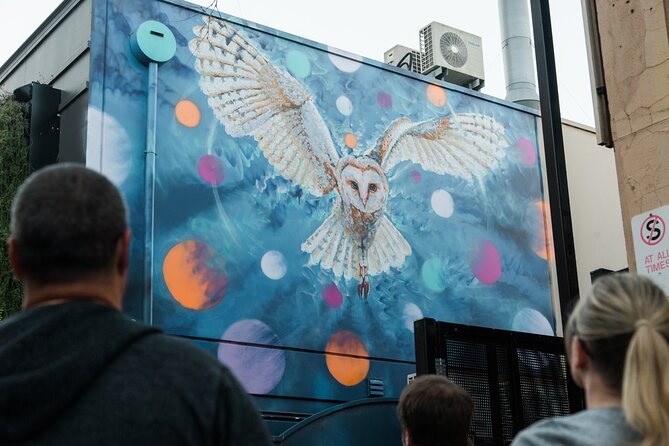
Harvesting completes the story. After you have learned how plants are started, grown, and supported by the soil, you hear how the ingredients are gathered for use.
This stage helps you understand why timing and care matter. A plant is not simply present in the garden and then transferred to a bottle. The harvest is part of a planned process, and the guide connects it to the production of Jurlique’s pure and natural skincare products.
The farm visit cannot show every step involved in making and distributing an international skincare range. What it does offer is a close look at the agricultural beginning of that process. You leave with a clearer sense of what the farm contributes.
The garden product experience adds a pleasant finish. Trying a few products among the plants makes the connection immediate. It also lets you decide how much the botanical story matters to your own skincare choices, rather than asking you to make that judgment from a presentation alone.
What the 90-minute timing feels like
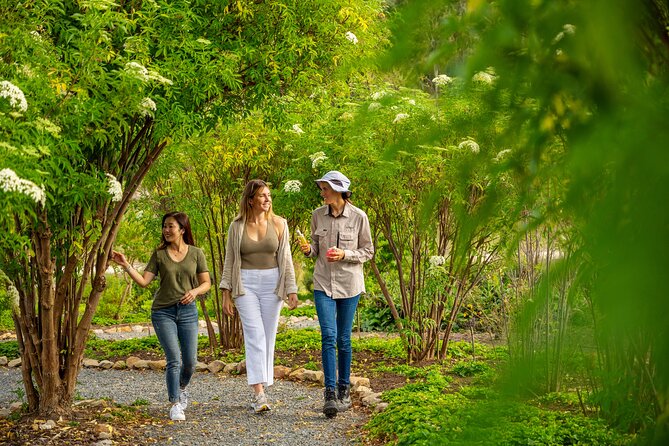
An hour and a half is a useful length for this activity. It is long enough to cover the main stages of the farm operation without taking up an entire day in the Adelaide Hills.
The pace should suit most people because the tour moves through several related topics rather than spending the whole time in one technical explanation. One particularly positive detail is that the pace suited a mixed group, including someone visiting alone. That suggests the format is welcoming even if you arrive without companions.
The group limit is 50 people. That gives the tour a defined capacity, but it is not a small private walk. If you want constant one-to-one time with the guide, a group of this size may feel less personal. The quality of your experience can also depend on where you are standing and how actively you join in.
On the other hand, a larger group can make the visit feel relaxed and social. You are not expected to arrive with specialist knowledge, and most people can participate. Service animals are allowed, which is useful information when planning.
Is the A$28.69 price good value?
At $28.69 per person, the tour is priced as a modest paid attraction rather than a luxury farm outing. I think the value is strongest if you are interested in plants, sustainable growing, natural skincare, or the story behind an established South Australian brand.
You are paying for a 90-minute guided experience with a Jurlique Ambassador, not for transport, a meal, or a large product bundle. That distinction matters. If you are already spending time in the Adelaide Hills and can reach Biggs Flat easily, the price is reasonable for a focused behind-the-scenes visit.
The value is weaker if you are choosing it only because you like the skincare products and expect a long shopping session. The tour is educational first. Product contact is part of the garden experience, but the main subject is farming.
I would also count the setting and the direct access to the growing process as part of the price. You are seeing how ingredients are propagated, how the soil is supported, and how the harvest fits into production. For the right audience, that is more worthwhile than a standard brand display.
The published rating is 4.8 from 37 ratings, with 100 percent recommending it. Those figures point to a consistently well-received small attraction, though you should still judge the value by your interests and transport plans.
Who will enjoy this farm tour most?
I would choose this experience for:
- Skincare shoppers who want to understand the plants behind Jurlique products.
- Gardeners and plant lovers interested in propagation, soil fertility, compost, and harvest.
- Couples and solo visitors looking for a short, guided activity in the Adelaide Hills.
- Curious families and mixed groups who prefer an interactive visit to a formal lecture.
- Brand-conscious visitors who want to see the company’s production story in a real farm setting.
I would be more cautious if you want a full-day country outing, a private tour, or detailed instruction in biodynamic agriculture. The group may be as large as 50, and the 90-minute format leaves little room for extended questions.
The tour also suits a solo visit better than many group activities. Lexi’s ability to include a solo participant in a larger group is a useful sign that you do not need to arrive with a ready-made party.
Practical details that can shape your visit
Book with the farm’s location in mind. The activity does not include transfers to or from the meeting point, so your budget should include the cost and time of reaching Biggs Flat.
Allow the full 90 minutes, then add your own travel time. Since the tour returns to the starting point, it is easy to plan the next part of your day once the visit ends.
A mobile ticket is provided, and confirmation arrives at booking. Most people can take part, and service animals are allowed. The group maximum is 50, so do not assume a private or very small experience.
The cancellation terms are friendly if your plans change early. You can cancel at least 24 hours before the local start time for a full refund. Cancellations or changes made within 24 hours are not accepted for a refund.
Should you book the Jurlique Farm Tour?
Book it if you want a short, useful look at how botanical skincare begins. The strongest reasons are the farm setting, the link between plants and products, the explanation of biodynamic soil and compost practices, and the chance to interact with botanicals rather than simply hear about them.
I would also recommend it if you are already planning time in the Adelaide Hills and can reach Biggs Flat without trouble. At $28.69, it offers solid value for a guided 90-minute visit.
Skip it if you need included transport, dislike group activities, or want a deep technical course in farming. For everyone else, this is a thoughtful way to spend part of a day, especially if you like knowing what sits behind the label on your bathroom shelf.
FAQ
Where does the Jurlique Farm Tour start and finish?
The tour starts at Jurlique Farm, 31 Liebelt Road, Biggs Flat, South Australia 5153. It ends back at the same meeting point.
How long does the tour last?
The guided farm tour lasts approximately 90 minutes, or one hour and 30 minutes.
Is transport included?
No. Transfers to and from the meeting point are not included, so you must arrange your own way to Jurlique Farm.
What is included in the ticket?
The ticket includes a 90-minute guided farm tour with a Jurlique Ambassador.
How much does the tour cost?
The listed price is $28.69 per person.
Can I cancel for a full refund?
Yes. You can cancel at least 24 hours before the experience start time for a full refund. Cancellations or changes made less than 24 hours before the start time are not refunded or accepted.
Is the tour accessible to everyone?
Most people can participate, and service animals are allowed. The group can include a maximum of 50 people.
Just added around Adelaide
- d’Arenberg Cube / McLaren Vale Regional Tour★ 4.5 · 26 reviews
- Ultimate Adelaide City and Hahndorf Tour★ 4.5 · 45 reviews
- Welcome to Adelaide Walking Tour★ 5.0 · 119 reviews
- Victor Harbor and Southern Highlights from Adelaide★ 4.0 · 47 reviews
- Victor Harbor and Fleurieu Peninsula Tour★ 4.5 · 145 reviews
- Adelaide Twilight Cruise from Glenelg★ 4.5 · 94 reviews
- Wild Dolphin Swim Cruise★ 5.0 · 55 reviews
- Ultimate Adelaide Walking Tour★ 5.0 · 222 reviews
Adelaide Tours, compared.
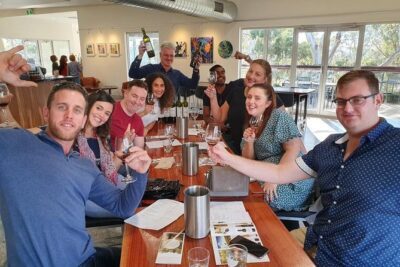
Barossa Premium Wine Tasting Tour & lunch Departs 7 days a week
Read our review →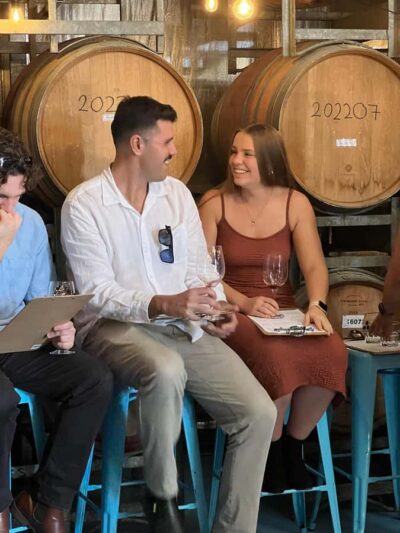
Barossa Premium Wine Tasting tour & Winery Lunch
Read our review →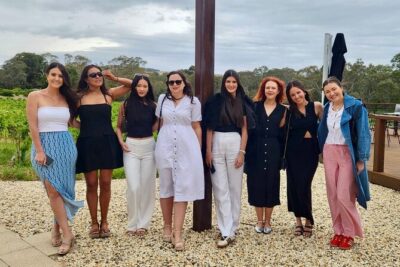
Discover Barossa: 4 Wine Tastings, Gourmet Lunch, and Hidden Gems
Read our review →

Browse the lists this tour appears in