
Review · HOBART TOURS
Tasmania: 7-Day West to East Tour
Tasmania’s best feature is its variety. In one week, you move from giant eucalyptus trees and wild rivers to alpine trails, white beaches, orange rocks, convict ruins, and little penguins. This west-to-east route gives you a useful first look at the island without the work of planning every transfer.
I like the choice of walks, since you can usually pick an easy stroll or a tougher route. I also like the guides’ role in bringing the island to life, with recent departures led by guides such as Brendon, Phil, Keygan, and Hayden. The main tradeoff is time: seven days involve plenty of driving and early starts, and the vehicle can feel tight for a tall passenger.
Key points at a glance
- Mount Field begins the trip with Russell Falls and towering eucalyptus trees.
- Strahan gives you two nights on Tasmania’s remote west coast, with rainforests, sand dunes, and the option of a Gordon River cruise.
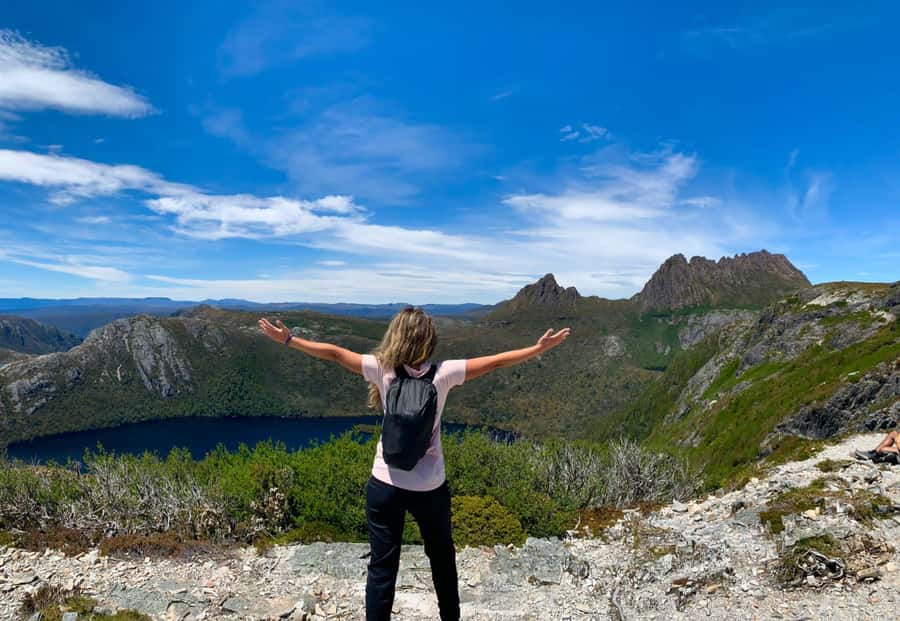
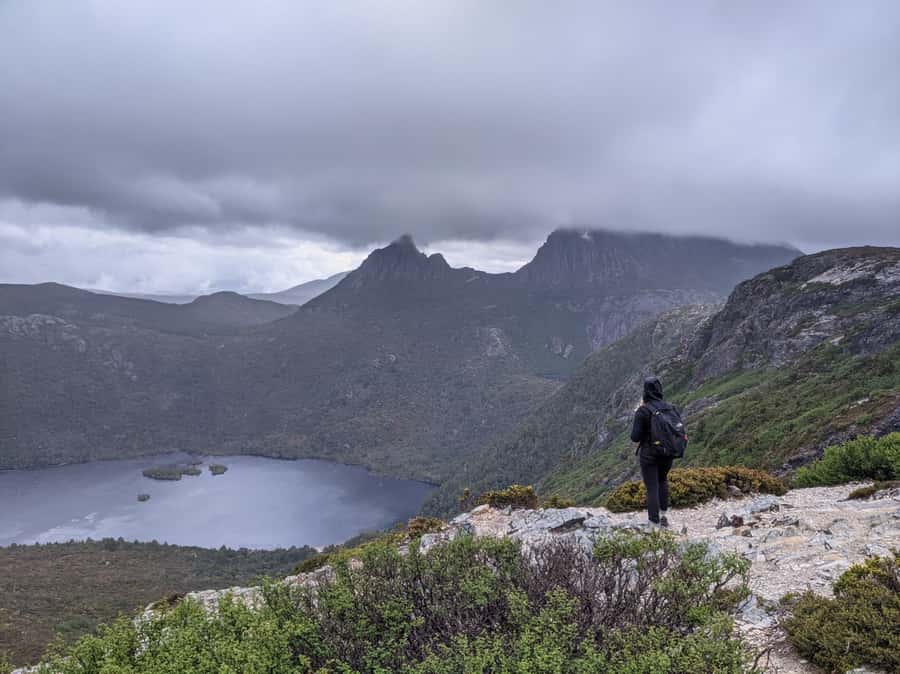
- Cradle Mountain offers the tour’s best hiking choice, from the Dove Lake Circuit to the more demanding Marion’s Lookout.
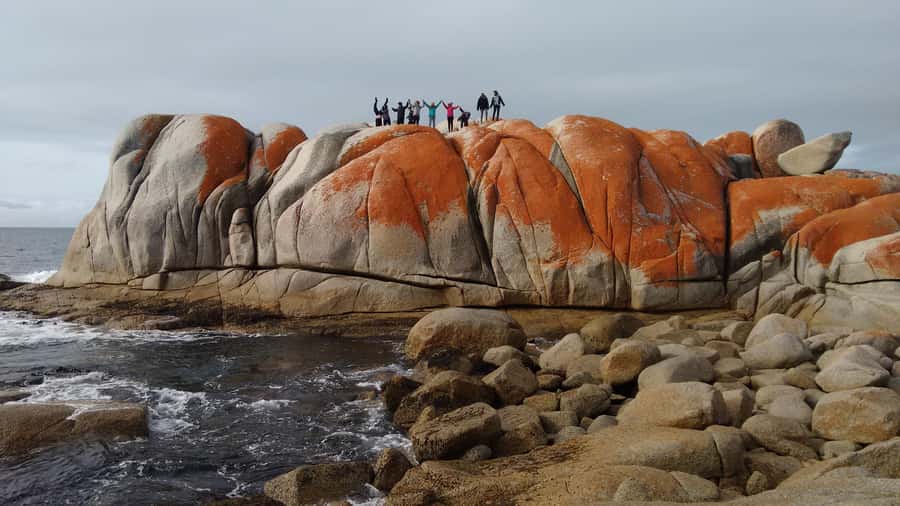
- The Bay of Fires combines white sand, turquoise water, orange boulders, and palawa cultural context.
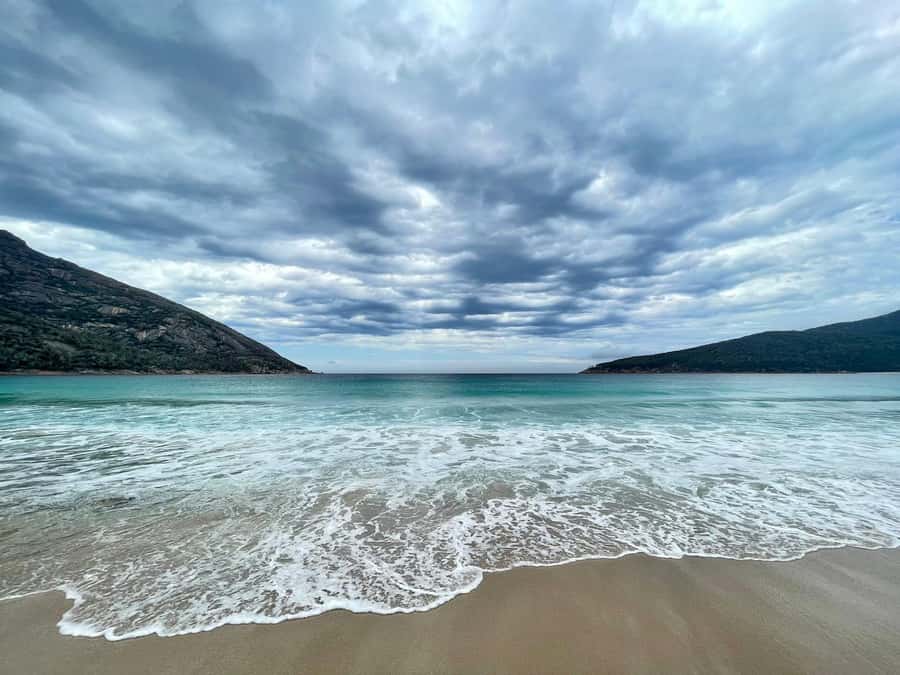
- Freycinet National Park brings the famous Wineglass Bay view, plus the option to climb Mount Amos.
- The final stretch covers Bonorong, Richmond, Mount Wellington, and Port Arthur, making the trip strong on wildlife and history as well as scenery.
What this seven-day Tasmania tour does well
At $973 per person, this is a strong value if you want to see several corners of Tasmania but do not want to rent a car. Transport, six nights of accommodation, national park fees, guided commentary, walking options, Bonorong Wildlife Sanctuary, Port Arthur Historic Site, and the Port Arthur harbor cruise are included.
That bundle matters in Tasmania. The island’s major sights are spread across long roads, and arranging accommodation, park entry, and transfers yourself can take time. Here, the guide handles the route while you look out the window, rest between walks, and meet other people along the way.
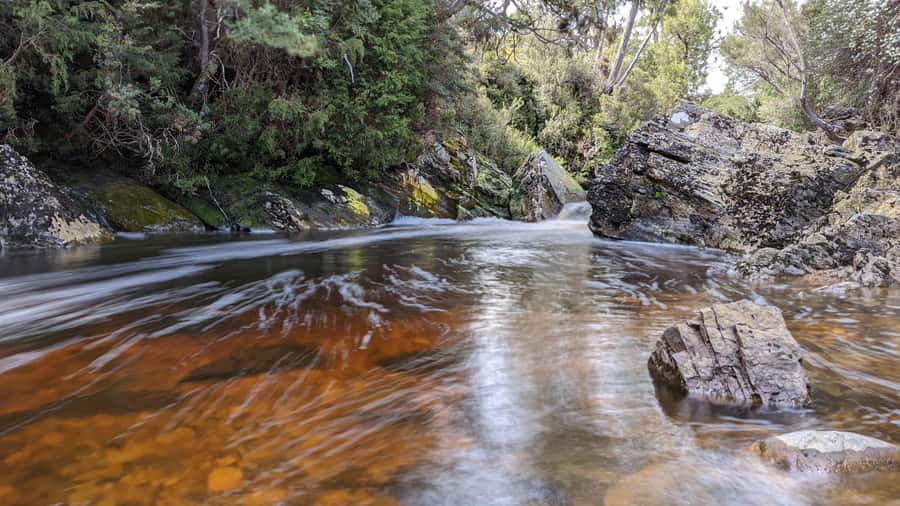
The trip is active but not built around one difficult hike. Walks are offered every day, most rated easy to moderate, and participation is optional. Russell Falls is a short 25-minute return walk over a flat 1.4-kilometer track. The Dove Lake Circuit takes about two to three hours over six kilometers, with steps, rough ground, and short hills.
You should still have reasonable fitness and good mobility to get the most from the week. Children under eight are not accepted, and the trip is not suitable for people with back problems or mobility impairments. Pack hiking shoes, warm layers, sun protection, a jacket, long pants, a daypack, swimwear, and a towel.
A few more Hobart half-days to weigh up
- 7-Day Super Value Tour of Tasmania: Explore Tasmania’s West and East Coasts
★ 5.0 · 77 reviews - Barossa Premium Wine Tasting Tour & lunch Departs 7 days a week
★ 5.0 · 1,475 reviews - Perth: 7 Day Exmouth Explorer & Ningaloo Reef Return Perth
★ 4.5 · 119 reviews
Day 1: Mount Field, Lake St Clair, and Queenstown
The first day sets the tone with a generous sample of western Tasmania. Leaving Hobart, you reach Mount Field National Park, where the short walk to Russell Falls is an easy start. The tall eucalyptus trees give this opening stop a sense of scale, while the waterfall provides a clear reward without demanding much effort.
From there, the road continues toward Lake St Clair, Australia’s deepest freshwater lake. The stop adds a cooler, more open setting after the forest. You also enter Franklin-Gordon Wild Rivers National Park, an area associated with thick forest, rivers, and Tasmania’s remote western side.
Queenstown brings a change of mood. Its mining past helps explain the stark appearance of the surrounding area, and your guide provides context as you pass through town. This is one of the tour’s strengths: the scenery is not presented as a string of pretty stops. You get some sense of how mining shaped the west coast and why it looks so different from the east.
You finish in Strahan, a small village on Macquarie Harbour, and stay for two nights. That second night is useful. It avoids turning the west coast into a rushed overnight stop and gives you time for the next day’s activities.
Day 2: Rainforest, Henty Sand Dunes, and Ocean Beach
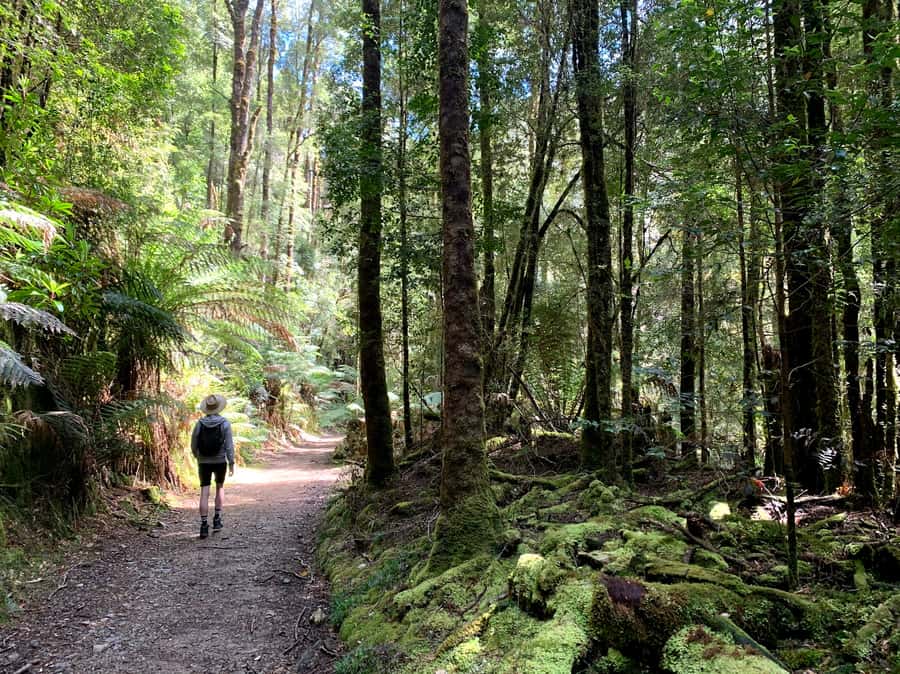
The second day focuses on the rawer side of Tasmania. A guided nature walk takes you through ancient rainforest, where your guide can point out plants and explain the local environment. This is a good place to pay attention rather than simply take photographs, since the value comes from understanding what makes the west coast distinct.
At the coast, Henty Sand Dunes provide an unexpected contrast. The enormous sandy area feels far removed from the forest, and Ocean Beach adds a long, open shoreline. The tour visits Tasmania’s longest stretch of sand, giving you a strong sense of space without requiring a full-day hike.
You can also choose the Gordon River cruise at your own cost. This is the tour’s main paid extra, so budget for it separately if the river experience appeals to you. The basic day already includes rainforest and coast, while the cruise offers a different way to see the western waterways. Ask about the timing and price before departure so you can make a clear choice.
Strahan is a practical base for this portion of the trip, but do not expect a packed evening schedule. The days generally begin around 7:30 a.m. and finish around 5 p.m. or earlier. You should have time to eat, rest, and prepare for the following day.
Day 3: Cradle Mountain and the road to Launceston
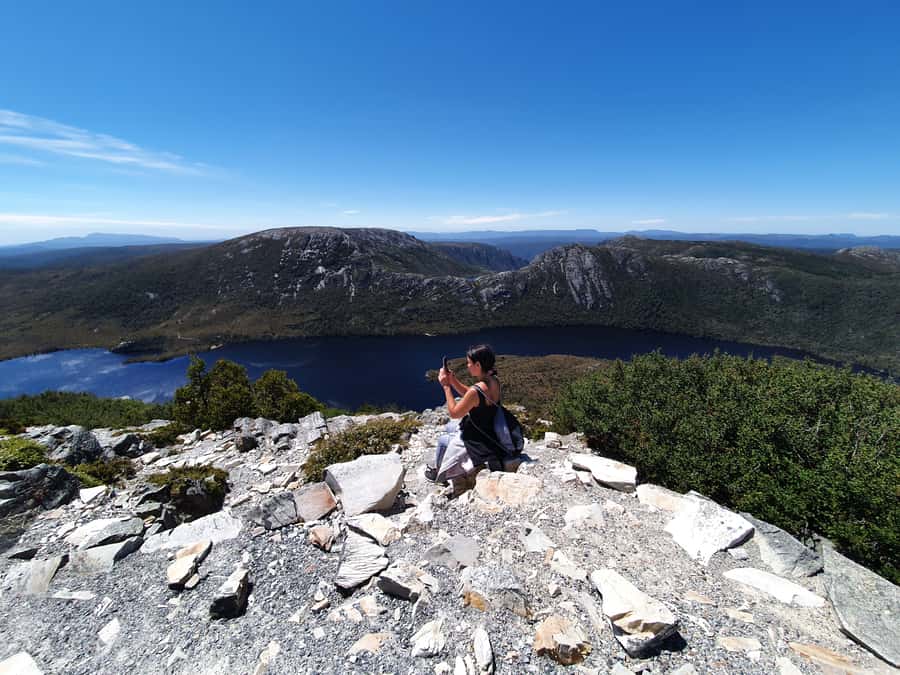
Cradle Mountain National Park is one of the tour’s major reasons to book. Its glacially shaped terrain feels very different from Mount Field and the west coast, and this is the day when your walking choice matters most.
The Dove Lake Circuit takes two to three hours and covers six kilometers. It includes short climbs, rougher surfaces, and many steps, but it gives you a full walk through the park with views toward Cradle Mountain. If you want more exertion, you can choose the track to Marion’s Lookout, including a climb to a higher viewpoint.
The guide explains the difficulty of each option, which helps couples or friends with different abilities make sensible choices. You may also spot wombats, echidnas, and other Tasmanian wildlife. Sightings are never guaranteed, so treat them as a bonus rather than the purpose of the hike.
Later, the tour continues to Launceston through Sheffield, known for its murals. This stop breaks up the drive and adds a touch of local character after the wilderness of Cradle Mountain. The day is long, but the change from alpine park to small-town art makes the route feel varied rather than repetitive.
Same base, a completely different day out:
- Bruny Island Food, Sightseeing, Guided Lighthouse Tour & Lunch
★ 5.0 · 2,989 reviews - Full-Day Guided Bruny Island Tour from Hobart
★ 5.0 · 1,331 reviews - kunanyi/Mt Wellington Explorer Bus- Return Tour (2.5 hours)
★ 5.0 · 1,249 reviews - Hobart: Bruny Island Food, Sightseeing & Lighthouse Day Tour
★ 4.8 · 960 reviews
Day 4: Cataract Gorge, the Bay of Fires, and Bicheno
Launceston’s Cataract Gorge is an easy urban nature stop. It is a pleasant place for a walk and a chance to look for wallabies without committing to another demanding trail. After several days outside towns, this morning gives you a slower start before the long transfer east.
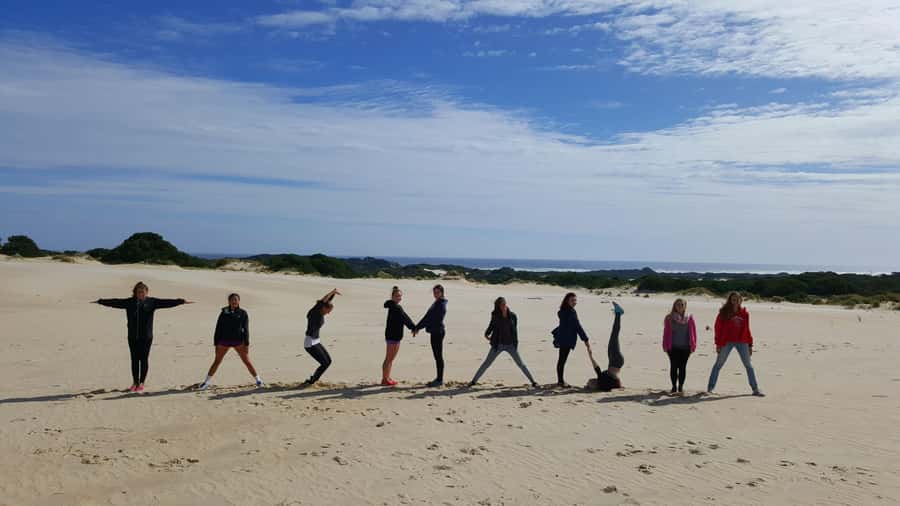
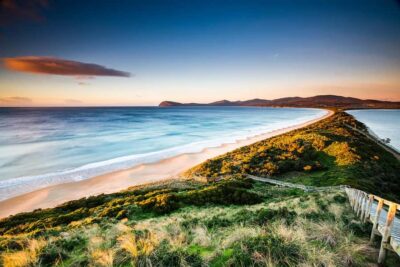
The Bay of Fires, known as larapuna, is one of the most memorable coastal sections. You walk along white sand and turquoise water beside striking orange boulders. The color contrast is hard to miss, but the visit also has cultural weight. The guide introduces the spiritual connection between the land and the Tasmanian Aboriginal people, the palawa.
This is a good example of why guided transport helps. You see a famous coastal area, but you also receive some context about its place in Aboriginal culture. Listen closely during these explanations, since the history and living culture of the island deserve more than a quick photograph.
The night is spent in Bicheno, home of the little penguin. The schedule does not state that a penguin viewing is included, so do not assume a dedicated wildlife encounter. Bicheno is still a useful overnight stop, and the accommodation there has been especially comfortable on some departures.
Day 5: Wineglass Bay and Freycinet National Park
Freycinet National Park supplies the postcard view, but the day is more active than a quick lookout visit. You can walk to the Wineglass Bay viewpoint or choose the climb to Mount Amos. The first option is the sensible pick if you want the classic view with a moderate amount of effort. Mount Amos is the tougher choice and depends on your fitness, footwear, and comfort on steep or uneven ground.
Your guide can help match the walk to your ability, but you should be honest about how you feel after four active days. It is better to enjoy one route fully than push too hard because a higher summit sounds impressive.
Cape Tourville lighthouse provides another coastal viewpoint and a change of pace after the Freycinet walk. You then return to Hobart, also called nipaluna, for the night. After several nights on the road, being back in the capital gives you a chance to eat in a historic pub or restaurant and catch up on laundry or rest.
Day 6: Bonorong, Richmond, and Mount Wellington
Bonorong Wildlife Sanctuary is a highlight for many people because it offers a close look at Tasmanian animals, including the Tasmanian devil. Entry is included, so this is not an optional add-on like the Gordon River cruise.
The sanctuary gives you a better chance to see wildlife than a roadside stop, particularly after several days when animal sightings have been unpredictable. It also helps you understand the island’s native species before the tour turns toward its colonial and convict past.
Richmond brings a different kind of interest. The heritage village has old buildings and a slower rural feel, making it a worthwhile contrast with Bonorong. Your guide can connect the town to Tasmania’s wider past without turning the day into a lecture.
Back in Hobart, the group visits Mount Wellington, or kunanyi. The mountain provides broad views over the city and surrounding area. Weather can affect visibility, so keep your expectations flexible. Even if clouds limit the view, the mountain gives the final Hobart evening a strong sense of place.
Day 7: Port Arthur and Crescent Bay
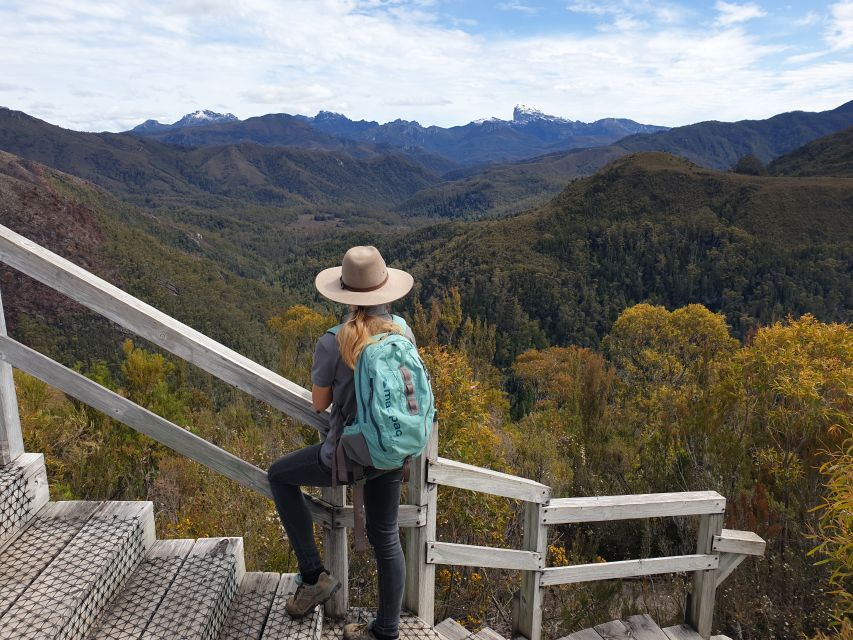
The last day reaches the Tasman Peninsula, also known as turrakana. This area combines dramatic coastal scenery with Australia’s convict past, and the two subjects work well together. The land feels remote, which helps explain why Port Arthur was chosen as a penal settlement.
Port Arthur Historic Site is Australia’s best-preserved convict settlement, and entry plus the harbor cruise are included. Allow yourself time to take in the buildings, grounds, and water views. The experience is more meaningful if you pay attention to the conditions faced by convicts rather than treating the site as a collection of old structures.
The walk to Crescent Bay closes the tour with a coastal view. It adds one final outdoor stretch after the history stop, so the day does not become entirely museum-based. You return to Hobart afterward, ending where the tour began.
Guides, group rhythm, and transport
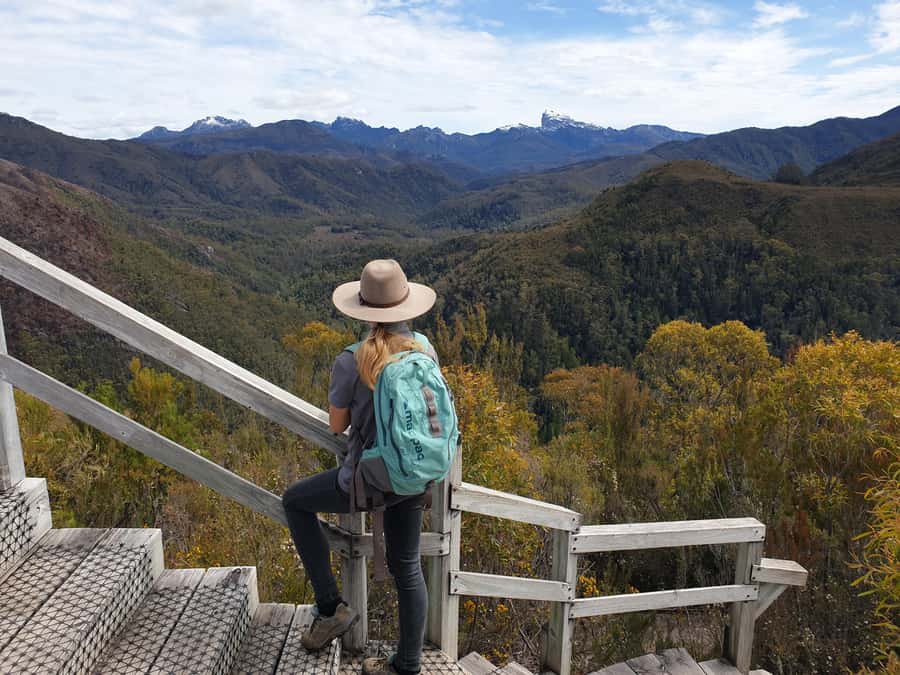
The guide can make a major difference on a trip with this much driving. Recent departures have been led by Brendon, Phil, Keygan, Hayden, Evan, and others. The strongest pattern is practical guidance: clear explanations of walking difficulty, regular bathroom and coffee breaks, local food suggestions, and information about Tasmania’s plants, history, and environment.
Some departures use one guide for the first five days and another for the final two. Both guides can be friendly and capable, but a handover may feel less personal than having one person for the full week.
The vehicle saves you from navigating long distances, but space is worth considering. One six-foot passenger found the seat tight, while a shorter passenger was comfortable. You can bring up to 20 kilograms of luggage, stored in a trailer on travel days, but a smaller bag will make motel and hostel changes easier.
Accommodation and food costs
You choose between motel and hostel accommodation. Motels provide private rooms with ensuite bathrooms. Hostel choices include same-gender dormitories or private single, twin, and double rooms with shared same-gender bathrooms. Twin and double bookings require at least two people.
The accommodation is generally clean and comfortable, though a Hobart YHA stay can be noisy. One benefit of the motel setup is the chance to do laundry during the week, which helps you pack lightly.
Food and drinks are not included. Your guide usually recommends restaurants or grocery stores, and some accommodation may suit people who prefer to cook. You should set aside extra money for meals, snacks, and the Gordon River cruise if you choose it.
Who should book this tour?
I would choose this trip if you have about a week, want a broad first look at Tasmania, and prefer not to drive. It suits solo visitors, couples, and small groups who enjoy meeting people and walking most days.
It is less suitable if you want long, slow stays in each town, complete control over your daily schedule, or a luxury hotel experience. The itinerary covers a lot of ground, and one person found that five or six days might have been enough. I see the point, but cutting days would likely mean dropping either the west coast or the Tasman Peninsula.
The listed price is good for the amount included, particularly with park fees, Port Arthur, Bonorong, and six nights of lodging covered. Add food, insurance, and the optional river cruise when setting your real budget.
Should you book the Tasmania West to East Tour?
Book it if you want Tasmania’s major natural and historic sights in one well-organized week. The mix of optional walks, wildlife, Aboriginal cultural context, convict history, and varied accommodation gives you more than a simple sightseeing bus route.
Skip it if long drives bother you, you need fully private transport, or walking is difficult. For most reasonably fit adults, though, this is a smart way to connect Hobart, Strahan, Cradle Mountain, Launceston, Bicheno, Freycinet, and Port Arthur without spending your holiday on logistics.
FAQ
How long is the Tasmania West to East Tour?
The tour lasts seven days and includes six nights of accommodation.
Where does the tour begin and end?
It begins in Hobart and returns to Hobart at the end of the seventh day.
Is hotel pickup included?
Pickup and drop-off are included from centrally located Hobart hotels and hostels. Pickup is not available from Airbnbs or private residences.
What accommodation choices are available?
You can choose motel or hostel accommodation. Motels have private ensuite rooms. Hostel options include same-gender dorm rooms or private single, twin, and double rooms with shared same-gender bathrooms.
Is food included in the price?
No. Food and drinks are not included, so you need to budget for meals, snacks, and drinks during the week.
Is the Gordon River cruise included?
No. The Gordon River cruise is an optional activity at your own expense.
How difficult are the walks?
Most walks are easy to moderate, and all walks are optional. Russell Falls is an easy 25-minute, 1.4-kilometer return walk. The Dove Lake Circuit is a moderate six-kilometer walk taking about two to three hours.
How much luggage can I bring?
You can bring up to 20 kilograms of luggage, which is stored in a trailer on travel days.
Is the tour suitable for children?
Children under eight are not accepted on this tour.
What is included besides transport and accommodation?
The tour includes guided commentary, guided and non-guided walking options, national park entry fees, Bonorong Wildlife Sanctuary entry, Port Arthur Historic Site entry, the Port Arthur harbor cruise, and central Hobart pickup and drop-off.
Just added around Hobart
- Hobart: Bruny Island Adventure: Hiking, Highlights & Local tastes★ 4.0 · 23 reviews
- Cascades Female Factory Historic Site [official]★ 4.5 · 110 reviews
- 7-Day Super Value Tour of Tasmania: Explore Tasmania’s West and East Coasts★ 5.0 · 77 reviews
- A Day At Wineglass Bay★ 5.0 · 33 reviews
- 5-Day Best of Tasmania Tour from Hobart★ 5.0 · 184 reviews
- 6-Day Tasmanian Explorer Adventure Tour from Hobart★ 5.0 · 66 reviews
- 4 Day Wild Tasmania Tour / Wildlife, Nature, Hiking / Inc. Accom★ 5.0 · 126 reviews
- Bonorong Wildlife Park and Richmond Afternoon Tour from Hobart★ 4.5 · 113 reviews
Hobart Tours, compared.

Bruny Island Food, Sightseeing, Guided Lighthouse Tour & Lunch
Read our review →
Full-Day Guided Bruny Island Tour from Hobart
Read our review →
kunanyi/Mt Wellington Explorer Bus- Return Tour (2.5 hours)
Read our review →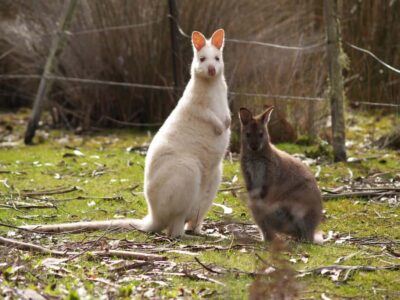
Bruny Island Food, Sightseeing & Lighthouse Day Tour
Read our review →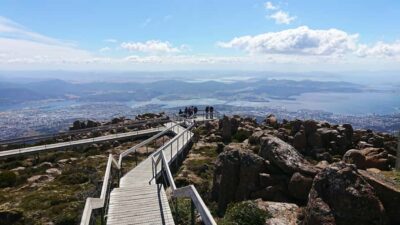

Bruny Island Traveller – Gourmet Tasting and Sightseeing Day Trip from Hobart
Read our review →
Browse the lists this tour appears in