Review · TOURS
Augusta: Cape Leeuwin Lighthouse Tour
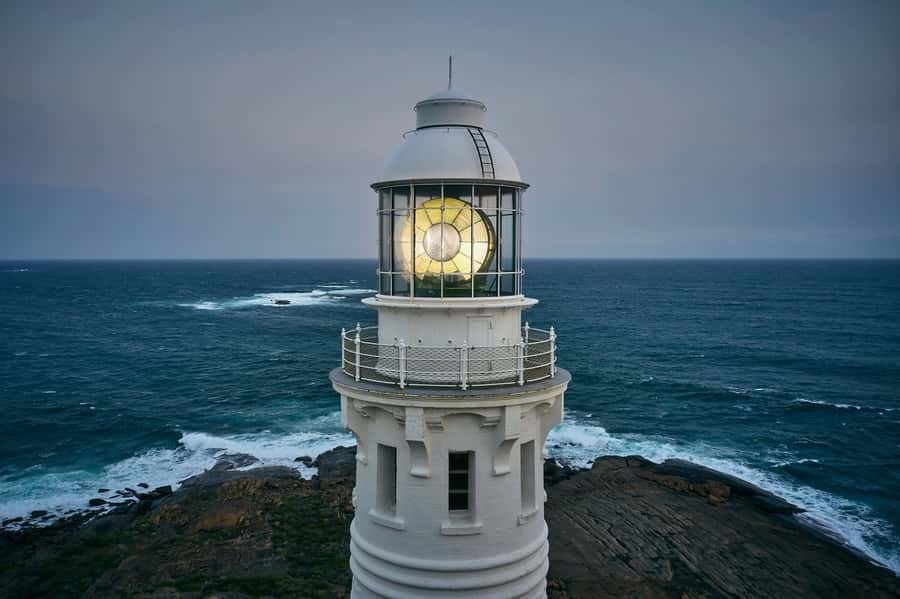
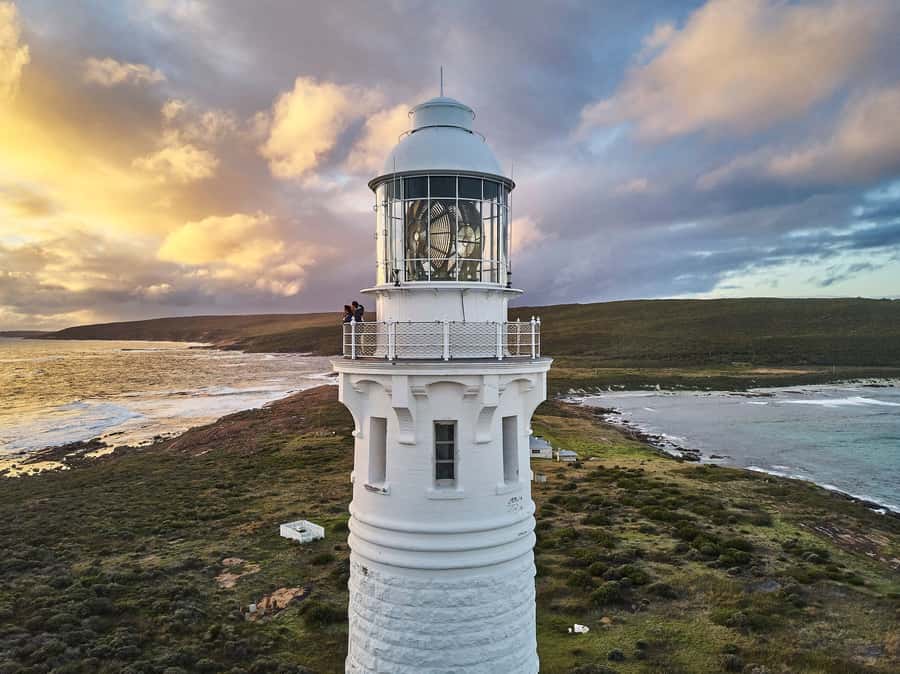
At the tip of southwestern Australia, the Southern and Indian Oceans meet below Cape Leeuwin Lighthouse. The best part is the climb itself: step by step, you rise above a wild shoreline until the tower opens onto a huge sea view. This is a working lighthouse, not just a pretty old building.
I like the personal stories about the keepers and their families, and I like the small groups, which give guides time to explain the site without rushing. Guides such as Bruce and Ellie have been praised for making the history clear and keeping the pace comfortable. The main drawback is the weather: strong wind can make the wait outside unpleasant, and the climb is not suitable for children under four.
Key points to know before you climb
- Australia’s tallest mainland lighthouse: Climb the historic tower at one of the country’s most exposed coastal points.
- A 30-minute guided visit: The short tour focuses on the tower, its history, and the view from the top.
- Southern and Indian Oceans: Look toward the meeting point of two oceans from the upper gallery.
- Local limestone construction: Learn how the lighthouse was built in 1895 and remains in use for ships.
- Whale-watching possibility: From May through September, migrating whales may be visible from the tower.
- Small groups of up to 10: A useful size for hearing the guide and moving at an easy pace.
Reaching the far southwestern point of Australia
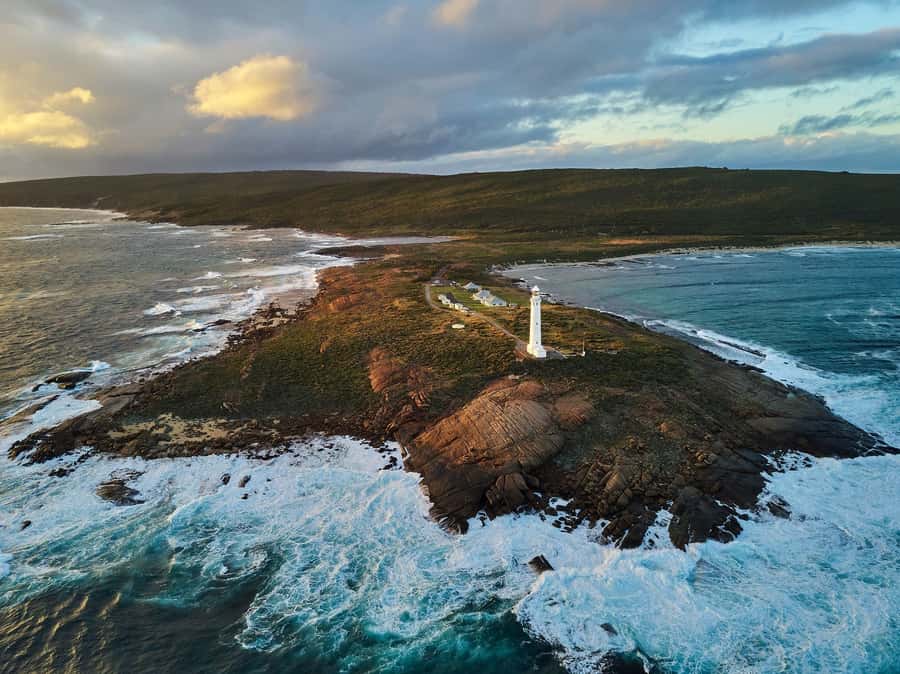
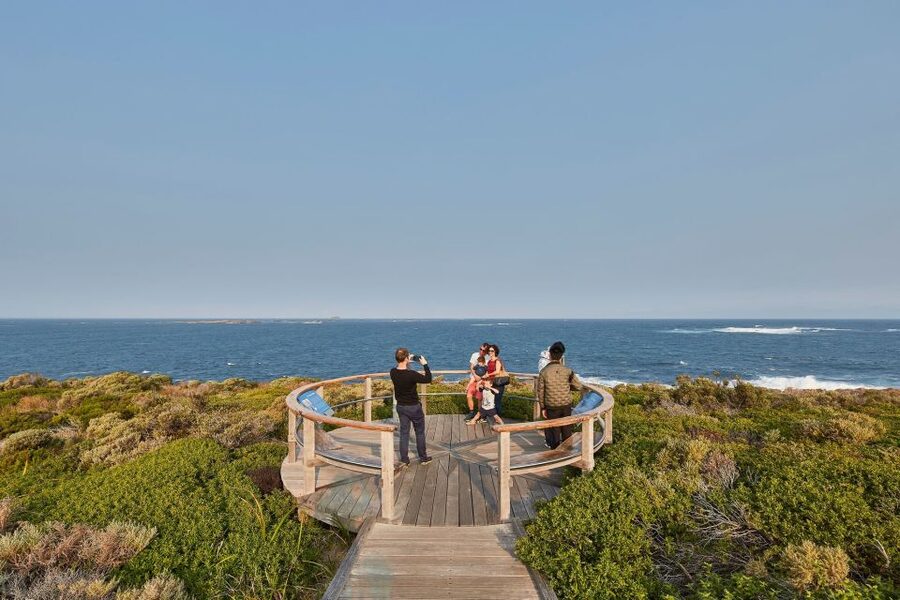
Cape Leeuwin Lighthouse is at the end of a spectacular peninsula near Augusta, Western Australia. The setting gives the visit much of its power. You are not climbing a tower in the middle of town. You are walking toward an exposed cape where waves, wind, rocks, and open sea set the mood.
The site marks the point where the Southern and Indian Oceans meet. From ground level, the cape already feels broad and remote. From the lighthouse, the view becomes much wider, with the rocky shoreline below and open water stretching in several directions.
You need to arrive at the ticket office 15 minutes before your tour. There, you receive an entry pass and meet the guide at the base of the lighthouse. The meeting coordinates are approximately -34.374954, 115.136345.
The early arrival matters because there may be little shelter near the tower. On windy days, you may prefer to wait at the cafe and walk back up when it is time to start. Bring a jacket even if Augusta feels mild. At this exposed cape, conditions can change the comfort of the first few minutes.
Other Australia days that fill the same trip:
- Sydney: Opera House Guided Tour with Entrance Ticket
★ 4.8 · 8,312 reviews - All Inclusive Blue Mountain,Scenic World,Lunch,Koalas,ferry
★ 5.0 · 7,832 reviews - Great Ocean Road Small-Group Eco Tour from Melbourne
★ 5.0 · 6,607 reviews
What the 30-minute tour actually covers
This is a focused experience rather than a long site visit. The guided portion lasts 30 minutes, so you should expect a compact introduction to the lighthouse, its construction, its keepers, and its role today.
The guide begins at the base and leads the group into the tower. Along the way, you hear how the lighthouse was built from local limestone in 1895. That detail helps you see the tower as part of the place itself, rather than as a structure brought in from elsewhere.
The construction story is one of the strongest reasons to take the guided tour instead of simply viewing the lighthouse from outside. The walls, the setting, and the working purpose all connect. You learn why this site was chosen and how the tower helped vessels handle one of Australia’s more difficult coastal passages.
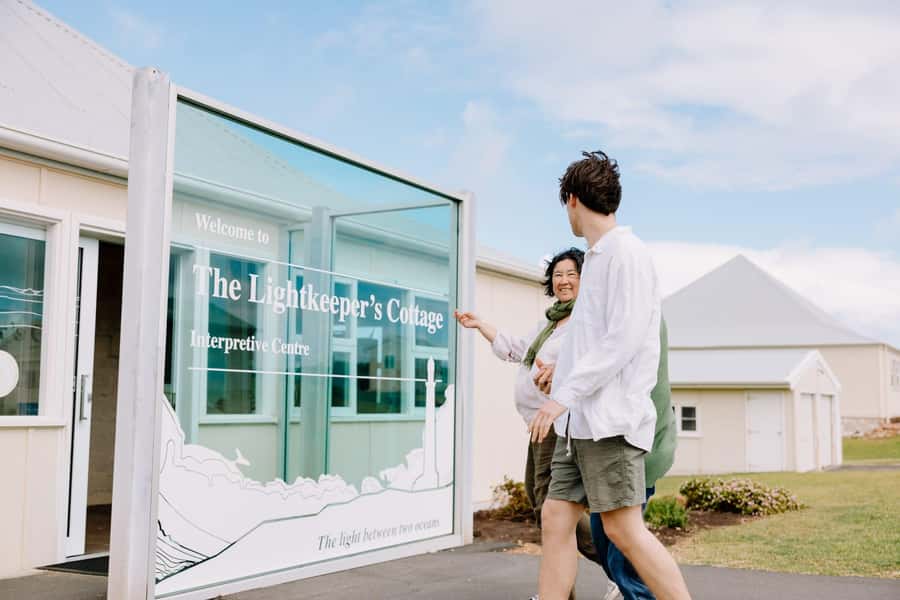
The restored keepers’ cottages add another layer. The lighthouse was not only a lamp and a tower. It was also a workplace and a home for the people responsible for keeping the light operating. You hear about the families who lived there, the duties involved, and the way the buildings supported life at a remote maritime station.
Guides vary, but Bruce has been praised for explaining the lighthouse story especially well. Ellie has also been noted for being friendly and well informed. The strongest guides appear to balance facts with stories about the people who worked here, which makes the visit easier to remember.
Climbing the tower to the upper view
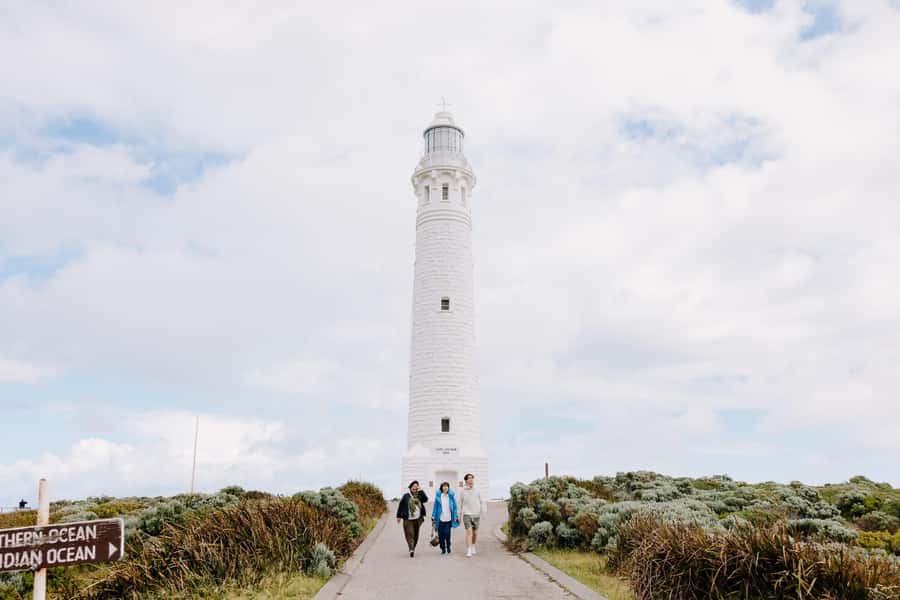
The climb is the heart of the experience. You make your way upward inside the lighthouse, then reach the top for a wide view over the coast. The ascent is manageable for many people, but it is still a climb, and the height may trouble anyone who dislikes stairs or exposed viewpoints.
You do not need to treat the climb as a race. A considerate guide can allow the group to move at its own pace, and that matters if you have reduced fitness, recent surgery, or simply want to stop and catch your breath. One particularly useful strength of this tour is that the pace can be gentle rather than forced.
At the top, the view is the reward. You look over crashing waves, rocky shore, and the open meeting point of the Southern and Indian Oceans. The scene is especially impressive in unsettled weather, when the cape shows its rougher side. On a calm day, you may get a cleaner view across the water.
Wind is part of the experience, but it is also a practical concern. The cape is exposed, and the upper area may feel very different from the sheltered town of Augusta. Hold onto hats and loose items, and give yourself time to look around rather than rushing through the view.
If you are uneasy with heights, you can still appreciate the tower from below, but the tour is built around reaching the top. One visitor described the climb as a personal challenge because of a fear of heights, with the effort making the final view feel worthwhile. That is a fair way to think about it: this is not the easiest sightseeing stop, but the climb gives the visit its purpose.
Maritime history made personal
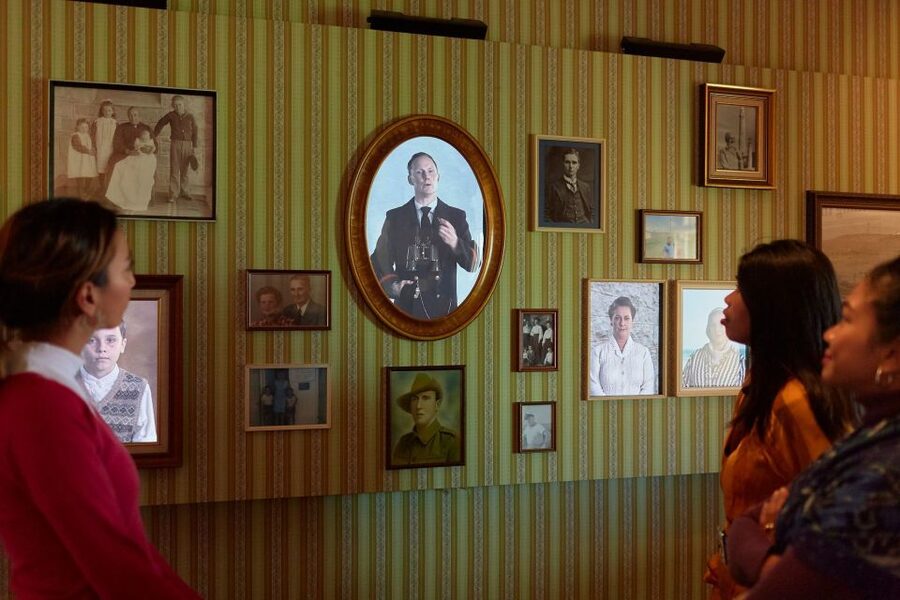
The lighthouse dates from 1895, but the most interesting part is not just the year. The guide explains how the station worked and why it mattered to ships navigating the cape. This is a place where history remains tied to a real safety job.
The tower still functions as a working lighthouse. That gives the visit a sense of purpose that many historic buildings lack. You are not only looking at an old monument. You are seeing a coastal aid that continues to help vessels navigate difficult waters.
The restored cottages help put the work into human terms. Ask yourself what it meant to live at this remote point while maintaining the light and supporting a family. The stories about the keepers, their homes, and their duties make the site more than an engineering project.
The tour does not promise every technical answer. If you want detailed information about matters such as the original windows or the exact reason for the tower’s chosen height, you may find that the short format leaves some questions unanswered. The guide gives a useful overview, but this is not a full archival study.
That limit is worth keeping in mind. The 30 minutes are well suited to a first visit, especially if you want the main story and the climb. History fans who want a very detailed account of construction methods or lighthouse technology may wish they had more time.
Same base, a completely different day out:
- From Melbourne: Great Ocean Road, 12 Apostles, Wildlife Tour
★ 4.7 · 6,020 reviews - Ocean Rafting: Whitehaven Beach, Snorkelling & Hill Inlet Lookout
★ 5.0 · 4,777 reviews - Laid back, Yarra Valley Wine Tour: Wine, Cider, Gin, Beer + Choc
★ 5.0 · 4,552 reviews - From Sydney: Blue Mountains Full-Day Trip
★ 4.5 · 4,471 reviews
Why the small group helps
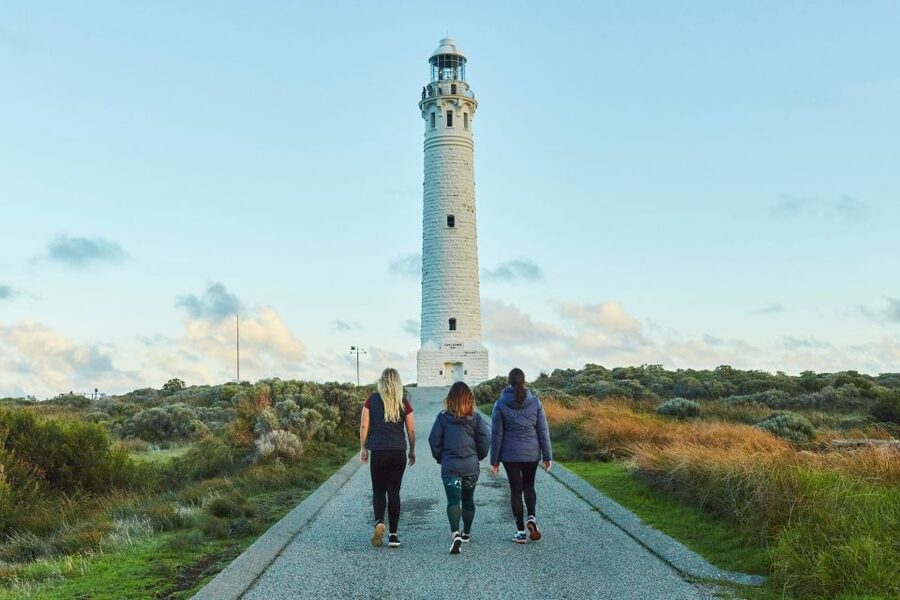
The group is limited to 10 participants, a good arrangement for a narrow historic tower. You are more likely to hear the guide clearly, ask a question, and keep sight of the group as you climb.
A small group also makes it easier for the guide to notice different abilities. The tour has received praise for a calm pace, including care for people recovering from serious surgery. That does not mean the climb is effortless, but it does mean you should not feel that you must hurry to keep up.
The experience works best when everyone accepts the rhythm of a historic building. You may pause on the stairs, wait for others, and share the upper viewing area. The small-group format helps, though it cannot remove the physical limits of the tower.
Children aged four to 16 must be accompanied by an adult. Children under four cannot climb the lighthouse, so families with very young children need to plan around that rule. The tour is also a better match for older children who can manage stairs and follow the guide’s instructions.
The best time for views and whales
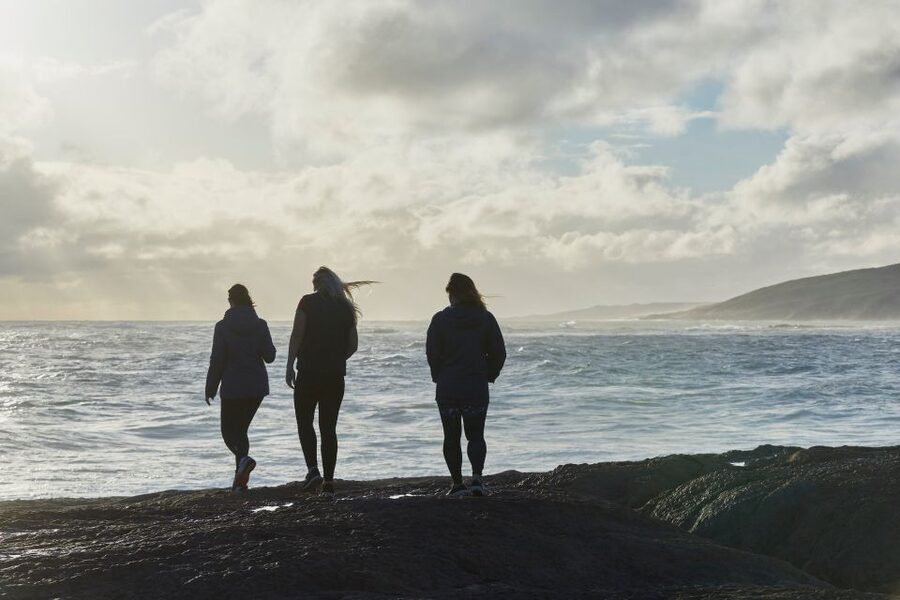
The lighthouse offers a broad sea view in every season, but May through September brings an extra possibility: migrating whales are often seen from the tower. Sightings are never guaranteed, so you should treat this as a bonus rather than the main reason to book.
If you visit during whale migration, bring patience. The height of the tower gives you a useful lookout, but the sea is large and whale watching depends on conditions and luck. The main reward remains the view and the sense of standing above a major coastal route.
Weather can shape the visit more than the calendar. Wind may make the wait before the tour uncomfortable, while clear conditions can make the coast especially sharp and open. The tour continues to offer interest in less-than-perfect weather, but you should dress for the cape rather than for a sheltered indoor attraction.
The surrounding cottages and grounds also deserve attention before or after the climb. The lighthouse tour is short, so the restored buildings help turn a quick guided climb into a fuller visit to the heritage site. You can take in the setting at your own pace outside the 30-minute guided portion.
Value for time and money
No price is provided here, so I cannot judge the exact cost. I can judge what you are paying for: a live English-speaking guide, entry to a historic working lighthouse, a climb to the top, and a small group capped at 10 people.
That is good value if you care about access and interpretation. You could photograph the tower from outside, but you would miss the construction story, the keepers’ lives, and the high coastal view. The guide turns a scenic stop into a short history experience.
The 30-minute length is useful on a busy Margaret River and Augusta itinerary. It is long enough to feel purposeful but short enough to combine with other regional sights, such as nearby cave visits or whale-watching trips. You will not need to set aside half a day for the lighthouse alone.
The main value question is physical. If you cannot or do not want to climb, the top-of-tower part of the experience will not work for you. In that case, the cottages and grounds may still interest you, but the guided tour’s central reward is the ascent.
Flexible booking also helps when planning around Western Australia’s changeable coastal weather. You can cancel up to 24 hours before the tour for a full refund, and the reserve-now, pay-later option lets you hold a place without paying immediately. Those terms are useful if your route through the southwest is still shifting.
Who should book this lighthouse tour
I would choose this tour if you enjoy short guided experiences with a strong sense of place. The cape, the meeting of the oceans, and the working lighthouse give it more character than a routine tower visit.
It suits:
- People interested in maritime history and old coastal stations
- Anyone who wants a dramatic view without committing to a long activity
- Families with children aged four and older who can climb with an adult
- Visitors planning a wider Augusta or Margaret River itinerary
- Whale watchers visiting between May and September
- Anyone who appreciates guides who explain history at an unhurried pace
I would think twice if you have a serious fear of heights, difficulty with stairs, or a very young child. The tour does not offer the full experience from ground level, and the wind can be hard on anyone expecting a sheltered attraction.
The guide quality matters here. Bruce and Ellie are examples of guides who have made the history personal and the pace comfortable, but your guide will depend on the date. The small group gives the tour a good chance to feel attentive rather than mechanical.
Practical details for a smooth visit
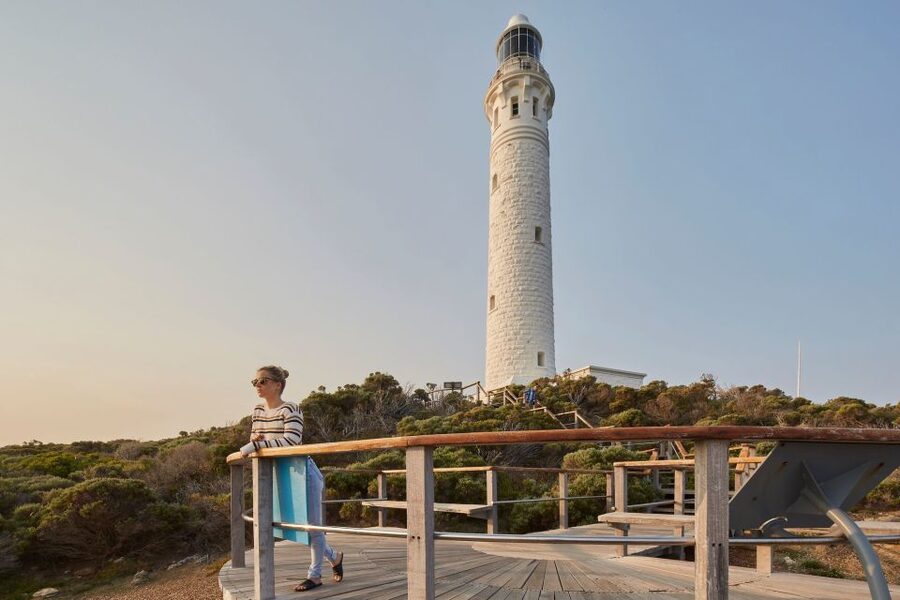
Wear sturdy, comfortable shoes for the climb and bring a warm outer layer. The cape can be windy, and there may be no convenient shelter beside the tower while you wait.
Arrive at the ticket office 15 minutes early. You will receive your entry pass there, then meet the guide at the lighthouse base. Do not cut the timing close, especially if you need to walk from the ticket office to the tower.
Keep the visit flexible if you can. The tour itself lasts 30 minutes, but you will likely want extra time for the restored cottages, the grounds, and the coastal setting. If you arrive early, the cafe can provide a more comfortable place to wait than the exposed area near the lighthouse.
The tour is conducted in English. Groups are limited to 10 participants, and children from four to 16 must have an adult with them. Children under four are not permitted to climb the tower.
Should you book Cape Leeuwin Lighthouse?
Book it if you want the best view of Cape Leeuwin and enjoy hearing the human story behind a working historic site. The climb, the ocean meeting point, local limestone tower, and restored keepers’ cottages fit neatly into a short visit, while possible whale sightings add seasonal interest.
Skip it if stairs and heights will take away from the experience, or if you want a long and highly technical history presentation. For most people who can manage the ascent, this is a memorable Augusta stop with strong value in a compact format. Check the wind before you go, arrive early, and save time to look beyond the lighthouse itself.
FAQ
How long does the Cape Leeuwin Lighthouse tour last?
The guided tour lasts 30 minutes. You may want additional time before or after the tour to enjoy the restored keepers’ cottages and the coastal setting.
Where do I meet the guide?
First go to the ticket office, where you should arrive 15 minutes before the start time and receive an entry pass. The tour begins at the base of Cape Leeuwin Lighthouse.
Is the tour conducted in English?
Yes. The activity includes a live English-speaking guide.
Can children climb the lighthouse?
Children under four are not permitted to climb the lighthouse. Children aged four to 16 must be accompanied by an adult.
Can I see whales from the lighthouse?
Whales are often sighted from the tower between May and September as they migrate along the coast. Sightings depend on conditions and are not guaranteed.
What happens if my plans change?
You can cancel up to 24 hours in advance for a full refund. The reserve-now, pay-later option allows you to book a place without paying immediately.
Just added around Australia
- Shore Excursion-Hobart Wanderer★ 5.0 · 87 reviews
- Old Hobart Pub Walking Tour★ 4.5 · 91 reviews
- kunanyi/Mt Wellington Ultimate Experience Tour from Hobart★ 4.5 · 83 reviews
- kunanyi/Mt Wellington Tour and MONA Admission★ 4.5 · 69 reviews
- Mt Field National Park and Russell Falls from Hobart★ 5.0 · 49 reviews
- Maria Island Ferry – Hobart Bus Connection (Return Service)★ 5.0 · 23 reviews
- Hobart: Mt. Field, Mt Wellington & Wildlife – Active Day Tour★ 5.0 · 112 reviews
- Hobart Sightseeing Cruise including Iron Pot Lighthouse★ 5.0 · 184 reviews
Tours, compared.
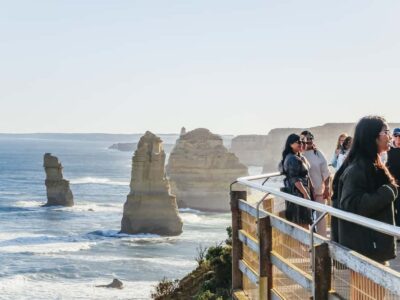

Laid back, Yarra Valley Wine Tour: Wine, Cider, Gin, Beer + Choc
Read our review →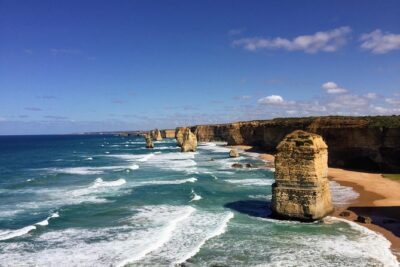
Great Ocean Road Reverse Itinerary Boutique Tour – Max 11 Guests
Read our review →
Penguin Parade, & Wildlife Encounters Eco Tour from Melbourne
Read our review →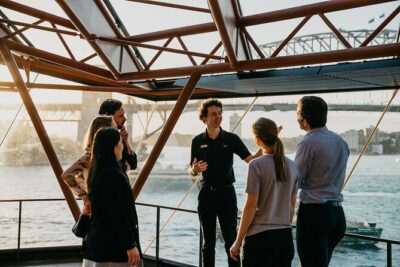
Sydney Opera House Official Guided Walking Tour
Read our review →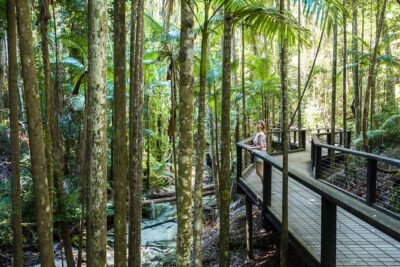
K’gari (Fraser Island) All Inclusive Day Tour
Read our review →